
Key Takeaways
-
Custom-fitted night guards from your dentist are one of the most trusted non-surgical treatments, cushioning teeth and letting jaw muscles relax during grinding and clenching at night.
-
Give your jaw a rest by switching to soft foods, cutting food into small bites, and avoiding gum, steak, bagels, and wide yawns for a week or two.
-
Alternate cold packs (10 minutes, wrapped in a towel) for swelling with moist heat (10 to 15 minutes) to loosen tight muscles.
-
Practice the "lips together, teeth apart" rule throughout the day to stop clenching, and use slow, pain-free jaw stretches like halfway open-and-close repeats.
-
When teeth are worn or misaligned, a bite evaluation can reveal uneven contact that strains the joint, which may be corrected with reshaping, restorations, or aligners.
-
See a dentist if jaw pain lasts more than two weeks, the jaw locks, or you notice frequent headaches or worn teeth, since early care leads to simpler treatment.
If you wake up with a sore jaw, hear clicking when you chew, or get headaches that seem to start near your ears, you are not alone. TMJ pain affects millions of adults, and it can make even simple things like eating a sandwich or yawning feel like a chore. The good news? Most people find real relief without surgery.
So, what are the best non-surgical treatments for TMJ pain? In most cases, the answer is a mix of simple at-home habits, custom oral appliances, bite care, and targeted therapies. At Dental Theory in Brandon, FL, we love helping patients find gentle, practical ways to calm jaw pain and get back to enjoying life.
In this guide, we will walk through the most effective options in plain, friendly language. You will learn what causes TMJ pain, which treatments work best, how long relief can take, and when it is time to see a dentist. Let’s get that jaw feeling better!
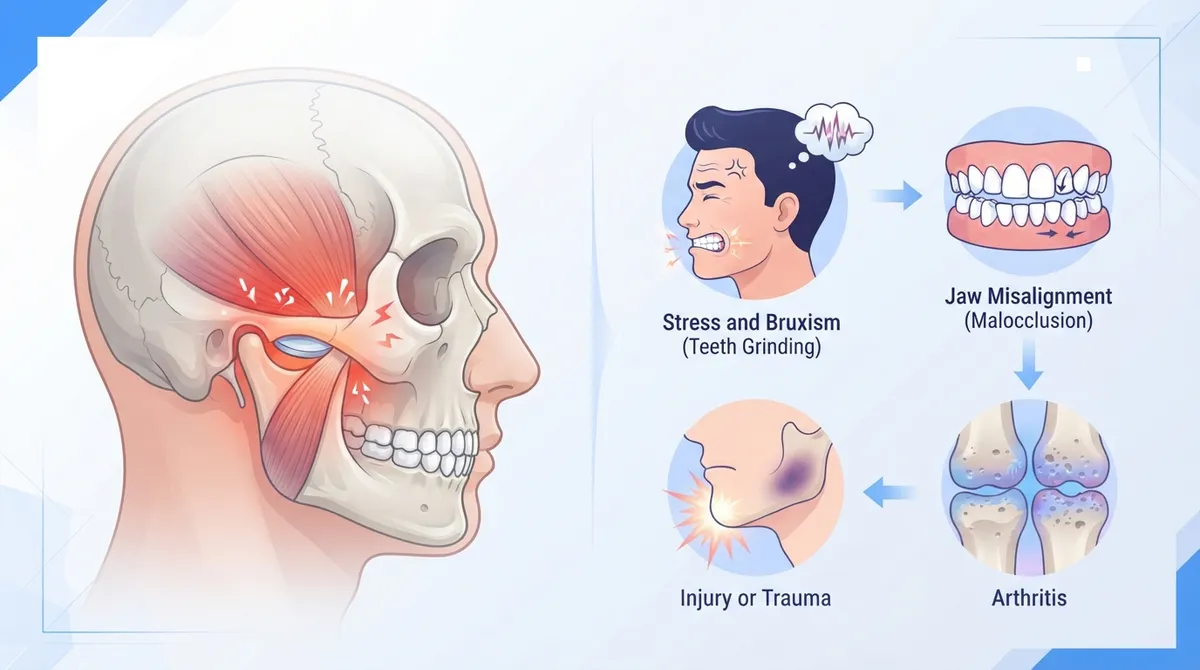
What Is TMJ Pain, and Why Does It Happen?
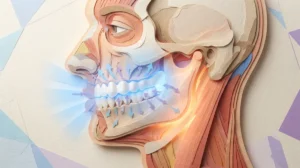
Your temporomandibular joints (TMJ) are the two small joints that connect your lower jaw to your skull. You have one on each side, right in front of your ears. They work like tiny hinges every time you talk, chew, or smile.
When these joints or the muscles around them get irritated, you may feel pain, stiffness, or popping. Dentists often call this a temporomandibular disorder, or TMD. You can read more about how the condition is defined in this overview from the National Institute of Dental and Craniofacial Research.
Common Causes of TMJ Pain
TMJ pain rarely has just one cause. Most of the time, a few things stack up together. Here are the most common triggers:
- Teeth grinding or clenching (bruxism): This puts huge pressure on the jaw, often during sleep.
- Stress and tension: Many of us tighten our jaw without noticing.
- A bite that does not line up well: Uneven contact between teeth can strain the joint.
- Past jaw injury: A blow to the face or whiplash can irritate the joint.
- Arthritis: Joint wear and tear can affect the jaw, too.
- Poor posture: Hunching over a phone or laptop can pull on neck and jaw muscles.
Knowing the cause helps your dentist choose the right treatment, which is why a proper exam matters so much.
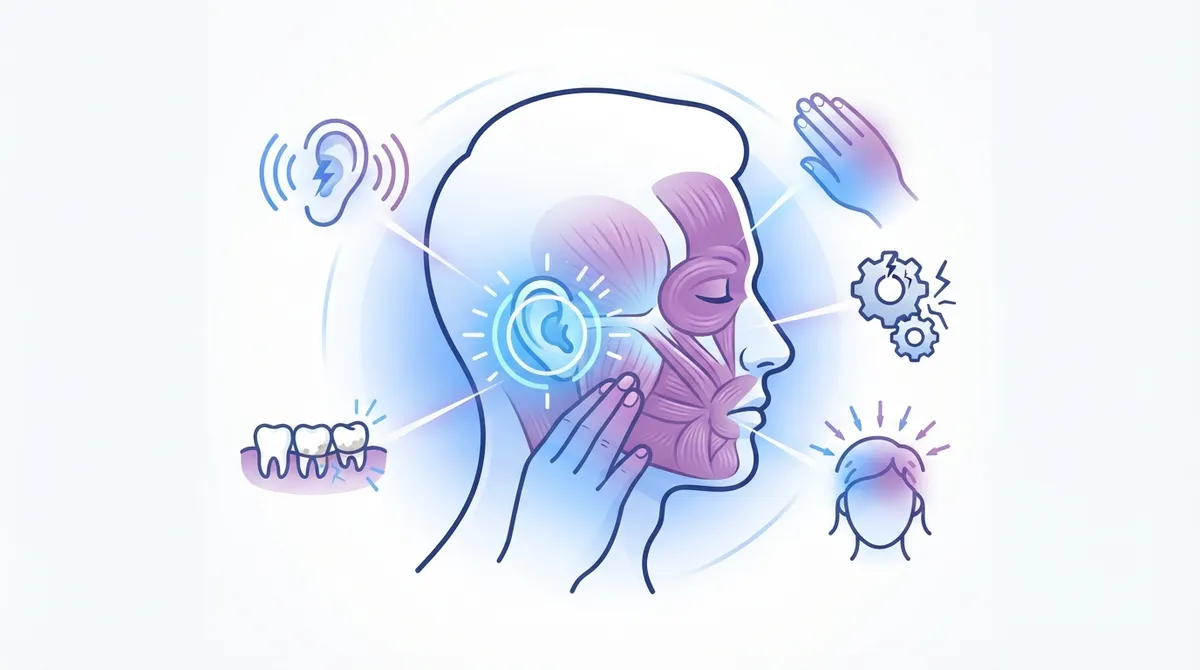
Common Signs You May Have a TMJ Disorder
TMJ symptoms can look different from person to person. Some folks only notice mild soreness, while others deal with daily pain. Watch for these signs:
- Jaw pain or tenderness, especially in the morning
- Clicking, popping, or grating sounds when you open or close your mouth
- Trouble opening your mouth wide
- Jaw that feels stuck or locked
- Headaches, earaches, or ringing in the ears
- Neck and shoulder tightness
- Worn, flat, or chipped teeth
If you notice a few of these, a visit to your dentist is a smart next step. Our post on sleep and your smile: understanding TMJ and bruxism explains how nighttime grinding often connects to jaw pain.
The Best Non-Surgical Treatments for TMJ Pain
Here is the encouraging part. Experts agree that most TMJ problems improve with simple, reversible care. Surgery is rarely the first step. Let’s look at the options that help the most.
1. Custom Night Guards and Oral Appliances
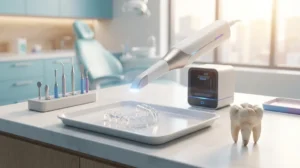
A custom-fitted night guard (also called an occlusal splint) is one of the most trusted treatments for TMJ pain. It is a soft or hard plastic cover that fits over your teeth, usually worn at night.
Why does it work? A night guard:
- Cushions your teeth from grinding and clenching
- Lets your jaw muscles relax
- Reduces strain on the joint
- Protects your enamel from damage
A guard made by your dentist fits much better than a store-bought one. A snug, comfortable fit means you will actually wear it, and that is half the battle!
2. Jaw Rest and Soft Foods
When your jaw is sore, give it a break. Think of it like resting a sprained ankle. Try these simple steps for a week or two:
- Eat soft foods like soup, yogurt, eggs, pasta, and smoothies.
- Cut food into small bites.
- Skip chewy or hard foods like gum, steak, bagels, and raw carrots.
- Avoid opening your mouth very wide when you yawn or take big bites.
- Stop chewing on pens, ice, or your fingernails.
These small changes can calm irritated muscles faster than you might expect.
3. Heat and Cold Therapy
This is a simple home remedy that really helps. Both heat and cold have their place:
- Cold packs: Use for 10 minutes when the jaw is swollen or newly sore. Wrap the pack in a thin towel first.
- Moist heat: Use a warm, damp washcloth for 10 to 15 minutes to loosen tight muscles.
Many patients like to alternate between the two. Do whichever feels best for you.
4. Gentle Jaw Exercises and Stretches
Gentle exercises can improve movement and ease stiffness. Always keep them slow and pain-free. If something hurts, stop and check with your dentist.
- Relaxed jaw position: Rest your tongue on the roof of your mouth, with teeth slightly apart and lips closed.
- Slow open and close: Open your mouth halfway, then close slowly. Repeat 5 to 10 times.
- Side-to-side glide: Move your jaw gently from left to right a few times.
- Chin tucks: Pull your chin straight back to loosen neck and jaw tension.
Doing these a few times each day can build comfort over time.
5. Stress Management
Stress and jaw pain go hand in hand. When life gets busy, many of us clench without knowing it. Finding ways to unwind can make a big difference. Try:
- Deep breathing for a few minutes each day
- Short walks or light exercise
- Yoga or gentle stretching
- A calming bedtime routine
- Checking in with yourself: “Is my jaw tight right now?”
A fun trick is the “lips together, teeth apart” rule. Whenever you remember, let your teeth rest slightly apart. It is a small habit with big benefits.
6. Over-the-Counter Pain Relief
Anti-inflammatory medicines like ibuprofen can ease short-term pain and swelling. These are meant for short use only. Always follow the label and check with your doctor or pharmacist if you have health conditions or take other medicines.
7. Bite Evaluation and Adjustment
Sometimes the way your teeth meet is part of the problem. A careful bite evaluation can show whether uneven contact is stressing your joint. Depending on what your dentist finds, treatment may include:
- Smoothing or reshaping a high spot on a tooth
- Replacing a worn or poorly fitting restoration
- Correcting alignment with orthodontic care
Your dentist will always keep changes as gentle and conservative as possible.
Treatments That Go a Step Further
If home care and a night guard are not enough, there are still non-surgical options to try before anyone talks about surgery.
Physical Therapy
A physical therapist who understands jaw problems can guide you through stretches, massage, and posture work. This can help restore smooth jaw movement and ease muscle tension.
Trigger Point Therapy and Massage
Tight knots in the jaw and neck muscles can refer pain to your face and head. Gentle massage and targeted therapy can release these knots and bring relief.
Botox for Jaw Muscle Tension
For some patients with severe clenching, small, carefully placed injections can relax overactive jaw muscles. This is usually considered when other treatments have not given enough relief. Your dentist can talk through whether it makes sense for you.
Treating the Root Cause
Sometimes the best way to ease TMJ pain is to treat what is behind it. That may mean managing sleep issues, addressing grinding, or restoring worn teeth. Dental Theory offers TMJ rehabilitation as part of our specialty care, focused on easing pain and protecting your smile for the long haul.
Quick Comparison of Non-Surgical TMJ Treatments
Here is an easy side-by-side look at the most common options:
| Treatment | Best For | How Fast It Helps | Where to Start |
|---|---|---|---|
| Custom night guard | Grinding and clenching | Days to a few weeks | Dentist |
| Soft foods and jaw rest | Flare-ups and soreness | Within days | At home |
| Heat and cold therapy | Muscle pain and swelling | Minutes to hours | At home |
| Jaw exercises | Stiffness and limited motion | A few weeks | Dentist or therapist |
| Stress management | Daytime clenching | Gradual | At home |
| Bite adjustment | Uneven bite | Varies | Dentist |
| Physical therapy | Ongoing muscle tension | Several weeks | Therapist |
| Botox | Severe muscle overactivity | 1 to 2 weeks | Provider referral |
Daily Habits That Protect Your Jaw
Treatment works best when paired with good daily habits. Here are a few easy ones to adopt:
- Watch your posture. Keep your screen at eye level and your shoulders relaxed.
- Sleep on your back or side. Stomach sleeping can twist your neck and strain the jaw.
- Limit caffeine. Too much can raise muscle tension and make grinding worse.
- Avoid gum chewing. It keeps your jaw working non-stop.
- Do not prop your jaw on your hand. It puts uneven pressure on the joint.
- Check in often. Notice if you are clenching, then gently relax.
Small habits really do add up. Think of them as daily deposits into your jaw comfort account!
When Should You See a Dentist About TMJ Pain?
Mild jaw soreness often settles with rest and home care. But do not wait too long if you notice any of these:
- Pain that lasts more than a couple of weeks
- Your jaw locks open or closed
- Trouble eating or opening your mouth
- Frequent headaches or earaches
- Worn, cracked, or loose teeth
- Pain that wakes you at night
Early care is the secret to avoiding bigger problems. A dentist can check your joints, muscles, and bite, then build a plan that fits you. If you are in the Brandon area, a visit with Dr. K can help you find the cause of your jaw pain and explore comfortable, non-surgical options. Dr. K focuses on adult and cosmetic dentistry, and he understands how much a calm, pain-free jaw matters to your daily life.
What to Expect at Your TMJ Visit
We know that walking into any dental office can feel a little nerve-racking. Here is what a typical TMJ evaluation looks like, so there are no surprises:
- A friendly conversation. We ask about your symptoms, habits, stress levels, and sleep.
- A gentle exam. We check your jaw movement, listen for clicking, and feel the muscles for tenderness.
- Bite and tooth review. We look for wear patterns that point to grinding.
- Digital imaging if needed. Our digital X-rays give a clear look at what is going on, with less radiation than older methods.
- A personalized plan. We explain your options in plain language and let you choose what feels right.
At Dental Theory, our goal is a stress-free, welcoming visit from start to finish. You can also see what our patients are saying and visit our Dental Theory location on Google to get a feel for our friendly team.
Can Dental Work Help With TMJ Pain?
Sometimes, yes. If worn or missing teeth are changing how your bite fits together, restoring them can ease joint strain. Options may include dental crowns to rebuild worn teeth, or other restorative care to bring balance back to your bite. Dental Theory offers same-day ceramic crowns, so you do not have to juggle multiple visits or wear a temporary for weeks.
Alignment matters too. If crooked teeth are part of the problem, clear aligners may help. Our Invisalign treatment can gently improve how your teeth meet, which may take pressure off your jaw over time.
Of course, not every TMJ case needs dental work. Your dentist will only recommend it if it truly helps your situation.
Is TMJ Pain Ever Permanent?
Here is some reassurance. For most people, TMJ pain is temporary and manageable. With the right care, many patients see big improvements within a few weeks to a few months. Others find that ongoing habits, like wearing a night guard and managing stress, keep symptoms away for good.
The key is to start early and stay consistent. Ignoring jaw pain can lead to worn teeth, chronic headaches, and tougher problems down the road. Taking action now protects your comfort and your smile.
Take the First Step Toward a Happier Jaw
TMJ pain can feel frustrating, but you have plenty of gentle options. From custom night guards and soft foods to stretches, stress relief, and bite care, most people find relief without any surgery at all. The best plan is one built around you, your habits, and your goals.
If jaw pain is getting in the way of your day, we would love to help. Our team at Dental Theory is here with a warm welcome and a calm, rejuvenating experience for every patient. When you are ready, contact Dental Theory to talk about your symptoms and find the relief you deserve. You can also schedule an appointment online in just a few clicks. Your jaw will thank you!
FAQs
Q: What is the fastest way to relieve TMJ pain at home?
A: Try moist heat or a cold pack on the sore side of your jaw for 10 minutes, switch to soft foods, and avoid wide yawning or chewing gum. Many people feel better within a few days. If the pain sticks around, it is a great idea to see a dentist.
Q: Do night guards really help with TMJ pain?
A: Yes, they often do! A custom night guard cushions your teeth and lets your jaw muscles relax while you sleep, which can ease clenching and grinding. A guard made by your dentist fits best and is much more comfortable than a store-bought one.
Q: Can TMJ pain go away on its own?
A: Mild TMJ pain sometimes fades with rest, soft foods, and stress relief. But if pain lasts more than a couple of weeks or keeps coming back, it is best to have a dentist take a look so the cause can be treated early.
Q: How long does it take for non-surgical TMJ treatment to work?
A: Every person is different, but many patients feel relief within a few days to a few weeks of starting care. More stubborn cases can take a couple of months, so staying consistent with your plan really pays off.
Q: When should I see a dentist for jaw pain?
A: Book a visit if your jaw locks, clicks painfully, or hurts for more than two weeks, or if you have frequent headaches or worn teeth. Getting help sooner usually means simpler, gentler treatment.
Our Service Area