Key Takeaways
-
A general dentist is your first and best choice for treating teeth grinding; they can diagnose the condition, create custom night guards, and repair damaged teeth in one trusted location.
-
Custom night guards are the most effective treatment for teeth grinding, protecting your teeth from damage by providing a comfortable barrier that prevents tooth-on-tooth contact during sleep.
-
Watch for warning signs like morning jaw pain, headaches, flat or chipped teeth, and tooth sensitivity; seeing a dentist early prevents costly damage like cracked teeth and loose fillings.
-
Untreated grinding can lead to serious complications including cracked teeth, worn enamel, chronic jaw pain, TMJ problems, and ongoing headaches that impact sleep quality.
-
A local dentist allows for ongoing monitoring and adjustments to your night guard, family-wide care, and quick follow-ups if jaw pain or fitting issues develop.
-
Damaged teeth from grinding can be restored same-day with ceramic crowns, bonding, or veneers, avoiding temporary solutions and multiple appointments.
If you wake up with a sore jaw, a dull headache, or teeth that feel flat and worn, you may be asking, “What dentist treats teeth grinding near me?” You are not alone. Teeth grinding, also called bruxism, affects millions of adults and children. Most people do it in their sleep and never know it.
The good news is that help is close by. In most cases, a general dentist is the first and best person to see. They can spot the signs, protect your teeth, and ease your pain. This guide explains who treats teeth grinding, what the visit looks like, and how families in Brandon, FL can get relief in 2026.
We will keep it simple and friendly. By the end, you will know exactly where to turn and what to expect.

What Is Teeth Grinding (Bruxism)?
Teeth grinding is when you clench your jaw or grind your teeth together. It can happen at night, during the day, or both. Most people do not notice it until a loved one hears the grinding or a dentist sees the damage.
There are two main types:
- Sleep bruxism: Grinding or clenching while you sleep. This is the most common type.
- Awake bruxism: Clenching your jaw during the day, often tied to stress, focus, or habit.
Stress, anxiety, a misaligned bite, and poor sleep can all play a role. Some people also grind more after caffeine or alcohol. If you want to dig deeper into the why, our guide on teeth grinding causes and cures breaks it down in plain language.

So, What Dentist Treats Teeth Grinding Near Me?
Here is the short answer. A general dentist is the main dentist who treats teeth grinding. They check your teeth, jaw, and bite, then build a plan to protect your smile and calm the grinding.
Depending on your needs, other dental team members may help too. This table shows who does what.
| Type of Dentist | How They Help With Teeth Grinding | Best For |
|---|---|---|
| General Dentist | Diagnoses grinding, makes custom night guards, repairs worn teeth, checks your bite | Most adults and families |
| Pediatric Dentist | Checks for grinding in kids, monitors growing teeth, guides parents on next steps | Infants, children, and teens |
| Cosmetic Dentist | Restores worn, chipped, or flattened teeth with bonding, veneers, or crowns | Adults with visible tooth damage |
| Orthodontist | Corrects bite problems that may add to grinding | Patients with crooked or misaligned teeth |
For most people, the easiest path is one trusted dental office that can handle the exam, the treatment, and the repairs. That is where general dentistry shines. Your family dentist knows your history and can catch changes early.
Signs You May Need to See a Dentist for Grinding
Many people grind without knowing. Watch for these common clues:
- Jaw pain or tightness, especially in the morning
- Headaches near your temples
- Teeth that look flat, chipped, or worn down
- Teeth that feel sensitive to hot or cold
- A clicking or popping jaw
- Sore cheeks or a chewed-looking inside cheek
- A partner who hears grinding at night
- Poor or broken sleep
If two or more of these sound familiar, it is time to book a visit. Ignoring grinding does not make it go away. Over time, it can crack teeth, loosen fillings, and strain your jaw joint.
What Happens at a Teeth Grinding Appointment?
Many people feel nervous before a visit. Let us walk through it so there are no surprises. At Dental Theory, we aim to keep every visit calm, friendly, and stress-free.
- A friendly chat. We ask about your symptoms, sleep, stress, and habits. Be honest. There is no judgment here.
- A full mouth exam. We look for flat spots, chips, cracks, and worn enamel. We also check your gums and bite.
- A jaw check. We gently feel your jaw muscles and joint for tenderness, clicking, or tightness.
- Digital X-rays if needed. Images help us see hidden damage and check how your jaw is doing. Learn more about digital X-rays and how they keep exams quick and precise.
- A personal plan. We explain what we found and walk through your options in simple terms.
A comprehensive exam is often the first step. It gives your dentist the full picture of your oral health.
How Dentists Treat Teeth Grinding
The goal of treatment is simple: protect your teeth, relax your jaw, and reduce the habit when possible. Dentists cannot always stop the grinding itself, but they can stop the damage.
Custom Night Guards
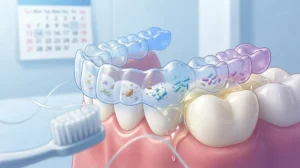
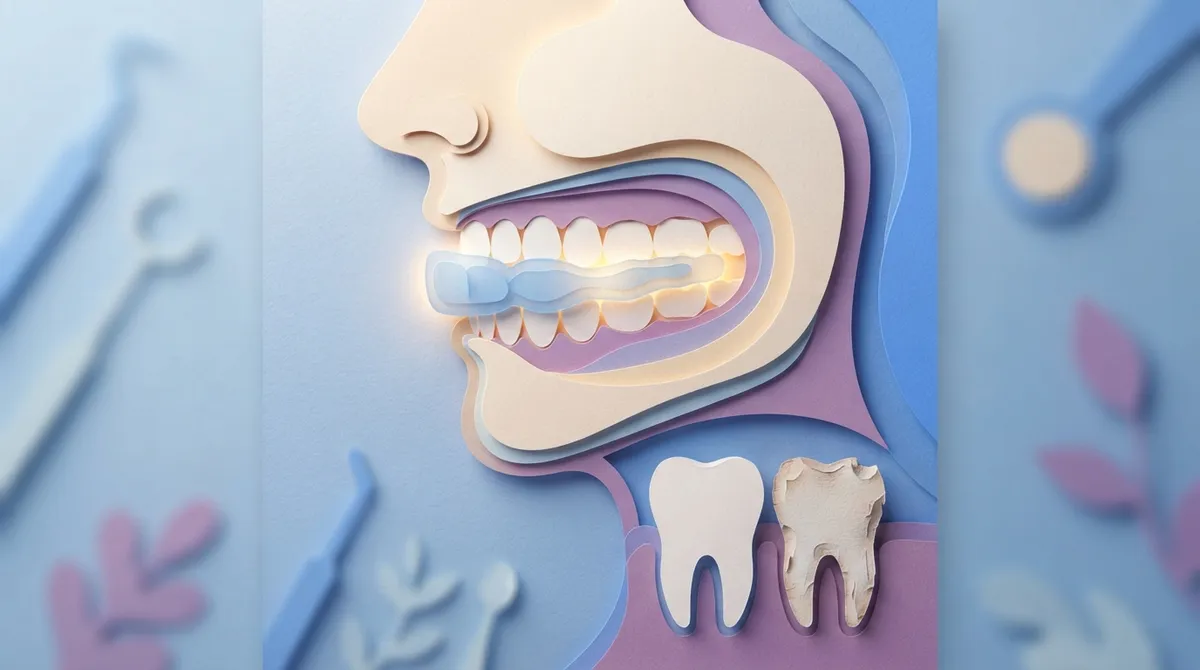
A night guard is the most common treatment. It is a thin, custom-fit cover that sits over your teeth while you sleep. Instead of teeth grinding on teeth, they grind on the guard. Store-bought guards can feel bulky and may not fit well. A custom guard fits snugly and is far more comfortable.
Bite Adjustments and Orthodontics
If a crooked or uneven bite adds to the problem, your dentist may suggest ways to balance it. Some adults choose clear aligners to improve their bite and smile together. Dr. K offers Invisalign and is a Gold+ provider. You can see Dr. K’s Gold+ Invisalign Profile to learn more about his experience.
Jaw and TMJ Support
Long-term grinding can strain the jaw joint, known as the TMJ. If you have jaw pain, clicking, or trouble opening wide, ask about TMJ rehabilitation. Our article on sleep and your smile: understanding TMJ and bruxism explains how these issues connect.
Stress and Habit Tips
Your dentist may also share simple ways to ease clenching at home:
- Cut back on caffeine, especially late in the day
- Avoid chewing gum, pens, or ice
- Try gentle jaw stretches and warm compresses
- Build a calming bedtime routine
- Notice when you clench and let your jaw relax
Repairing Teeth Damaged by Grinding
Sometimes grinding has already left its mark. The good news is that worn or cracked teeth can often be restored.
Dr. K, our adult and cosmetic dentist, helps patients rebuild damaged teeth so they look and feel strong again. Options may include:
- Bonding: Tooth-colored material to fix small chips and rebuild edges.
- Veneers: Thin shells that cover worn or uneven teeth. Explore veneers, crowns, and bridges for more details.
- Ceramic crowns: Strong caps that protect cracked or heavily worn teeth.
Here is a bonus. Dental Theory offers same-day ceramic crowns. That means you can walk in with a damaged tooth and leave with a finished crown in one visit. No waiting weeks with a temporary, and no second appointment. Our guide on what same-day crowns are and how they work shows the full process.
If a crown is part of your future, you may also like our article on who needs a dental crown.
Does Your Child Grind Their Teeth?
Parents, this one is for you. Many kids grind their teeth, especially during sleep. It is quite common and often fades as they grow. Still, it is worth a check-up.
Dr. Pri, our board-certified pediatric dentist, can look at your child’s teeth and bite and tell you if the grinding is normal or needs attention. She makes visits gentle and fun. Parents often ask when to worry. Here are a few signs:
- Your child grinds loudly most nights
- They complain of jaw pain or headaches
- Their baby or adult teeth look worn
- They wake up tired or cranky
For anxious little ones, Dr. Pri also offers in-office sedation options so dental care stays calm and comfortable. Learn more on our pediatric dentistry page, or read our tips on stress-free dental care for children.
Why Choose a Local Brandon Dentist for Teeth Grinding?
Grinding is not a one-and-done problem. Night guards need fitting, checking, and sometimes adjusting. Teeth need regular monitoring. That is why a nearby, trusted office makes a real difference.
Here is what a local dental home gives you:
- Quick follow-ups if your guard feels tight or your jaw hurts
- Care for the whole family under one roof
- A dentist who knows your history and notices changes early
- Easy scheduling that fits your busy week
Dental Theory is a family-focused practice in Brandon, FL. Our team treats patients of all ages with a warm, rejuvenating approach and the latest dental technology. Want to see what neighbors say? You can read Dental Theory reviews on Google or visit us on Facebook.
How to Pick the Right Dentist for Teeth Grinding
Not sure who to book with? Keep this quick checklist in mind:
- They offer custom night guards. A good fit matters for comfort and results.
- They check your jaw, not just your teeth. Grinding affects muscles and joints too.
- They can repair damage. Look for a team that handles bonding, veneers, and crowns.
- They treat your whole family. Grinding often runs in families.
- They make you feel at ease. A calm, friendly visit helps you come back.
- They take your insurance. Check our insurance plans page to see what we accept.
Our guide on what to expect at your first dentist consultation can help you feel prepared.
What Happens If You Do Not Treat Teeth Grinding?
Putting it off can cost you more later. Untreated grinding can lead to:
- Cracked or broken teeth
- Worn enamel and extra sensitivity
- Loose or damaged fillings and crowns
- Chronic jaw pain and TMJ trouble
- Ongoing headaches and poor sleep
If a crown ever comes loose from heavy grinding, do not panic. Our article on what to do when a crown falls off walks you through the next steps. And if you ever crack a tooth, our dental emergency treatment team is here to help.
Ready to Stop Grinding and Protect Your Smile?
You do not have to live with morning jaw pain or worry about wearing down your teeth. A simple visit can give you answers, and a custom plan can bring real relief.
At Dental Theory in Brandon, FL, we help adults and children protect their smiles with gentle, modern care. Whether you need an exam, a night guard, or a same-day crown to repair damage, we are here for you. When you are ready, contact Dental Theory to get started, or schedule an appointment online in just a few clicks. Your best night’s sleep and healthiest smile may be closer than you think.
FAQs
Q: What kind of dentist treats teeth grinding?
A: A general dentist is the main provider who treats teeth grinding. They check your teeth and jaw, fit you for a custom night guard, and repair any damage. Pediatric and cosmetic dentists can help too, depending on your age and needs.
Q: Can a dentist stop me from grinding my teeth?
A: A dentist can’t always stop the grinding itself, but they can stop the damage it causes. A custom night guard protects your teeth while you sleep, and tips for managing stress and jaw tension can help ease the habit over time.
Q: How do I know if I grind my teeth at night?
A: Common clues include morning jaw soreness, headaches, flat or chipped teeth, and sensitive teeth. A partner may also hear grinding sounds. If any of this sounds familiar, a quick dental exam can confirm it.
Q: Is teeth grinding common in children?
A: Yes, many kids grind their teeth, especially at night, and most outgrow it. It’s still smart to have a pediatric dentist take a look if your child has jaw pain, worn teeth, or loud grinding most nights.
Q: Can teeth damaged by grinding be fixed?
A: Yes! Worn, chipped, or cracked teeth can often be restored with bonding, veneers, or ceramic crowns. At Dental Theory, same-day ceramic crowns can fix a damaged tooth in just one visit.
Our Service Area