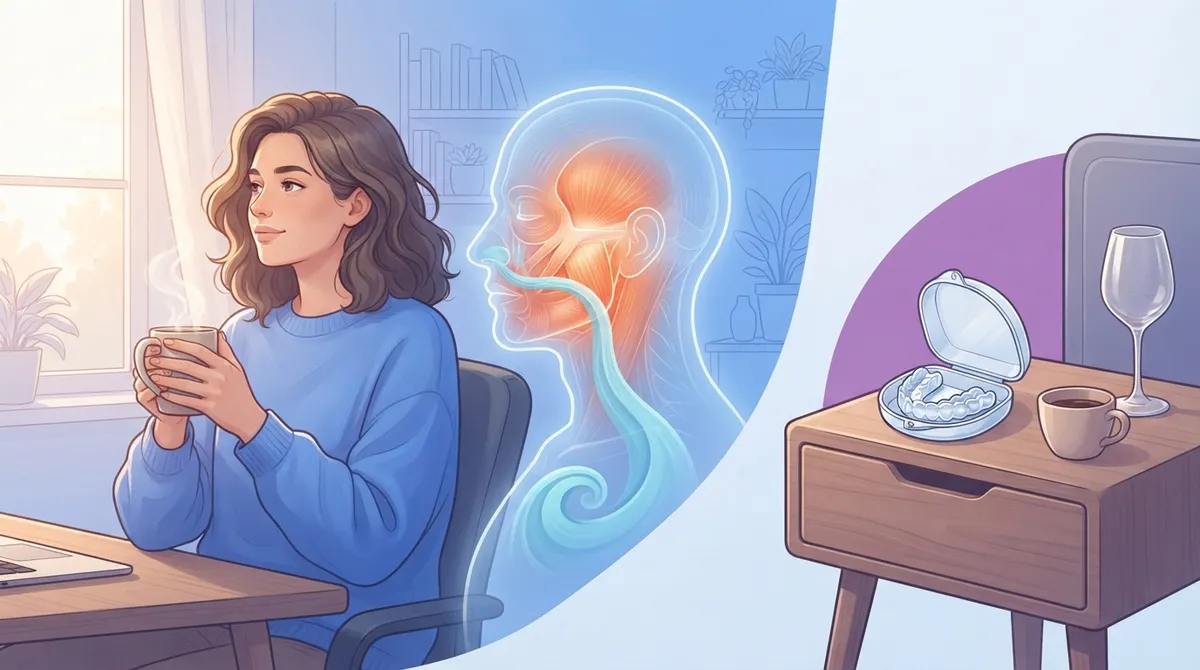
Key Takeaways
-
Stress triggers the body's fight-or-flight response, tightening jaw muscles, and clenching often happens unnoticed while driving, working, or sleeping.
-
Check in with your jaw several times a day: teeth should rest apart, with lips closed and tongue relaxed.
-
Early signs like a sore jaw, morning headaches, sensitive teeth, or jaw clicking should prompt a dental exam, since clenching can crack teeth and strain the jaw joint.
-
A custom night guard protects teeth, but treating the underlying stress with breathing breaks, movement, and cutting back on caffeine and alcohol addresses the root cause.
Picture this: it’s the end of a long day. You’ve dealt with traffic, a packed inbox, and a kid who forgot their science project. Then you notice it. Your jaw is tight, your teeth are pressed together, and your face feels sore. So, is my stress causing my jaw clenching? For many people in Brandon and beyond, the answer is yes.
Stress is one of the biggest triggers for clenching and grinding. Dentists call this habit bruxism. The tricky part is that most people don’t even know they’re doing it. You might clench while you drive, answer emails, or sleep through the night.
The good news? You’re not alone, and you can fix it. In this guide, we’ll walk through how stress affects your jaw, the common mistakes that make clenching worse, and simple steps to protect your smile. Let’s dive in together.
How Stress and Jaw Clenching Are Connected
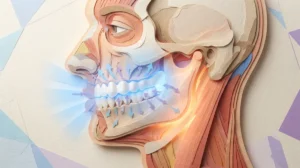
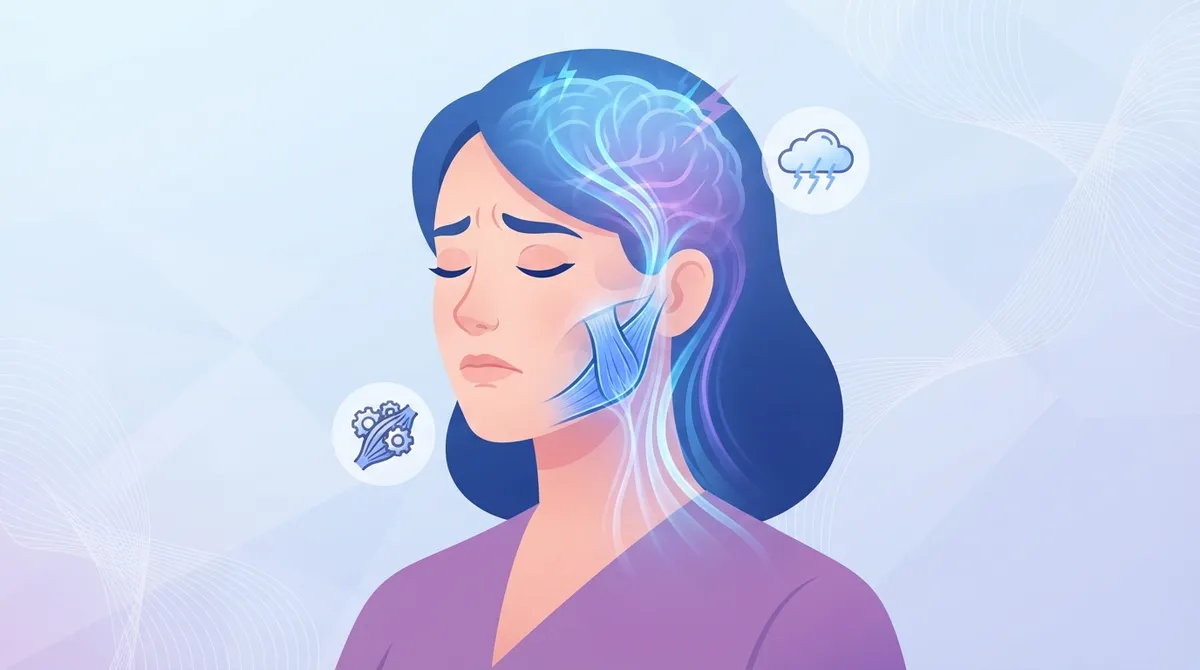
When you feel stressed, your body goes into “fight or flight” mode. Your muscles tighten up, and your jaw is one of the first places to feel it. Think of it like a tense shoulder, but in your face.
So is my stress causing my jaw clenching? Very often, yes. Stress hormones like cortisol keep your muscles on high alert. Your jaw muscles are strong, and they can press down with a lot of force when you’re tense.
Many people clench in two different ways:
- Awake clenching: You press your teeth together during the day without noticing, often while focused or worried.
- Sleep clenching: You grind or clench at night while your body is supposed to be resting.
Both types can wear down teeth and strain your jaw joint over time. If you want to learn more about the sleep side of this habit, check out our guide on sleep and your smile: understanding TMJ and bruxism.
Signs Your Stress Is Causing Jaw Clenching
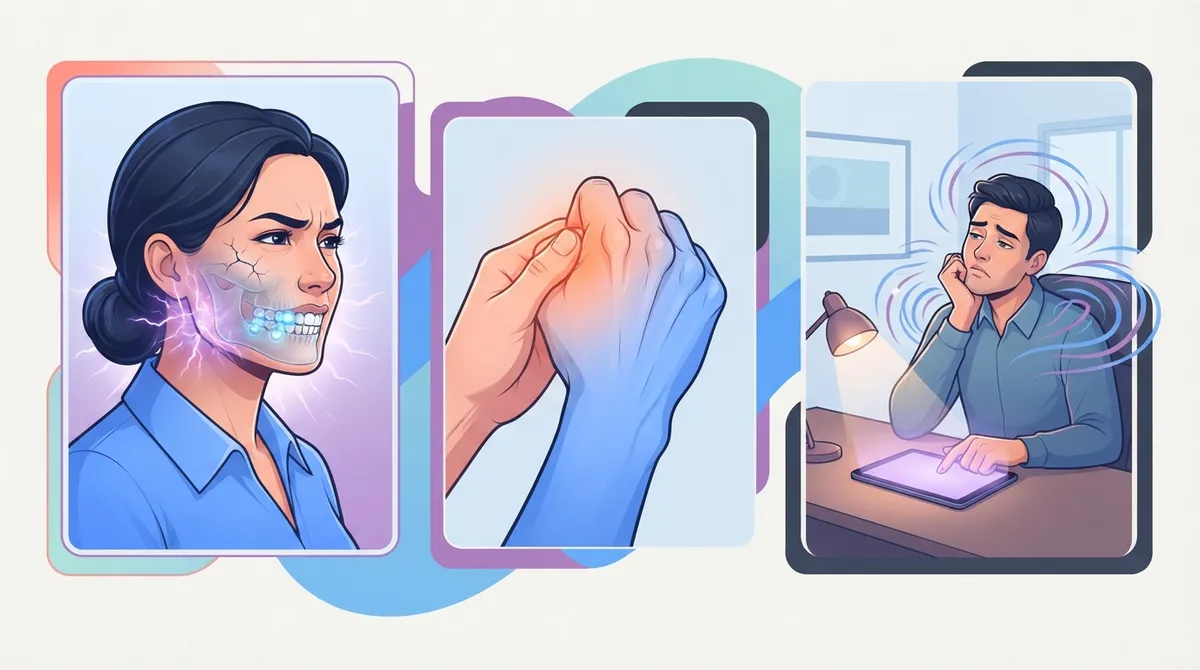
Not sure if you’re a clencher? Your body usually leaves clues. Here are some common signs to look for:
- A sore or tired jaw, especially in the morning
- Headaches near your temples
- Flat, chipped, or worn-down teeth
- Tooth sensitivity to hot or cold
- Clicking or popping when you open your mouth
- Tight muscles in your face or neck
- A partner who hears grinding at night
If several of these sound familiar, stress may be playing a big role. A dental exam can confirm it. Your dentist can spot wear patterns that you can’t see yourself.
7 Stress and Jaw Clenching Mistakes to Avoid
Now let’s get to the part that can save your teeth. These are the most common mistakes people make when stress and clenching team up.
1. Ignoring the Early Warning Signs
A sore jaw or morning headache may seem small. But these are your body’s way of waving a red flag. When you brush them off, the damage keeps building quietly.
2. Blaming Only Your Teeth
Many people think a toothache means a cavity. Sometimes, though, the real cause is clenching. Stress can make teeth feel sore even when there’s no decay. A proper exam helps sort out the true cause.
3. Skipping the Dentist Because It “Isn’t Serious”
Clenching doesn’t always hurt at first. But over time, it can crack teeth and wear down enamel. Regular checkups help catch problems early, and our general dentistry team can look for signs of grinding during your visit.
4. Chewing Gum All Day to “Relax”
It might feel soothing, but constant gum chewing keeps your jaw muscles working. That extra strain can make clenching and soreness worse. Give your jaw a break instead.
5. Relying on Caffeine and Alcohol to Cope
A strong coffee or an evening drink may seem like a stress fix. But both can make grinding worse, especially at night. Try cutting back in the afternoon and evening to see if your jaw feels better.
6. Buying a Store-Bought Night Guard and Calling It Done
Drugstore guards can be bulky and may not fit well. A poor fit can even strain your bite. A custom guard made for your mouth is more comfortable and protective. You can read more about this in our post on nightguard mistakes that make bruxism worse.
7. Treating the Teeth but Not the Stress
This one is big. A night guard protects your teeth, but it doesn’t remove the stress that started the habit. The best plan tackles both the symptoms and the source.
Why Clenching Matters for Your Dental Health
You might wonder if a little clenching is really a big deal. Over months and years, it can add up. Here’s what unchecked clenching can do:
| Problem | What Happens | Why It Matters |
|---|---|---|
| Worn enamel | Teeth look flat or short | Increases sensitivity and cavity risk |
| Cracked or chipped teeth | Small breaks form from pressure | May need repair or a crown |
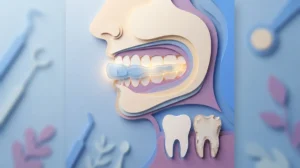
| Jaw joint strain (TMJ) | Pain, clicking, or locking | Can make chewing uncomfortable |
| Gum recession | Gums pull back from teeth | Exposes tooth roots |
| Frequent headaches | Tension builds in jaw and temples | Affects daily comfort and sleep |
If a tooth has already been damaged, the right fix depends on how serious it is. Adults with cracked or worn teeth may need a restoration. At Dental Theory, Dr. K offers same-day crowns, so you can repair a damaged tooth in one visit instead of making multiple trips.
Simple Ways to Ease Stress-Related Clenching
Good news! There are plenty of small, doable habits that can help. You don’t have to change your whole life overnight. Try a few of these:
- Check in with your jaw. Several times a day, ask yourself, “Are my teeth touching?” Your teeth should rest apart, with your lips closed and your tongue relaxed.
- Take short stress breaks. Even two minutes of slow, deep breathing can calm your muscles.
- Use a warm compress. Placing a warm, damp cloth on your jaw for a few minutes can ease tight muscles.
- Move your body. A walk, stretch, or light workout helps release built-up tension.
- Build a calming bedtime routine. Turn off screens, dim the lights, and wind down before sleep.
- Talk to your dentist. A custom night guard and a bite check can protect your teeth while you work on stress.
These steps work best together. Small daily habits can make a real difference in how your jaw feels.
When Jaw Clenching Turns Into a Bigger Problem
Sometimes clenching leads to jaw joint trouble. If you notice lasting pain, trouble opening your mouth, or a jaw that locks, it’s time to get checked. These can be signs of a TMJ disorder.
Dental Theory offers TMJ rehabilitation to help ease jaw pain and restore comfort. Early care often means simpler treatment, so don’t wait until the pain gets worse.
What Happens at a Dental Visit for Clenching
Not sure what to expect? A visit is simple and stress-free. Here’s what usually happens:
- Your dentist asks about your symptoms, sleep, and stress levels.
- They look for wear, chips, and cracks on your teeth.
- They check your jaw joint and muscles for tenderness.
- They may use digital X-rays to see what’s happening below the surface.
- Together, you build a plan, which may include a custom night guard.
It’s all about finding what works for you, in a calm and friendly setting.
Why Local Care Makes a Difference
Stress doesn’t clock out, and neither does clenching. Having a trusted dentist close by makes it easier to catch problems early. Dental Theory is a family-focused practice in Brandon that cares for adults and kids alike. We want every visit to feel relaxing, not stressful, because a calm visit is the perfect place to start easing tension.
Curious what other patients think? You can see what our neighbors say when you visit us on Google — Dental Theory. You can also visit us on Facebook to get to know our team and community.
What About Kids Who Clench or Grind?
Parents, this one’s for you. Kids can grind their teeth too, often because of school stress, big changes, or growing teeth. Many children outgrow it. Still, it’s smart to mention it at their next visit.
Our board-certified pediatric dentist, Dr. Pri, can check your child’s teeth and bite and offer gentle guidance. If your little one feels anxious about dental care, we also offer sedation dentistry options to keep things calm and comfortable.
Take the Next Step Toward a Relaxed Jaw
So, is my stress causing my jaw clenching? If your jaw feels tight, your teeth feel sore, or you wake up with headaches, stress is a likely suspect. The sooner you find out, the sooner you can protect your teeth and feel better.
Remember the big takeaways: don’t ignore early signs, get a custom guard instead of guessing, and treat the stress along with the symptoms. You deserve a smile and a jaw that feel good every day.
Ready to find out what’s going on? Our friendly team is here to help. Contact Dental Theory today, or schedule an appointment to get started. We can’t wait to help you unclench and smile with confidence in 2026!
FAQs
Q: Is my stress causing my jaw clenching?
A: Quite possibly! Stress tightens your muscles, and your jaw is one of the first places to feel it. If you have a sore jaw, morning headaches, or worn teeth, stress could be the cause. A dental exam can help confirm it.
Q: How do I know if I clench my jaw while I sleep?
A: Common clues include waking up with a sore jaw, headaches, or tooth sensitivity. A partner may also hear grinding sounds at night. Your dentist can look for wear patterns on your teeth to be sure.
Q: Can jaw clenching damage my teeth?
A: Yes, it can. Over time, clenching can wear down enamel, chip or crack teeth, and strain your jaw joint. The earlier you catch it, the easier it is to protect your smile.
Q: What helps stop stress-related jaw clenching?
A: A mix of habits works best. Try relaxing your jaw during the day, taking breaks to breathe, cutting back on caffeine, and using a custom night guard. Your dentist can help you build a plan that fits you.
Q: When should I see a dentist about jaw clenching?
A: See your dentist if you have jaw pain that lasts, clicking or locking, or sore and cracked teeth. Don’t wait for it to get worse. Early care usually means simpler and more comfortable treatment.
Our Service Area