Key Takeaways
-
Invisalign works very well for mild to moderate crowding, gaps, and some bite issues, but results depend heavily on the patient's case and habits.
-
Wearing aligners about 22 hours a day is the biggest factor in results; removing them only to eat, drink anything besides water, and clean teeth keeps treatment on track.
-
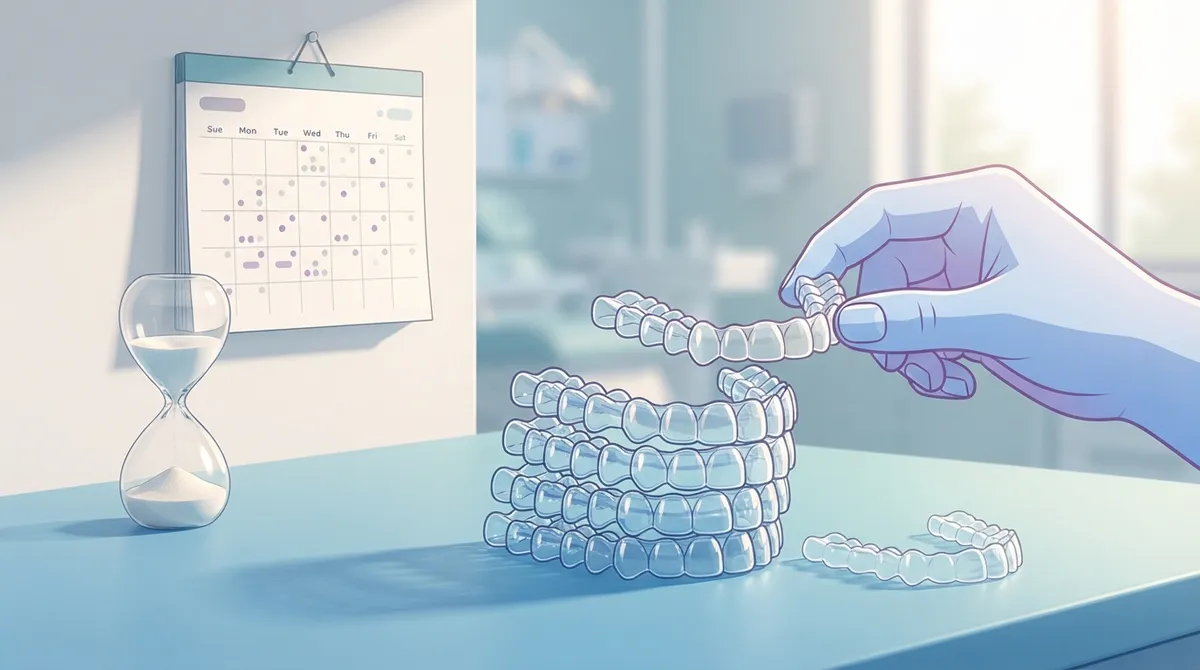
Switch to each new tray on schedule rather than early, since rushing can cause tight, poor-fitting trays and does not speed up treatment.
-
Complex movements like rotated teeth or vertical tooth movement are harder for aligners, so a skilled provider's plan and honest expectations matter.
-
Wear a retainer after your last tray, because teeth naturally drift back and skipping it is a common reason smiles shift over time.
-
Most people notice small changes within a few weeks, while full treatment often takes several months to a year or more depending on case complexity.
Thinking about straighter teeth but wondering if clear aligners really work? You are not alone. Many people in Brandon ask the same thing before they commit. They want to know if Invisalign is just a popular trend or a treatment that truly delivers.
Here is the good news. When patients wear their trays as directed, Invisalign effectiveness is strong for many common problems, like mild to moderate crowding, gaps, and some bite issues. It is not magic, though. Results depend on your case, your habits, and the dentist guiding you.
In this friendly guide, we will walk through what Invisalign can fix, what can limit it, and how to get the best result in 2026. We will keep things simple and honest. By the end, you will know whether clear aligners may be a good fit for your smile.
How Invisalign Works to Straighten Teeth
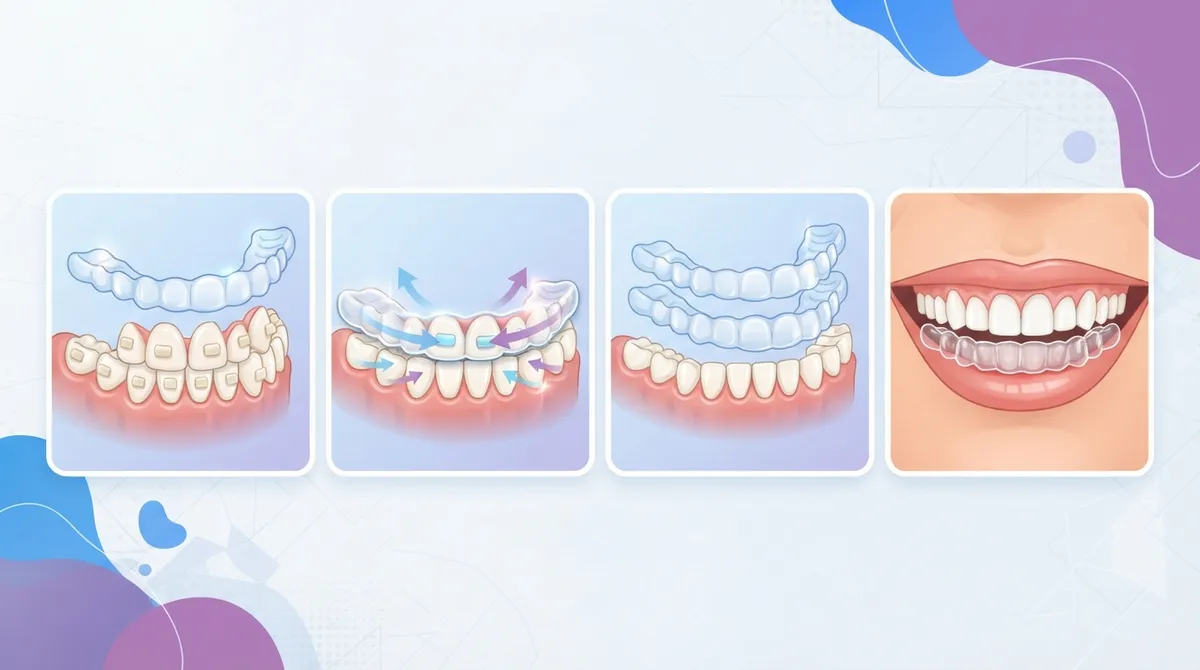
Invisalign uses a series of clear, custom-made trays. Each tray is shaped to move your teeth a tiny bit. You switch to a new tray every one to two weeks, and your teeth shift step by step.
Your dentist starts with a digital scan of your teeth. That scan helps map out your whole treatment plan before you ever wear a tray. You can even preview how your smile is expected to move.
Small tooth-colored bumps, called attachments, are often added to certain teeth. These give the trays something to grip so they can guide harder movements. If you are curious, our guide on what Invisalign attachments are and how they work explains them well.
For a deeper look at the science, you can also read how Invisalign works to straighten teeth without braces.
How Effective Is Invisalign, Really?
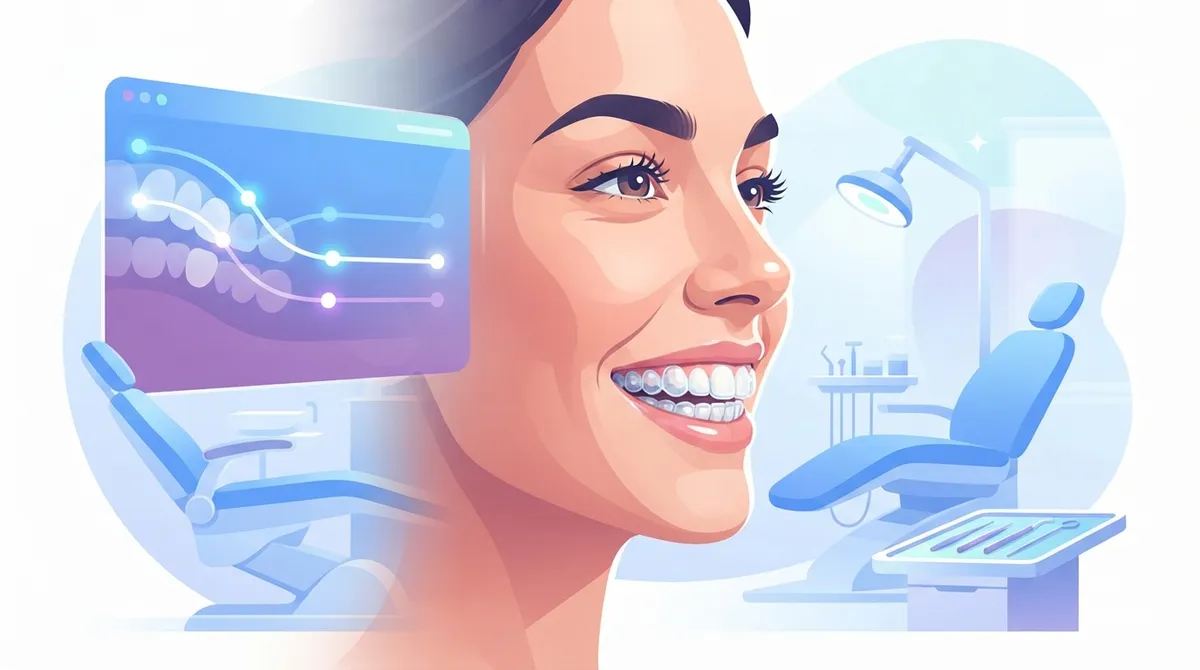
Let’s talk about the big question. How well does it work? For the right patient, Invisalign effectiveness is very good. Research and clinical experience show that clear aligners can handle many everyday alignment problems with predictable results.
That said, no treatment is perfect for every mouth. Some movements, like turning a very rotated tooth or moving teeth up or down, are harder for aligners. A skilled provider plans around these limits and tells you what to expect up front.
The most important truth is simple. The tray only works when it is in your mouth. Patients who wear their aligners about 22 hours a day tend to stay on track and finish on time.
You can read more about real-world outcomes in our post on Invisalign success rate and what Brandon patients should know.
What Invisalign Can Fix
Clear aligners are more capable than many people think. Here are common problems they treat well:
- Mild to moderate crowding: Teeth that overlap or feel squeezed together.
- Gaps between teeth: Small to medium spaces that make you self-conscious.
- Overbite, underbite, and crossbite: Many bite issues can improve with the right plan.
- Relapse after old braces: Teeth that drifted back over the years.
Even more complex cases can sometimes work. If you worry about tight spacing, take a look at 11 things to know about whether Invisalign can fix severe crowding.
Invisalign Effectiveness by Case Type
Different problems respond differently to aligners. This simple table shows a general picture. Your own results depend on your exam and treatment plan.
| Dental Concern | Typical Response to Invisalign | Notes |
|---|---|---|
| Mild crowding | Very good | Often one of the easiest cases to treat |
| Small to medium gaps | Very good | Gaps often close predictably |
| Mild to moderate bite issues | Good | May need attachments or elastics |
| Severe crowding | Varies | Needs careful planning and an exam |
| Major jaw problems | Limited | May need other care first |
What Affects Your Results
Several things shape how well your treatment goes. The good part is that many of them are in your control.
Wear Time
This is the biggest factor. Aligners should stay in about 22 hours each day. You only take them out to eat, drink anything besides plain water, and clean your teeth. If you skip too much, treatment slows down. See 3 things that happen if you do not wear Invisalign to understand why consistency matters.
Following the Tray Schedule
Switching trays on time keeps your teeth moving as planned. Rushing to change early will not make things faster. It can actually cause tight, poor-fitting trays. Learn more in how to know how often to change Invisalign trays.
Your Provider’s Experience
A well-planned case makes a big difference. In Brandon, Dr. K at Dental Theory is a Gold+ Invisalign provider, and you can see Dr. K’s Gold+ Invisalign profile for details. Dr. Chris Karapasha has also been recognized as one of America’s Top Young Dentists in Incisal Edge magazine’s 2025 40 Under 40. Experience helps with planning tricky movements.
Your Age and Habits
Adults and teens can both do well with clear aligners. Habits like snacking, forgetting trays, or skipping check-ups can slow things down. If you are an adult considering treatment, check out Invisalign for adults and professional straightening in Brandon.
Your Treatment Journey Step by Step
Knowing what to expect can make the whole thing feel easier. Here is how treatment usually goes:
- Consultation and exam: Your dentist checks your teeth, gums, and bite to see if you are a good candidate.
- Digital scan: A quick scan replaces messy molds and creates your custom plan.
- Plan review: You see how your teeth are expected to move and about how long it may take.
- Wearing your trays: You switch aligners on schedule and wear them nearly all day.
- Check-ins: Your dentist monitors progress and makes adjustments if needed.
- Retainer phase: After your last tray, a retainer helps keep your new smile in place.
Want the full picture? Our Invisalign treatment process step-by-step guide covers every stage in detail.
How Long Until You See Results?
Most people notice small changes within the first few weeks. Bigger shifts show up over the following months. Total treatment time often ranges from several months to about a year or more, depending on how complex your case is.
Patience pays off here. Straightening teeth safely means moving them slowly so the bone and gums can adjust. Curious about timing? Read when you will actually see Invisalign results and 4 key facts on how long Invisalign takes.
Invisalign vs. Braces: Which Works Better?
Both can create a beautiful, healthy smile. The better choice depends on your goals and your case. Clear aligners are removable, nearly invisible, and easier to clean around. Braces can be better for certain complex movements.
| Feature | Invisalign | Traditional Braces |
|---|---|---|
| Appearance | Nearly invisible | Visible brackets and wires |
| Removable | Yes | No |
| Eating restrictions | Few (remove trays to eat) | Some foods to avoid |
| Cleaning | Brush and floss normally | Harder around hardware |
| Best for | Mild to moderate cases | Wider range of cases |
Still deciding? Our guides on how to choose between Invisalign and traditional braces and Invisalign aligners vs. braces in 2026 can help you compare.
Tips to Boost Your Invisalign Results
Want to get the most from your treatment? Try these simple habits:
- Wear your trays about 22 hours a day, every day.
- Take them out only to eat, drink anything other than water, and brush.
- Brush your teeth before putting trays back in to protect against cavities.
- Keep a case with you so trays never get wrapped in a napkin and thrown away.
- Attend every check-up so small issues are caught early.
Good hygiene matters, too. Learn the right way in how to brush your teeth with Invisalign and how to clean Invisalign for a fresh smile.
Do Not Skip the Retainer
Finishing your last tray is exciting, but it is not the end. Teeth naturally want to drift back. A retainer holds your new smile steady so your hard work lasts.
Skipping it is one of the most common reasons smiles shift over time. If you want to understand the timeline, see how fast teeth shift without a retainer and whether you need to wear a retainer forever after Invisalign.
Cost and Value in 2026
Many people also ask whether the investment is worth it. Straight teeth can make cleaning easier, improve your bite, and boost your confidence. Costs vary based on how complex your case is.
Dental Theory offers payment options, and insurance may help with part of the cost. To plan ahead, read Invisalign cost in 2026 and what Brandon patients pay and Invisalign insurance coverage. You can also see how 9 reasons Invisalign is worth it in 2026 stack up.
Why Choose Dental Theory for Invisalign in Brandon
Dental Theory is a family-focused practice in Brandon, FL, built around a calm, friendly experience. Our team uses modern technology to plan your smile with care. Dr. K leads our adult and cosmetic care, including Invisalign treatment, so you get a plan made for you.
We believe the best results come from clear communication and a plan you feel good about. If you want to see how others feel, you can visit us on Google — Dental Theory and read patient reviews. You can also visit us on Facebook to see what is happening around our office.
Behind the scenes, we are proud to work with trusted local partners like O’Reilly Consultants and Brain Buzz Marketing, who help us stay connected to the Brandon community.
Is Invisalign Right for You?
The honest answer is that it depends on your teeth. Invisalign effectiveness is high for many people, but a quick exam is the only way to know for sure. Your dentist can show you what is possible and what is not.
It also helps to be realistic about the commitment. If you can wear your trays consistently, keep up with check-ups, and use a retainer afterward, you give yourself the best shot at a lasting result. To weigh both sides, see how to weigh Invisalign pros and cons before you start and 7 reasons Invisalign really works.
Ready to Start Your Smile Journey?
A straighter, healthier smile is closer than you think. The first step is simply learning what is possible for your teeth. We would love to meet you, answer your questions, and build a plan that fits your life.
When you are ready, contact Dental Theory to talk with our friendly team, or schedule an appointment online. Your best smile is waiting.
FAQs
Q: How effective is Invisalign for straightening teeth?
A: For the right patient, Invisalign is very effective. It works well for mild to moderate crowding, gaps, and some bite problems when you wear your trays about 22 hours a day. An exam with your dentist is the best way to see how it fits your smile.
Q: Does Invisalign work as well as braces?
A: For many everyday cases, yes! Clear aligners can give results similar to braces, with the bonus of being removable and nearly invisible. Some very complex cases may still do better with braces, so your dentist will guide you to the best choice.
Q: What can reduce Invisalign results?
A: The biggest cause is not wearing the trays enough. Skipping wear time, changing trays too early, or missing check-ups can slow progress. Not using a retainer after treatment can also let teeth drift back.
Q: How long does it take to see Invisalign results?
A: Many people notice small changes in the first few weeks. Full treatment often takes several months to a year or more, depending on how complex your case is. Your dentist can give you a personal timeline after your scan.
Our Service Area