Key Takeaways
-
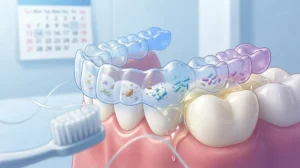
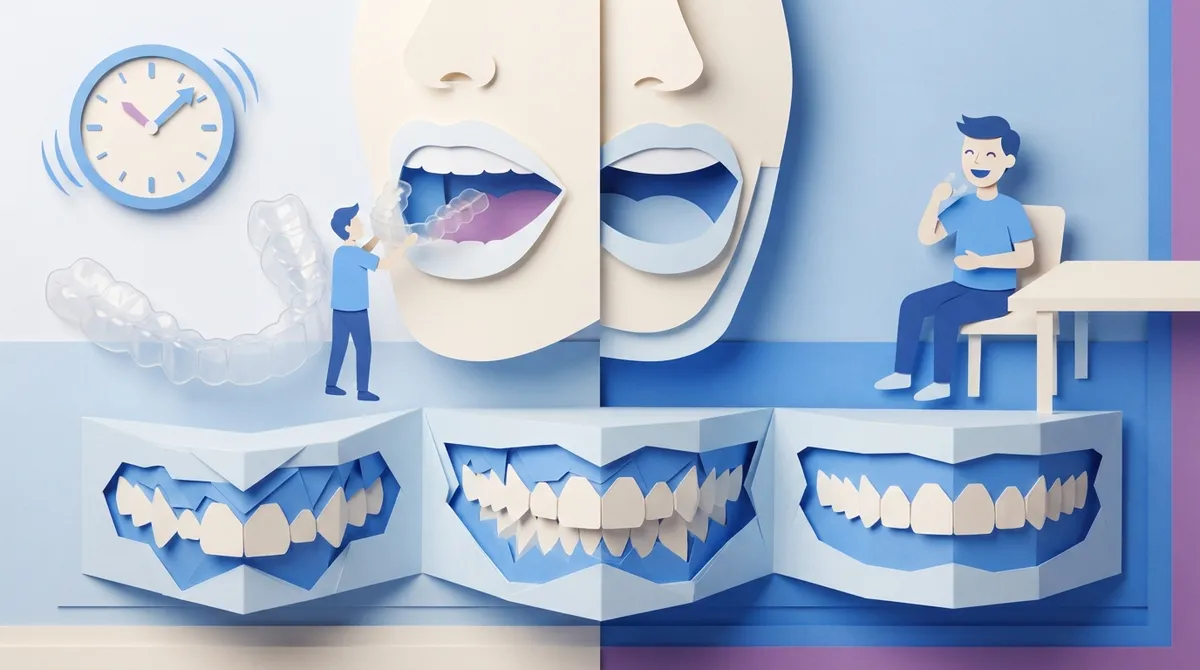
Invisalign requires 20-22 hours daily wear to be effective; aligners sitting unused won't move your teeth on schedule, making discipline and consistency essential for success.
-
Clear aligners are nearly invisible and removable, allowing you to eat without restrictions and maintain normal oral hygiene, but this freedom requires taking them out for every meal and snack.
-
Invisalign isn't suitable for complex bite problems, severe crowding, or certain tooth shapes; a professional dental exam is necessary to determine if it's right for your specific case.
-
Treatment includes a 3D digital scan that previews your expected results before starting, giving you realistic expectations and a visible treatment plan throughout the process.
-
You'll need to wear a retainer after treatment to prevent teeth from drifting back, making long-term maintenance a permanent commitment rather than a one-time fix.
-
Invisalign typically costs more than some alternatives and requires carrying a sturdy case to prevent loss, plus mild soreness and temporary speech changes occur with each new aligner set.
Thinking about straightening your teeth without metal braces? You’re in great company. Every week, folks in Brandon walk into our office with the same question: “Is Invisalign right for me?” The honest answer is that it depends, and that’s exactly why looking at the Invisalign pros and cons before you commit is such a smart move.
Invisalign uses clear, removable aligners to gently shift your teeth into place. Plenty of people love it. But it isn’t magic, and it isn’t perfect for every smile. This guide walks you through the real benefits, the real drawbacks, and a simple step-by-step way to decide for yourself. Think of it like a friendly chat over coffee, minus the jargon.
By the end, you’ll know what to expect, what questions to ask, and how to move forward with confidence in 2026.
What Is Invisalign, and How Does It Work?
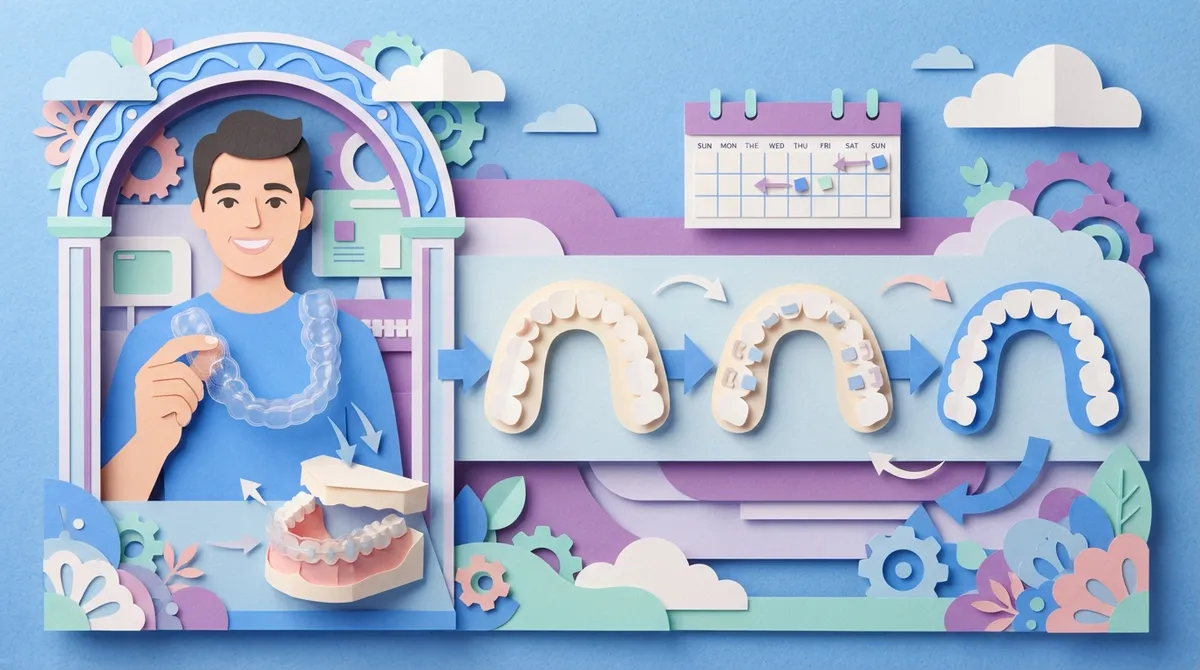
Invisalign is a series of clear plastic aligners made just for your teeth. Each set is worn for about one to two weeks, and each one moves your teeth a tiny bit closer to their final spot. You swap to a new set, and the process repeats until your smile is where it should be.
Your dentist starts with a digital scan of your teeth. That scan creates a 3D treatment plan, so you can see the planned path before you ever put in your first aligner. Small tooth-colored bumps, called attachments, may be added to help the aligners grip and guide your teeth. If you’re curious about those, our guide on what Invisalign attachments are and how they work breaks it down nicely.
Want the full picture of what the process looks like from start to finish? Take a peek at how Invisalign works.
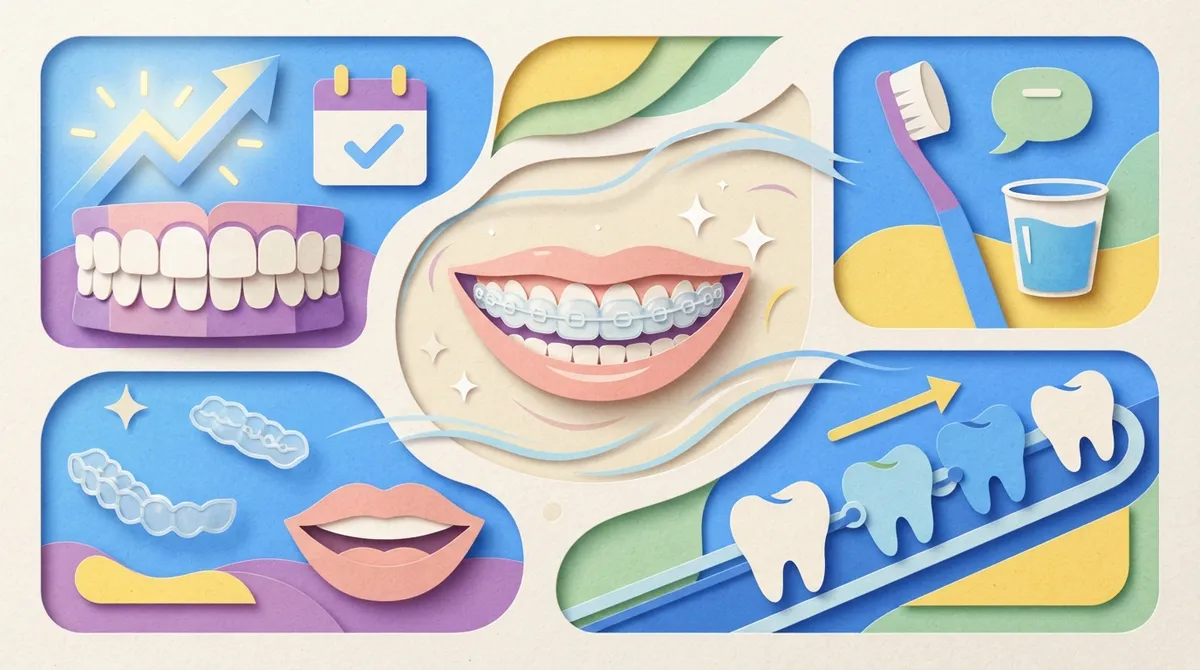
The Pros of Invisalign
Let’s start with the good news. There’s a lot to like.
1. They’re Nearly Invisible
This is the big one. Clear aligners are hard to spot, so you can smile in photos, meetings, and family gatherings without feeling self-conscious. Teens and adults alike appreciate this.
2. They’re Removable
You can take your aligners out to eat, brush, and floss. That means no food restrictions and no special tools to clean around wires. Popcorn at the movies? Go for it (just brush before the aligners go back in).
3. They’re Comfortable
Because there are no metal brackets or wires, there’s less chance of poking or irritating your cheeks and gums. You may feel some pressure when you switch to a new set, but most people find it very manageable. Wondering more about that? Here’s an honest look at whether Invisalign is painful.
4. Fewer Office Visits
Many patients need fewer in-office adjustments than they would with traditional braces. That’s a real win for busy parents and professionals juggling work, school, and carpools.
5. Predictable, Visible Planning
Thanks to 3D imaging, you can preview your expected results before treatment begins. It takes a lot of the guesswork out of the journey. You can learn more about the role of 3D imaging in Invisalign treatment.
6. Easier Oral Hygiene
Since you can remove the aligners, brushing and flossing stay simple. Healthier gums and fewer cavity worries during treatment are a nice bonus.
The Cons of Invisalign
Now for the other side of the coin. A good decision means looking at both.
1. It Takes Discipline
Here’s the catch with removable aligners: they only work if you wear them. Most patients need to wear them about 20 to 22 hours a day. If they sit in the case or your pocket, your teeth won’t move on schedule. We’ve also covered the 30-minute rule for Invisalign, which helps you stay on track.
2. You Have to Remove Them to Eat and Drink
That freedom comes with a small chore. You’ll take the aligners out for meals and snacks, and only plain water is okay while they’re in. If you love sipping coffee all day, this may take some getting used to.
3. It Can Be Easy to Lose Them
Aligners wrapped in a napkin at lunch have a sad habit of ending up in the trash. A sturdy case and a good habit go a long way.
4. Mild Soreness and Speech Changes
Your teeth may feel tender for a few days with each new set. Some people also notice a slight lisp at first. Both usually fade quickly as you adjust.
5. It Isn’t Right for Every Case
Very complex bite problems, certain tooth shapes, or severe crowding may need a different approach. That’s why a proper exam matters. Read more about conditions that may disqualify you from Invisalign.
6. You’ll Need a Retainer Afterward
Once your teeth are straight, they want to drift back. A retainer keeps your results in place. Many people ask, do I need to wear a retainer forever after Invisalign? It’s worth knowing the answer upfront.
7. Cost Can Be a Factor
Invisalign can cost more than some other options, depending on your case. The good news is that many plans help with part of the cost. Check our page on insurance to see how we can help.
Invisalign Pros and Cons at a Glance
| Factor | Pro | Con |
|---|---|---|
| Appearance | Nearly invisible clear aligners | Attachments may be slightly visible up close |
| Eating | Remove them to eat anything | Must remove and replace every time |
| Comfort | No wires or brackets | Pressure and soreness with new sets |
| Hygiene | Brush and floss normally | Aligners need regular cleaning |
| Office Visits | Often fewer adjustments | Requires self-discipline between visits |
| Suitability | Great for mild to moderate cases | Not ideal for every complex case |
| After Treatment | Beautiful, lasting results | Retainer wear is needed |
How to Decide If Invisalign Is Right for You
Okay, you’ve seen both sides. Now let’s turn that into a plan. Here’s a simple step-by-step way to decide.
- Check your goals. Do you want a subtle option that fits an active, social life? Invisalign often fits that bill.
- Be honest about your habits. Can you commit to wearing aligners most of the day? If you tend to forget things, build reminders into your routine first.
- Schedule a consultation. A dentist needs to look at your bite, gums, and tooth positions before saying yes or no.
- Review your digital scan and plan. Ask to see the 3D preview, the estimated timeline, and the number of aligners.
- Talk about cost and coverage. Ask about payment options and what your plan may cover.
- Ask about retainers. Know the plan for keeping your results long term.
If you’d like to know what the later part of the journey looks like, our guide to the final stages of Invisalign treatment is a helpful read.
Who Tends to Do Best With Invisalign?
While every smile is different, some people tend to be great candidates. Here are a few examples:
- Adults who want discreet treatment for work and social settings
- Teens who are responsible about wearing and caring for their aligners
- People with mild to moderate crowding or spacing
- Anyone who values easy brushing and flossing during treatment
- Patients who want fewer food limits than traditional braces bring
Not sure if you fit? That’s okay. That’s what a consultation is for. Dr. K, who is a Gold+ Invisalign provider, can look at your teeth and give you an honest, no-pressure opinion. You can also learn more about Dr. K and his approach to adult and cosmetic care.
Tips to Get the Best Results From Invisalign
If you do decide to go for it, a few easy habits can make a big difference.
- Wear your aligners 20 to 22 hours a day. Consistency is the secret sauce.
- Always use your case. Never wrap them in a napkin.
- Brush before putting them back in. This keeps food from getting trapped against your teeth.
- Rinse and clean them daily. Want to know what to avoid? See what not to do while wearing Invisalign.
- Keep your spare set. If you lose one, you’ll be glad you have a backup.
- Show up to your check-ins. They keep your treatment on track.
Invisalign vs. Traditional Braces: A Quick Comparison
Many patients weigh Invisalign against metal braces. Both can create a beautiful smile, but they work a little differently. Braces are fixed in place, so you can’t forget to wear them. Invisalign is removable, which brings freedom, but also responsibility.
Here’s how the two often compare:
- Look: Invisalign is clear. Braces are noticeable.
- Food: Invisalign has no restrictions when removed. Braces limit sticky and hard foods.
- Care: Invisalign is easy to clean around. Braces need special tools.
- Compliance: Invisalign relies on you. Braces work around the clock.
For a deeper look, read the top benefits of choosing Invisalign over braces or see why many patients love Invisalign vs. braces results at Dental Theory.
What About Cost and Insurance?
Price is often the first question people ask, and we get it. The total depends on how complex your case is and how long treatment takes. Some dental plans help cover a portion of orthodontic care, and many offices offer payment options to make it easier on your budget.
Our team is happy to walk you through the numbers during your visit so there are no surprises. Looking for ways to save? Check out our current specials and ask about options that fit your needs.
Why Choose Dental Theory for Invisalign in Brandon?
At Dental Theory, we believe straightening your teeth should feel exciting, not stressful. Our family-focused practice in Brandon uses the latest technology and a warm, welcoming approach so every visit feels easy. Dr. K is recognized in the Invisalign community, and Dr. Chris Karapasha has been named one of America’s Top Young Dentists in Incisal Edge magazine’s 2025 40 Under 40.
If you’d like to hear what our neighbors say, visit us on Google — Dental Theory and read real reviews from Brandon families. You can also learn more about our Invisalign services and how we create a plan just for you.
Ready to Find Out If Invisalign Fits Your Smile?
Weighing the Invisalign pros and cons is the first step toward a smile you’ll love. The clear look, the comfort, and the flexibility are big wins. The need for daily discipline and the fact that it isn’t right for every case are worth keeping in mind. The best way to know for sure is to talk with a dentist who can look at your teeth and give you honest answers.
Our friendly team is here to help you take that next step with zero pressure. Contact Dental Theory today to schedule your Invisalign consultation, or schedule an appointment online in just a few clicks. We can’t wait to meet you and help you smile with confidence in 2026!
FAQs
Q: What are the biggest pros of Invisalign?
A: The biggest perks are the nearly invisible look, the freedom to remove aligners for eating and brushing, and the comfort of a wire-free design. Many people also enjoy fewer office visits than with traditional braces.
Q: What are the main cons of Invisalign?
A: Invisalign takes real discipline since you need to wear the aligners about 20 to 22 hours a day. It also isn’t ideal for every complex case, and you’ll need a retainer afterward to keep your results.
Q: How long does Invisalign treatment usually take?
A: Treatment time depends on your goals and how much your teeth need to move. Many patients see results in several months to about a year or more, and your dentist can give you a personalized estimate after your exam.
Q: Does Invisalign hurt?
A: Most people feel mild pressure or tenderness for a few days when starting a new set of aligners. It’s usually very manageable and fades quickly as your teeth adjust.
Q: Is Invisalign right for everyone?
A: Not always, and that’s okay! Invisalign works wonderfully for many mild to moderate cases, but some complex bite issues may need another approach. A quick consultation will tell you if it’s a great fit for your smile.
Our Service Area