Key Takeaways
-
Severe crowding generally means 6 mm or more of missing space, and Invisalign can often treat it using arch expansion, tooth movement, attachments, and sometimes IPR or extractions.
-
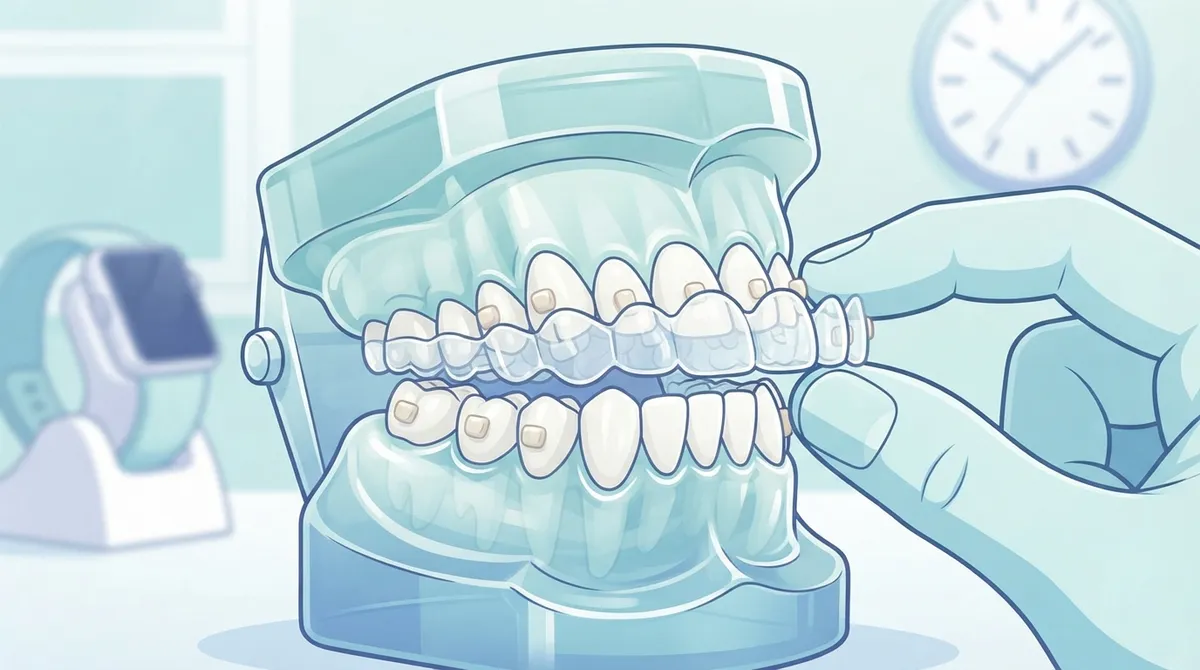
Attachments are tiny tooth-colored bumps that give aligners grip to rotate stubborn teeth and move them up or down, and they are very common in severe crowding cases.
-
Severe crowding typically takes 12 to 24 months with Invisalign, compared with 6 to 12 months for mild crowding, and needs more frequent check-in visits.
-
Invisalign only works when worn 20 to 22 hours a day, so skipping wear time can slow progress and cause trays to stop fitting well.
-
Invisalign may be less ideal for extremely rotated teeth, narrow or misaligned jaws, severe bite problems, or patients who cannot wear trays consistently, where braces or a combined plan may work better.
-
A retainer, usually worn nightly, is essential after treatment because crowded teeth tend to drift back toward their original positions.
If your teeth overlap, twist, or feel like they are fighting for space, you have probably asked one big question: can Invisalign fix severe crowding? You are in good company. Crowded teeth are one of the most common reasons adults and teens start looking into clear aligners in 2026.
The short answer? Often, yes. But it depends on how crowded your teeth are, the shape of your jaw, and your bite. Clear aligners have come a long way, and many cases that once needed metal braces can now be treated with a series of comfortable, nearly invisible trays.
In this friendly guide, we will walk you through 11 things to know before you decide. You will learn how Invisalign handles tight spaces, when it works best, when another option may be smarter, and what to expect along the way. Think of this as a chat with a friend who happens to know a lot about teeth. Let’s dive in!
1. What Counts as Severe Crowding?
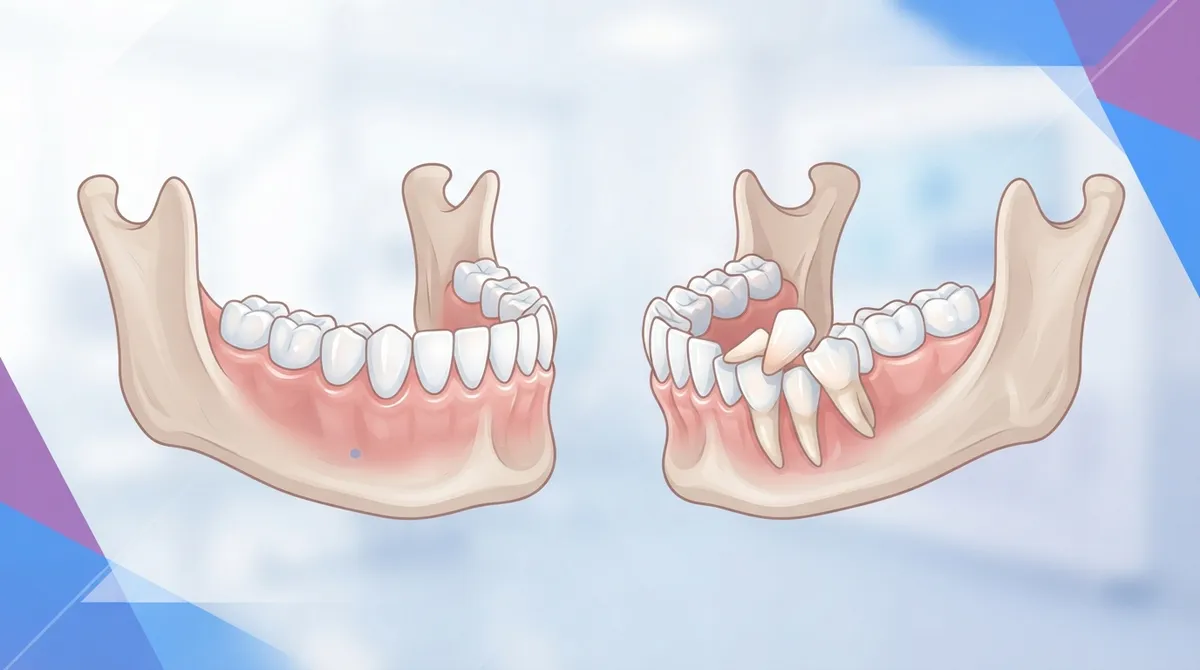
Dentists usually sort crowding into three levels. Mild crowding means you are short about 1 to 3 millimeters of space. Moderate means 4 to 6 millimeters. Severe crowding means you are short 6 millimeters or more, and teeth may be badly rotated, stacked, or pushed out of the arch.
Severe crowding can show up in a few ways:
- Teeth that overlap heavily in the front
- A tooth stuck behind or in front of the others
- Teeth that are twisted sideways
- Hard-to-clean gaps where food and plaque hide
Knowing where you land on this scale helps your dentist decide the best plan for you.
2. So, Can Invisalign Fix Severe Crowding?
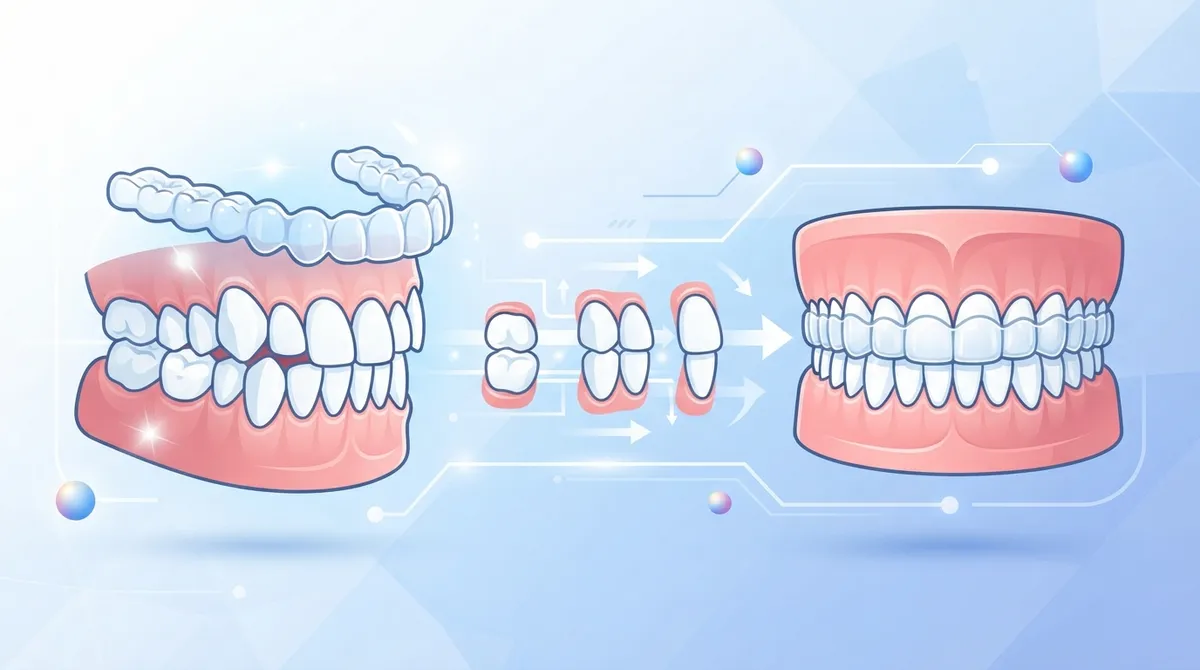
Yes, in many cases Invisalign can fix severe crowding. Modern aligners use smart planning software, special attachments, and carefully timed tooth movements to guide crowded teeth into better positions.
That said, “severe” covers a wide range. Some severe cases respond beautifully. Others need extra steps or a different approach. The key is a proper exam, digital scans, and an honest conversation with your dentist. Dental Theory offers Invisalign in Brandon, so you can find out right away whether clear aligners fit your smile goals.
3. How Invisalign Creates Space for Crowded Teeth
Crowded teeth need room to move. Invisalign can make that room in a few gentle ways. Your dentist will choose the right mix for your mouth.
- Expanding the arch: Aligners can slightly widen the dental arch to give teeth more room.
- Moving back teeth: Teeth can be shifted backward a little to open space up front.
- Interproximal reduction (IPR): A tiny amount of enamel is polished between teeth to create extra millimeters.
- Tooth extraction: In some very tight cases, removing one or more teeth may be the best way to make room.
Most patients with moderate to severe crowding use a combination of these. Your treatment plan will show you exactly how it works before you start.
4. Attachments Help Aligners Do the Heavy Lifting
Smooth plastic trays alone cannot always twist or lift a tooth. That is where attachments come in. These are tiny, tooth-colored bumps bonded to certain teeth. They give the aligner something to grip so it can push a tooth in just the right direction.
For severe crowding, attachments are very common. They help rotate stubborn teeth and move them up or down. Because they match your tooth color, most people never notice them. Want the full picture? Our guide on what Invisalign attachments are and how they work explains it in detail.
5. Severe Crowding vs. Mild Crowding: What Changes?
The big difference is time, planning, and sometimes extra tools. Here is a quick comparison to help you picture it.
| Factor | Mild Crowding | Severe Crowding |
|---|---|---|
| Space needed | 1 to 3 mm | 6 mm or more |
| Typical treatment time | 6 to 12 months | 12 to 24 months |
| Attachments needed | Few or none | Often several |
| IPR or extractions | Rarely | Often needed |
| Check-in visits | Fewer | More frequent |
Every smile is different, so these numbers are only general guides. Your own plan will be built just for you.
6. How Long Does Invisalign Take for Severe Crowding?
Severe crowding usually takes longer than a simple cleanup. Many patients wear aligners for about 12 to 24 months. Each set of trays is worn for one to two weeks, then you move to the next set in your series.
Your timeline depends on:
- How much space is needed
- How far each tooth has to travel
- How closely you follow wear instructions
- Whether extra steps like IPR or extractions are used
Curious about the journey? Take a peek at the final stages of Invisalign treatment to see what the finish line looks like.
7. Wearing Your Aligners Is Everything
Here is the honest truth: Invisalign only works if you wear it. Aligners need about 20 to 22 hours a day to move teeth on schedule. That means they stay in except when you eat, drink anything besides water, and brush.
With severe crowding, skipping wear time can slow progress and cause trays to stop fitting well. A few easy habits help:
- Set phone reminders for meals and tray changes.
- Keep a small case with you at all times.
- Brush before putting aligners back in.
- Swap to your next set on the exact day your plan says.
You’ve got this! A little daily routine goes a long way toward a straight, healthy smile.
8. When Invisalign May Not Be the Best Fit
We love clear aligners, but we also believe in being honest. Some situations call for a different path, or a mix of treatments. Invisalign may be less ideal when:
- Teeth are extremely rotated, and aligners alone cannot get enough grip
- The jaw itself is too narrow or misaligned, which may need an orthodontic specialist
- You have major bite problems like a severe overbite or underbite
- You will not be able to wear the trays consistently
In those cases, traditional braces or a combined plan might be smarter. Our article on conditions that may disqualify you from Invisalign walks through these situations. The goal is always the best result, not just the trendiest tool.
9. Invisalign vs. Braces for Crowded Teeth
Many people wonder which is better for a crowded smile. Both can work. The right choice comes down to your case and your lifestyle.
| Feature | Invisalign | Traditional Braces |
|---|---|---|
| Appearance | Nearly invisible | Metal or ceramic brackets |
| Removable | Yes | No |
| Eating freedom | Remove for meals | Food restrictions |
| Cleaning | Easy brushing and flossing | More difficult |
| Very complex cases | Sometimes limited | Strong control |
Want to dig deeper? Check out why Dental Theory patients love Invisalign results compared with braces.
10. What the Day-to-Day Experience Feels Like
Let’s be real: new aligners can feel snug for the first day or two. That pressure is a sign your teeth are on the move. Most people describe it as mild soreness, not pain, and it fades quickly.
Here is what daily life often looks like with Invisalign:
- You may notice a slight lisp for a few days, which usually goes away fast
- You brush and floss normally, which keeps teeth healthier than braces often allow
- You can still enjoy your favorite foods, since aligners come out for meals
- You get new trays every one to two weeks, so progress feels exciting
Wondering about comfort? Read is Invisalign painful and what to expect for the full scoop. And remember, a straight smile is easier to clean, which helps protect against cavities and gum trouble over time.
11. Keep Your Results With a Retainer
After all that hard work, you want your new smile to stay put. Teeth love to drift back toward their old spots, especially after severe crowding. That is why a retainer is a must once your aligners are done.
Most dentists recommend wearing retainers nightly for the long haul. Think of it as a small habit that protects a big investment. Learn more in our post on whether you need to wear a retainer forever after Invisalign.
Why Choose a Local Dentist for Your Invisalign Journey
Invisalign works best when your dentist knows the technology well and can adjust your plan as your teeth move. Dr. K, Dr. Chris Karapasha, is a Gold+ Invisalign provider, which means he has treated a high volume of aligner cases. You can view Dr. K’s Gold+ Invisalign profile to learn more about his experience.
At Dr. K’s practice, you get a stress-free, family-friendly visit with modern digital tools. Dental Theory is proud to serve Brandon, FL with comprehensive cosmetic dentistry and general dentistry under one roof. If you are weighing options and want an honest opinion, a consultation is the best first step. You can also see what Dental Theory patients say on Google to get a feel for the experience.
Before you commit, it helps to double check the details. Our list of mistakes to avoid when finding an Invisalign dentist near you is a handy checklist. And if you want to hear more about our team’s recognition, read how Dr. Chris Karapasha has been named one of America’s Top Young Dentists in Incisal Edge magazine’s 2025 40 Under 40.
Straight teeth can also support your confidence, and for some patients, that boost is just as meaningful as the physical change. If you are feeling anxious about big changes, resources like West Florida Therapy can be a helpful support for stress and self-image, alongside your dental care.
Ready to Find Out If Invisalign Can Fix Your Crowding?
So, can Invisalign fix severe crowding? For many people, absolutely. With careful planning, attachments, and sometimes a little extra space-making, clear aligners can turn a crowded smile into one you love to show off. The best way to know for sure is a one-on-one visit where your dentist can scan your teeth, review your bite, and map out a plan.
Do not let crowded teeth hold back your confidence another year. Contact Dental Theory today to start your Invisalign consultation, or schedule an appointment online. We can’t wait to help you smile bigger!
FAQs
Q: Can Invisalign fix severe crowding without braces?
A: In many cases, yes! Invisalign can treat severe crowding using attachments, arch expansion, and small amounts of enamel reduction to create space. Some very complex cases may still need braces or a combined plan, so a quick exam is the best way to know for sure.
Q: How long does it take Invisalign to fix severely crowded teeth?
A: Most severe crowding cases take about 12 to 24 months, depending on how far your teeth need to move. Wearing your aligners 20 to 22 hours a day helps you stay right on schedule.
Q: Will I need teeth pulled to fix severe crowding with Invisalign?
A: Not always. Many patients create enough room through expansion and interproximal reduction. Extractions are only recommended in some very tight cases, and your dentist will talk through every option with you first.
Q: Is Invisalign painful when treating crowded teeth?
A: You may feel mild pressure or soreness for a day or two when you switch to new trays. That feeling is normal and usually fades fast, so most people find it very manageable.
Q: Do I need a retainer after Invisalign for crowding?
A: Yes, a retainer is key to keeping your results. Teeth tend to shift back after crowding is corrected, so wearing a retainer as directed protects your new smile for years to come.
Our Service Area