
Key Takeaways
-
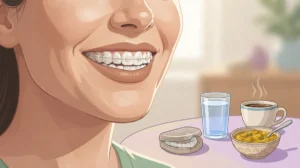
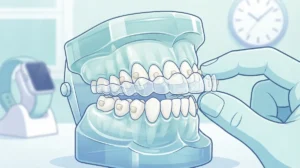
Most people find Invisalign uncomfortable at times but not truly painful; expect pressure, tightness, or soreness that typically fades within a few days of starting each new tray.
-
Soreness peaks in the first 24 to 48 hours after switching trays, and the first set of aligners is usually the most noticeable, with tenderness often lasting 2 to 4 days.
-
Switching to a fresh tray right before bed lets you sleep through the worst pressure, and soft foods, a cold compress, or an over-the-counter pain reliever taken as directed can ease soreness.
-
Invisalign is generally more comfortable than braces because smooth plastic trays rarely cut cheeks, and you remove them to eat, avoiding wires and brackets that cause sores.
-
Each tray change usually feels milder over time as your mouth adapts, and wearing aligners consistently helps your teeth adjust faster.
-
Call your dentist for sharp or stabbing pain that doesn't fade, a cracked or poorly fitting aligner, swelling, bleeding gums, or pain that gets worse instead of better.
If you’ve been thinking about straighter teeth, you’ve probably asked yourself one big question: is Invisalign painful? It’s a smart question, and you deserve an honest answer. Nobody wants to sign up for months of treatment without knowing how it will feel.
Here’s the good news. Most people describe Invisalign as uncomfortable at times, but not truly painful. You may feel pressure, tightness, or a little soreness when you start a new set of aligners. That feeling is normal, and it usually fades within a few days.
In this guide, we’ll walk through what Invisalign really feels like, how long the soreness lasts, and how to feel better fast. We’ll also compare it to braces and share tips from our team at Dental Theory in Brandon, FL. By the end, you’ll know exactly what to expect, so you can decide with confidence.
So, Is Invisalign Painful? The Honest Answer
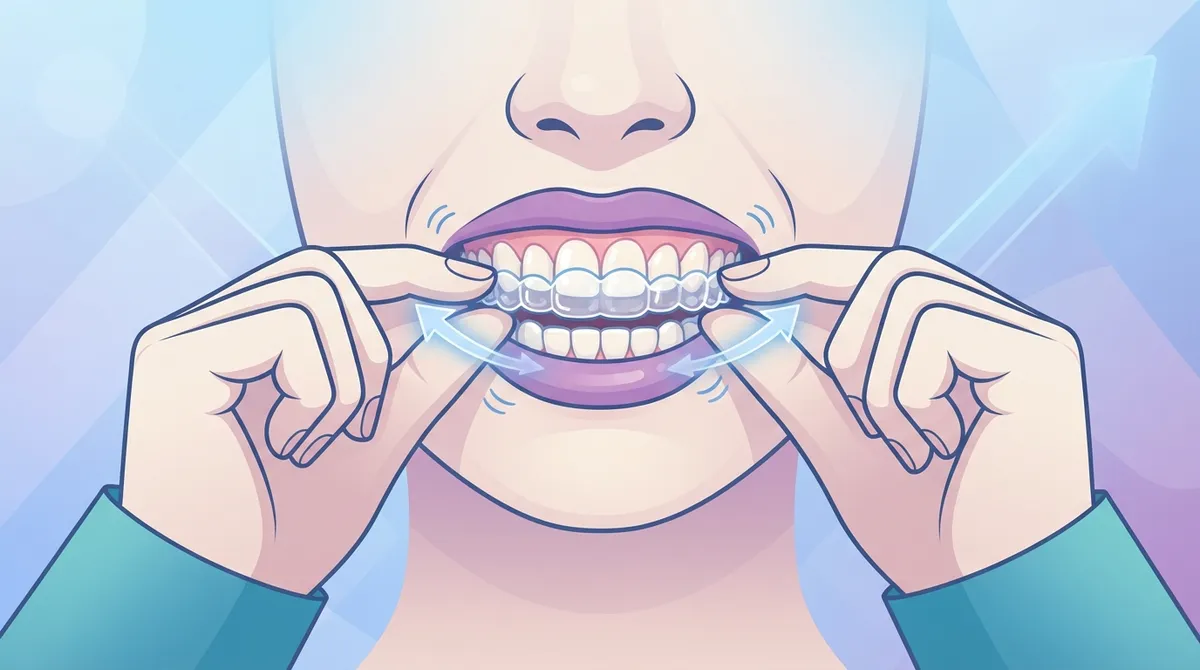
Let’s get right to it. Is Invisalign painful? For most patients, the answer is no. It’s more like a dull ache or a feeling of pressure. Think of how your legs feel after a new workout. You know something is happening, but it isn’t sharp or scary.
That pressure is actually a good sign. It means your aligners are doing their job and gently moving your teeth into place. Each tray is custom made to shift your teeth just a tiny bit at a time.
Everyone’s pain tolerance is different. Some people barely notice anything. Others feel a little more soreness for a day or two. Both experiences are completely normal.
If you want a deeper look at how the whole process works, our guide on how Invisalign works to straighten teeth without braces explains each step in plain language.
What Does Invisalign Feel Like?
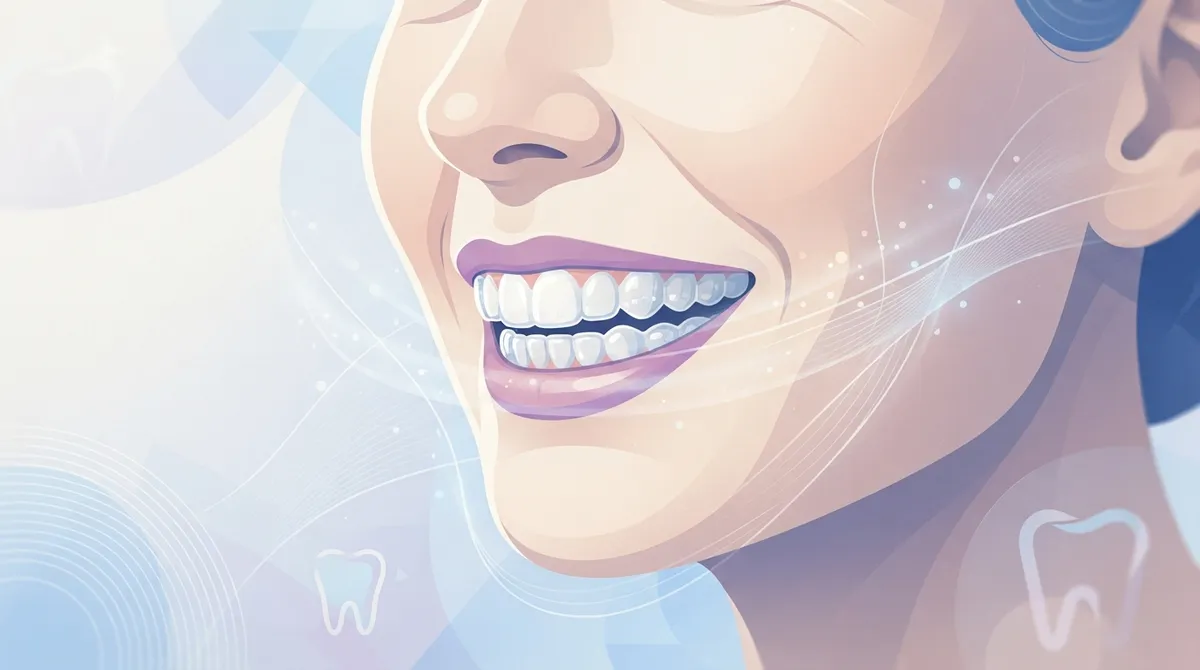
Every patient describes it a little differently. Here are the most common sensations people report:
- Pressure: A snug, squeezing feeling on your teeth, especially when you first put in a new tray.
- Tenderness: Your teeth may feel sore when you bite down or chew crunchy foods.
- Tight fit: The aligners should feel firm. They hug your teeth to guide them.
- Mild gum or cheek irritation: The edges of a tray can sometimes rub against soft tissue.
- A little lisp: Your tongue needs time to adjust. This usually clears up in a week or so.
None of these feelings should be severe. If you feel sharp, stabbing, or lasting pain, that’s your signal to call your dentist.
When Does Invisalign Discomfort Happen?
Soreness isn’t constant. It tends to show up at specific moments during treatment. Knowing when helps you plan ahead and feel more at ease.
The First Few Days
Your very first set of aligners is usually the most noticeable. Your mouth isn’t used to wearing a tray yet, and your teeth are feeling pressure for the first time. Most people feel the most tenderness during the first 2 to 3 days.
Every Time You Switch Trays
Every one to two weeks, you move on to a fresh set of aligners. Each new tray shifts your teeth a little more, so you may feel that familiar pressure again. The good news is that it’s usually milder than your first week.
When You Add Attachments
Some treatment plans use small tooth-colored bumps called attachments. These help the aligners grip your teeth. They can feel a bit odd at first, and you may notice your tongue poking at them. If you’re curious, read our post on what Invisalign attachments are and how they work.
How Long Does Invisalign Soreness Last?
This is one of the most common questions we hear. Most soreness peaks in the first 24 to 48 hours after you switch trays. After that, it fades quickly.
| Stage of Treatment | Typical Discomfort Level | How Long It Lasts |
|---|---|---|
| First set of aligners | Mild to moderate | 2 to 4 days |
| Switching to a new tray | Mild | 1 to 3 days |
| Getting attachments | Mild | 1 to 2 days |
| Mid-treatment trays | Very mild | Often just hours |
As treatment goes on, many people say the soreness gets easier. Your mouth adapts, and the pressure feels more familiar. By the middle of treatment, some patients barely notice a tray change at all.
Invisalign vs. Braces: Which Hurts Less?
Many people ask this when they’re comparing options. In general, most patients find Invisalign more comfortable than traditional metal braces. Here’s why.
| Feature | Invisalign | Traditional Braces |
|---|---|---|
| Mouth irritation | Smooth plastic, rarely cuts cheeks | Brackets and wires can rub and poke |
| Pressure | Gentle, spread evenly | Can feel stronger after adjustments |
| Adjustments | New tray at home | Tightening visits at the office |
| Eating | Remove trays to eat | Food restrictions all the time |
| Emergency issues | Rare | Broken wires or brackets can happen |
Braces can cause sores inside your lips and cheeks, plus pressure after each tightening. Invisalign trays are smooth, so there’s less rubbing. You also take them out to eat, which means no sticky or hard foods to worry about breaking.
Not sure which option fits your smile? Our article on the top benefits of choosing Invisalign over braces can help you compare.
7 Easy Ways to Ease Invisalign Discomfort
Feeling a little sore? You don’t have to just tough it out. Try these simple tips to feel better fast.
- Take an over-the-counter pain reliever. Ibuprofen or acetaminophen can help if you need it. Always follow the label and check with your dentist or doctor if you’re unsure.
- Eat soft foods. Think soup, yogurt, mashed potatoes, pasta, and smoothies for the first couple of days.
- Use a cold compress. A cool pack held against your cheek can calm sore teeth and gums.
- Switch trays at night. Start a new set before bed. You’ll sleep through the worst of the pressure.
- Use orthodontic wax. If an edge rubs your cheek or gums, a little wax creates a soft barrier.
- Wear your aligners as directed. Staying consistent actually helps your mouth adjust faster. Taking trays out too often can make each switch feel harder.
- Sip cool water. Cold water soothes sore teeth. Just remember to take your aligners out before drinking anything other than plain water.
Want a refresher on the do’s and don’ts? Check out what not to do while wearing Invisalign so you can avoid common mistakes.
Why Does Invisalign Cause Pressure at All?
It helps to understand the reason behind the feeling. Your teeth sit in your jawbone, held by tiny fibers. When an aligner applies gentle, steady force, those fibers and the bone around them slowly remodel. That’s how teeth move.
This process is safe and natural. The pressure you feel is simply your body responding to that movement. It’s the same basic idea behind all orthodontic treatment.
Modern aligners are also planned with 3D imaging. That means each step is mapped out carefully so the movement is small and controlled. You can learn more in our post about the role of 3D imaging in Invisalign treatment.
Is Invisalign Painful for Teens and Adults?
The experience is very similar across age groups. Adults may feel pressure a little differently since adult bones are fully formed, but most adults handle Invisalign very well. Teens often adjust quickly and say they hardly think about their aligners after the first week.
The key at any age is wearing the trays for the recommended time each day. Consistency keeps your teeth moving smoothly and helps prevent bigger bursts of soreness.
If you want to know whether your age or bite makes you a good fit, our post on 7 age milestones that define Invisalign success is a great place to start.
When Should You Call Your Dentist?
Mild soreness is normal. But sometimes discomfort is a sign that something needs attention. Reach out to your dental team if you notice:
- Sharp or stabbing tooth pain that doesn’t fade after a few days
- A cracked or damaged aligner with rough edges
- A tray that doesn’t fit and won’t seat properly
- Swelling, bleeding gums, or sores that don’t heal
- Pain that gets worse instead of better
Don’t try to push a poorly fitting tray into place. A quick call can save you time and keep your treatment on track. Our team is always happy to help you get comfortable again.
Is Invisalign Worth a Little Discomfort?
For most of our patients, absolutely. A few days of mild pressure at each tray change is a small trade for a straighter, healthier smile. Aligners are nearly invisible, easy to clean, and flexible for busy lives.
Straight teeth are also easier to brush and floss. That can lower your risk of cavities and gum trouble down the road. Plus, a smile you feel proud of is a wonderful thing.
If you’re ready to learn more, our overview of Invisalign at Dental Theory shows what’s possible for your smile.
Your Invisalign Journey in Brandon, FL
At Dental Theory, we believe straightening your teeth should feel calm, not stressful. Our friendly, tech-forward office in Brandon is designed to help you relax from the moment you walk in. Dr. K is a Gold+ Invisalign provider, which means he has extensive experience guiding patients through treatment comfortably.
We’ll walk you through every step, answer all your questions, and check in with you along the way. We’ll also teach you how to care for your aligners so everything stays fresh and comfortable. Want to see what others say? You can read what patients think when you visit us on Google — Dental Theory.
Many families in Brandon also keep their home comfortable year-round with help from local pros like Marks Air. In the same way, we want your smile care to feel easy and worry-free.
Ready to Start Your Smile Journey?
So, is Invisalign painful? Not in the way most people fear. You can expect mild pressure and a bit of soreness that fades fast, and plenty of simple tricks to make it easier. For most patients, the results are well worth it.
If you’re curious whether Invisalign is right for you, we’d love to chat. Our friendly team is here to answer your questions and build a plan that fits your smile and your schedule. Don’t wait to feel confident in your teeth. Contact Dental Theory today and take the first step toward the smile you’ve always wanted.
FAQs
Q: Is Invisalign more painful than braces?
A: Most people find Invisalign more comfortable than braces. The trays are smooth plastic, so there are no wires or brackets to poke your cheeks. You’ll still feel some pressure at tray changes, but it’s usually gentler.
Q: How long does Invisalign pain last after a new tray?
A: Soreness usually peaks in the first day or two and fades within about three days. Many patients find it gets even easier as treatment moves along. If it lasts longer, just give us a call!
Q: Can I take pain medicine for Invisalign soreness?
A: Yes, over-the-counter pain relievers like ibuprofen or acetaminophen can help with mild soreness when taken as directed. If you have health concerns or take other medicines, check with your dentist or doctor first. Soft foods and a cold compress can help too.
Q: Why do my Invisalign aligners hurt more at night?
A: Soreness can feel stronger at night because you’re not distracted by your day. Your teeth are also settling into the new tray. Switching to a fresh set right before bed is a great way to sleep through the toughest hours.
Q: Does Invisalign hurt less over time?
A: For most people, yes! Your mouth gets used to wearing aligners, so each tray change usually feels milder than your first one. By the middle of treatment, many patients barely notice the switch.
Our Service Area