Key Takeaways
-
Most Invisalign treatments take 12 to 18 months on average, though simple cases may finish in 6 months while complex cases can take 24 months or longer depending on individual tooth movement needs.
-
Wearing aligners consistently for 20 to 22 hours daily is the single most important factor in keeping treatment on schedule; skipping wear time is the number one reason treatments take longer than expected.
-
Younger patients typically see faster results because their jawbones are still developing and more flexible, while adults may need slightly longer due to fully set bone density.
-
Your dental history, including previous orthodontic work, extractions, and fillings, significantly affects your personalized treatment timeline and must be evaluated during a comprehensive exam.
-
After active treatment ends, wearing a retainer full-time for several months then nightly long-term is essential to prevent teeth from shifting back and protect your investment.
-
Skipping scheduled dental check-in appointments, losing trays, or teeth not responding as quickly as predicted can extend treatment beyond the initial estimate, requiring mid-treatment refinements.
So you’re thinking about Invisalign and wondering, “how long is this really going to take?” You’re not alone! It’s one of the first questions almost every patient asks Dr. K here at Dental Theory in Brandon. And honestly, it’s a great question to ask before you start any treatment. Nobody wants surprises when it comes to their smile timeline.
The good news is that Invisalign treatment time isn’t some mystery locked away in a filing cabinet. There are clear factors that shape how long your journey will take. In this article, we’ll walk through four key facts that answer the invisalign how long does it take question honestly and clearly. We’ll also share what affects your timeline, what a typical schedule looks like, and how to keep things moving smoothly so you get to your new smile faster.
Fact 1: Most Invisalign Treatments Take 12 to 18 Months
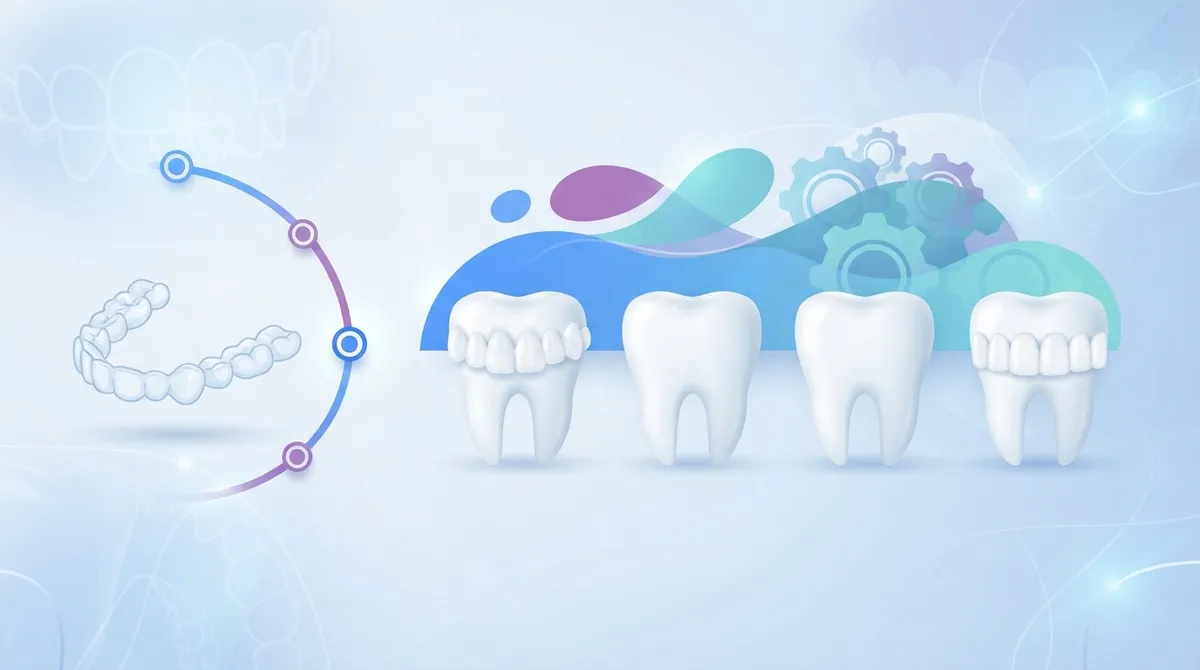
Let’s start with the number everyone wants to hear. On average, most adults finish their Invisalign treatment somewhere between 12 and 18 months. That’s the sweet spot for people with mild to moderate teeth crowding or spacing issues.
Of course, this is just an average. Some people finish in as little as 6 months if their case is simple. Others with more complex bites might need 24 months or longer. Your exact timeline depends on your unique smile and your treatment goals.
Dr. K, who holds a Gold+ Invisalign provider status, uses digital scans and 3D imaging to map out your treatment before you even start. This means you get a realistic estimate from day one, not just a guess. You can read more about what happens during this process in our guide on the final stages of Invisalign treatment.
What Counts as a Simple vs Complex Case
Not all smiles are the same, and that’s exactly why timelines vary so much. Here’s a quick breakdown of what usually falls into each category:
- Simple cases: Minor crowding, small gaps, slight rotation of one or two teeth
- Moderate cases: Noticeable crowding, several teeth needing movement, mild bite issues
- Complex cases: Significant overcrowding, major bite problems, or teeth that need lots of movement in multiple directions
The great thing about Invisalign is that even complex cases can usually be treated. It just takes a bit more time and a few more aligner trays along the way.
Fact 2: Your Age and Dental History Play a Big Role
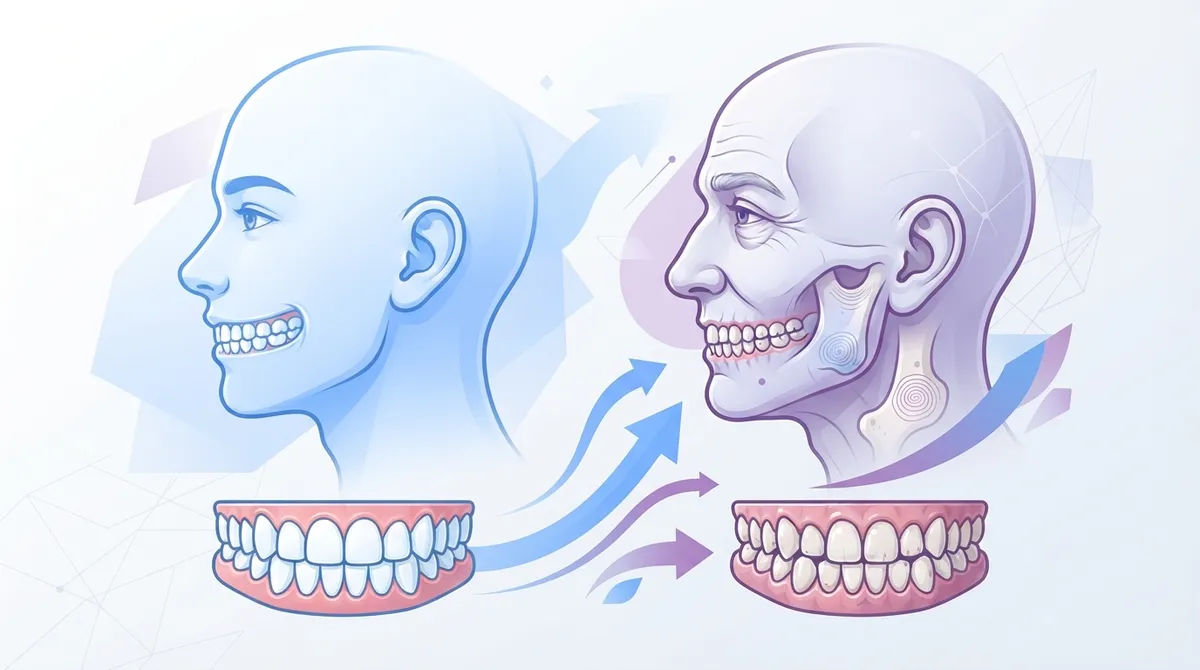
Believe it or not, your age can actually affect how fast your teeth move. Younger patients, especially teens, tend to see faster results because their jawbones are still developing and more flexible. Adults can absolutely get amazing results too, but the process might take a little longer since bone density is more set.
Your dental history matters too. If you’ve had orthodontic work before, like braces as a kid, your teeth might respond differently than someone starting fresh. Past dental issues, like extractions or old fillings, can also shift how your treatment plan is designed.
This is one reason a thorough comprehensive exam is so important before starting Invisalign. Dr. K needs to see the full picture of your oral health to build a plan that actually works for your mouth, not just a generic timeline pulled from an average.
Table: Factors That Influence Invisalign Timelines
| Factor | Impact on Timeline |
|---|---|
| Age | Teens often move faster; adults may take longer |
| Case complexity | Mild cases finish sooner; complex cases take more trays |
| Compliance with wear time | Wearing aligners less than 22 hours a day slows progress |
| Attachment use | Some cases need small attachments, which can add time |
| Follow-up visits | Skipping check-ins can delay tray changes |
Fact 3: Wearing Your Aligners Correctly Speeds Things Up
Here’s a fact that surprises a lot of patients: the biggest factor in your Invisalign timeline is often not your teeth at all. It’s you! Wearing your aligners for the recommended 20 to 22 hours a day is the single best way to keep your treatment on schedule.
Think about it like a workout plan. Skipping the gym here and there won’t ruin your progress completely, but it will slow it down. The same goes for your aligners. Every hour you skip is an hour your teeth aren’t moving toward that new smile.
Here are some simple tips to help you stay on track:
- Only remove your aligners to eat, drink (except water), or brush your teeth
- Set phone reminders if you tend to forget to put them back in
- Keep a travel case with you so you’re never tempted to skip wearing them during trips
- Clean your aligners daily to avoid buildup that can affect fit
- Attend every scheduled check-in with your dentist so your progress stays on track
If you’ve ever wondered what not to do during treatment, our article on what not to do while wearing Invisalign covers some common mistakes that can slow you down. Avoiding these missteps keeps your treatment moving at the pace your dentist planned.
Common Reasons Treatment Takes Longer Than Expected
Sometimes things happen that push a timeline back. Here are a few of the most common culprits:
- Not wearing aligners long enough each day
- Losing or damaging a tray and waiting too long to replace it
- Skipping dentist appointments where trays get checked and swapped
- Teeth not responding as quickly as predicted (this happens sometimes, and it’s okay)
- Needing a mid-treatment refinement, which is basically a small tune-up
None of these are reasons to panic. They’re just part of the normal process, and a good dentist will adjust your plan as needed to get you to the finish line.
Fact 4: Retainers Keep Your New Smile in Place
Once your active Invisalign treatment ends, you’re not quite finished yet. Your teeth need time to settle into their new positions, and that’s where a retainer comes in. Skipping this step is one of the most common reasons people see their teeth shift back over time.
Most dentists recommend wearing a retainer full-time for a few months, then switching to nighttime wear long-term. If you’re curious about how long that really means, check out our detailed guide on whether you need to wear a retainer forever after Invisalign.
Think of your retainer as insurance for all the hard work you just put in. It’s a small habit that protects a big investment in your smile.
What a Typical Invisalign Journey Looks Like
To put it all together, here’s a simple step-by-step look at the whole process from start to finish:
- Initial consultation and digital scan of your teeth
- Custom treatment plan created showing your smile’s projected movement
- Receiving your first set of aligner trays
- Switching to a new tray roughly every 1 to 2 weeks
- Regular check-ins every 6 to 8 weeks to monitor progress
- Final aligner tray and reassessment of your smile
- Retainer fitting to maintain your results long-term
Every step matters, and skipping any of them can add extra time to your overall treatment. That’s why choosing an experienced provider matters so much.
Why Choosing the Right Dentist Makes a Difference
Not every dentist offering Invisalign has the same level of training or experience. Dr. K’s Gold+ status with Invisalign reflects years of treating patients with all kinds of smile goals, from simple gaps to more complex bite corrections. In fact, Dr. Chris Karapasha has been named one of America’s Top Young Dentists in Incisal Edge magazine’s 2025 40 Under 40, a recognition that speaks to his dedication to patient care.
At Dental Theory, we believe your Invisalign timeline should be based on your actual mouth, not a one-size-fits-all chart. That’s why every treatment plan starts with a real conversation about your goals and a thorough look at your teeth using the latest technology.
If you’re weighing your options, our comparison of Invisalign versus traditional braces can help you decide which path fits your lifestyle best. Many of our Brandon patients love that Invisalign lets them keep smiling confidently at work, school, or family gatherings without metal brackets.
Life in Brandon While You Wait for Your New Smile
One of the best parts of choosing Invisalign is that it fits right into your everyday life here in Brandon. Grab coffee with friends, head to a Bucs game, or enjoy dinner out. Your aligners stay clear and low-key the whole time.
While you’re on your Invisalign journey, it’s smart to take care of the rest of your health too. A comfortable home with reliable air conditioning makes recovery from any dental visit easier, which is why many of our patients trust Marks Air for keeping their homes cool during Florida’s warm months. And if jaw tension or general muscle discomfort ever pops up during treatment, the team at West Florida Therapy offers helpful physical therapy support for the whole family.
We also love hearing from our patients about their experience. Feel free to visit us on Facebook to see real smile transformations, or check out what other patients are saying when you visit us on Google — Dental Theory. Reading real reviews from Brandon neighbors can help you feel confident about starting your own journey.
Ready to Start Your Invisalign Journey?
Now that you know the real answer to “invisalign how long does it take,” you can feel more confident moving forward. Every smile is different, but with the right team guiding you, the process is smooth, predictable, and honestly kind of exciting to watch unfold.
If you’re ready to find out your own personalized timeline, our friendly team is here to help. Reach out today to contact Dental Theory and schedule your Invisalign consultation with Dr. K. You can also schedule an appointment online in just a few minutes. Your new smile is closer than you think, and we can’t wait to help you get there.
FAQs
Q: How long does Invisalign take on average?
A: Most people finish their Invisalign treatment in about 12 to 18 months. Simple cases can wrap up in as little as 6 months, while more complex smiles might take up to 24 months. Your dentist will give you a personalized estimate after your first exam.
Q: Can I speed up my Invisalign treatment?
A: Yes! Wearing your aligners for the full 20 to 22 hours a day is the best way to stay on track. Skipping wear time is the number one reason treatment takes longer than expected, so consistency really pays off.
Q: Does age affect how long Invisalign takes?
A: It can. Teens often see faster movement because their jaws are still growing, while adults may take a bit longer since their bone structure is fully set. Either way, great results are absolutely achievable at any age.
Q: What happens after my Invisalign treatment ends?
A: After your last aligner tray, you’ll move into wearing a retainer to keep your teeth in place. This step is super important for protecting your results, so don’t skip it even after your smile looks perfect.
Q: Why does my Invisalign case seem to be taking longer than my friend’s?
A: Every smile is different, so timelines vary based on how much movement your teeth need, how consistently you wear your aligners, and your overall dental history. It’s not a race, it’s about getting the healthiest, most confident smile for you specifically.
Our Service Area