Key Takeaways
-
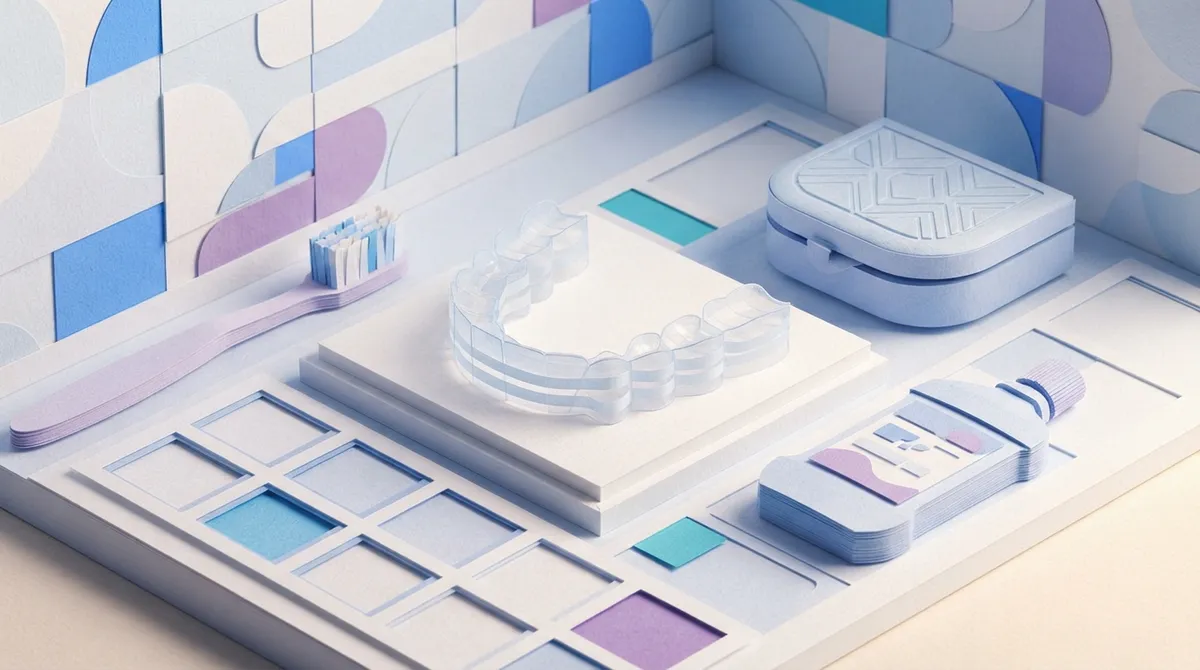
Teeth can start shifting within days without a retainer, so wear it nearly full-time for the first 3 months, then transition to nighttime-only wear indefinitely to protect your Invisalign results.
-
Clean your retainer daily with lukewarm water and a soft toothbrush, soak it weekly in cleaning solution, and store it in its case to prevent bacterial buildup, warping, and loss or damage.
-
Watch for warning signs like loose fit, cracks, discoloration, or teeth feeling like they're moving despite consistent wear—these indicate your retainer needs professional evaluation to avoid requiring another Invisalign treatment.
-
Invisalign offers multiple retainer types (Vivera, Essix, Hawley, and fixed retainers) with different costs and benefits, so discuss your lifestyle and budget with your dentist to choose the best option for you.
So you finally finished your Invisalign treatment. Congrats! Your smile looks amazing, and you probably can’t stop checking it in every mirror you pass. But here’s a little secret nobody tells you enough: finishing Invisalign is only half the journey. The other half is all about your invisalign retainer, and how well you care for it decides if your new smile sticks around for good.
At Dental Theory in Brandon, FL, we see this all the time. Patients finish their clear aligner treatment feeling thrilled, then get confused about what comes next. That’s totally normal! Retainers are a bit of a mystery to a lot of people. This guide breaks down everything you need to know in simple terms, so you can protect your investment and keep that beautiful smile looking exactly how you want it.
1. What Exactly Is an Invisalign Retainer?
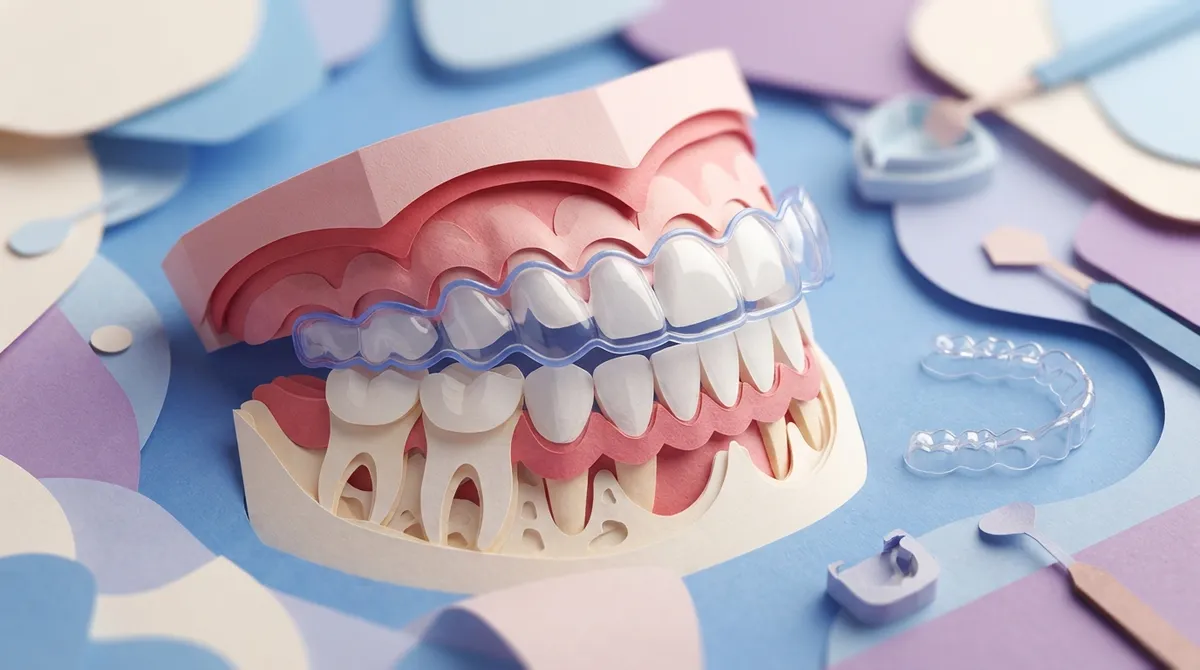
An invisalign retainer is a clear, custom-made tray that holds your teeth in their new position after treatment. Think of it as the guard that protects all the hard work your teeth just went through. Without one, your teeth naturally want to drift back toward their old spots.
These retainers look almost identical to the aligners you wore during treatment. The big difference is purpose. Aligners move your teeth. Retainers keep them still. If you’re curious about the full journey from start to finish, our guide on the final stages of Invisalign treatment walks you through what happens right before you get your retainer.
2. Why You Can’t Skip Wearing One
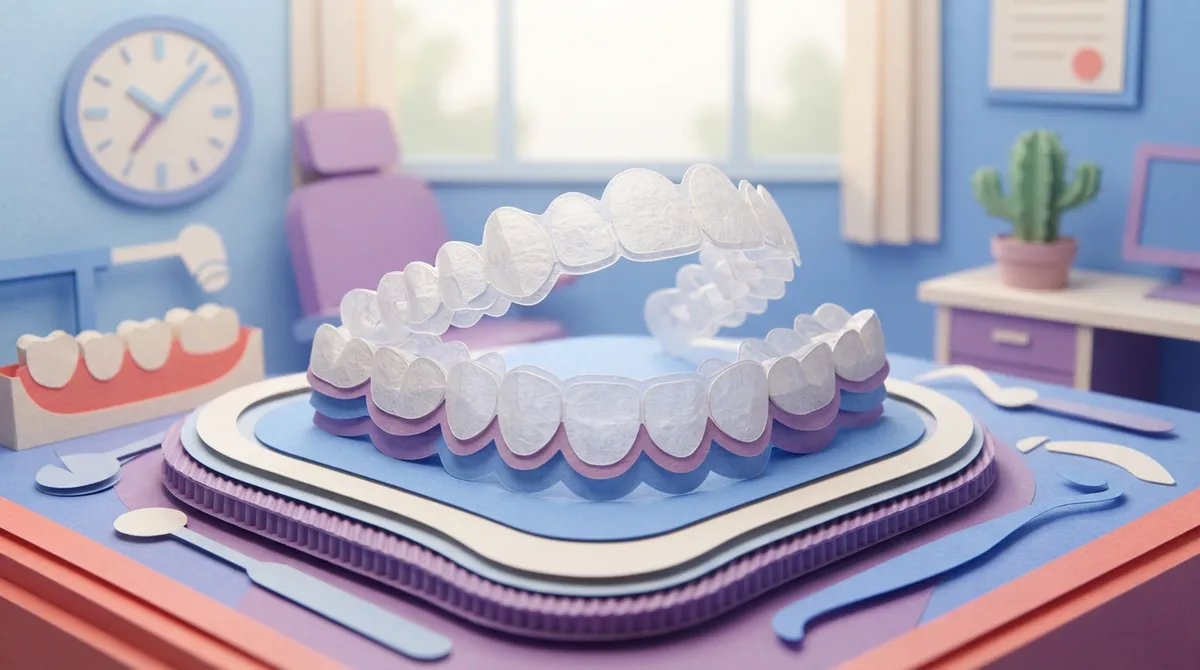
Your teeth are held in place by ligaments and bone that need time to adjust to their new positions. Right after treatment, those tissues are still soft and moldable. This means your teeth can shift back surprisingly fast if you stop wearing your retainer too soon.
We know it’s tempting to think you’re “done” once the aligners come off. But skipping your retainer is one of the most common regrets we hear from patients. Many wonder if they truly need to wear one forever, and we cover that question in detail in our post about whether you need to wear a retainer forever after Invisalign.
3. Types of Invisalign Retainers Explained
Not all retainers are the same. Knowing your options helps you make a smart choice for your lifestyle and budget.
| Retainer Type | Description | Best For |
|---|---|---|
| Vivera Retainers | Made by the same company as Invisalign, using durable clear plastic | Patients who want a seamless match to their aligners |
| Essix Retainers | Clear plastic trays similar to Invisalign aligners | Patients wanting an affordable, removable option |
| Hawley Retainers | Wire and acrylic retainer that’s adjustable | Patients who need small tweaks over time |
| Fixed (Permanent) Retainers | A thin wire bonded behind the front teeth | Patients who want a “set it and forget it” option |
Each type has pros and cons. Some patients even switch retainer types down the road. If that’s you, check out our article on switching retainer types after Invisalign before making any changes.
4. How Long Do You Need to Wear It?
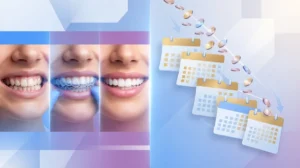
Most dentists recommend full-time wear for the first few months. This usually means wearing your retainer 20 to 22 hours a day. After that, many patients transition to nighttime-only wear.
Here’s a simple breakdown of a typical retainer schedule:
- Months 1-3: Wear it almost all day and night, removing only to eat and clean your teeth.
- Months 4-6: Shift to nighttime wear only, unless your dentist says otherwise.
- Long-term: Keep wearing it at night indefinitely to protect your results.
Every mouth is different, so your dentist will tailor this schedule to you. Dr. K, who handles cosmetic and adult dentistry cases at our Brandon office, personalizes retainer plans based on how your teeth respond to treatment. You can learn more about his approach through Dr. K’s Gold+ Invisalign Profile, which highlights his experience with clear aligner therapy.
5. What Happens If You Stop Wearing It
This is where things get real. Teeth can start shifting within just a few days of skipping your retainer. It might not seem obvious at first, but small movements add up fast.
Common signs your teeth are moving back include:
- Your retainer suddenly feels tight or hard to snap in
- You notice small gaps reappearing between teeth
- Your bite feels slightly different when chewing
- Teeth look a little crooked in photos compared to before
If any of this sounds familiar, don’t panic, but don’t ignore it either. Our article on how fast teeth shift without a retainer explains exactly what to expect and when to reach out to your dentist for help.
6. How to Clean and Care for Your Retainer
Retainers can collect bacteria and buildup just like your natural teeth. Cleaning it properly keeps it clear, fresh, and free of odor.
Follow these simple steps every day:
- Rinse your retainer with lukewarm water right after removing it.
- Gently brush it with a soft toothbrush, avoiding regular toothpaste since it can scratch the plastic.
- Soak it weekly in a retainer cleaning solution or diluted mild soap.
- Store it in its case whenever it’s not in your mouth to avoid loss or damage.
- Never use hot water, which can warp the plastic and ruin the fit.
- The retainer feels loose or doesn’t snap into place
- You notice cracks, warping, or discoloration
- Your teeth feel like they’re moving despite consistent wear
- You experience unusual soreness or pressure when wearing it
Good hygiene habits protect not just your retainer, but your overall oral health too. If you want more general tips on keeping your mouth healthy between visits, our general dentistry page covers everything from cleanings to preventive care.
7. What It Costs to Replace a Lost or Broken Retainer
Losing or breaking a retainer happens more often than you’d think. Maybe it fell out of a napkin at a restaurant, or your dog decided it looked like a chew toy. Either way, replacement costs can add up if you’re not prepared.
Costs vary depending on the type of retainer and your dental provider. Getting a replacement quickly matters, since every day without a retainer gives your teeth a chance to shift. Our detailed guide on retainer cost facts after Invisalign breaks down what factors affect pricing so you’re never caught off guard.
8. Signs Your Retainer Isn’t Working Right
Sometimes a retainer just doesn’t fit like it used to. This can happen from wear and tear, teeth shifting, or even minor damage you might not notice right away.
Watch for these warning signs:
If you’re experiencing any of these problems, it’s time to get checked out. We break this down further in our article about retainer not working and teeth moving mistakes to avoid. Catching these issues early can save you from needing another round of Invisalign treatment altogether.
Why Brandon Families Trust Dental Theory for Retainer Care
Here at Dental Theory, we understand that finishing Invisalign is exciting, but keeping your smile straight is just as important as getting there. Our team walks every patient through proper retainer care, answers questions honestly, and makes sure you feel confident about your next steps.
Dr. K brings years of cosmetic and adult dentistry experience to every case, and his dedication to quality care recently earned him recognition when Dr. Chris Karapasha was named one of America’s Top Young Dentists in Incisal Edge magazine’s 2025 40 Under 40. That kind of expertise means you’re in good hands whether you’re starting Invisalign or managing your retainer years down the road.
Want to see what our neighbors in Brandon are saying about their experience? Feel free to visit us on Google — Dental Theory to read real reviews, or visit us on Facebook to see updates from our office and community events.
Your Next Step Toward a Lasting Smile
Your invisalign retainer is the final piece of the puzzle. It’s a small tray, but it plays a massive role in protecting your results for years to come. Whether you’re wondering about wear schedules, cleaning routines, or what to do if your retainer feels off, our Brandon team is here to help every step of the way.
Don’t wait until your teeth start shifting to take action. If you have questions about your retainer, need a replacement, or want to explore cosmetic dentistry options with Dr. K, now’s the perfect time to contact Dental Theory and get the personalized guidance you deserve. Your smile deserves to stay exactly as beautiful as the day your treatment finished, and we’re ready to make that happen with you.
FAQs
Q: How long do I need to wear my invisalign retainer?
A: Most patients wear their retainer nearly full-time for the first few months, then switch to nights only. Your dentist will give you a schedule based on how your teeth settle, so stick with their plan for the best results.
Q: What happens if I lose my invisalign retainer?
A: Don’t stress too much, but do act fast! Teeth can start shifting within days without a retainer, so reach out to your dentist right away to get a replacement made before things move too much.
Q: Can I switch from Invisalign aligners straight to a retainer?
A: Yes, that’s actually the normal next step after treatment. Your dentist will take new impressions or scans to make a retainer that fits your finished smile perfectly.
Q: How do I clean my invisalign retainer properly?
A: Rinse it with lukewarm water, brush gently with a soft toothbrush, and soak it weekly in a cleaning solution. Avoid hot water and regular toothpaste since both can damage the plastic over time.
Q: Will I have to wear a retainer forever?
A: In most cases, yes, at least part-time. Teeth naturally want to shift throughout life, so wearing your retainer occasionally at night helps keep your smile looking exactly how you love it.
Our Service Area