Key Takeaways
-
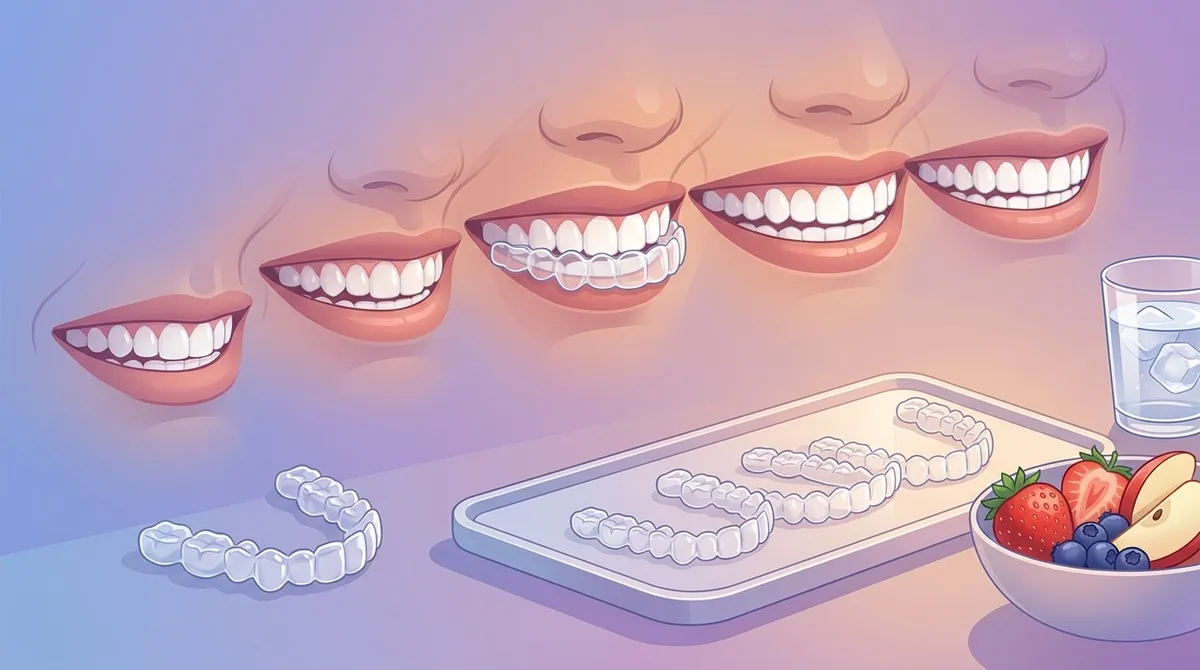
Invisalign uses custom-made clear plastic aligners worn 20-22 hours daily for 1-2 weeks each, with treatment typically lasting 12-18 months depending on case complexity and consistency.
-
Unlike traditional braces, Invisalign aligners are removable, nearly invisible, require no food restrictions, and cause minimal discomfort with smooth plastic instead of sharp metal edges.
-
Invisalign can treat crowded teeth, gaps, overbites, underbites, crossbites, and open bites, but very complex cases may require alternative solutions determined by your dentist.
-
Costs range from $2,000-$3,500 for minor corrections to $4,500-$7,500 for complex cases, with payment plans and potential insurance coverage available to reduce out-of-pocket expenses.
-
Success with Invisalign requires wearing aligners consistently, removing them only to eat/drink non-water beverages, maintaining daily cleaning habits, and following your dentist’s guidance without skipping ahead.
-
A 3D digital scan creates a custom treatment plan showing your final smile preview before starting, with regular check-ins needed to monitor progress and pick up new aligner sets.
Have you ever wished you could straighten your teeth without anyone noticing? That dream is now a reality for millions of people. Invisalign is a modern orthodontic treatment that uses clear, removable aligners to shift your teeth into the right position. No metal brackets. No wires. Just a nearly invisible path to a beautiful smile.
In 2026, more adults and teens are choosing Invisalign than ever before. It’s comfortable, discreet, and fits into your lifestyle. Whether you’re heading to work, a wedding, or just grabbing coffee, nobody has to know you’re straightening your teeth. If you’ve been curious about this popular treatment, you’re in the right place. Let’s break it all down in plain, simple terms.
What Is Invisalign and How Does It Work?
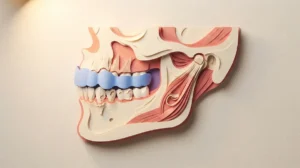
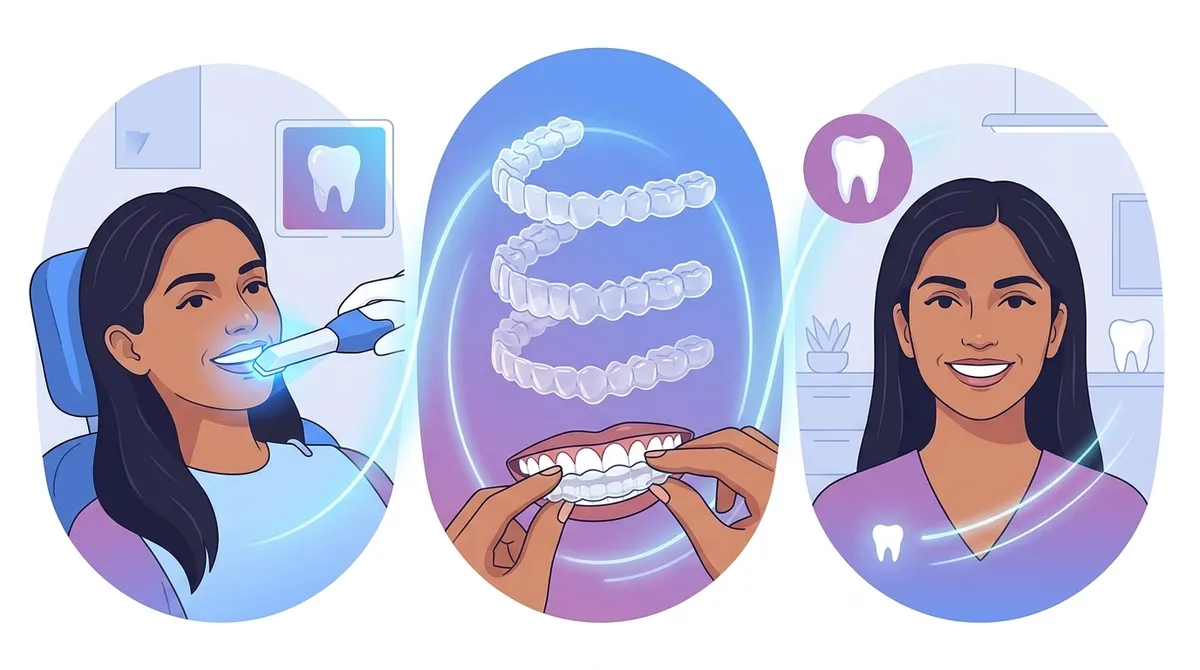
Invisalign is a teeth-straightening system made up of custom-made clear plastic trays called aligners. Each aligner is made just for your mouth. You wear each set for about one to two weeks. Then you switch to the next set. Over time, each tray gently moves your teeth a little at a time. The end result? A straighter, healthier smile.
The process starts with a 3D digital scan of your teeth. Your dentist uses this scan to map out your entire treatment plan. You can even see a digital preview of what your smile will look like before you start! That’s pretty exciting, right? To learn more about how the technology works, check out this guide on how 3D imaging plays a role in Invisalign treatment.
How Is Invisalign Different From Braces?
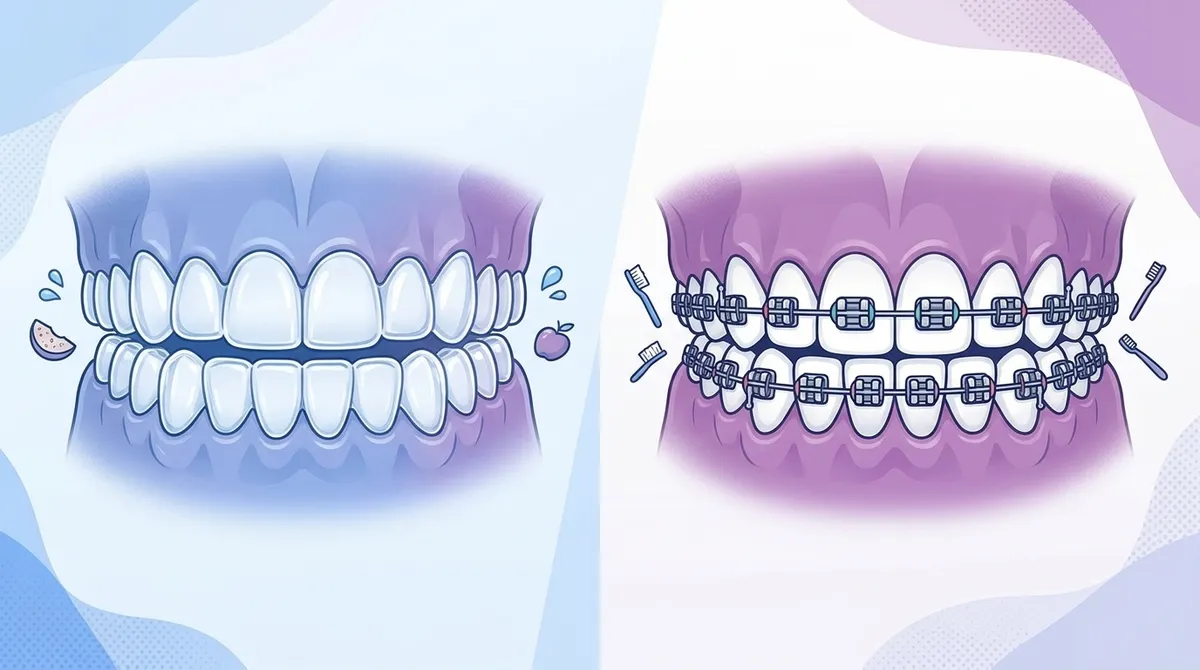
Traditional braces use metal brackets and wires glued to your teeth. Invisalign uses smooth, clear plastic trays. Both options move your teeth, but the experience is very different. Here’s a simple side-by-side comparison to help you understand:
|
Feature |
Invisalign |
Traditional Braces |
|---|---|---|
|
Visibility |
Nearly invisible |
Clearly visible metal |
|
Removable |
Yes |
No |
|
Eating restrictions |
None (remove to eat) |
Many restrictions |
|
Cleaning |
Easy – brush and floss normally |
More difficult |
|
Comfort |
Smooth plastic, no sharp edges |
Can cause irritation |
|
Office visits |
Less frequent check-ins |
Regular tightening visits |
As you can see, Invisalign offers a lot of lifestyle advantages. If you’re curious about going deeper into this comparison, read about the top benefits of choosing Invisalign over braces.
What Dental Issues Can Invisalign Fix?
Invisalign is more versatile than many people think. It’s not just for minor crowding. Invisalign can treat a wide range of orthodontic issues. Here are the most common ones:
-
Crowded teeth – When your teeth don’t have enough room and overlap each other
-
Gaps between teeth – Spaces that make you feel self-conscious about your smile
-
Overbite – When your upper teeth bite too far over your lower teeth
-
Underbite – When your lower teeth sit in front of your upper teeth
-
Crossbite – When some upper teeth sit inside the lower teeth
-
Open bite – When your upper and lower teeth don’t meet when you close your mouth
However, Invisalign isn’t always the right fit for every case. Very complex dental issues may need other solutions. Your dentist will help you figure out if you’re a good candidate. You can also review 7 conditions that may disqualify you from Invisalign to get a better idea.
Step-by-Step: What to Expect During Invisalign Treatment
Starting Invisalign is a straightforward process. Here’s what a typical treatment journey looks like:
-
Consultation: Your dentist evaluates your teeth and discusses your smile goals. This is where you decide if Invisalign is right for you.
-
Digital Scan: A 3D scan of your mouth is taken. No messy molds needed! The scan creates an exact digital model of your teeth.
-
Custom Treatment Plan: Your dentist maps out how your teeth will move throughout the process. You get to see a digital preview of your final smile.
-
Aligners Are Made: Your custom clear aligners are created in a lab and sent to your dentist’s office.
-
You Start Wearing Them: You’ll wear your aligners 20 to 22 hours per day. You take them out to eat, drink anything other than water, and brush your teeth.
-
Regular Check-Ins: You’ll visit your dentist periodically to track progress and pick up new sets of aligners.
-
Retainers After Treatment: Once your treatment is done, you’ll wear a retainer to keep your teeth in their new position. Learn more about whether you need to wear a retainer forever after Invisalign.
How Long Does Invisalign Take?
The length of treatment depends on how much correction your teeth need. Most adult cases take between 12 and 18 months. Some mild cases can be completed in as little as 6 months. More complex issues may take up to 24 months or longer.
The most important factor in your treatment timeline? Wearing your aligners consistently. The 30-minute rule for Invisalign is a helpful guideline to understand how small habits can affect your results. Consistency is everything.
How Much Does Invisalign Cost?
Cost is one of the first questions people ask. Here’s a general breakdown of what you might expect to pay:
|
Treatment Type |
Estimated Cost Range |
Best For |
|---|---|---|
|
Invisalign Lite |
$2,000 – $3,500 |
Minor corrections, few teeth |
|
Invisalign Moderate |
$3,500 – $5,000 |
Moderate crowding or spacing |
|
Invisalign Full |
$4,500 – $7,500 |
Complex or comprehensive cases |
These are general estimates. Your actual cost depends on your specific case and location. Many dental offices offer payment plans to make Invisalign more affordable. If cost is a concern, check out dental payment plans made easy at Dental Theory. Also, some dental insurance plans may cover part of the cost, so it’s always worth checking!
Important Rules for Wearing Invisalign
Getting great results from Invisalign depends on following some key guidelines. Here are the most important ones to keep in mind:
-
Wear your aligners for at least 20 to 22 hours every day
-
Remove aligners before eating or drinking anything besides plain water
-
Brush and floss before putting aligners back in
-
Clean your aligners regularly to keep them clear and odor-free
-
Never skip ahead to the next set of aligners without your dentist’s guidance
-
Store aligners in their case when not in use to avoid losing them
There are also some habits to avoid. Read about what not to do while wearing Invisalign so you don’t accidentally slow down your progress or damage your trays.
Is Invisalign Painful?
Invisalign is generally much more comfortable than traditional braces. That said, you might feel some pressure or mild discomfort when you switch to a new set of aligners. This is totally normal! It means your teeth are moving. The discomfort usually fades within a day or two.
There are no sharp metal edges to poke your cheeks or gums. The smooth plastic trays are designed for everyday comfort. For a deeper look at what to expect, check out this helpful resource on whether Invisalign is painful and what to expect.
What Are Invisalign Attachments?
Some patients need small tooth-colored bumps placed on certain teeth during treatment. These are called attachments. They help the aligners grip the teeth and apply more precise pressure for complex movements. They blend in with your teeth and are barely noticeable. Curious? Learn more about what Invisalign attachments are and how they work.
Invisalign at Dental Theory in Brandon, FL
If you’re in the Brandon area and thinking about Invisalign, you’re in great hands. Dr. K at Dental Theory is a highly experienced Invisalign provider. In fact, Dr. Chris Karapasha has been named one of America’s Top Young Dentists in Incisal Edge magazine’s 2025 40 Under 40 — a true testament to his skill and dedication.
Dr. K holds a Gold+ Invisalign provider status. You can check out Dr. K’s Gold+ Invisalign Profile to see his credentials directly. This designation means he has extensive experience helping patients achieve stunning smiles with clear aligners. He’ll create a fully personalized treatment plan designed around your goals and your lifestyle.
Dental Theory also currently offers a special promotion. Save $1,500 off Invisalign in Brandon — a fantastic opportunity to start your smile journey at a lower cost. Don’t miss it!
Quick Invisalign Facts at a Glance
|
Factor |
Details |
|---|---|
|
Treatment Duration |
6 – 24 months depending on case complexity |
|
Daily Wear Time |
20 – 22 hours per day |
|
Aligner Changes |
Every 1 – 2 weeks |
|
Age Range |
Teens and adults (typically 12+) |
|
Maintenance |
Rinse daily, brush aligners gently |
|
Post-Treatment |
Retainer required to maintain results |
Who Is a Good Candidate for Invisalign?
Invisalign works best for teens and adults with mild to moderate orthodontic issues. It’s ideal for people who want a discreet option that doesn’t interfere with daily life. Here are some signs you might be a great candidate:
-
You have crowded or spaced teeth that affect your confidence
-
You want to straighten your smile without metal braces
-
You’re committed to wearing aligners consistently each day
-
You have good overall oral health with no major untreated issues
-
You’re looking for a comfortable, lifestyle-friendly orthodontic option
Not sure if you qualify? The best next step is to avoid common Invisalign dentist search mistakes and schedule a consultation with an experienced provider. It’s a simple, no-pressure conversation that can change your life.
How to Get Started With Invisalign in 2026
Getting started is easier than you think. The process begins with a single consultation. Your dentist will evaluate your smile, take a digital scan, and talk you through your options. From there, your custom aligners are created and you’re on your way. For a full walkthrough, read about how to get started with Invisalign treatment in 2026.
You can also schedule an appointment online with Dental Theory today. It’s quick, easy, and the first step toward the smile you’ve always wanted. We’d love to meet you and help you get started on your Invisalign journey!
Want to see what other patients are saying? Visit us on Google — Dental Theory and read real reviews from real Brandon families who have experienced the Dental Theory difference firsthand.
Conclusion: Your Straighter Smile Starts Here
Invisalign is one of the most exciting innovations in modern dentistry. It’s comfortable, nearly invisible, and incredibly effective. Whether you have mild crowding or more noticeable spacing issues, Invisalign can help you get the smile you’ve always dreamed of — without anyone even knowing you’re in treatment.
The best part? You don’t have to figure it all out on your own. A caring, experienced team is here to guide you every step of the way. Dr. K at Dental Theory in Brandon, FL brings expertise, warmth, and a personalized approach to every patient. Reach out to Dental Theory today to schedule your Invisalign consultation and take the first step toward a confident, beautiful smile. You deserve it!
FAQs
Q: What is Invisalign and how does it work?
A: Invisalign is a teeth-straightening system that uses a series of custom-made clear plastic trays called aligners. You wear each set for about one to two weeks, and they gently shift your teeth into the correct position over time. It’s a comfortable, nearly invisible way to get a straighter smile without metal braces!
Q: How long does Invisalign treatment take?
A: Most adult treatment plans take between 12 and 18 months, though mild cases can finish in as little as 6 months. The timeline depends on how much correction your teeth need and how consistently you wear your aligners each day — at least 20 to 22 hours is the goal!
Q: Is Invisalign painful to wear?
A: Invisalign is much gentler than traditional braces. You might feel a little pressure or mild soreness when you switch to a new set of aligners, but this usually fades within a day or two. The smooth plastic trays don’t have sharp edges, so they’re much more comfortable day-to-day.
Q: Can I eat and drink while wearing Invisalign?
A: You’ll need to remove your aligners before eating or drinking anything except plain water. This actually makes Invisalign really convenient — no food restrictions! Just pop them out, enjoy your meal, brush your teeth, and put them back in.
Q: How much does Invisalign cost in Brandon, FL?
A: The cost of Invisalign varies based on your specific treatment needs, but it typically ranges from around $2,000 for minor cases to $7,500 for more comprehensive treatment. Dental Theory in Brandon currently offers $1,500 off Invisalign, and payment plans are available to help make your new smile fit your budget!