
Key Takeaways
-
Wear Invisalign aligners 20-22 hours daily for optimal results, removing them only for eating, drinking, and oral hygiene.
-
Treatment typically takes 12-18 months, with timelines varying based on individual dental complexity and alignment needs.
-
Custom 3D digital scans create precise treatment plans, allowing you to preview your final smile before starting treatment.
-
Remove aligners before eating and drinking anything except water to prevent staining and maintain hygiene.
-
Retainer wear is crucial after treatment to prevent teeth from shifting back to their original positions.
-
Invisalign works best for mild to moderate dental alignment issues like crowding, spacing, and minor bite problems.
-
Regular check-ups every 4-6 weeks help track progress and ensure teeth are moving according to the treatment plan.
Are you dreaming of a straighter smile but worried about the look of metal braces? You’re not alone! Many people want to improve their teeth without the hassle of traditional braces. Invisalign treatment offers a modern solution that’s almost invisible and fits right into your daily life.
Invisalign uses clear, plastic aligners to gently move your teeth into place. You can take them out when you eat or brush your teeth. This makes them super convenient and comfortable. In this guide, we’ll walk you through everything you need to know about getting started with Invisalign. From your first visit to wearing your final retainer, we’ve got you covered!
Whether you’re a busy parent, a working professional, or just someone who wants a better smile, this article will help you understand the process. Let’s explore how Invisalign can transform your smile without the metal brackets and wires of traditional braces.
What Is Invisalign Treatment?
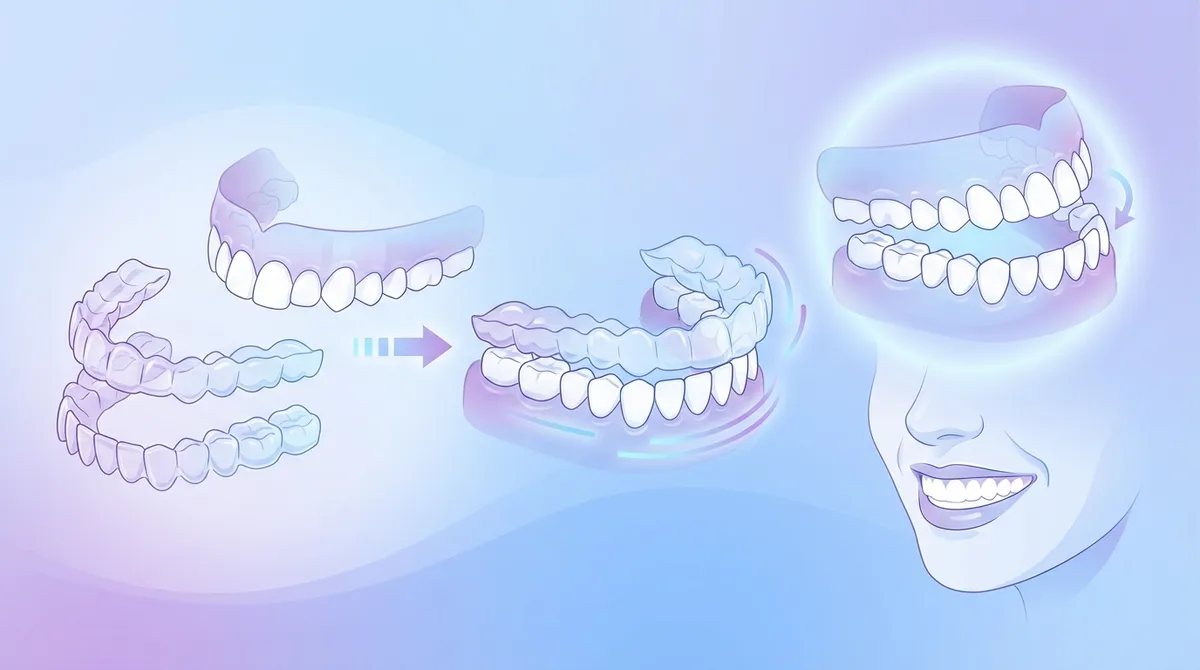
Invisalign is a modern way to straighten your teeth without metal braces. Instead of brackets and wires, you wear a series of clear plastic aligners. These aligners are custom-made to fit your teeth perfectly. They’re made from a special BPA-free plastic that’s safe and comfortable.
The best part? They’re nearly invisible! Most people won’t even notice you’re wearing them. Each aligner set gradually shifts your teeth into the right position. You’ll switch to a new set every one to two weeks as your teeth move.
Invisalign works well for many common dental issues. It can fix crowded teeth, gaps between teeth, overbites, underbites, and crossbites. If you have mild to moderate alignment problems, Invisalign might be perfect for you. At Dental Theory, Dr. K specializes in Invisalign treatment and can help you decide if it’s right for your smile.
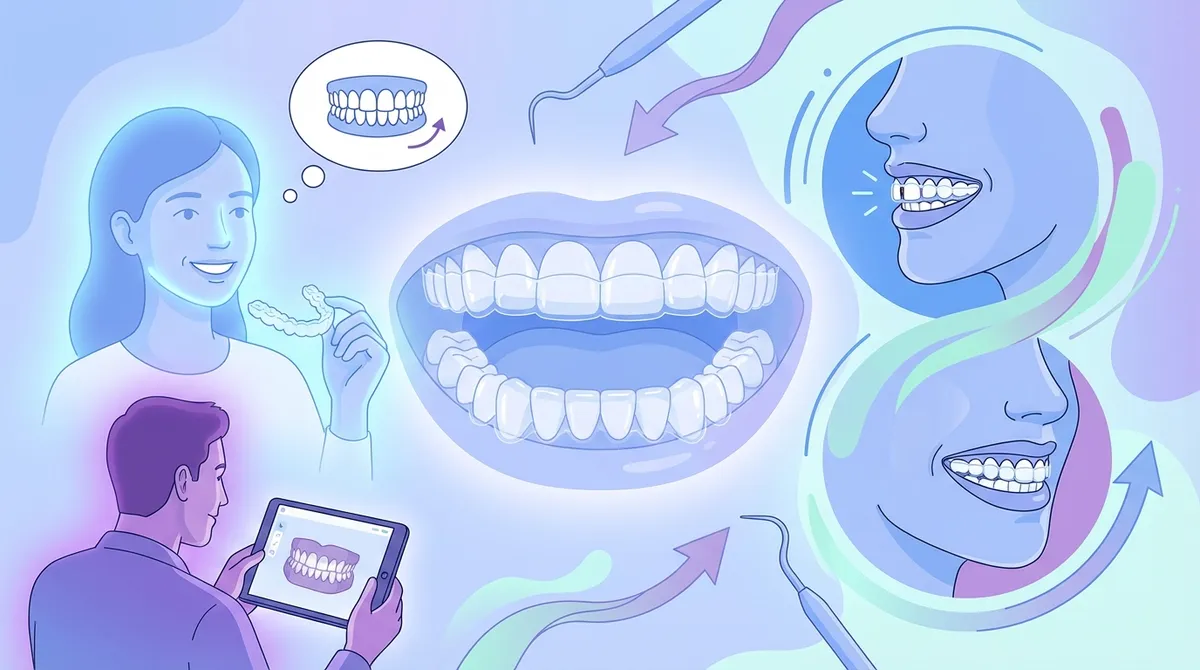
The treatment uses advanced 3D technology to plan every tooth movement. Before you even start, you’ll see a preview of how your smile will look at the end. This digital planning makes the process precise and predictable.
The Invisalign Treatment Timeline
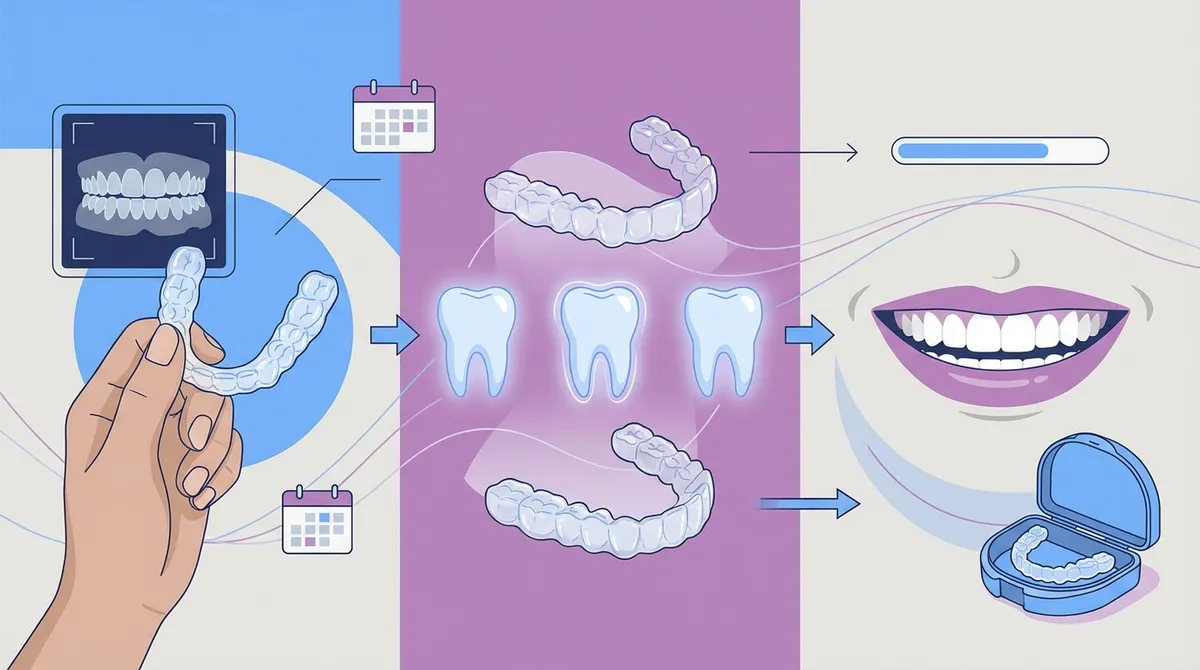
One of the most common questions people ask is: how long does Invisalign take? The answer depends on your specific case, but most people complete treatment in 12 to 18 months. This is often shorter than traditional braces, which can take 18 to 36 months or longer.
Here’s a breakdown of typical treatment times:
- Mild cases: 6 to 9 months of active aligner wear
- Moderate cases: 12 to 18 months of active aligner wear
- Complex cases: 18 to 24 months or more
- Invisalign Lite: 3 to 7 months for minor corrections
Your treatment time depends on how much your teeth need to move. Simple spacing issues might take just a few months. More complex alignment problems need more time. During your consultation, your dentist will give you a personalized timeline based on your needs.
Remember, these timelines are for the active treatment phase. After your teeth are straight, you’ll need to wear retainers to keep them in place. This is a lifelong commitment, but it’s easy! You’ll typically wear retainers every night while you sleep.
Step-by-Step Guide to Starting Invisalign
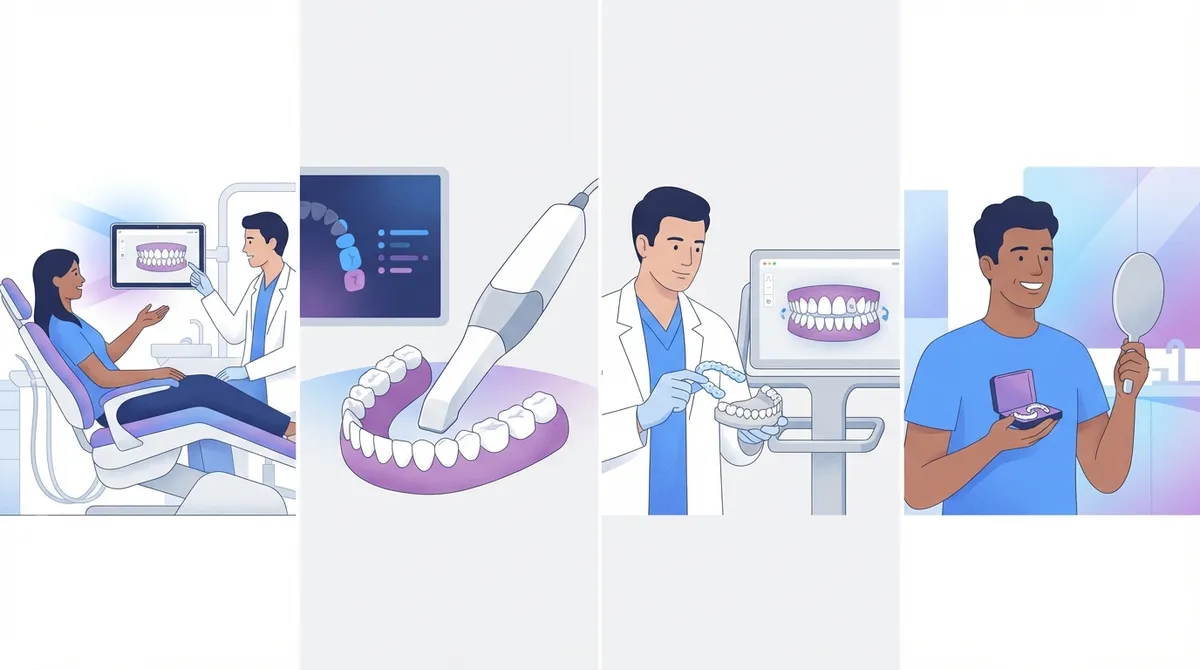
Getting started with Invisalign is easier than you might think. Here’s exactly what happens from your first visit to getting your aligners.
Step 1: Schedule Your Consultation
The first step is booking a consultation with an Invisalign provider. During this visit, your dentist will examine your teeth and discuss your goals. They’ll check if Invisalign is the right choice for your specific needs.
At this appointment, you can ask all your questions. Don’t be shy! Your dentist wants to make sure you feel comfortable and informed. They’ll also take photos and X-rays of your teeth to plan your treatment. If you’re in Brandon, Florida, you can schedule an appointment to meet with Dr. K, who has earned a Gold+ Invisalign Provider status and has helped countless patients achieve beautiful smiles.
Step 2: Digital Scanning and Treatment Planning
Once you decide to move forward, your dentist will create a digital 3D scan of your teeth. This replaces those messy traditional impressions that many people find uncomfortable. The scan is quick, easy, and accurate.
Using this scan, your dentist will create a detailed treatment plan. You’ll see a virtual preview of how your teeth will move at each stage. This computer model shows exactly what your smile will look like when treatment is complete. It’s pretty amazing to see your future smile before you even start!
Step 3: Custom Aligner Fabrication
After approving your treatment plan, your custom aligners are manufactured. This usually takes a few weeks. Each aligner is made specifically for your teeth and designed to create precise movements.
You’ll receive multiple sets of aligners at once. Each set is numbered so you know which order to wear them. Most people receive enough aligners to last several months before their next check-up.
Step 4: Begin Wearing Your Aligners
When your aligners are ready, you’ll return to pick them up and start treatment. Your dentist will show you how to put them in and take them out. They’ll also give you instructions on caring for your aligners.
Here are the key rules for wearing Invisalign aligners:
- Wear your aligners 20 to 22 hours every day
- Only remove them for eating, drinking (except water), and brushing your teeth
- Switch to your next aligner set every 1 to 2 weeks as directed
- Clean your aligners daily with a soft toothbrush and clear soap
- Store aligners in their case when not wearing them
The more consistently you wear your aligners, the faster and better your results will be. Skipping wear time can slow down your progress and extend your treatment.
Step 5: Regular Check-Ups
Throughout your treatment, you’ll have check-ups every 4 to 6 weeks. These visits are usually quick and easy. Your dentist will make sure your teeth are moving as planned and give you your next sets of aligners.
These appointments are important for tracking your progress. If any adjustments are needed, your dentist can address them right away. Most visits take less than 30 minutes, making them easy to fit into your schedule.
Who Is a Good Candidate for Invisalign?
Invisalign works great for many people, but it’s not for everyone. Understanding if you’re a good candidate helps you make the right choice for your smile.
Ideal Candidates
You might be a perfect candidate for Invisalign if you have:
- Mild to moderate crowding or spacing issues
- An overbite, underbite, or crossbite that’s not too severe
- Good oral health with healthy gums and teeth
- The commitment to wear aligners 20-22 hours daily
- Fully developed permanent teeth (usually age 13 and up)
Invisalign is especially popular with adults and teens who want a discreet treatment option. If you’re concerned about how braces might affect your professional appearance or social life, Invisalign offers a nearly invisible solution.
When Traditional Braces Might Be Better
Some cases are too complex for Invisalign alone. Traditional braces might be recommended if you have:
- Severe crowding or major spacing problems
- Complex bite issues that need more force
- Teeth that need to be rotated significantly
- Large gaps that require major tooth movement
Your dentist will honestly assess your situation and recommend the best option. Sometimes a combination approach works best, using braces first and then Invisalign for finishing touches.
Invisalign vs. Traditional Braces: Key Differences
Wondering how Invisalign compares to regular braces? Let’s look at the main differences to help you decide which is right for you.
| Feature | Invisalign | Traditional Braces |
|---|---|---|
| Appearance | Nearly invisible clear aligners | Visible metal brackets and wires |
| Comfort | Smooth plastic, no sharp edges | Can irritate cheeks and lips |
| Removability | Take out for eating and cleaning | Permanently attached until removal |
| Food Restrictions | None – remove aligners to eat | Avoid hard, sticky foods |
| Oral Hygiene | Easy – brush and floss normally | More difficult to clean around brackets |
| Treatment Time | 12-18 months average | 18-36 months average |
| Office Visits | Every 4-6 weeks, quick check-ups | Every 4-6 weeks for adjustments |
Both options work well, but they fit different lifestyles and needs. Invisalign offers more flexibility and convenience for many patients. However, traditional braces remain the gold standard for very complex cases.
Daily Life with Invisalign Aligners
One of the biggest advantages of Invisalign is how easily it fits into your daily routine. Here’s what to expect in your everyday life during treatment.
Eating and Drinking
You’ll remove your aligners before every meal and snack. This means you can eat anything you want! There are no food restrictions like with traditional braces. Just remember to brush your teeth before putting your aligners back in.
When it comes to drinks, water is fine with your aligners in. But you should remove them for coffee, tea, soda, or anything colored. These drinks can stain your aligners and make them visible. They can also trap sugar against your teeth, increasing cavity risk.
Oral Hygiene Routine
Keeping your teeth clean is actually easier with Invisalign than with braces. Here’s your daily routine:
- Remove your aligners before brushing
- Brush your teeth thoroughly with fluoride toothpaste
- Floss between all your teeth
- Rinse your aligners with lukewarm water
- Gently brush your aligners with a soft toothbrush
- Put clean aligners back on clean teeth
This routine should happen after every meal if possible. At minimum, do a thorough cleaning morning and night. Good hygiene prevents cavities and keeps your aligners clear and fresh.
Social Situations and Special Events
Most people won’t notice you’re wearing Invisalign unless you tell them. For special occasions like weddings or important photos, you can remove your aligners for a few hours. Just remember this counts toward your daily wear time.
Speaking with aligners takes a day or two to get used to. Most people adapt quickly and don’t have any speech issues. Your aligners might feel tight for the first day or two after switching to a new set, but this is normal and means they’re working!
Cost and Payment Options for Invisalign
Understanding the cost of Invisalign helps you plan your budget. While prices vary based on your specific needs, most treatments fall within a predictable range.
What Affects the Cost?
Several factors influence how much you’ll pay for Invisalign:
- The complexity of your case (mild cases cost less than complex ones)
- How long your treatment will take
- Your geographic location
- Your dentist’s experience level
- Whether you need refinements or additional aligners
Invisalign Lite, which treats minor issues with up to 14 aligners, typically costs less than full Invisalign treatment. This option works great for small corrections and takes just 3 to 7 months.
Making Treatment Affordable
Many dental practices offer flexible payment options to make Invisalign accessible. At Dental Theory, we understand that investing in your smile is important. Here are common ways to pay for treatment:
- Dental Insurance: Many insurance plans cover Invisalign just like traditional braces
- Flexible Payment Plans: Monthly payments that fit your budget
- Health Savings Accounts (HSA) or Flexible Spending Accounts (FSA): Use pre-tax dollars for treatment
- In-House Membership Plans: Some offices offer special in-house membership plans with discounted rates
Don’t let cost concerns stop you from exploring your options. Many patients are surprised by how affordable Invisalign can be with the right payment plan.
What to Expect During Treatment
Knowing what to expect helps you feel confident throughout your Invisalign journey. Here are the common experiences most patients have.
Initial Adjustment Period
The first few days with Invisalign can feel strange. Your aligners might feel tight, and you’ll be aware of them in your mouth. This is completely normal! Most people adjust within 3 to 5 days.
You might also notice increased saliva production at first. Your mouth thinks the aligners are food and produces extra saliva. This goes away quickly as your mouth gets used to the aligners.
Discomfort and Pressure
Does Invisalign hurt? Most patients describe a feeling of pressure rather than pain. Each time you switch to a new aligner set, you’ll feel tightness for a day or two. This pressure is a good sign – it means your teeth are moving!
The discomfort is usually mild and manageable. Over-the-counter pain relievers can help if needed. Unlike traditional braces, you won’t have to worry about brackets scratching your mouth or wires poking your cheeks.
Tracking Your Progress
One of the most exciting parts of Invisalign is seeing your progress! You’ll notice changes within the first few months. Taking photos every few weeks helps you see how far you’ve come.
Your dentist will track your progress at each check-up. They’ll compare your teeth to the treatment plan to make sure everything is moving correctly. Most patients stay right on schedule if they wear their aligners as directed.
After Treatment: Retention Phase
Congratulations – your teeth are straight! But your Invisalign journey isn’t quite over yet. The retention phase is crucial for keeping your beautiful new smile.
Why Retainers Are Essential
After your teeth move into position, they naturally want to shift back. This is called relapse, and it happens to everyone without proper retention. Retainers hold your teeth in their new positions while the bone and tissue stabilize.
Skipping your retainer can undo months of treatment in just a few weeks. The good news is that wearing retainers is easy and becomes second nature quickly.
Your Retainer Schedule
Here’s a typical retention schedule:
- First 3-6 months: Wear retainers full-time (20-22 hours daily)
- After 6 months: Switch to nighttime wear only
- Long-term: Continue nighttime wear indefinitely
Some people need to wear retainers every night forever. Others can eventually switch to a few nights per week. Your dentist will guide you based on your specific needs. The key is consistency – wearing your retainer as prescribed protects your investment in your smile.
Types of Retainers
You’ll likely receive clear retainers similar to your Invisalign aligners. These are comfortable and nearly invisible. Some dentists also recommend a permanent retainer – a thin wire bonded to the back of your front teeth. This provides extra security against shifting.
Tips for Invisalign Success
Want to get the best results from your Invisalign treatment? Follow these proven tips from successful patients.
Maximize Your Wear Time
The 20-22 hour daily wear requirement isn’t just a suggestion. Your teeth need constant, gentle pressure to move efficiently. Here’s how to hit your target:
- Put your aligners back in immediately after eating
- Keep your aligner case with you always
- Set phone reminders if you tend to forget
- Plan meals and snacks to minimize removal time
Keep Aligners Clean
Clean aligners stay invisible and don’t develop odors. Clean them every time you brush your teeth. Use a soft toothbrush with clear, antibacterial soap or special aligner cleaner. Never use toothpaste on aligners – it’s too abrasive and will scratch them.
Stay on Schedule
Switch to new aligners on time as prescribed. Don’t skip ahead or delay changes without consulting your dentist. Stick to your check-up appointments even if everything feels fine. These visits catch small issues before they become big problems.
Communicate with Your Dentist
If something doesn’t feel right, reach out to your dental team. Whether an aligner isn’t fitting properly or you’re experiencing unusual discomfort, early communication prevents problems. Your dentist is your partner in this journey and wants to help you succeed.
Invisalign Lite: A Faster Option
If your alignment issues are minor, Invisalign Lite might be perfect for you. This streamlined version treats mild to moderate problems in less time and often at a lower cost.
What Is Invisalign Lite?
Invisalign Lite uses up to 14 aligners to make targeted corrections. Treatment typically takes 3 to 7 months – much faster than full Invisalign. It’s ideal for:
- Small gaps between teeth
- Minor crowding
- Slight rotations
- Relapse after previous orthodontic treatment
The process is the same as regular Invisalign, just with fewer aligners. You’ll still get the digital preview, custom aligners, and regular check-ups. The main difference is the shorter timeline and focused treatment.
Is Invisalign Lite Right for You?
Your dentist will determine if Invisalign Lite can achieve your goals. During your consultation, they’ll assess your teeth and recommend the best option. If you only need minor corrections and want quick results, Invisalign Lite might be your answer.
Choosing the Right Invisalign Provider
Not all Invisalign providers are the same. Choosing an experienced dentist makes a huge difference in your results and experience.
What to Look for in a Provider
When selecting your Invisalign dentist, consider these factors:
- Experience Level: Look for providers with Invisalign certification and lots of completed cases
- Technology: Modern 3D scanners and digital planning tools improve accuracy
- Reviews and Testimonials: Check patient reviews and before-and-after photos
- Communication Style: Choose someone who listens to your concerns and explains things clearly
- Convenience: Consider location, office hours, and appointment availability
Why Experience Matters
Invisalign treatment planning is both science and art. Experienced providers know how to predict tooth movements and solve problems that arise during treatment. They’ve seen many different cases and know how to achieve the best results.
Dental Theory in Brandon, Florida, offers expert Invisalign treatment with Dr. K, who has achieved Gold+ provider status. This designation recognizes dentists who have successfully completed numerous Invisalign cases. You can visit us on Google to read reviews from happy patients who have transformed their smiles with Invisalign.
Common Invisalign Myths Debunked
Let’s clear up some common misconceptions about Invisalign treatment.
Myth 1: Invisalign Is Only for Minor Issues
While Invisalign started as a treatment for mild cases, it has evolved significantly. Today’s Invisalign can handle many moderate and even some complex cases. The technology and materials have improved dramatically over the years.
Myth 2: Invisalign Takes Longer Than Braces
Actually, the opposite is often true! Average Invisalign treatment takes 12-18 months compared to 18-36 months for traditional braces. Of course, individual cases vary, but Invisalign is typically faster.
Myth 3: Invisalign Is Too Expensive
Invisalign costs about the same as traditional braces in most cases. When you factor in payment plans and insurance coverage, it’s very affordable. Many patients find the convenience and comfort worth any small cost difference.
Myth 4: You Can Skip Wearing Aligners Sometimes
Consistency is crucial for Invisalign success. Skipping wear time extends your treatment and can compromise results. If you’re not ready to commit to 20-22 hours daily, Invisalign might not be your best option.
Is Invisalign Right for You?
Now that you know how Invisalign works, it’s time to decide if it’s the right choice for your smile. Invisalign offers a comfortable, convenient, and nearly invisible way to straighten your teeth. With average treatment times of 12-18 months, you could have your dream smile in just over a year!
The key to success is choosing an experienced provider and wearing your aligners as directed. Regular check-ups keep your treatment on track, and retainers preserve your results for life. If you’re ready to transform your smile without metal braces, Invisalign might be perfect for you.
At Dental Theory in Brandon, Florida, we specialize in creating beautiful smiles with Invisalign. Dr. K combines expert training with advanced technology to deliver exceptional results. Our friendly team makes every visit comfortable and stress-free. We’re proud to serve families throughout Brandon with comprehensive cosmetic dentistry services that help you look and feel your best.
Ready to start your Invisalign journey? Don’t wait to get the smile you’ve always wanted. Contact Dental Theory today to schedule your consultation. We’ll evaluate your teeth, answer all your questions, and create a personalized treatment plan just for you. Your new smile is waiting!
FAQs
Q: How long does Invisalign treatment typically take?
A: Most Invisalign treatments take between 12 to 18 months to complete. However, your specific timeline depends on how much your teeth need to move. Mild cases might be done in just 6 to 9 months, while more complex situations could take up to 24 months. Your dentist will give you a personalized timeline during your consultation based on your unique needs.
Q: Can I eat whatever I want with Invisalign?
A: Yes! One of the best things about Invisalign is that you can eat anything you want. Since you remove your aligners before eating, there are no food restrictions like with traditional braces. Just remember to brush your teeth before putting your aligners back in to keep them clean and clear.
Q: How often do I need to wear my Invisalign aligners?
A: You need to wear your Invisalign aligners 20 to 22 hours every day for the best results. You should only remove them for eating, drinking anything except water, and brushing your teeth. The more consistently you wear your aligners, the faster you’ll see results and stay on track with your treatment plan.
Q: Does Invisalign hurt?
A: Invisalign is generally comfortable, though you’ll feel some pressure when you switch to a new aligner set. Most people describe it as tightness rather than pain, and it usually goes away after a day or two. This pressure is actually a good sign that your teeth are moving! Unlike traditional braces, Invisalign won’t irritate your cheeks or lips with sharp brackets and wires.
Q: How much does Invisalign treatment cost?
A: The cost of Invisalign varies based on your specific needs and how long your treatment takes. In most cases, Invisalign costs about the same as traditional braces. Many dental insurance plans cover Invisalign just like braces, and most offices offer flexible payment plans to make treatment affordable. The best way to get an accurate cost estimate is to schedule a consultation with an Invisalign provider who can assess your case.