

Key Takeaways
- Corporate dental chains are owned by large companies or investment firms, with dentists working as employees who must follow strict corporate policies.
- Private dental practices are owned by individual dentists who have complete control over patient care, treatment options, and office decisions.
- Look for signs of ownership by checking the office website, asking staff directly, and noting if the practice name prominently features a dentist’s name.
- High staff and dentist turnover is a red flag for corporate practices, while private practices typically have long-term, stable teams that build consistent patient relationships.
- Private dental offices often provide more personalized, patient-centered care with flexible treatment approaches and payment options compared to standardized corporate practices.
Choosing the right dentist isn’t just about finding someone who can clean your teeth. It’s about finding a dental home where you feel comfortable, valued, and well cared for. One important thing many people don’t think about is whether their dentist works at a corporate dental chain or runs a private practice. This difference can affect everything from the quality of your care to how much time your dentist spends with you during appointments.
Understanding whether you’re visiting a corporate or private dental office helps you make better choices about your family’s oral health. Corporate dentistry has grown rapidly in recent years, with large companies buying up local practices. While these offices can offer convenience, private practices like Dental Theory in Brandon, Florida provide something special: personalized care from dentists who own their practice and truly invest in their community.
In this article, we’ll walk you through three clear ways to identify whether a dental office is corporate or privately owned. You’ll learn what to look for, what questions to ask, and why it matters for your dental health and your wallet.
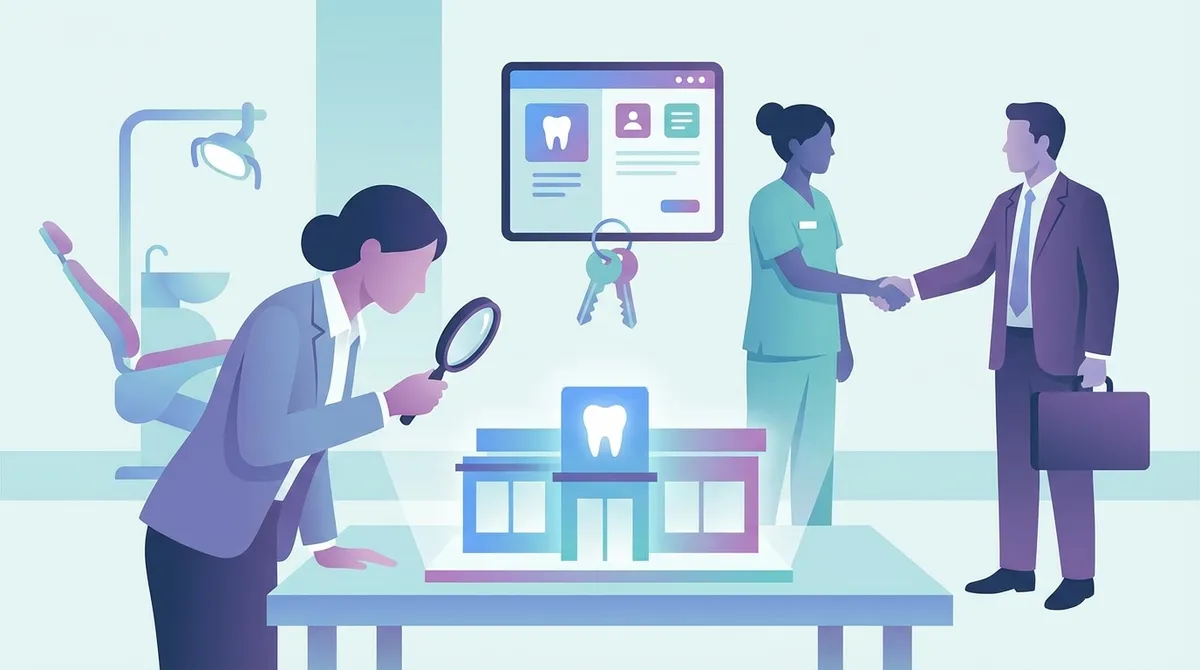
1. Check Who Actually Owns the Practice
The most important difference between corporate and private dentistry is ownership. This single factor influences nearly everything about your dental experience, from treatment recommendations to appointment scheduling.
Understanding Corporate Ownership
Corporate dental offices are owned by large companies, investment firms, or Dental Service Organizations (DSOs). These organizations operate multiple dental locations, sometimes hundreds across the country. The dentists working there are employees, not owners. They must follow corporate policies about everything from treatment plans to how many patients they see each day.
Private equity firms have been buying dental practices at a rapid pace. These investors focus on profits and growth rather than patient relationships. The dentists become employees who answer to business managers, not fellow dental professionals.
How Private Practices Operate Differently
Private dental practices are owned by individual dentists or small partnerships of dental professionals. When you visit a private practice, you’re seeing the actual owner or one of the partners who has invested their career into that specific location. At Dental Theory, Dr. Chris Karapasha and Dr. Priyanka Karapasha own and operate their practice together, making all decisions about patient care, staffing, and treatment options.
Private practice owners have complete control over their office. They choose which services to offer, what technology to invest in, and how to treat their patients. They’re not answering to corporate bosses or meeting quotas set by investors who’ve never met a patient.
Simple Ways to Find Out Who Owns Your Dental Office
Here are practical steps you can take to discover the ownership structure:
- Ask directly at the front desk: “Is this practice privately owned by the dentist, or is it part of a larger organization?” The staff should be able to answer immediately.
- Look at the office website: Private practices usually feature the owner-dentist prominently with detailed biographies and personal photos. Corporate sites often look generic with stock images and minimal dentist information.
- Check the door or window signage: Corporate practices often display the parent company’s logo alongside or instead of the dentist’s name.
- Search online for the practice name plus “DSO” or “dental service organization” to see if it’s affiliated with a corporate chain.
- Look for multiple locations: If the same dental office name appears in many cities or states, it’s likely corporate.
Why Ownership Matters for Your Care
When a dentist owns their practice, they have the freedom to put patients first. They can spend extra time with you during appointments, offer flexible payment options, and customize treatments to fit your specific needs. They’re building a reputation in their community, not just meeting corporate performance metrics.
Corporate dentists often face pressure to see more patients each hour and recommend certain procedures to meet quotas. This doesn’t mean corporate dentists are bad people, but they’re working within a system that prioritizes profit over patient relationships.
| Ownership Factor | Corporate Dentistry | Private Practice |
|---|---|---|
| Who Makes Decisions | Corporate executives and managers | The dentist who owns the practice |
| Focus | Profits and patient volume | Patient relationships and quality care |
| Dentist Autonomy | Limited, must follow corporate protocols | Complete control over treatment plans |
| Number of Locations | Often 10+ locations or more | Usually 1-2 locations |

2. Look at Dentist Consistency and Staff Turnover
The second major indicator of whether you’re at a corporate or private dental office is how often you see the same dentist and staff members. This consistency tells you a lot about the practice culture and priorities.
The Revolving Door at Corporate Practices
Corporate dental offices often struggle with high turnover among both dentists and staff. Dentists may rotate between multiple locations owned by the same company. You might see a different dentist at each appointment, making it impossible to build a relationship with one provider who knows your dental history.
Many dentists leave corporate positions after a short time because they feel pressured to focus on production numbers rather than patient care. This creates an unstable environment where patients can’t rely on seeing familiar faces. High turnover also affects staff like dental hygienists, assistants, and front office workers.
Building Relationships at Private Practices
Private practices typically have much lower turnover because the work environment is more satisfying. Dentists who own their practice aren’t going anywhere they’ve invested years building their patient base and reputation. Staff members often stay for many years because they’re treated as valuable team members, not replaceable employees.
At a private practice like Dental Theory, patients develop real relationships with their dental team. Your dentist remembers your family, your concerns, and your goals. This continuity of care leads to better outcomes because your dentist can track changes in your oral health over months and years.
Questions to Ask About Consistency
When you’re evaluating a dental office, ask these important questions:
- Will I see the same dentist at each visit, or does it rotate?
- How long has the dentist been practicing at this location?
- Does the dentist own this practice?
- How long has the office manager and dental hygienist team been working here?
- If I need follow-up care, will the same dentist handle it?
The Impact of Consistent Care
Seeing the same dentist every time matters more than you might think. Your dentist learns your unique dental anatomy, remembers which teeth have had previous work, and understands your anxiety levels or comfort preferences. This knowledge leads to more accurate diagnoses and better treatment planning.
For families with children, consistency is especially important. Kids build trust with their dentist over time. When they see the same friendly face at each appointment, dental visits become easier and less stressful. Dr. Priyanka Karapasha specializes in pediatric dentistry, providing consistent, compassionate care that helps children develop positive attitudes about dental health.
| Consistency Factor | Corporate Dentistry | Private Practice |
|---|---|---|
| Dentist Consistency | Rotating dentists, different provider each visit | Same dentist every appointment |
| Staff Turnover | High turnover, frequent new faces | Low turnover, long-term team members |
| Relationship Building | Difficult due to constant changes | Strong patient-dentist relationships |
| Knowledge of Your History | Must review charts each time | Dentist remembers your specific situation |

3. Evaluate the Office Atmosphere and Treatment Approach
The third way to identify corporate versus private dentistry is by paying attention to the overall atmosphere and how the office approaches your care. These subtle differences reveal the practice’s true priorities.
Corporate Atmosphere: Efficiency Over Experience
Corporate dental offices often feel more like busy medical factories than welcoming healthcare environments. Everything is designed for maximum efficiency and patient throughput. Appointment slots are typically shorter, leaving little time for conversation or questions. You might feel rushed through your visit.
The office decor in corporate practices tends to be generic and standardized. Every location looks similar because they use the same interior design templates. There’s rarely anything unique or personal about the space. The atmosphere can feel cold and impersonal, like you’re just another number in the system.
Corporate practices often push specific treatments or products because the parent company has deals with certain suppliers or quotas to meet. You might notice aggressive marketing for teeth whitening, veneers, or other elective procedures. The focus shifts from what you need to what generates revenue.
Private Practice Atmosphere: Personalized and Patient-Centered
Private dental practices create warm, welcoming environments that reflect the owner’s personality and values. The office feels like someone’s pride and joy because it is. You’ll notice personal touches, from the artwork on the walls to the way the reception area is arranged. Many private practices feel more like comfortable living spaces than clinical environments.
At Dental Theory, the atmosphere emphasizes being stress-free and rejuvenating. The office design and team approach make patients feel relaxed rather than anxious. This is especially important for general dentistry patients who may have dental anxiety.
Private practice dentists spend more time with each patient. They’re not watching the clock or trying to squeeze in one more appointment. They answer your questions thoroughly and explain treatment options in detail. You never feel rushed or like you’re inconveniencing them.
Treatment Philosophy Differences
The way a practice approaches treatment reveals whether it’s corporate or private. Corporate dentistry often follows rigid, standardized protocols that apply to everyone. There’s less flexibility to customize treatments based on individual circumstances. Treatment recommendations may be influenced by what’s most profitable rather than what’s truly best for you.
Private practices take a more individualized approach. Your dentist considers your specific situation, budget, and preferences when recommending treatments. There’s flexibility to explore different options and timelines. Private dentists are more likely to offer conservative treatments first rather than immediately suggesting expensive procedures.
Community Connection and Reputation
Private practice dentists are deeply invested in their local communities. They live in the area, their children attend local schools, and they participate in community events. Their reputation is everything. Word-of-mouth referrals from satisfied patients are their primary marketing tool.
Corporate dental chains rely on advertising and marketing budgets rather than local reputation. They may have multiple locations across a region or country, but no deep roots in any single community. The dentists working there might not even live in the neighborhood.
You can check a private practice’s reputation by looking at local reviews and asking neighbors for recommendations. Dental Theory has earned recognition in the Brandon community through years of providing excellent care. Dr. Chris Karapasha has even been honored as one of America’s Top Young Dentists, showing the level of expertise you’ll find at established private practices.
Flexibility and Payment Options
Private practices typically offer more flexible payment options because the owner can make these decisions directly. They may be willing to work with you on payment plans or offer discounts for paying in full. Many private practices create their own membership plans for patients without insurance, providing affordable access to preventive care.
Corporate offices usually have strict payment policies set by the parent company. There’s less room for negotiation or flexibility. Everything must go through corporate channels, which can be frustrating when you’re trying to work out payment arrangements.
| Atmosphere Factor | Corporate Dentistry | Private Practice |
|---|---|---|
| Office Environment | Standardized, generic, clinical feel | Personalized, warm, welcoming atmosphere |
| Appointment Time | Shorter, rushed appointments | Adequate time for thorough care and questions |
| Treatment Approach | Standardized protocols, production-focused | Individualized, patient-centered care |
| Community Connection | Minimal local involvement | Deep community roots and reputation |
| Payment Flexibility | Rigid corporate policies | Flexible options and willingness to work with patients |
Red Flags That Suggest Corporate Dentistry
Watch for these warning signs that you might be dealing with a corporate dental chain:
- The office name is a generic phrase like “Bright Smiles Dental” or “Family Dental Care” rather than a dentist’s name
- Heavy advertising with promotional offers and discounts that seem too good to be true
- Pressure to accept treatment plans immediately without time to consider your options
- Aggressive upselling of cosmetic procedures or products
- Staff members who can’t tell you who owns the practice or seem evasive about ownership
- A different dentist at each appointment with no explanation
- Treatment recommendations that seem excessive or unnecessary
Green Flags for Private Practice
These positive signs indicate you’ve found a quality private practice:
- The practice is named after the dentist who owns it
- The dentist actively participates in local community events and organizations
- Staff members have worked there for many years
- The dentist takes time to educate you about your oral health without rushing
- Treatment recommendations are conservative and focused on prevention
- The office has a personal feel with unique touches that reflect the dentist’s personality
- Patients in the waiting room are chatting with staff like old friends

Making the Right Choice for Your Dental Care
Now that you understand the key differences between corporate and private dental practices, you can make an informed decision about where to receive your dental care. The choice matters because it affects not just your oral health, but also your overall experience, the relationships you build, and even the cost of your care over time.
Why Private Practice Offers Better Value
While corporate dentistry might seem convenient with multiple locations and extended hours, private practices offer something far more valuable: continuity of care from a dentist who genuinely knows you. This relationship-based approach leads to better outcomes, fewer unnecessary procedures, and a more pleasant dental experience overall.
Private practices invest in building long-term relationships with their patients. They succeed when their patients return year after year and refer their friends and family. This creates a natural incentive to provide excellent care and maintain a sterling reputation in the community.
The Dental Theory Difference
At Dental Theory in Brandon, Florida, you’ll experience the benefits of private practice dentistry firsthand. As a family-focused practice owned and operated by Dr. Chris Karapasha and Dr. Priyanka Karapasha, Dental Theory offers comprehensive services for patients of all ages. From cosmetic dentistry with same-day crowns to specialized pediatric care, you’ll receive personalized treatment in a stress-free environment.
Dr. Priyanka Karapasha is the only board-certified pediatric dentist offering in-office sedation in Brandon, making Dental Theory uniquely qualified to care for children who need extra support during dental visits. This level of specialized expertise and individualized attention is exactly what sets private practices apart from corporate chains.
Taking Action
If you’re currently seeing a corporate dentist and feeling dissatisfied, it’s never too late to switch to a private practice. Look for a dentist who prioritizes relationships over transactions, who knows your name when you walk in, and who has deep roots in your community.
Ask friends and neighbors for recommendations. Check online reviews, but focus on comments about the dentist’s chairside manner and how patients feel about the care they receive, not just whether the office is convenient or has fancy technology.
When you find a private practice that feels right, schedule an appointment for a consultation or routine cleaning. Pay attention to how you’re treated from the moment you call to make the appointment. A quality private practice will make you feel valued and welcome right from the start.
Your dental health is too important to leave to chance or settle for impersonal, assembly-line care. Choose a dental home where you’re treated like family, where your dentist remembers you, and where your care is never compromised by corporate quotas or profit margins. That’s the promise of private practice dentistry, and that’s what you’ll find at practices like Dental Theory in Brandon.
Ready to experience the difference of private practice dentistry? Contact Dental Theory today to schedule your family’s appointment and discover what personalized, relationship-based dental care feels like. You can also visit us on Google to read reviews from our satisfied patients and learn more about why families throughout Brandon trust us with their dental health.
FAQs
Q: What’s the main difference between corporate and private dental practices?
A: The main difference is ownership. Corporate practices are owned by large companies or investors who prioritize profits and volume, while private practices are owned by individual dentists who can focus on building patient relationships and providing personalized care. This affects everything from appointment length to treatment recommendations and how much time your dentist spends with you.
Q: How can I find out if my dentist is part of a corporate chain?
A: Simply ask the front desk staff who owns the practice. You can also check the website for information about the dentist-owner, look for corporate logos on signage, and search online for the practice name plus “DSO” or “dental service organization.” If the same practice name appears in multiple cities, it’s likely corporate.
Q: Are corporate dental practices more affordable than private practices?
A: Not necessarily. While corporate practices may advertise promotional discounts, private practices often offer more flexible payment options and can customize treatment plans to fit your budget. Many private practices also create in-house membership plans that provide affordable preventive care without insurance, sometimes offering better overall value than corporate chains.
Q: Why does it matter if I see the same dentist every visit?
A: Seeing the same dentist builds a relationship where your provider knows your dental history, unique anatomy, and personal concerns. This continuity leads to more accurate diagnoses, better treatment planning, and a more comfortable experience. It’s especially important for children who need to build trust with their dentist over time.
Q: Do corporate dentists provide lower quality care?
A: Not necessarily, but corporate dentists often work under pressure to see more patients per hour and may face quotas for certain procedures. This can lead to rushed appointments and treatment recommendations influenced by profit goals rather than just patient needs. Private practice dentists have more freedom to prioritize your individual care without corporate pressures.