Key Takeaways
-
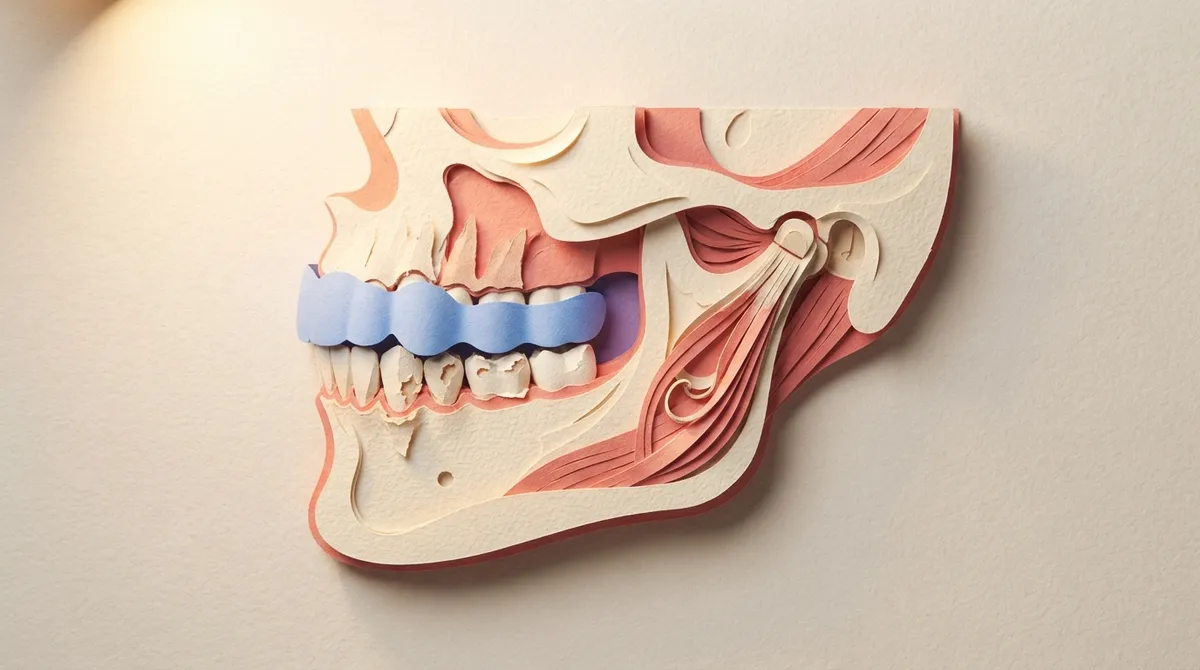
Bruxism is a habit of grinding or clenching teeth, often during sleep, while a TMJ disorder is a problem with the jaw joint and surrounding muscles.
-
Common bruxism signs include worn, flat, or chipped teeth, morning headaches, tight jaw muscles, and grinding sounds noticed by a partner.
-
Common TMJ disorder signs include jaw joint pain, clicking or popping when opening the mouth, jaw locking, and earaches or facial pain.
-
Bruxism can lead to a TMJ disorder over time, and a TMJ disorder can increase clenching, so the two often occur together.
-
A custom night guard is a common treatment for bruxism, while TMJ care often includes custom oral appliances, warm compresses, jaw exercises, and physical therapy.
-
See a dentist if jaw pain lasts more than a few days, your jaw locks, or your teeth look worn or chipped, since early care prevents bigger problems.
Waking up with a sore jaw is no fun. Maybe your partner says you grind your teeth at night. Maybe your jaw clicks every time you chew a bagel. You might wonder, “Is this bruxism, or do I have a TMJ disorder?” Great news: you are not alone, and you have come to the right place. This is one of the most common questions we hear at Dental Theory.
So, what is the difference between bruxism and a TMJ disorder? In short, bruxism is a habit of grinding or clenching your teeth. A TMJ disorder is a problem with the jaw joint and the muscles around it. They often show up together, but they are not the same thing. One can even cause the other.
In this friendly guide, we will walk you through each condition, compare the signs, and show you how to figure out what is going on. We will also share how to get the right care here in Brandon, FL. Let’s get started.
What Is Bruxism?
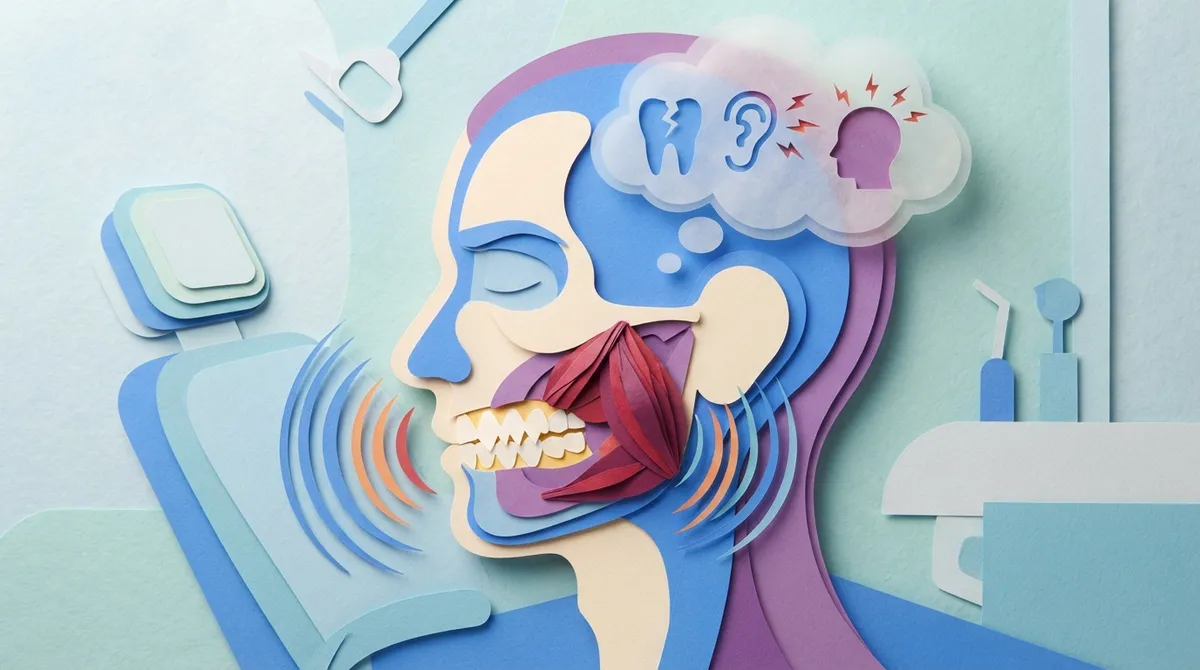
Bruxism is the habit of grinding, gnashing, or clenching your teeth. Many people do it without knowing. It can happen while you sleep (sleep bruxism) or while you are awake (awake bruxism). Stress, anxiety, poor sleep, and even your daily habits can trigger it.
Think of bruxism as a behavior. Your teeth and jaw muscles are working overtime when they should be resting. Over time, that extra pressure can wear down your teeth and tire out your jaw.
Common Signs of Bruxism
- Flat, worn, or chipped teeth
- Teeth that feel sensitive to hot or cold
- A dull headache when you wake up
- Tight or tired jaw muscles in the morning
- Grinding sounds at night (often noticed by a partner)
- Small dents or sore spots on the inside of your cheeks
What Causes Bruxism?
There is rarely just one cause. Here are some common triggers:
- Stress and anxiety
- Sleep problems, such as snoring or sleep apnea
- Too much caffeine or alcohol
- Smoking
- Crooked or missing teeth
- Certain medications
Kids can grind their teeth too. If your little one does, it is worth mentioning to Dr. Pri, our board-certified pediatric dentist. Many children outgrow it, but a quick check keeps their growing smiles safe.
What Is a TMJ Disorder?
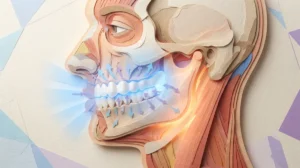
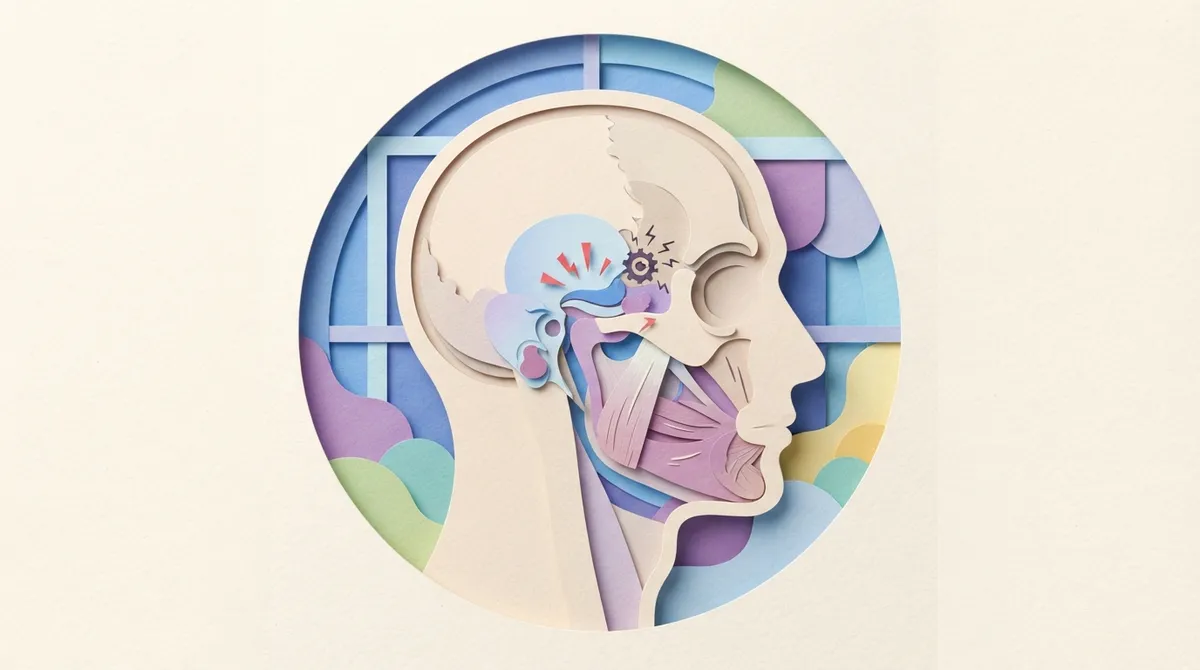
TMJ stands for temporomandibular joint. You have two of these joints, one on each side of your face, right in front of your ears. They work like sliding hinges. They let you talk, chew, yawn, and smile.
A TMJ disorder (often called TMD) means something is wrong with the joint or the muscles that move it. Unlike bruxism, which is a habit, a TMJ disorder is a condition of the joint itself. The joint can get inflamed, strained, or out of balance.
Common Signs of a TMJ Disorder
- Pain or tenderness in the jaw joint
- Clicking, popping, or grating when you open your mouth
- Jaw that feels stuck or locks open or closed
- Trouble chewing or a bite that feels “off”
- Earaches or ringing in the ears
- Facial pain, neck pain, or headaches
What Causes a TMJ Disorder?
- Injury to the jaw or face
- Arthritis in the joint
- Long-term teeth grinding or clenching
- Misaligned bite
- Stress that tightens the jaw muscles
- Genetics and connective tissue issues
Sometimes there is no clear cause. That is okay. What matters is finding relief.
Bruxism vs. TMJ Disorder: Side-by-Side Comparison
Seeing the two conditions next to each other makes the difference much clearer. Here is a simple chart to help.
| Feature | Bruxism | TMJ Disorder |
|---|---|---|
| What it is | A habit of grinding or clenching teeth | A problem with the jaw joint or jaw muscles |
| Main problem area | Teeth and jaw muscles | The joint itself and surrounding muscles |
| Typical signs | Worn teeth, morning headaches, grinding noises | Clicking, popping, locking, joint pain |
| Tooth damage | Common (wear, chips, cracks) | Less direct, but possible |
| Can you do it unknowingly? | Yes, very often during sleep | Not applicable; it is a joint condition |
| Common treatment | Night guard, stress care, habit change | Joint support, bite care, therapy, appliances |
How Are Bruxism and TMJ Disorders Connected?
Here is where it gets interesting. These two conditions are close cousins. Bruxism can lead to a TMJ disorder. All that grinding puts heavy force on your jaw joint. Over time, the joint and muscles can become sore and strained.
On the flip side, a TMJ disorder can also make you clench or grind more. When your jaw is uncomfortable, your body may tighten up as a response. It can become a loop that feeds itself.
That said, you can have one without the other. Some people grind their teeth for years and never develop joint pain. Others have a TMJ disorder from an injury and never grind at all.
If you want to dig deeper into how sleep, grinding, and jaw health connect, check out our post on sleep and your smile: understanding TMJ and bruxism.
How to Figure Out Which One You Have
You cannot diagnose yourself at home. Still, a few simple steps can help you spot clues and decide when to call your dentist. Here is a friendly checklist.
- Check your teeth. Look in the mirror. Do your teeth look flat, chipped, or worn? That points toward bruxism.
- Notice your mornings. Do you wake up with a tight jaw or a headache? Bruxism may be the cause.
- Listen to your jaw. Does it click, pop, or catch when you open wide? That is a common TMJ sign.
- Test your movement. Try opening your mouth wide. If it feels stiff, painful, or stuck, a TMJ disorder may be in play.
- Ask a loved one. A partner or roommate may hear grinding at night. They can often tell you what you cannot hear yourself.
- Track your stress. If your symptoms get worse during tough weeks, stress may be a big part of the story.
If more than one of these sounds familiar, you may have both conditions. And that is totally fixable with the right plan.
How Dentists Diagnose Bruxism and TMJ Disorders
A dental visit is the best way to get clear answers. During your exam, your dentist will usually:
- Look closely at your teeth for wear, cracks, and chips
- Feel the jaw muscles for tenderness or tightness
- Watch how your jaw opens, closes, and moves
- Listen for clicking or popping in the joint
- Review your health history, stress level, and sleep habits
- Take digital X-rays if needed to check the joint and bone
This kind of thorough look is part of a good comprehensive exam. Digital images help us see what is happening beneath the surface without any guesswork. Learn more about our digital X-rays if you are curious.
Treatment Options for Bruxism
The good news is that bruxism is very manageable. The goal is to protect your teeth and calm your jaw muscles. Common options include:
- A custom night guard. This soft or firm appliance fits over your teeth and cushions them while you sleep.
- Stress management. Gentle exercise, deep breathing, and a calming bedtime routine can all help.
- Cutting back on caffeine and alcohol. Both can make grinding worse.
- Treating sleep problems. If sleep apnea is part of the picture, treating it can ease grinding too.
- Fixing damaged teeth. If grinding has worn down your teeth, restorations can bring back your bite and your smile.
For worn or cracked teeth, a crown can protect what is left. At Dental Theory, Dr. K offers same-day crowns, so you can walk in with a damaged tooth and leave with a brand-new ceramic crown in one visit. No waiting, no second appointment.
Treatment Options for a TMJ Disorder
TMJ care is a little different because we are treating the joint itself. Many people feel better with simple, non-surgical care. Options may include:
- A custom oral appliance to reduce joint strain
- Warm compresses and gentle jaw stretches
- Eating softer foods during flare-ups
- Avoiding gum chewing and nail biting
- Bite adjustments or other dental work to improve alignment
- Physical therapy for the jaw and neck
If your symptoms are stubborn, our team offers TMJ rehabilitation to help you find lasting comfort. Surgery is rarely needed and is typically a last resort.
Simple Daily Habits That Help Both Conditions
Whether you have bruxism, a TMJ disorder, or a bit of both, small changes can make a big difference. Try these at home:
- Keep your teeth apart. A good resting position is lips together, teeth apart, tongue relaxed.
- Skip chewy and hard foods. Say goodbye (for now) to tough steak and sticky candy.
- Apply gentle heat. A warm towel on the jaw for 10 minutes can ease tight muscles.
- Unwind before bed. Try a warm shower, a book, or soft music instead of a screen.
- Watch for daytime clenching. Many of us clench when we focus on work or traffic. Check in with your jaw a few times a day.
When Should You See a Dentist?
Do not wait if you notice any of these:
- Jaw pain that lasts more than a few days
- Your jaw locks or gets stuck
- Teeth that look worn, chipped, or cracked
- Headaches or earaches that keep coming back
- Trouble chewing or opening your mouth
- Sudden changes in how your teeth fit together
Early care can protect your teeth and keep a small problem from turning into a big one. And if your jaw pain comes on suddenly with a broken tooth, our team can help with dental emergency treatment too.
Why Families in Brandon Choose Dental Theory
At Dental Theory, we believe a dental visit should feel calm and comfortable, not stressful. Our family-focused office in Brandon, FL uses the latest technology and a warm, welcoming approach to care for patients of every age. From adults dealing with jaw pain to kids who need gentle attention, we have you covered under one roof.
Curious what our patients think? You can visit our Dental Theory page on Google and read real reviews from your Brandon neighbors. We are also happy to help you understand your coverage. Learn more about the insurance plans we work with, and feel free to visit us on Facebook to see what is happening around the office.
Final Thoughts: Know the Difference, Get the Right Care
Let’s recap. Bruxism is a habit of grinding or clenching your teeth. A TMJ disorder is a problem with the jaw joint and the muscles around it. They can happen together, and one can lead to the other, but they are not the same. Knowing which one you are dealing with helps you and your dentist pick the best plan.
The best part? Both conditions can be managed, and you do not have to live with a sore jaw or worn-down teeth. A little attention goes a long way.
Ready to feel better? Don’t wait for the pain to get worse. Contact Dental Theory today or schedule an appointment online. We would love to help you protect your smile and soothe your jaw.
FAQs
Q: What is the main difference between bruxism and a TMJ disorder?
A: Bruxism is the habit of grinding or clenching your teeth, often without realizing it. A TMJ disorder is a problem with the jaw joint and the muscles that move it. Think of bruxism as a behavior and TMJ disorder as a joint condition.
Q: Can bruxism cause a TMJ disorder?
A: Yes, it can. Long-term grinding and clenching put extra stress on your jaw joint and muscles, which may lead to soreness and joint problems over time. That said, not everyone who grinds their teeth develops a TMJ disorder.
Q: Do I need a night guard for bruxism or TMJ pain?
A: A custom night guard is one of the most common and helpful tools for bruxism because it cushions your teeth while you sleep. For TMJ pain, a custom appliance may also reduce joint strain. Your dentist can tell you which type is right for you after an exam.
Q: Can you have bruxism and a TMJ disorder at the same time?
A: Absolutely. Many people have both, since one can feed into the other. A thorough dental exam can sort out what is causing your symptoms so you get a plan that treats everything at once.
Q: When should I see a dentist about jaw pain or teeth grinding?
A: See your dentist if jaw pain lasts more than a few days, your jaw locks, or your teeth look worn or chipped. Frequent headaches or earaches are also good reasons to book a visit. Early care can prevent bigger problems down the road.
Our Service Area