Key Takeaways
-
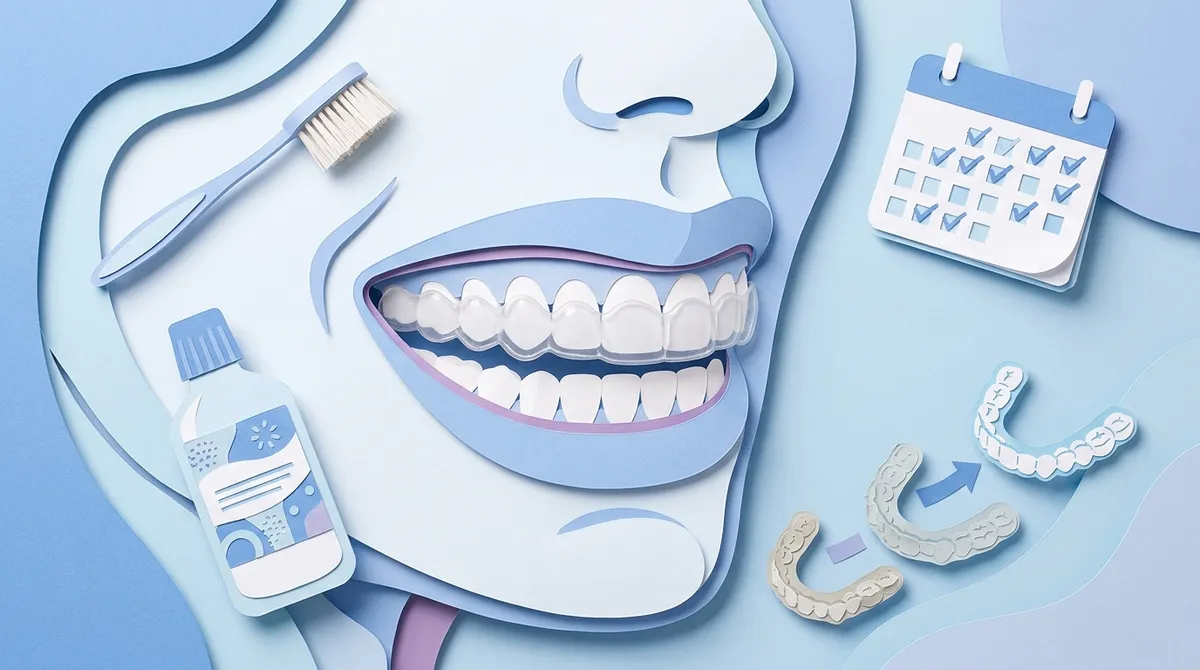
Wear your Invisalign retainer 20-22 hours daily for the first 6-12 months after treatment ends, as teeth can shift within weeks without consistent pressure from proper retention.
-
Switch from your worn final aligner to a durable Vivera retainer within a few months, since the original aligner’s thin plastic wears out quickly and loses its snug fit, reducing retention effectiveness.
-
Clean your retainer daily with lukewarm water and a soft brush (no toothpaste), then soak it in cleaning solution to prevent bacteria buildup that can cause cavities and gum inflammation.
-
Schedule follow-up dental appointments at 1 month and 3-6 months after treatment to ensure your retainer still fits properly and catch any tooth movement before it becomes a major problem.
-
Develop a long-term retention strategy combining options like fixed wire retainers on lower teeth with Vivera retainers on upper teeth, since teeth can shift throughout your lifetime even decades after treatment.
-
Immediately replace any cracked, warped, or loose-fitting retainer by contacting your dentist, as a broken retainer provides zero retention and teeth can shift significantly in just a few weeks.
You just finished your Invisalign treatment. Your teeth look amazing. But now comes the part that many people get wrong — the retention phase. One of the most common questions patients ask is whether they can use Invisalign as a retainer after treatment ends. The short answer? Yes, it’s possible. But there are some important things you need to know first.
Using your last set of Invisalign aligners to hold your teeth in place sounds simple enough. But there are real mistakes people make that can undo all the hard work you’ve put in. In this guide, we’ll walk through the 6 biggest mistakes to avoid — so your smile stays straight and beautiful for years to come.
Whether you’re currently in treatment or just wrapping up, understanding how to use Invisalign as a retainer the right way makes all the difference. And if you’re in the Brandon, FL area, Invisalign treatment at Dental Theory is guided by Dr. K, who helps patients navigate every step — including retention.
Why Retention Matters After Invisalign
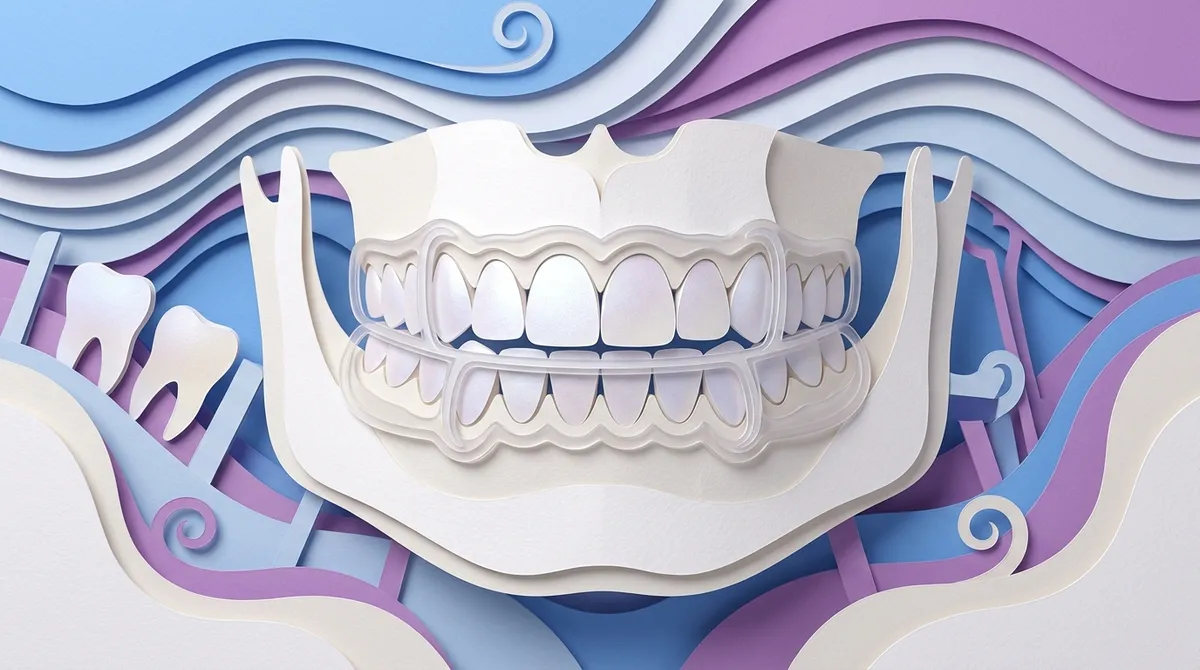
Teeth are not fixed permanently in place. They are held in the jawbone by a flexible tissue called the periodontal ligament. After orthodontic treatment, that tissue wants to spring back. This is called relapse. Wearing a retainer — whether it’s a dedicated retainer or your Invisalign aligner — prevents this from happening.
Research shows that teeth can start shifting within weeks of finishing treatment. That’s why wearing a retainer after Invisalign is so critical. Without one, the time and money you invested in straightening your teeth can be wasted.
| Retention Option | Type | Best For | Lifespan |
|---|---|---|---|
| Last Invisalign Aligner | Removable | Short-term / transition phase | A few months |
| Vivera Retainer (Invisalign brand) | Removable | Long-term clear retainer | 1–2 years |
| Traditional Hawley Retainer | Removable | Durable, adjustable | 5–10 years |
| Fixed/Bonded Retainer | Permanent | Maximum long-term protection | Years (with care) |
Many dentists allow patients to use their final Invisalign tray as a short-term retainer. But it’s not meant to last forever. Knowing when to switch is key.
Mistake 1: Using a Worn-Out Aligner as a Retainer
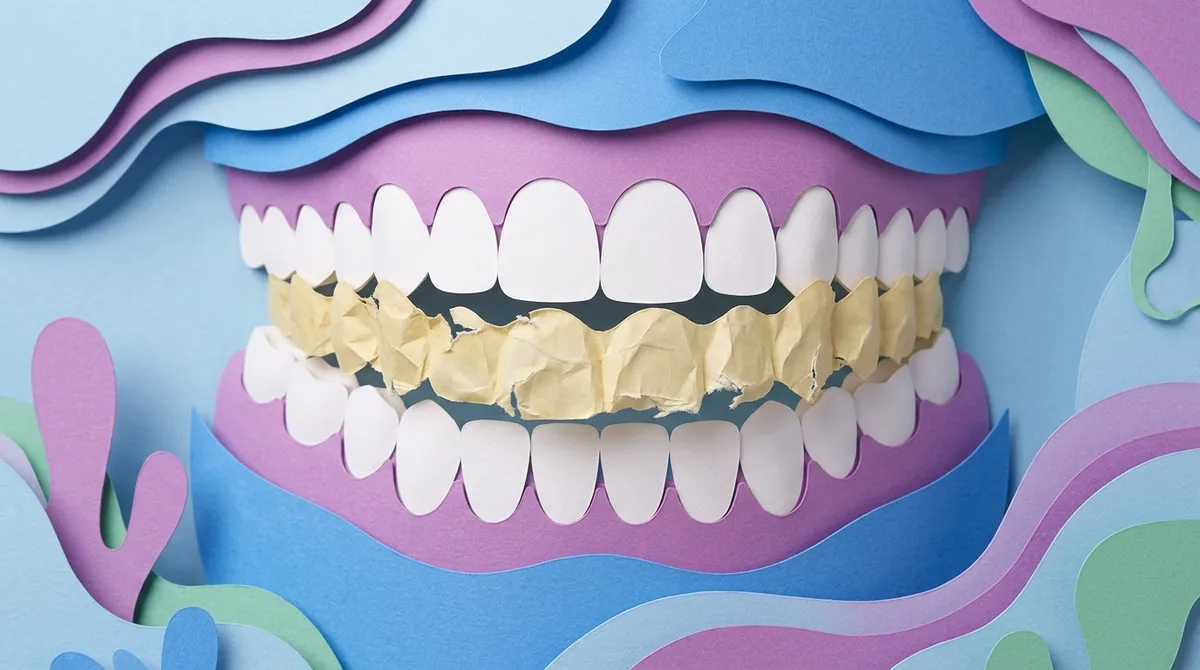
Your last Invisalign tray has been in your mouth for weeks. It’s been removed, cleaned, and worn again hundreds of times. By the time treatment ends, that plastic is no longer in its original shape. Using it long-term as a retainer is one of the most common mistakes people make.
A worn aligner doesn’t fit as snugly. That loose fit means it’s not effectively holding your teeth in place. Over time, small gaps between the aligner and your teeth allow movement to happen. You might not notice it right away, but the shift adds up.
- Worn aligners can develop micro-cracks that harbor bacteria
- A loose fit means less holding power
- Discoloration can make worn aligners look unsightly
- Thin spots in the plastic can break suddenly
Ask your dentist about getting a fresh retainer — especially a Vivera retainer made from your final Invisalign scan. It fits perfectly and lasts much longer.
Mistake 2: Not Wearing It Long Enough Each Day
Some patients think that once treatment is done, they only need to wear their retainer a few times a week. That’s a big mistake — especially in the first 6 to 12 months after finishing Invisalign.
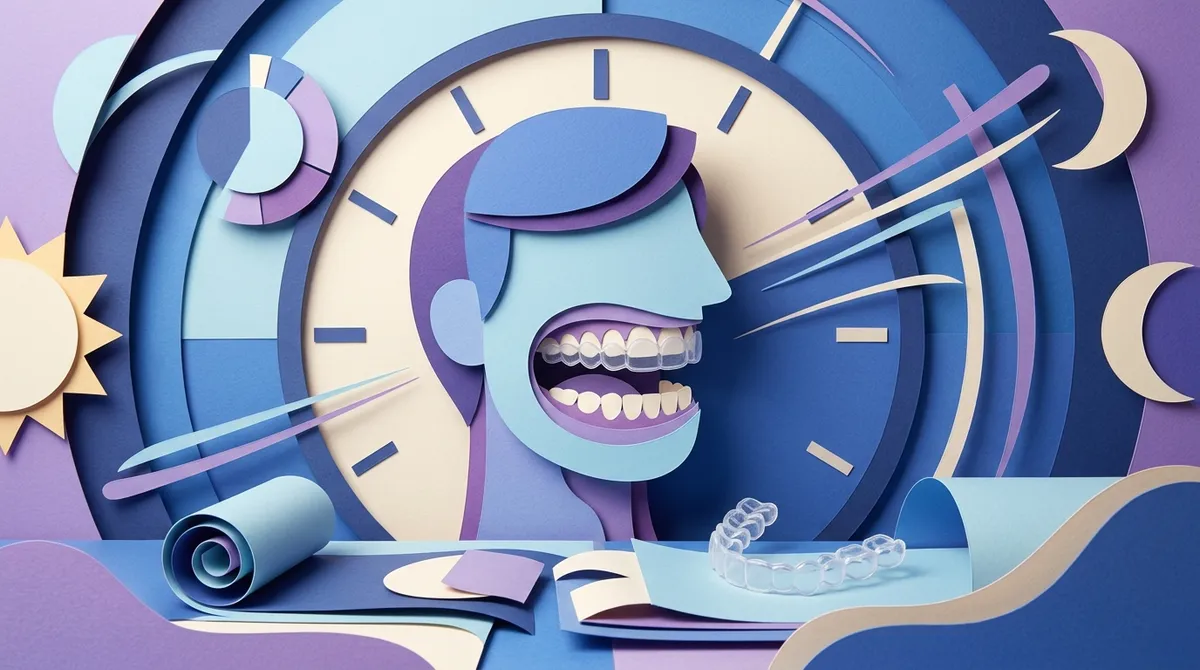
In the early retention phase, most dentists recommend wearing your retainer 20 to 22 hours a day. This is the same amount of time you wore your aligners during treatment. Your teeth need that consistent pressure to stay in their new positions.
After several months, your dentist may say it’s okay to wear your retainer only at night. But don’t skip to that step too early. If your retainer feels tight when you put it in, that’s a sign your teeth have already started moving.
| Phase | Time After Treatment | Recommended Wear Time |
|---|---|---|
| Early Retention | 0–6 months | 20–22 hours per day |
| Active Retention | 6–12 months | At least 12–16 hours per day |
| Long-term Maintenance | 1+ years | Nightly (every night) |

Mistake 3: Skipping Follow-Up Appointments
After Invisalign treatment ends, many patients feel like they’re done with dentist visits. But follow-up appointments are actually very important during the retention phase. Your dentist needs to check that your retainer still fits properly and that your teeth haven’t shifted.
This is especially true when you use Invisalign as a retainer. As the plastic wears down, the fit changes. Your dentist can catch this early and recommend a replacement before any tooth movement occurs.
General dentistry check-ups also allow your dentist to monitor your overall oral health. Clean, healthy teeth and gums make retention more effective. If gum disease or tooth decay develops, it can affect how your teeth sit — making your retainer fit differently.
- Schedule a post-treatment check at 1 month
- Return again at 3 to 6 months for a fit check
- Continue with regular dental cleanings every 6 months
- Ask your dentist if your retainer needs replacing
Mistake 4: Poor Cleaning Habits
When you use Invisalign as a retainer, you still need to clean it thoroughly every single day. Many patients get relaxed about this after treatment ends. But poor cleaning creates serious problems.
Bacteria and plaque love to build up on clear plastic trays. If your retainer is dirty, you’re essentially trapping bacteria against your teeth for hours every night. This can lead to cavities, bad breath, and gum inflammation.
How to Clean Your Invisalign Retainer Properly
- Rinse it under lukewarm water every time you remove it
- Brush it gently with a soft toothbrush — no toothpaste (it’s too abrasive)
- Soak it in a retainer cleaning solution or diluted white vinegar for 15–20 minutes
- Rinse thoroughly before putting it back in
- Store it in its case when not in use — never wrap it in a napkin
Also, brush and floss your teeth before putting your retainer back in. You don’t want food particles trapped under the aligner overnight.
Mistake 5: Ignoring Damage or a Poor Fit
Clear aligners are made of durable thermoplastic, but they can still crack, warp, or wear thin. If your Invisalign retainer doesn’t feel snug — or if it feels uncomfortable — that’s a sign something is wrong.
Some people ignore a cracked or ill-fitting retainer because they don’t want to go back to the dentist. But this is a mistake that can cost you dearly. A broken retainer offers zero retention. Your teeth can shift significantly in just a few weeks without proper support.
- Check your retainer regularly for cracks or chips
- If it feels loose or uncomfortable, contact your dentist
- Don’t try to adjust or repair a retainer yourself
- Replace it promptly when needed — don’t wait
At Dental Theory in Brandon, FL, Dr. K makes it easy to get a replacement retainer quickly. He’s a trusted Invisalign provider in Brandon and understands how important retention is to protecting your investment. You can even check out Dr. K’s Gold+ Invisalign Profile to see his experience and credentials.
Mistake 6: Not Having a Long-Term Retainer Plan
This might be the biggest mistake of all. Many people use their last Invisalign aligner as a retainer for a few months, then stop wearing anything. They assume their teeth are stable. Unfortunately, that’s rarely the case.
Teeth can continue to shift throughout your entire life — even decades after orthodontic treatment. Life events like wisdom teeth growing in, aging, and grinding your teeth can all cause unwanted movement. That’s why switching to the right long-term retainer matters so much.
Building Your Long-Term Retainer Strategy
- Start with your final Invisalign aligner — use it as a short-term retainer immediately after treatment
- Transition to a Vivera retainer — this is made by Invisalign using your final tooth impressions and lasts much longer
- Consider a fixed retainer — a thin wire bonded behind your front teeth provides permanent protection with zero effort
- Commit to nightly wear — even if you have a fixed retainer, a removable retainer at night adds extra protection
| Retainer Type | Pros | Cons |
|---|---|---|
| Final Invisalign Aligner | No extra cost, already have it | Wears out quickly, short-term use only |
| Vivera Retainer | Durable, clear, comfortable | Additional cost, still removable |
| Fixed Wire Retainer | Always working, no effort needed | Harder to floss, can break |
| Traditional Hawley | Long-lasting, easy to adjust | More visible, bulkier feel |
Talk to your dentist about combining options. Many patients do well with a fixed retainer on the lower teeth (where shifting is most common) and a Vivera retainer for the upper arch.
What to Know About Vivera Retainers vs. Your Last Aligner
Vivera retainers are made by the same company that makes Invisalign. They’re created from your final scanned tooth position — so they fit perfectly. They’re also made from a thicker, more durable plastic than regular aligners. That means they hold up better over time with regular wear.
Your last Invisalign tray, on the other hand, was designed as a treatment aligner — not a permanent retainer. It’s thinner and not built for the wear and tear of long-term retention. Think of using your Invisalign as a retainer like using a spare tire. It works in a pinch, but it’s not meant for the long haul.
If you’re unsure which retainer option is best for you, reach out to the team at Dental Theory to schedule a consultation. They’ll help you build a plan that protects your smile for the long term.
How Dental Theory Supports You After Invisalign
Finishing Invisalign is exciting — but the work doesn’t stop there. At Dental Theory in Brandon, FL, the team takes a comprehensive approach to care. That means guiding you through every phase of treatment, including retention. Dr. K brings his expertise in cosmetic dentistry to help patients maintain their results beautifully.
From your first aligner to your final retainer, you’ll have a knowledgeable, friendly team by your side. Visit us on Google — Dental Theory to read reviews from real patients who’ve experienced the difference. You can also schedule an appointment online at any time.
Want to learn more before you visit? Visit us on Facebook to stay updated on specials, patient stories, and helpful dental tips from our team.
Quick Reference: Do’s and Don’ts When Using Invisalign as a Retainer
| Do This | Avoid This |
|---|---|
| Wear it 20–22 hours/day initially | Only wearing it a few nights a week |
| Clean it daily with a soft brush | Using toothpaste (too abrasive) |
| Store in a case when not wearing it | Wrapping in a napkin or leaving it out |
| Check for cracks regularly | Ignoring damage or a loose fit |
| Have a long-term retainer plan | Quitting retainer wear after a few months |
| Keep follow-up dental appointments | Assuming you’re done after treatment ends |
Conclusion: Protect Your Straight Smile the Right Way
You worked hard for that straight smile. Don’t let these common mistakes undo your progress. When you use Invisalign as a retainer, it can be a great short-term solution — but it works best when combined with good habits, regular dental visits, and a solid long-term plan.
Remember: teeth never stop wanting to move. The only thing standing between your perfect smile and relapse is consistent retention. Avoid the 6 mistakes above, stay in touch with your dentist, and invest in the right retainer for the long haul.
Ready to talk about your retention options? Contact Dental Theory today and let Dr. K help you keep your Invisalign results looking their absolute best. Your smile deserves it!
FAQs
Q: Can I use my last Invisalign aligner as a retainer?
A: Yes, you can use your final Invisalign aligner as a short-term retainer right after treatment ends — and many patients do! Just keep in mind it’s not designed for long-term use, so ask your dentist about transitioning to a more durable retainer like a Vivera within a few months.
Q: How long should I wear my Invisalign aligner as a retainer each day?
A: In the first 6 to 12 months after treatment, aim to wear it 20 to 22 hours a day — the same as during treatment. After that, your dentist may give you the green light to switch to nighttime-only wear. The key is consistency!
Q: What is the difference between a Vivera retainer and my Invisalign aligner?
A: Vivera retainers are made by the Invisalign brand but are crafted from a thicker, more durable plastic specifically designed for long-term retention. Your regular aligner is thinner and meant for tooth movement, so it wears out faster — making Vivera a much better option for protecting your smile over time.
Q: How do I clean my Invisalign retainer properly?
A: Rinse it with lukewarm water every time you take it out, then gently brush it with a soft toothbrush (skip the toothpaste — it’s too abrasive!). A quick soak in a retainer cleaning solution a few times a week keeps it fresh and bacteria-free.
Q: What happens if I stop wearing my Invisalign retainer?
A: Your teeth can start shifting within just a few weeks of stopping retainer wear — and the longer you go without it, the more movement can happen. That’s why wearing your retainer consistently, even just at night long-term, is so important for keeping that beautiful smile you worked hard to achieve!