Key Takeaways
-
Never force a tight retainer onto your teeth as it can crack the retainer, damage tooth roots, and cause pain; instead wear it for short periods to allow gradual adjustment or contact your dentist if it won’t fit at all.
-
Teeth naturally drift back toward original positions when retainer wear stops, even for just a few days, so consistency is critical to prevent minor tightness from becoming a major fitting problem.
-
Contact your dentist early when your retainer feels tight rather than waiting weeks or months, as early communication prevents small problems from requiring new retainers or additional orthodontic treatment.
-
Distinguish between normal pressure and pain when wearing a retainer; sharp or persistent pain signals significant tooth shifting or other issues like TMJ problems that require professional evaluation.
-
Replace your retainer every 2-3 years or when you notice cracks, warping, discoloration, or failure to seat fully, since worn retainers cannot properly maintain your teeth’s correct position.
-
Wear your retainer nightly indefinitely and maintain consistent dental checkups every 6 months to catch early tooth movement before it becomes noticeable or requires retreatment.
You pull out your retainer after a few days off — and suddenly it feels like it’s squeezing your teeth. Sound familiar? That tight, uncomfortable feeling is one of the most common concerns we hear from patients who’ve completed orthodontic treatment. And here’s the truth: when your retainer feels tight and your teeth are moving, your body is sending you a very clear message.
The good news? Most of the time, this situation is completely fixable. But the mistakes you make in those first few moments (and days) can either make things better or much worse. That’s why we put together this friendly, no-nonsense guide. Whether you’re a parent monitoring your teen’s retainer use or an adult who finished Invisalign treatment years ago, you’ll find real answers here.
Let’s walk through the 11 most common mistakes people make when their retainer feels tight — and exactly how to avoid each one.
Why Your Retainer Feels Tight in the First Place
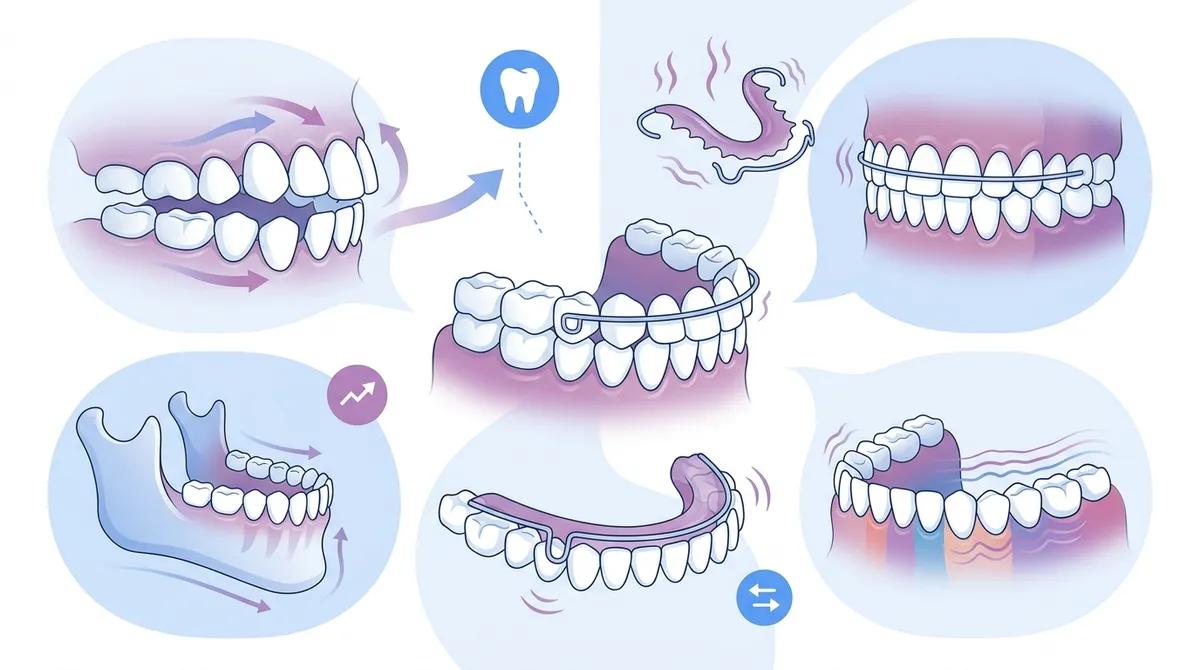
Before diving into the mistakes, it helps to understand what’s happening inside your mouth. Teeth are not fixed in bone like posts in concrete. They sit in a flexible tissue called the periodontal ligament, which allows slight movement throughout your life.
After orthodontic treatment, retainers hold your teeth in their corrected positions. When you stop wearing your retainer — even for a short time — teeth naturally begin to drift back toward their original positions. That drift is what makes the retainer feel tight when you put it back in.
If you’re curious about the long-term commitment involved, check out this helpful article on whether you need to wear a retainer forever after Invisalign. Spoiler: it’s simpler than you think once you build the habit.
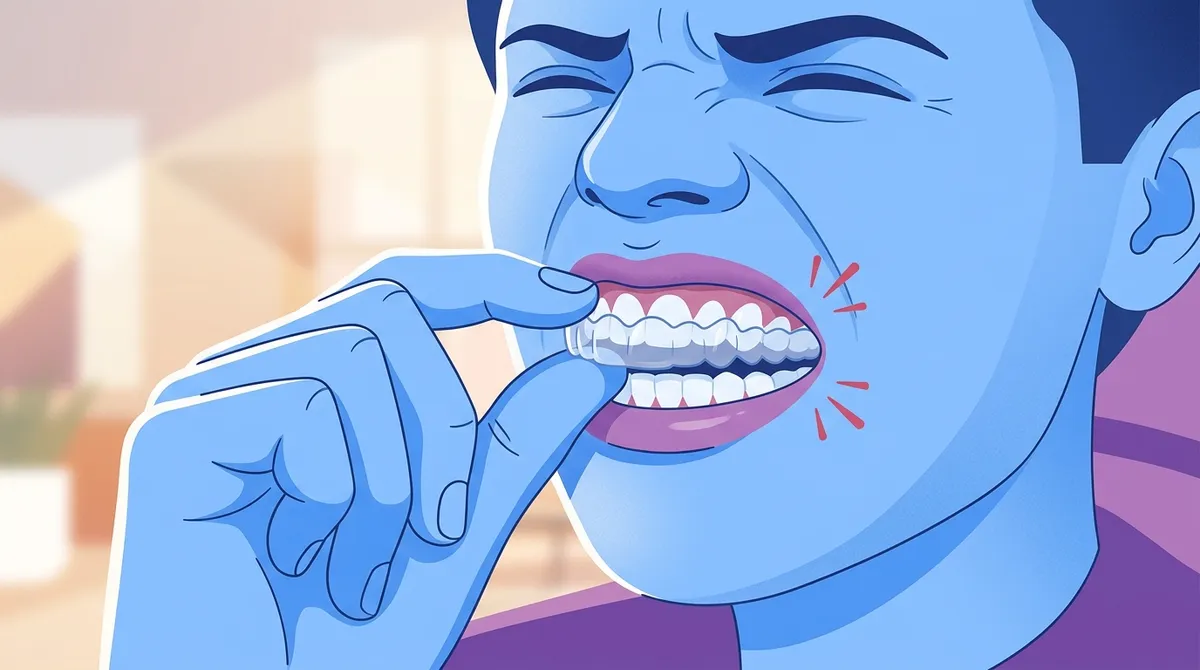
Mistake #1: Forcing the Retainer In When It Feels Too Tight
This is probably the most dangerous mistake on this list. When your retainer feels tight, the instinct is to force it onto your teeth. Please don’t. Forcing a tight retainer can crack or warp the retainer itself. Even worse, it can put excessive pressure on your teeth and roots, causing pain or damage.
Instead, try wearing it for short periods to let your teeth gradually adjust. If it truly won’t fit at all, that’s a signal to call your dentist right away.
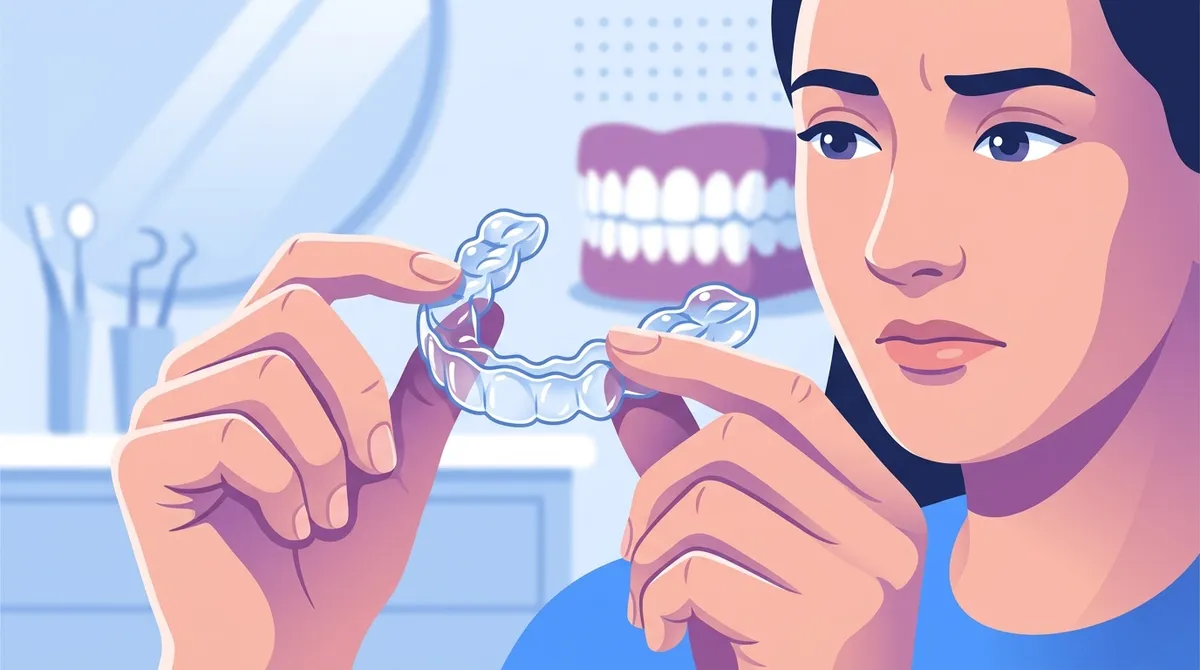
Mistake #2: Assuming Tightness Means Your Retainer Is Broken
A tight retainer isn’t necessarily broken. In fact, tightness is usually a sign that it’s doing exactly what it’s supposed to do — detecting that your teeth have shifted. Before assuming you need a replacement, talk to your dental provider first. You may just need to wear it more consistently for a few days.

Mistake #3: Stopping Retainer Use Altogether
When your retainer feels uncomfortable, the temptation is to take a “break.” This is one of the worst things you can do. Every day without your retainer allows teeth to shift a little more. What started as minor tightness can quickly become a retainer that no longer fits at all. Consistency is everything when it comes to retainer wear.
Mistake #4: Not Knowing How Long You’ve Gone Without Wearing It
This seems small, but it matters a lot. The amount of time you’ve skipped wearing your retainer directly affects how much your teeth have shifted. Keeping track of your retainer wear schedule helps your dentist make better recommendations. Consider using a simple phone reminder or habit-tracking app to stay on schedule.
| Time Without Retainer | Likely Result | Recommended Action |
|---|---|---|
| 1–3 days | Mild tightness, minimal shift | Resume wearing; monitor discomfort |
| 1–2 weeks | Noticeable tightness, some shifting | Wear consistently; call dentist if painful |
| 1–3 months | Significant shift, may not fit | See your dentist for evaluation |
| 6+ months | Major shift, retainer likely won’t fit | See dentist immediately; new retainer likely needed |
Mistake #5: Ignoring Jaw or Tooth Pain
Some pressure when re-inserting a retainer is normal. Pain is not. If you’re experiencing sharp, persistent pain when wearing your retainer, don’t ignore it. This could mean your teeth have shifted significantly, or there may be another issue happening, like jaw tension or TMJ problems. Always flag pain to your dental provider.
Mistake #6: Trying to DIY Adjust Your Retainer
We see this more often than you’d think. People try to bend or adjust their wire retainers at home using pliers or other tools. This can completely ruin the retainer and may even change the shape in a way that causes further shifting. Never adjust your retainer at home. It’s always worth a quick visit to a professional instead.
| Type of Retainer | Common Issue When Tight | What NOT to Do |
|---|---|---|
| Hawley (wire) retainer | Wire digs into gums or cheeks | Don’t bend the wire yourself |
| Clear plastic retainer | Cracks or won’t seat properly | Don’t force it or use hot water to reshape |
| Permanent (bonded) retainer | Wire loosens or irritates tissue | Don’t pull at the wire or try to reglue it |
Mistake #7: Using Hot Water to “Loosen” a Tight Retainer
This is a surprisingly common tip floating around the internet. People think hot water will soften a clear retainer and make it easier to seat. In reality, hot water warps the plastic, permanently distorting its shape. A warped retainer can’t hold your teeth in the correct position. Always clean and store retainers with cool or lukewarm water only.
Mistake #8: Not Communicating With Your Dentist Soon Enough
Many people wait weeks — sometimes months — before reaching out to their dental office about a tight or ill-fitting retainer. By then, the shifting may be significant enough to require a new retainer or even additional orthodontic treatment. Early communication saves time, money, and stress.
If you’re in the Brandon, FL area, the friendly team at Dental Theory is always ready to help. You can easily reach out to schedule a quick evaluation before a small problem becomes a big one. You can also schedule an appointment online in just a few clicks.
Mistake #9: Assuming Your Retainer Still Fits Because It Snaps In
Just because your retainer “snaps” into place doesn’t mean it’s fitting correctly. If your teeth have shifted, the retainer may sit in a slightly different position than intended. Over time, this can reinforce the shifted position rather than correcting it. A quick check with your dental provider ensures your retainer is truly doing its job.
Mistake #10: Skipping Regular Dental Checkups
Routine dental visits aren’t just for cavities and cleanings — they’re also the perfect time to check your retainer fit. Your dentist can catch early signs of shifting before they become noticeable problems. Regular comprehensive exams give you the full picture of your oral health, including how well your retainer is maintaining your smile.
Here’s a quick checklist of what to bring up at your next visit:
- Mention if your retainer feels tighter than usual
- Ask your dentist to check for tooth movement
- Inquire about retainer replacement if it’s older than 2–3 years
- Discuss your daily wear habits honestly
- Ask if a different retainer type might work better for you
Mistake #11: Not Understanding the Signs That You Need a New Retainer
Sometimes, a retainer simply needs to be replaced. Retainers wear down over time. Plastic becomes brittle, wires lose their shape, and the fit gradually changes. Knowing when it’s time to get a new retainer prevents unnecessary discomfort and protects your smile investment.
Signs it might be time for a replacement:
- The retainer cracks or breaks when you insert it
- You notice visible warping or discoloration
- It no longer seats fully even after consistent wear
- Your dentist confirms significant tooth movement has occurred
- The retainer is more than 3 years old and has been worn daily
What Happens If Your Teeth Have Already Shifted Too Much
If your retainer truly no longer fits, don’t panic. You have options. Depending on how much movement has occurred, your dentist or orthodontist may recommend one of the following paths:
- A new custom retainer — fitted to your current tooth position to prevent further movement
- Clear aligner retreatment — a short round of aligners to move teeth back before fitting a new retainer
- Comprehensive orthodontic evaluation — for cases where significant relapse has occurred
If you went through Invisalign treatment, you might also find it helpful to revisit the final stages of Invisalign treatment to better understand how the retention phase works and what to expect long-term.
How to Build Better Retainer Habits Starting Today
Prevention is always the best medicine — especially with retainers. Here are some simple strategies to keep your retainer fitting properly and your teeth in their correct positions:
- Wear it every night — Most adults need nightly retainer use indefinitely
- Keep it in a case — Lost retainers are a leading cause of gaps in wear
- Clean it daily — A clean retainer is more comfortable and lasts longer
- Replace it proactively — Don’t wait until it breaks; get a replacement every few years
- Tell your dentist everything — Honest conversations lead to better outcomes
| Habit | Why It Matters | Frequency |
|---|---|---|
| Nightly wear | Prevents gradual tooth shifting | Every night |
| Cleaning retainer | Reduces bacteria buildup and warping | Daily |
| Dental checkups | Catches movement early | Every 6 months |
| Retainer replacement | Ensures proper fit and function | Every 2–3 years |
When to See Your Dentist About a Tight Retainer
Not every tight retainer is an emergency. But there are some situations where you should call your dental office right away. Please don’t hesitate if you notice any of the following:
- Sharp or severe pain when inserting the retainer
- Visible gaps between teeth that weren’t there before
- The retainer won’t seat at all, even partially
- One or more teeth feel unusually loose
- You notice significant crowding or overlap returning
The general dentistry team at Dental Theory in Brandon, FL is experienced in helping patients navigate post-orthodontic concerns. Whether you need a retainer check, a replacement, or guidance on next steps, the team is here to make the process stress-free and comfortable. You can also visit Dental Theory on Google to read patient reviews and learn more about the practice.
It’s also worth exploring resources like the Dr. K’s Gold+ Invisalign Profile if you’re considering clear aligner treatment as part of your smile correction journey. And if you’d like to stay connected and see what’s happening at the practice, visit us on Facebook for updates and patient stories.
Your Retainer Is Your Smile’s Best Friend — Treat It That Way
It’s easy to underestimate the retainer. After months or years of orthodontic treatment, the retainer can feel like an afterthought. But it’s actually one of the most important tools in your dental health toolkit. Avoiding these 11 mistakes keeps your smile looking exactly the way your treatment intended — and saves you from the hassle and cost of retreatment down the road.
If your retainer feels tight right now, take a breath. You caught it. That’s the first step. The next step is simple: reach out to a dental professional you trust. Whether you’ve been away from the dentist for a while or you’re simply due for a check-in, now is the perfect time to get back on track.
Ready to protect your smile? Reach out to the Dental Theory team in Brandon, FL and let us help you keep your smile straight, healthy, and confident for years to come. We make every visit comfortable and welcoming — because you deserve nothing less.
FAQs
Q: Is it normal for my retainer to feel tight after not wearing it for a few days?
A: Yes, it’s actually very common! When you skip wearing your retainer — even for just a day or two — your teeth can begin to drift slightly, making the retainer feel snug when you put it back in. The good news is that mild tightness usually resolves with consistent wear over a few days. If the pain is sharp or the retainer won’t seat at all, it’s a good idea to check in with your dentist.
Q: Can a tight retainer push my teeth back into place on its own?
A: A retainer is designed to maintain your teeth’s current position, not actively move them the way braces or aligners do. If tightness is mild and caused by very minor shifting, consistent nightly wear may help nudge teeth back slightly. However, for more significant movement, you’ll want to talk to your dental provider about whether a new retainer or additional treatment is needed.
Q: How do I know if my retainer no longer fits and needs to be replaced?
A: Great question! Signs that it’s time for a new retainer include visible cracks, warping, or discoloration, as well as a retainer that won’t fully seat on your teeth despite consistent wear. If your retainer is more than 2–3 years old or has been damaged, schedule a checkup with your dentist to get professionally evaluated and fitted for a new one.
Q: What should I do if my retainer feels extremely tight and causes pain?
A: If your retainer is causing significant pain rather than mild pressure, don’t force it in and don’t try to adjust it yourself. Contact your dental office as soon as possible for an evaluation. Pain can indicate that your teeth have shifted more than expected or that another issue — like jaw tension — may be involved. Early attention always leads to better outcomes!
Q: How often should I visit the dentist to check my retainer fit?
A: Most dental providers recommend a checkup every six months, and that’s a great time to have your retainer evaluated too! Be sure to mention if anything feels off — even slight tightness. Your dentist can quickly assess whether your teeth have shifted and advise you on the best next steps to keep your smile looking its best.