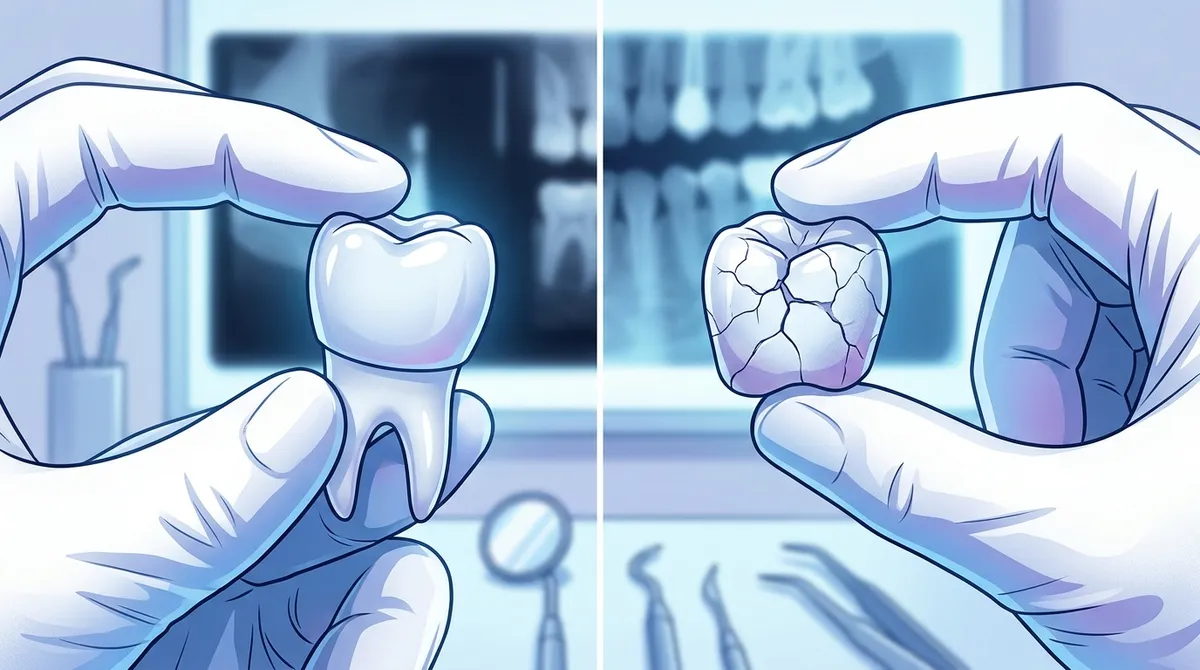
Key Takeaways
-
Recementation is a quick, affordable fix that works when the crown is intact and cement has simply worn down, while replacement is necessary if the crown is cracked, the tooth has decay, or the crown no longer fits properly.
-
Before deciding between recementation or replacement, your dentist will perform a visual exam, take X-rays, and test the crown’s fit to identify underlying decay or structural issues that aren’t visible to the naked eye.
-
Cement failure is the most common and easily fixable reason crowns fall off, but decay, grinding, and normal wear (most ceramic crowns last 10-15 years) may require full replacement for long-term dental health.
-
Both recementation and crown replacement may be covered by dental insurance as restorative services, though frequency limitations often apply—typically covering a new crown every 5-7 years on the same tooth.
-
Simple preventive habits like daily flossing, avoiding hard/sticky foods, wearing a night guard if you grind your teeth, and regular dental checkups significantly extend your crown’s lifespan.
-
Same-day ceramic crown technology allows patients to get a complete crown replacement in a single visit rather than waiting days or weeks, making treatment more convenient for busy patients.
Your dental crown fell off — and now you’re staring at it, wondering what to do next. Don’t panic! This happens more often than you might think. The big question is: does your crown need to be replaced or simply recemented? The answer makes a big difference in terms of time, cost, and treatment. Understanding the difference between crown replacement versus recementation can help you walk into your dental appointment feeling informed and confident. In this article, we’ll break it all down in plain, friendly language so you know exactly what to expect. Whether your crown just popped off last night or you’ve been noticing it feeling loose for a while, we’ve got you covered. Let’s dive in!
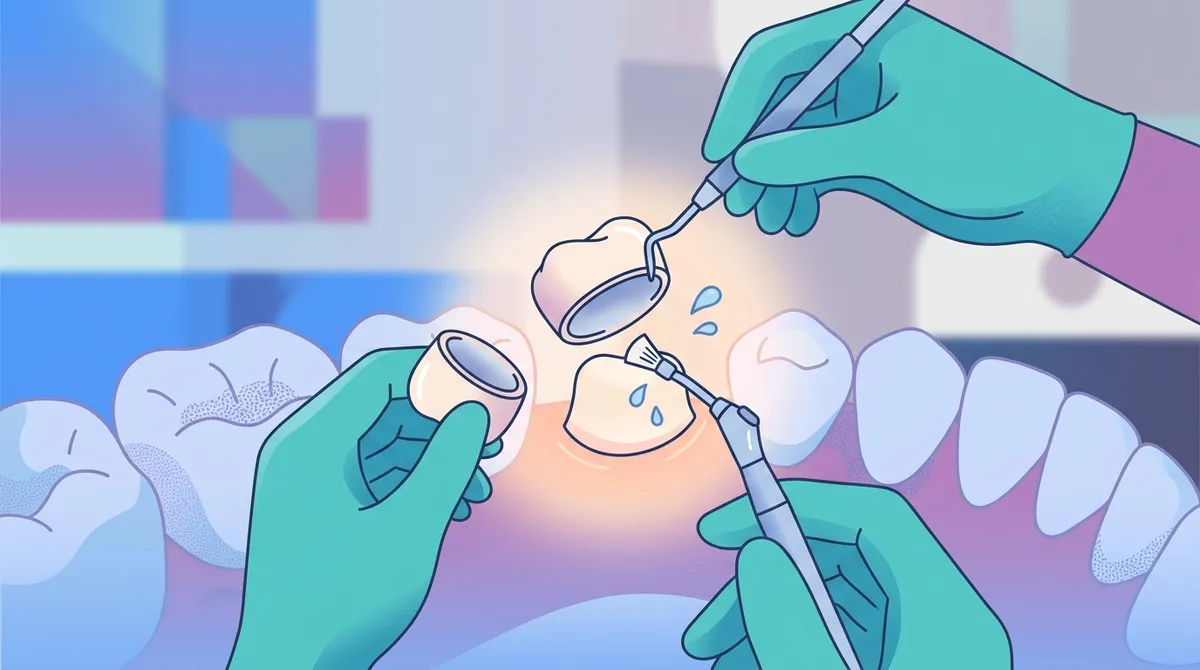
What Is Dental Crown Recementation?
Recementation is exactly what it sounds like — putting your existing crown back in place using fresh dental cement. Think of it like reattaching a tile that’s come loose from the wall. If the crown itself is still in good shape, there’s no reason to replace it. Your dentist cleans the inside of the crown, prepares the tooth, and bonds the crown back on. It’s usually a quick and affordable fix. If you’ve ever wondered whether a crown can be reattached after falling off, the answer is often yes — depending on the condition of both the crown and the underlying tooth.
When Is Recementation the Right Option?
Recementation works well in specific situations. Here are the key signs that your existing crown can simply be re-cemented:
- The crown fell off but looks completely intact
- The tooth underneath shows no signs of new decay
- The crown still fits snugly over the tooth when placed
- The original cement simply wore down over time
- You’re not experiencing significant pain or sensitivity
If all these boxes are checked, you’re likely a great candidate for recementation. It’s a much simpler process and typically costs far less than getting a brand-new crown made.
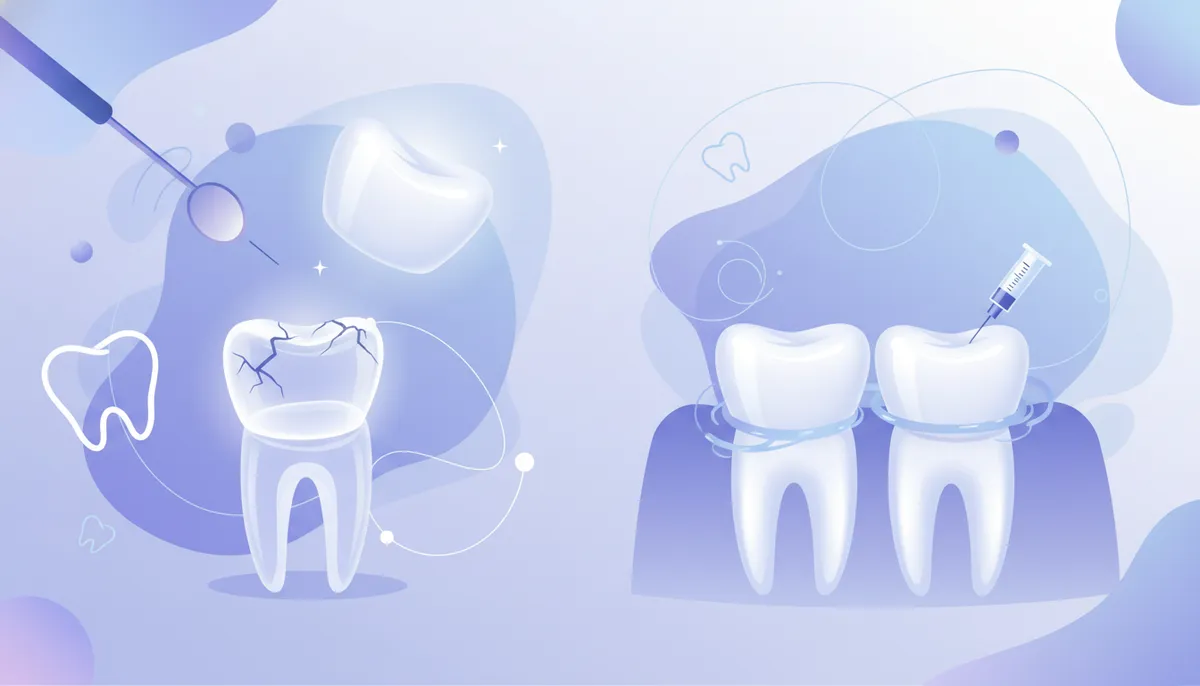
What Is Crown Replacement?
Crown replacement means removing the old crown and having a completely new one made and placed. This is necessary when the existing crown can no longer do its job — whether it’s cracked, worn down, doesn’t fit properly, or the tooth underneath has changed. If you’ve been looking into how much it costs to replace a dental crown, you’ll find that costs vary, but the investment is often well worth it for long-term dental health.
When Is Crown Replacement Necessary?
Your dentist may recommend replacing the crown rather than recementation if:
- The crown is visibly cracked or broken
- New decay has developed on the tooth underneath
- The crown no longer fits properly due to bone or gum changes
- The crown is very old and has worn down significantly
- There’s a black line forming at the gum line around the crown
- You’ve had repeated issues with the same crown coming loose
If your tooth has shifted or your bite has changed, even a structurally intact crown may no longer fit the way it should. In these cases, starting fresh with a new crown is the smarter long-term solution.
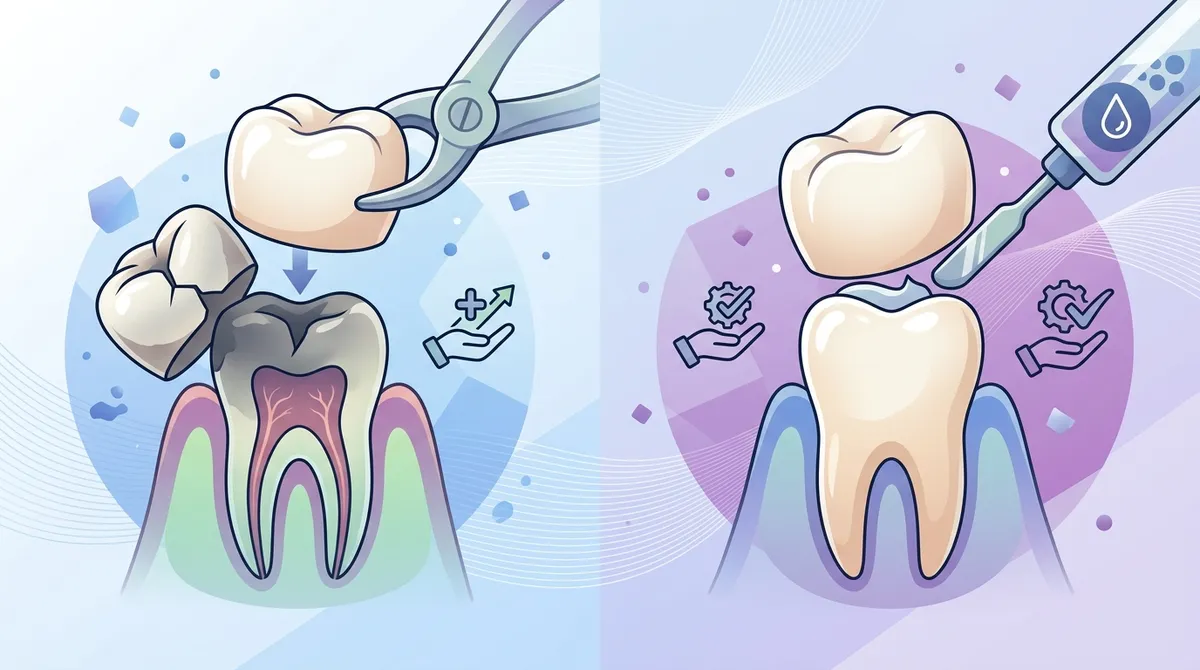
Crown Replacement vs. Recementation: A Side-by-Side Comparison
Here’s a helpful table that breaks down the key differences between the two options so you can easily compare them:
| Factor | Recementation | Crown Replacement |
|---|---|---|
| Procedure Time | Usually 30–60 minutes | 1–2 visits (or same day) |
| Cost | Lower | Higher |
| Crown Condition | Crown must be intact | Crown is damaged or worn |
| Tooth Condition | No new decay present | May have decay or changes |
| Best For | Cement failure only | Structural or fit issues |
| Long-Term Solution | Moderate | Best long-term option |
Common Reasons a Crown Falls Off
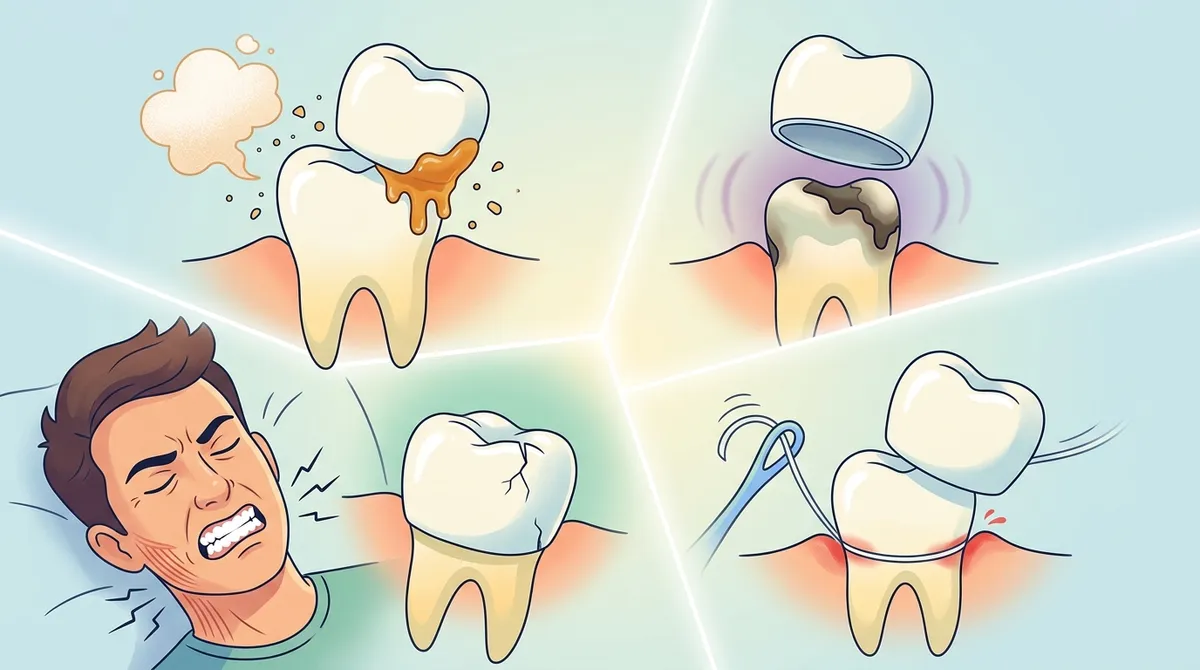
Before you can decide between crown replacement versus recementation, it helps to understand why the crown came off in the first place. Here are the most common culprits:
- Cement failure: Dental cement can weaken over time, especially after many years. This is one of the most common and easily fixable causes.
- Tooth decay: If decay develops under the crown, it can weaken the tooth structure and cause the crown to loosen.
- Grinding or clenching: Bruxism puts excessive pressure on crowns and can cause them to loosen or crack over time.
- Eating hard or sticky foods: Biting into something hard or sticky can dislodge a crown. Learn more about foods to avoid when you have a crown.
- Normal wear and tear: Even well-made crowns don’t last forever. Most ceramic crowns last 10–15 years with proper care.
Knowing the cause helps your dentist determine the right fix. Cement failure usually means recementation is enough. But decay or damage usually means a new crown is needed. For more on what causes repeated crown issues, check out these 9 reasons your crown keeps falling off.
What to Expect at Your Dental Appointment
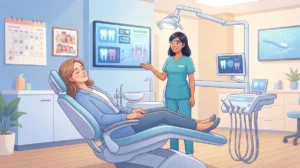
When you come in with a lost or loose crown, your dentist will follow a clear process to figure out the best next step. Here’s what typically happens:
- Visual exam: Your dentist will inspect the crown and the exposed tooth to check for visible damage or decay.
- X-rays: Digital X-rays help identify any issues below the gum line or inside the tooth that aren’t visible to the naked eye.
- Fit test: Your dentist will place the crown back over the tooth to see how well it still fits.
- Decision time: Based on these findings, your dentist will recommend recementation or replacement and explain the reasons clearly.
The whole evaluation process is usually quick and painless. If you’re dealing with this situation right now, don’t wait — the longer you leave a tooth without its crown, the more vulnerable it becomes to sensitivity, infection, and further damage. You can reach out to Dental Theory to book your appointment and get same-day answers.
How Long Does Each Option Take?
| Step | Recementation Timeline | Replacement Timeline |
|---|---|---|
| Initial Exam | Same visit | Same visit |
| Tooth Preparation | Minimal | May require reshaping |
| Crown Fabrication | Not needed | Same day (with CEREC technology) |
| Placement | Same visit | Same visit (same-day crowns) |
| Total Visits | 1 visit | 1 visit (same-day option) |
At Dental Theory in Brandon, FL, Dr. K offers same-day ceramic crowns — so even if you need a full replacement, you don’t have to wait days or weeks. You can walk in and walk out with a brand-new crown, all in a single visit. That’s a game-changer for busy patients! Learn more about how same-day crowns in Brandon work and whether you might be a candidate.
Does Insurance Cover Crown Replacement or Recementation?
Great news — both procedures may be covered by dental insurance, depending on your plan. Recementation is typically classified as a restorative service. Crown replacement is also often covered, though frequency limitations may apply (many plans cover a new crown on the same tooth every 5–7 years). Always check with your provider before your appointment. You can also learn about common insurance mistakes that cost patients money on dental crowns. Dental Theory works with a variety of insurance plans to help make your care as affordable as possible.
Tips to Make Your Crown Last Longer
Whether you choose recementation or replacement, you’ll want to protect your investment going forward. Here are some simple habits that help your crown stay in place for years to come:
- Brush twice a day and floss daily around the crown
- Avoid chewing ice, hard candy, or sticky foods
- Wear a night guard if you grind your teeth
- Visit your dentist regularly for checkups and cleanings
- Don’t use your teeth as tools (no opening packages!)
For a deeper dive, check out these tips on how to make your dental crown last as long as possible. A little daily care goes a long way!
Crown Materials: Does It Matter for Replacement?
If you do need a new crown, the material matters. At Dental Theory, Dr. K exclusively uses ceramic crowns — and for good reason. Ceramic crowns look completely natural, are metal-free, and are incredibly durable. They blend beautifully with your surrounding teeth and are the gold standard for both front and back teeth in 2026. Here’s a quick breakdown of why ceramic is such a great choice:
| Crown Feature | Ceramic Crown Benefit |
|---|---|
| Appearance | Matches natural tooth color perfectly |
| Material | Metal-free and biocompatible |
| Durability | Strong enough for daily chewing |
| Sensitivity | Less temperature sensitivity vs. metal |
| Gum Compatibility | Gentle on gum tissue |
Want to learn more about your options? Check out which dental crown material is best for you and why porcelain dental crowns are such a popular choice.
What If You’re Not Sure? Ask the Experts
Sometimes, it’s genuinely hard to know whether recementation or replacement is the better path — and that’s totally okay! That’s what your dentist is there for. The decision depends on the unique condition of your tooth and crown, which only a professional can properly assess. If you’re in Brandon, FL and dealing with a loose or fallen crown, the friendly team at Dental Theory is ready to help. You can schedule an appointment quickly and get the expert guidance you need. Don’t guess — get answers from a trusted local dentist who genuinely cares about your smile. You can also visit Dental Theory on Google to read patient reviews and see what our community is saying about our dental care.
Conclusion
When it comes to crown replacement versus recementation, the right answer depends on the condition of your crown, the health of the underlying tooth, and the reason it came loose in the first place. Recementation is a fast and affordable fix when your crown is still in great shape. But when the crown is damaged or the tooth has changed, a new crown is the smarter long-term investment. Either way, acting quickly protects your tooth from further damage. If you’re in Brandon, FL and need expert crown care, don’t wait. Contact Dental Theory today and let Dr. K take a look — same-day crowns are available so you can get back to your life without missing a beat. Your smile deserves the best, and we’re here to deliver it! You can also visit us on Facebook to stay connected and learn more about our services.
FAQs
Q: How do I know if my crown needs to be replaced or just recemented?
A: Great question! Your dentist will examine the crown and take X-rays to check the tooth underneath. If the crown is still intact and the tooth is decay-free, recementation is usually all you need. But if there’s damage to the crown or new decay on the tooth, a replacement is the better long-term fix.
Q: Is recementation painful?
A: Not at all — recementation is typically a very comfortable procedure! Your dentist will clean the crown and tooth, then bond them back together with fresh dental cement. Most patients are in and out in under an hour with little to no discomfort.
Q: How long does a recemented crown last?
A: A recemented crown can last many more years if the crown itself is in good condition and the underlying tooth is healthy. To extend its life, maintain great oral hygiene, avoid hard or sticky foods, and see your dentist regularly for checkups.
Q: Can I get a same-day crown replacement in Brandon, FL?
A: Yes, you can! At Dental Theory in Brandon, FL, Dr. K offers same-day ceramic crowns using advanced technology. That means if your crown needs to be fully replaced, you can walk in and walk out with a brand-new crown — all in one visit. How’s that for convenient?
Q: What should I do if my crown falls off before I can see a dentist?
A: First, don’t panic! Keep the crown safe and avoid chewing on that side of your mouth. You can temporarily place the crown back over the tooth for protection, but avoid using super glue or other household adhesives. Call your dentist as soon as possible to get it properly evaluated and fixed.