Key Takeaways
-
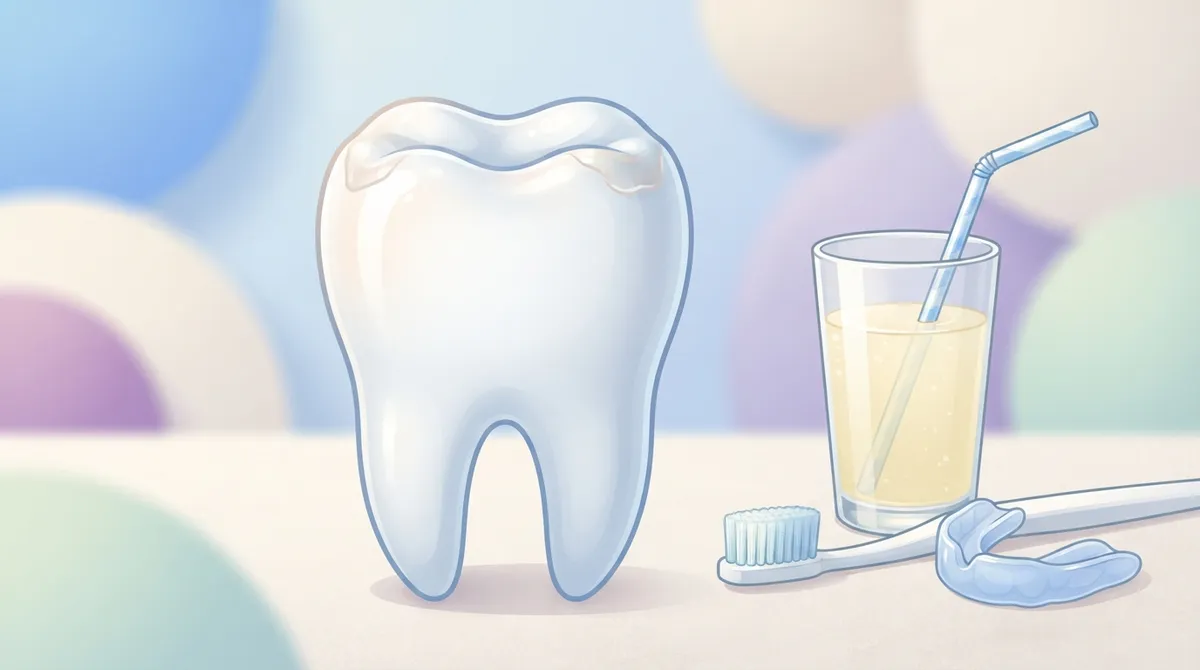
Acid erosion from frequent sipping of soda, citrus, coffee, or wine keeps enamel from recovering and is a leading cause of worn-looking teeth.
-
Brushing hard with a stiff brush wears enamel and pushes gums back; switch to a soft brush and gentle, small-circle strokes.
-
Nighttime teeth grinding (bruxism) can flatten biting surfaces and cause cracks; a morning jaw ache or dull headache may be a clue.
-
Enamel cannot grow back, so catching wear early with bonding, fillings, or a night guard prevents bigger problems later.
-
Wait about 30 minutes after acidic foods or drinks before brushing, and use a straw for acidic beverages to limit contact with teeth.
-
See a dentist if sensitivity lasts more than two weeks, or if you notice pain when biting, a visible crack, or receding gums.
Ever taken a sip of iced tea and felt a sudden zing shoot through your tooth? Or noticed your teeth look a little shorter, flatter, or more see-through than they used to? You are definitely not alone. Many people in Brandon and across the country ask, why do my teeth feel sensitive or worn down? The good news is that there are clear reasons behind it, and there are simple ways to feel better.
Teeth are tough, but they are not invincible. Over time, daily habits, diet, and even stress can chip away at the protective outer layer of your teeth. When that layer thins, the softer parts underneath get exposed, and that is when the sensitivity and wear begin.
In this friendly guide, we will walk through the most common causes, the warning signs to watch for, and the treatment options that can help. Whether you are a busy parent, a coffee lover, or someone who just wants a comfortable smile again, you will find helpful answers here.
What Is Happening Inside a Sensitive Tooth?
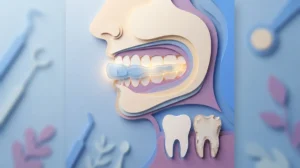
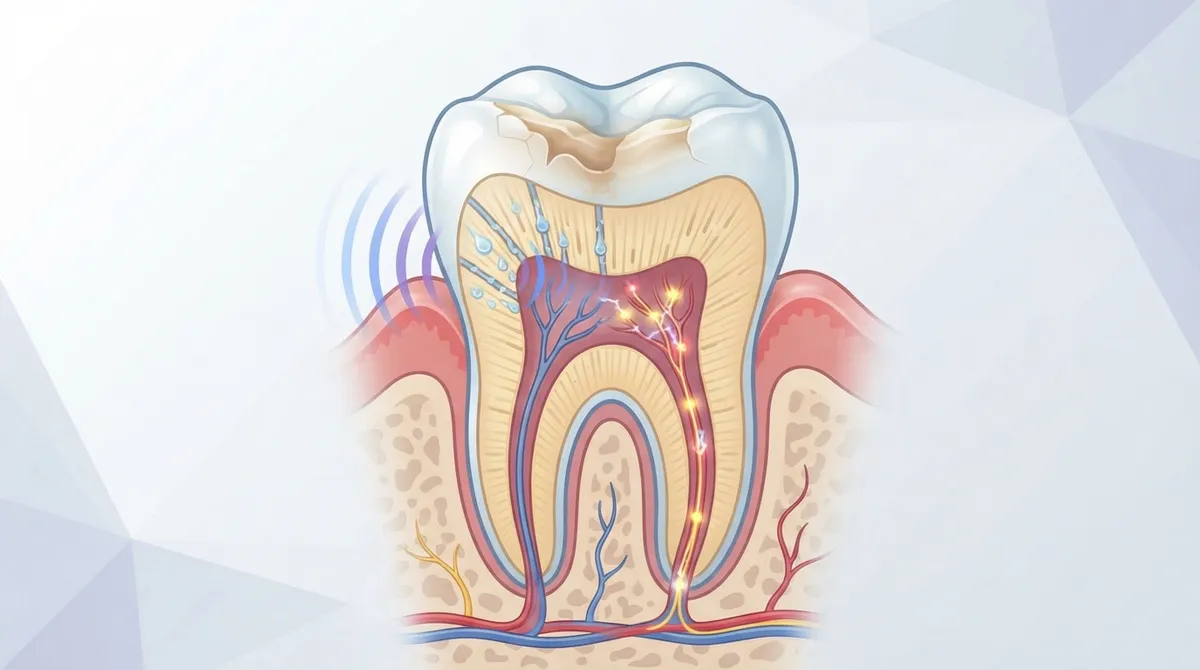
To understand why teeth feel sensitive, it helps to know how a tooth is built. Think of your tooth like a small castle with layers of protection.
- Enamel: The hard, shiny outer shell. It is the strongest substance in your body.
- Dentin: The softer layer under the enamel. It contains tiny tubes that lead to the nerve.
- Pulp: The center of the tooth, where nerves and blood vessels live.
When enamel is strong and healthy, it shields the inside of your tooth from hot, cold, sweet, and acidic things. When enamel wears away, or when gums pull back, the dentin underneath is exposed. Those tiny tubes in dentin let temperature and pressure travel straight to the nerve. That is the sharp, quick pain you feel with sensitivity.
Why Do My Teeth Feel Sensitive or Worn Down? The Top Causes
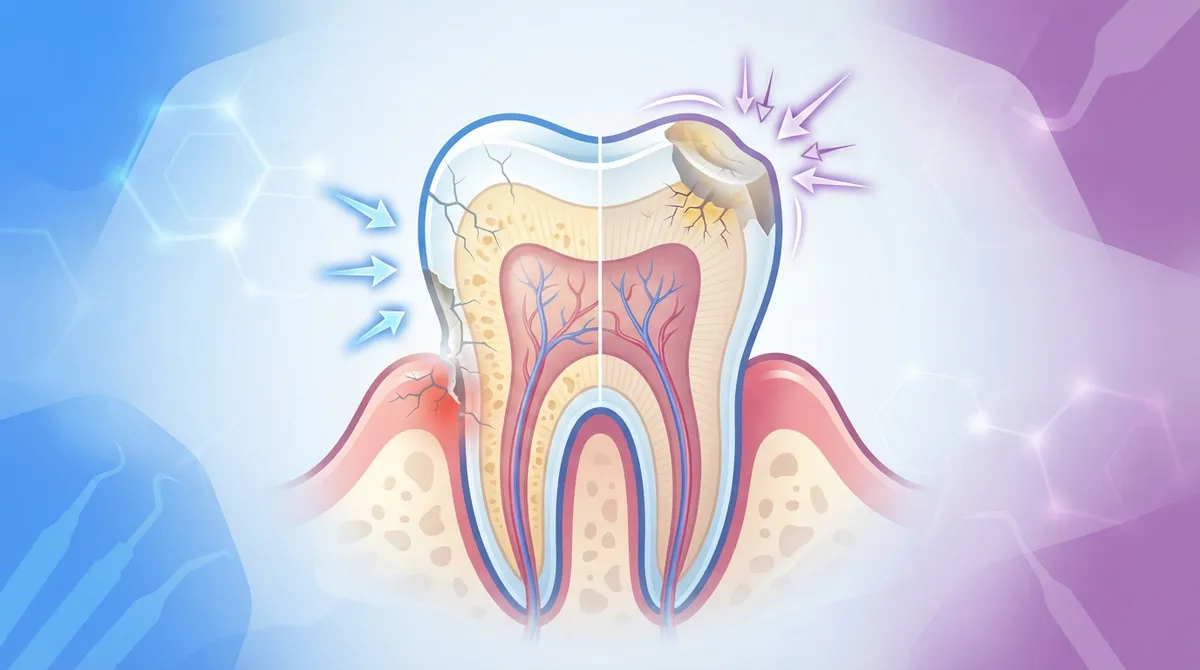
There is rarely just one reason. Often, a few habits work together over the years. Here are the most common culprits we see.
1. Brushing Too Hard
It seems like scrubbing harder would make teeth cleaner. In reality, heavy pressure and a hard-bristled brush can wear down enamel and push your gums back. Gentle, steady brushing with a soft brush is all you need.
2. Acidic Foods and Drinks
Acid softens enamel temporarily. When you sip or snack on acidic items all day, your enamel never gets a chance to recover. Common acidic offenders include:
- Soda and sports drinks
- Citrus fruits and juices
- Coffee and wine
- Sour candies and vinegar-based foods
This process is called acid erosion, and it is a leading reason teeth look and feel worn down.
3. Teeth Grinding and Clenching
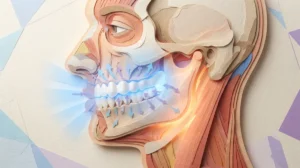
Many people grind their teeth at night and have no idea. This habit, called bruxism, puts enormous pressure on your teeth. Over time, it flattens the biting surfaces, creates tiny cracks, and leaves teeth sore and sensitive. If you wake up with a tight jaw or a dull headache, grinding may be the cause.
4. Gum Recession
Gums protect the roots of your teeth. When gums pull back from gum disease, rough brushing, or aging, the root surface is exposed. Roots do not have enamel, so they react quickly to cold air and drinks. If you notice your teeth looking longer than before, receding gums may be the reason.
5. Tooth Decay and Cracks
A cavity or a small crack can also cause sensitivity. Sometimes the discomfort shows up only when you bite down or eat something sweet. These problems tend to get worse if left alone, so it is smart to have them checked early. If you have ever wondered whether every cavity needs treatment, our article on whether all cavities really need to be filled explains how dentists decide.
6. Whitening Products and Recent Dental Work
Some people feel temporary sensitivity after whitening or a dental procedure. This is usually short-lived and fades within a few days. If it lingers, let your dentist know.
Sensitivity vs. Wear: Are They the Same Thing?
They are related, but not identical. Sensitivity is how your teeth feel. Wear is what your teeth look like over time. You can have one without the other, but they often show up together. Here is a quick comparison.
| Feature | Tooth Sensitivity | Tooth Wear |
|---|---|---|
| What you notice | Quick, sharp pain with hot, cold, or sweet | Flat, short, thin, or chipped-looking teeth |
| Common causes | Exposed dentin, gum recession, cavities | Grinding, acid erosion, hard brushing |
| Speed of change | Can appear suddenly | Usually slow and gradual |
| Typical fix | Desensitizing care, fillings, gum care | Bonding, crowns, night guards |
Signs Your Teeth May Be Wearing Down
Wear can sneak up on you. Because it happens slowly, many people do not notice until a dentist points it out. Keep an eye out for these signs:
- Sharp pain when you drink something hot or cold.
- Flat or smooth biting surfaces that used to have bumps and ridges.
- Edges that look thin or see-through, especially on front teeth.
- Small chips or cracks along the edges.
- Yellowing as the darker dentin shows through thinning enamel.
- A shorter-looking smile compared to old photos.
If you recognize two or more of these, it is a good time to book a visit. Catching wear early makes treatment simpler and more comfortable.
Everyday Habits That Wear Teeth Down
Some of the biggest causes are tiny habits we barely think about. Here are a few to watch.
- Sipping all day: Constant sipping on coffee, soda, or flavored water keeps acid on your teeth.
- Chewing ice or pens: Hard objects can chip enamel and cause tiny fractures.
- Using teeth as tools: Opening packages or bottles with your teeth is risky.
- Skipping dental visits: Small issues grow when no one is watching them.
- Dry mouth: Saliva helps protect and rebuild enamel. Less saliva means less protection.
Good oral habits make a big difference. For more ideas, take a look at these 7 oral hygiene mistakes you might be making right now.
How to Ease Tooth Sensitivity at Home
Mild sensitivity can often be calmed with a few easy changes. Try these steps:
- Switch to a soft-bristled toothbrush and brush gently in small circles.
- Use a toothpaste made for sensitive teeth. Give it a few weeks to build up its effect.
- Wait 30 minutes after eating or drinking something acidic before brushing.
- Rinse with water after coffee, soda, or citrus.
- Use a straw for acidic drinks so less liquid touches your teeth.
- Floss daily to keep gums healthy and protect roots.
These small steps can really help. Still, home care has limits. If the discomfort lasts more than a couple of weeks, or if it gets worse, it is time to see a dentist. Sensitivity is a signal, and sometimes it points to something that needs professional attention. You can also explore our guide on sensitive teeth solutions for more relief ideas.
Professional Treatments for Sensitive and Worn Teeth
When home care is not enough, a dentist has several gentle options. The right choice depends on what is causing the problem. Here is a look at common treatments.
| Treatment | Best For | What It Does |
|---|---|---|
| Fluoride or desensitizing treatment | Mild to moderate sensitivity | Strengthens enamel and blocks pain signals |
| Tooth-colored fillings | Cavities and small worn spots | Repairs and seals damaged areas |
| Dental bonding | Chips and thin edges | Rebuilds shape using tooth-colored material |
| Custom night guard | Grinding and clenching | Cushions teeth and prevents further wear |
| Dental crowns | Heavily worn or cracked teeth | Covers and protects the whole tooth |
| Gum treatment | Gum recession or gum disease | Restores gum health and protects roots |
Repairing Worn Teeth with Crowns and Fillings
When a tooth has lost a lot of structure, a crown can make a big difference. It acts like a protective cap, restoring strength and shape. At Dental Theory, we offer ceramic Same-Day Crowns, so you do not have to wait weeks with a temporary or come back for multiple visits. Dr. K, our adult and cosmetic dentistry specialist, can restore a damaged tooth in a single appointment. Curious how this works? Read what same-day crowns are and how the process works.
For smaller spots of wear, white fillings can repair the area and blend in beautifully with your natural smile. And if worn teeth have changed the look of your smile, options like veneers, crowns, and bridges can restore both comfort and confidence.
Protecting Teeth from Grinding
If you grind your teeth, a custom night guard is one of the best ways to stop further damage. It fits comfortably over your teeth while you sleep and absorbs the pressure. We also dig deeper into this topic in our article on teeth grinding causes and cures. Jaw soreness and clicking can also point to a joint issue, which our TMJ rehabilitation care can address.
What About Sensitive Teeth in Kids?
Children can have sensitive or worn teeth too. Baby teeth have thinner enamel than adult teeth, so they are more sensitive to sugar and acid. Frequent juice, sticky snacks, and nighttime grinding can all play a part.
If your little one complains about tooth discomfort or you notice flat, worn spots, it is worth a visit. Dr. Pri, our board-certified pediatric dentist, provides gentle, kid-friendly care. She is also the only board-certified pediatric dentist offering in-office sedation in Brandon, FL, which can help anxious children feel calm and comfortable during treatment. Learn more about our approach to pediatric dentistry and see our tips for stress-free dental care for children.
How Can You Prevent Teeth From Wearing Down?
Prevention is always easier and cheaper than repair. Here is a simple game plan you can start today:
- Brush twice a day with a soft brush and fluoride toothpaste.
- Cut back on constant sipping of acidic or sugary drinks.
- Drink plenty of water to keep your mouth moist.
- Avoid chewing ice, hard candy, and non-food items.
- Ask about a night guard if you clench or grind.
- Visit your dentist regularly for exams and cleanings.
Routine visits matter because your dentist can spot early wear, cracks, and gum changes long before you feel them. Professional teeth cleanings and a thorough comprehensive exam help catch problems while they are still small. Our general dentistry team takes a gentle, stress-free approach so every visit feels easy.
When Should You See a Dentist?
Do not wait if you notice any of the following:
- Sensitivity that lasts longer than two weeks.
- Pain when you bite down or release your bite.
- A visible crack, chip, or dark spot on a tooth.
- Swollen, bleeding, or receding gums.
- Sudden, severe tooth pain.
If you are in significant pain, our dental emergency treatment can get you seen quickly. Your comfort comes first, always.
Why Families in Brandon Choose Dental Theory
Dental Theory is a family-focused practice in Brandon, FL, where kids, parents, and grandparents can all get care under one roof. We use modern technology and a warm, relaxed environment so you can leave feeling lighter, not stressed. Don’t just take our word for it, you can see what patients say when you visit us on Google — Dental Theory.
We also know that caring for your whole self matters. Many of our patients find that a little self-care, like a relaxing session with Mobile Area Massage of Tampa Bay, can help ease the jaw and neck tension that often goes hand in hand with clenching. It is a lovely way to support a healthier, calmer smile.
Worried about cost? Many plans are accepted, and you can review our insurance options to see how we can help.
Take the Next Step Toward a Comfortable Smile
Sensitive and worn teeth are common, but you do not have to live with the discomfort. From simple habit changes to gentle professional treatments, there are plenty of ways to protect your smile and feel like yourself again. The sooner you find the cause, the easier it is to treat.
Ready to find out what is behind your tooth sensitivity? Contact Dental Theory today and let our friendly team help you get back to enjoying ice cream, coffee, and every smile in between. You can also schedule an appointment online whenever it is convenient for you.
FAQs
Q: Why do my teeth suddenly feel sensitive to cold?
A: Sudden cold sensitivity usually means the protective enamel has thinned or your gums have pulled back, exposing the softer layer underneath. It can also be a sign of a small cavity or crack. If it sticks around for more than a couple of weeks, it is a great idea to have your dentist take a look.
Q: Can worn-down teeth be repaired?
A: Yes, they absolutely can! Depending on how much wear there is, your dentist may suggest bonding, white fillings, or a crown to rebuild and protect the tooth. Enamel cannot grow back on its own, so repairing worn teeth early helps prevent bigger problems later.
Q: Does teeth grinding cause sensitivity?
A: It sure can. Grinding and clenching wear away enamel and can create tiny cracks that make teeth sore and sensitive to temperature. A custom night guard is a simple, comfortable way to protect your teeth while you sleep.
Q: Is sensitive toothpaste really effective?
A: For mild sensitivity, yes! Sensitive toothpaste helps block the tiny pathways that carry pain signals to the nerve. It usually takes a few weeks of regular use to notice the difference, and if the pain continues, a dental visit can find the root cause.
Q: Can children have sensitive or worn-down teeth?
A: Yes, kids can have them too, since baby teeth have thinner enamel than adult teeth. Sugary snacks, acidic drinks, and nighttime grinding are common reasons. A pediatric dentist can check things out gently and recommend the best way to protect your child’s smile.
Our Service Area