Key Takeaways
-
With proper care, dental implant posts can last 25+ years or even a lifetime, while crowns typically need replacement after 10-15 years—but only the crown requires replacement, not the entire implant.
-
Poor oral hygiene and gum disease are the #1 reason implants fail; daily brushing, flossing, and regular professional cleanings are essential to prevent peri-implantitis and extend implant life.
-
Smoking significantly reduces implant success rates and is one of the single most impactful factors you can control—quitting or reducing smoking dramatically improves long-term implant outcomes.
-
Teeth grinding (bruxism) damages implant crowns and posts over time; wearing a custom night guard is a proven way to protect your investment and extend implant longevity.
-
Dental implants have a 95%+ success rate at 10 years and preserve jawbone health better than dentures or bridges, making them the most economical long-term tooth replacement option.
-
Health conditions like diabetes and osteoporosis, low bone density, and implant location (molars experience more pressure) significantly affect how long implants last and may require bone grafting or special precautions.
You’ve lost a tooth — or maybe you’re about to — and you’re wondering whether a dental implant is worth it. That’s a completely fair question! After all, a dental implant is a big decision, both for your smile and your wallet. One of the first things most people ask is: how long will a dental implant last? The good news? With proper care, dental implants can last a lifetime. Let’s break down everything you need to know in plain, simple language.
Whether you’re a Brandon resident researching your options or someone referred by a friend, this guide will walk you through implant longevity, what affects it, and how to make the most of your investment. And if you’re looking for expert dental implants in Brandon, FL, you’re in the right place.
What Is a Dental Implant, Exactly?
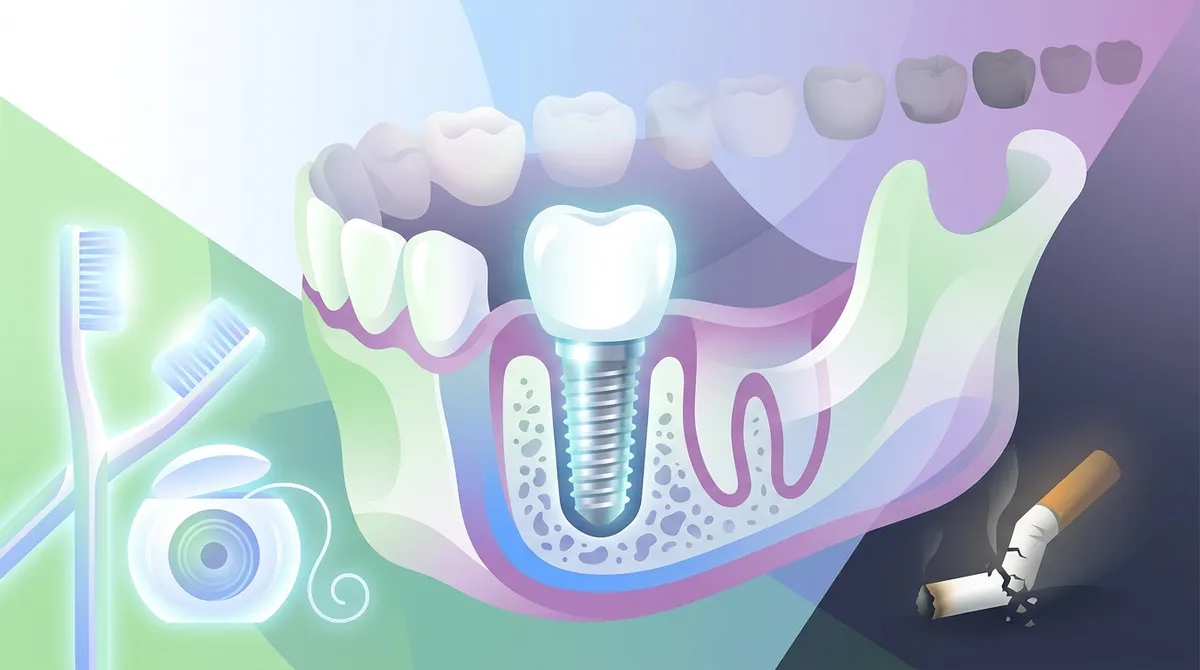
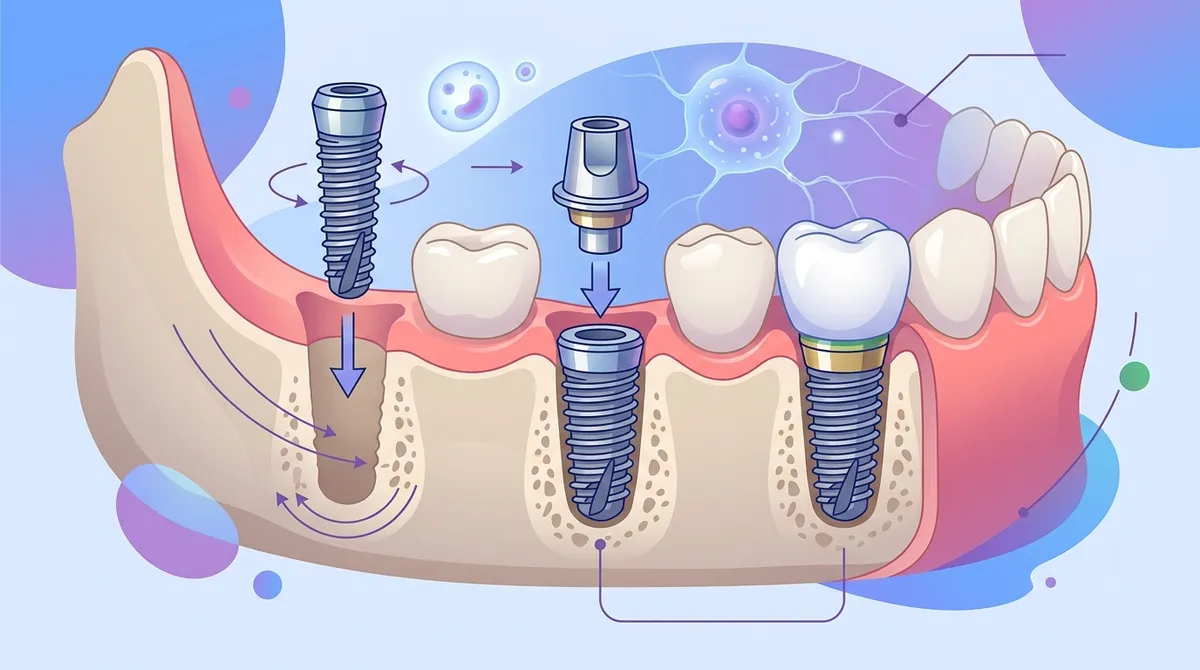
A dental implant is a small titanium post that your dentist places into your jawbone. It acts like an artificial tooth root. Once it fuses with the bone — a process called osseointegration — a crown is placed on top to look and function just like a natural tooth. It’s one of the most durable tooth replacement options available in modern dentistry.
There are three main parts to a dental implant:
- The implant post — the titanium screw that goes into the jawbone
- The abutment — a small connector that links the post to the crown
- The crown — the visible part that looks like your natural tooth
Each part can have a different lifespan, which is important to understand when asking how long will a dental implant last.
How Long Does a Dental Implant Actually Last?
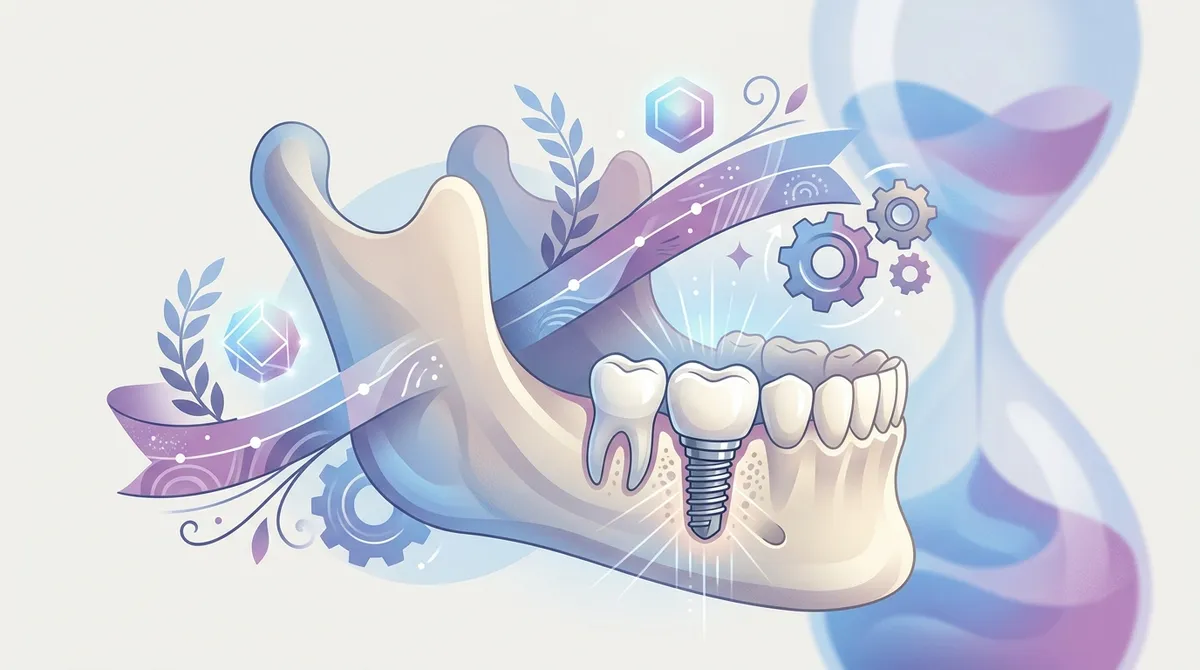
Here’s the short answer: the implant post itself can last 25 years, decades, or even a lifetime. The crown on top typically lasts 10 to 15 years before it may need to be replaced due to normal wear and tear. But many people keep their implant crowns much longer with good habits!
| Implant Component | Average Lifespan | Key Influencing Factor |
|---|---|---|
| Titanium Implant Post | 25+ years to lifetime | Bone health, osseointegration |
| Abutment | 10–20+ years | Bite pressure, material quality |
| Crown (ceramic/porcelain) | 10–15+ years | Oral hygiene, grinding habits |
Studies show that dental implants have a success rate of over 95% at the 10-year mark. That’s remarkably high for any medical or dental procedure! For more details on related restoration options, check out our guide on implant supported crowns and prosthesis.
What Factors Affect How Long an Implant Lasts?
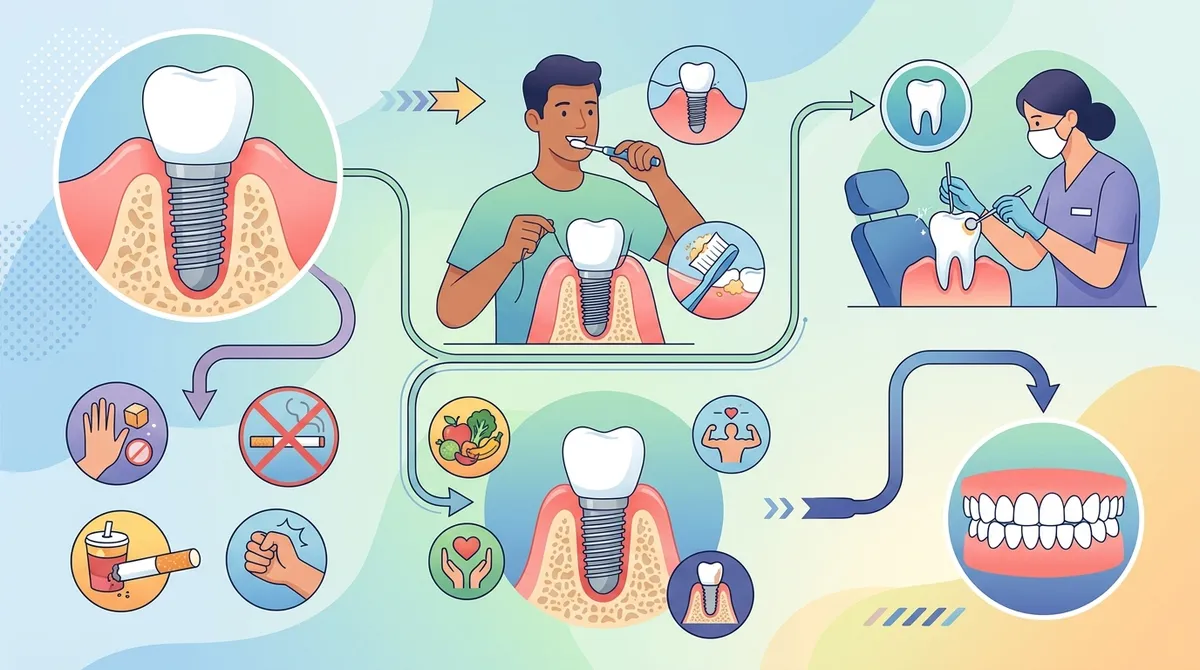
Not every implant lasts the same amount of time. Several factors play a big role in determining longevity. Understanding these can help you protect your investment for as long as possible.
1. Your Oral Hygiene Routine
This is the biggest factor. Brushing twice a day and flossing daily keeps bacteria away from the implant. Bacteria can cause gum disease, which is the number one reason implants fail. Routine teeth cleanings at your dentist’s office are also essential to keeping implants healthy long-term.
2. Bone Density and Jaw Health
Your implant needs a strong jawbone to anchor into. If you have low bone density, the implant may not fuse properly. A bone graft may be recommended before placement to ensure a solid foundation for the implant post.
3. Your Overall Health
Certain health conditions like diabetes or osteoporosis can affect how well implants integrate into the bone. Smoking also significantly reduces implant success rates — in fact, smokers have a much higher risk of implant failure than non-smokers.
4. The Location of the Implant
Implants placed in the back of the mouth (molars) experience more chewing pressure than those in the front. This can cause the crown portion to wear down faster. That’s why molars may need crown replacements sooner than front teeth implants.
5. Teeth Grinding (Bruxism)
If you grind your teeth at night, you’re putting excess pressure on your implant. Over time, this can crack the crown or even loosen the implant post. A custom night guard can help protect your implant and extend its life.
| Risk Factor | Impact on Implant Life | What You Can Do |
|---|---|---|
| Poor oral hygiene | High risk of failure | Brush, floss, and get cleanings |
| Smoking | Significantly reduces success | Quit or reduce smoking |
| Teeth grinding | Damages crown and post | Wear a night guard |
| Systemic health conditions | May slow healing | Manage with your doctor |
| Poor bone density | Affects osseointegration | Consider bone grafting |
How to Make Your Dental Implant Last Longer
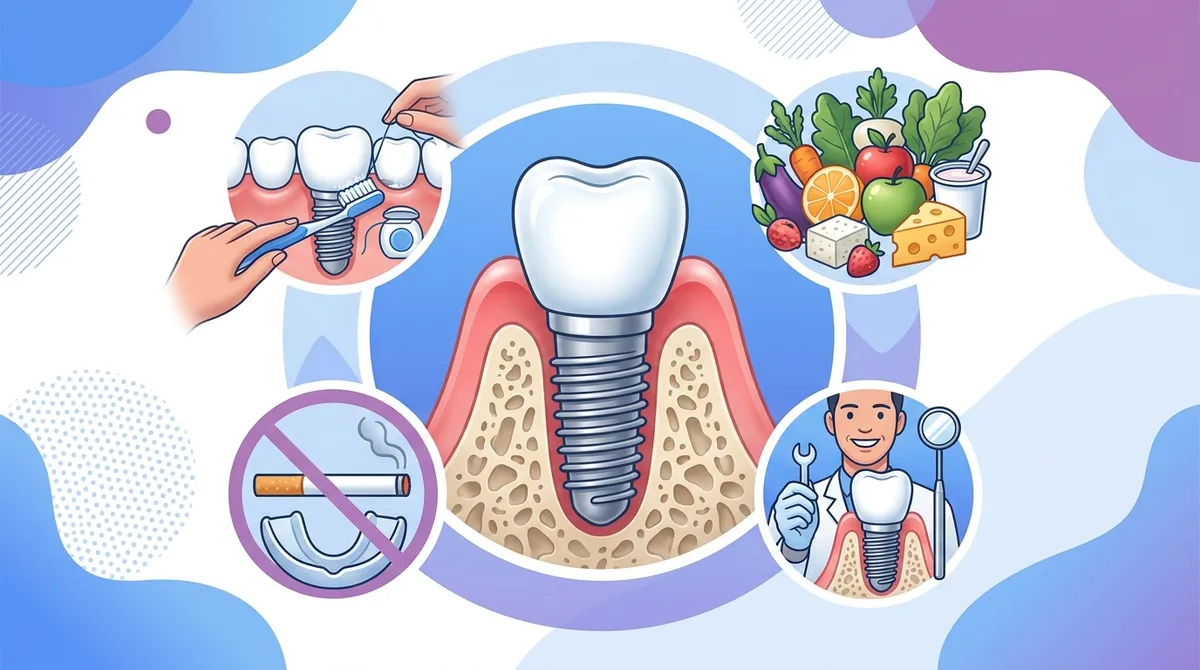
The great news is that you have a lot of control over how long your implant lasts! Here are some simple, proven steps to maximize implant longevity.
Top 7 Tips to Extend Your Implant’s Life
- Brush twice daily — Use a soft-bristled toothbrush to clean around the implant gently but thoroughly.
- Floss every day — Use implant-friendly floss or a water flosser to clean around the base of the crown.
- Visit your dentist regularly — Routine checkups catch problems early before they become big ones.
- Get professional cleanings — Plaque buildup around implants can lead to peri-implantitis, a serious gum infection.
- Avoid chewing on hard objects — Ice, hard candy, and pen caps can damage your implant crown.
- Quit smoking — This is one of the single most impactful things you can do for your implant’s health.
- Wear a night guard — If you grind your teeth, protect your implant while you sleep.
Our team at Dental Theory in Brandon, FL is always here to help you maintain your implant with personalized care and regular checkups. We make every visit feel easy and stress-free!
Signs Your Dental Implant May Have a Problem
Even well-cared-for implants can sometimes run into issues. Catching problems early is key. Here are some warning signs to watch for:
- Pain or discomfort around the implant site
- Swelling or bleeding of the gums near the implant
- The implant feels loose or wobbly
- Difficulty chewing or biting
- Visible bone loss around the implant on X-rays
- Gum recession near the implant
If you notice any of these signs, don’t wait. Schedule an appointment right away. Early intervention can often save an implant that might otherwise need to be removed. You can schedule an appointment with our team quickly and conveniently.
Dental Implants vs. Other Tooth Replacement Options
It’s helpful to compare dental implants to other options so you can see just how impressive implant longevity really is. When you’re weighing your choices, lifespan matters a lot.
| Tooth Replacement Option | Average Lifespan | Bone Preservation | Looks Natural? |
|---|---|---|---|
| Dental Implant | 25+ years to lifetime | Yes | Yes |
| Dental Bridge | 10–15 years | No | Yes |
| Partial Denture | 5–10 years | No | Somewhat |
| Full Denture | 7–10 years | No | Somewhat |
One major advantage of implants is that they actually preserve your jawbone. When you lose a tooth, the jawbone can start to deteriorate. An implant stimulates the bone just like a natural tooth root does. This is something dentures and bridges simply cannot do. Learn more about dental implants vs. dentures and which option might be right for you.
What Happens If Your Implant Crown Wears Out?
Here’s something a lot of people don’t realize: even if your crown needs to be replaced after 10 to 15 years, the implant post itself usually stays put! That means you may only need a new crown, not a completely new implant. This is much simpler, faster, and less expensive than starting over from scratch.
Think of it like replacing the tires on a car that still has a great engine. The foundation is solid — you’re just refreshing the top layer. That’s one of the many reasons dental implants offer such an excellent long-term value. You can also explore 7 things to know about dental bridges in 2026 if you’re still comparing your options.
Are Dental Implants Right for Everyone?
Most healthy adults are good candidates for dental implants. However, certain factors may require evaluation before moving forward. Here’s a quick checklist to consider:
- Adequate bone volume — You need enough jawbone to support the implant post.
- Healthy gums — Gum disease must be treated before implant placement.
- No uncontrolled systemic disease — Conditions like unmanaged diabetes can affect healing.
- Non-smoker or willing to quit — Smoking significantly raises the risk of implant failure.
- Commitment to oral hygiene — Implants require regular care just like natural teeth.
A consultation with Dr. K at Dental Theory will help determine if implants are the right fit for your smile. He specializes in adult and cosmetic dentistry, including dental implants, and will walk you through all your options with no pressure.
The Cost of Dental Implants and Insurance Coverage
Dental implants are an investment, no question about it. But when you factor in how long they last compared to other options, the cost per year often makes implants the most economical choice in the long run. A bridge replaced twice over 20 years may end up costing more than a single implant placed once.
Many dental insurance plans offer partial coverage for implants. It’s always worth checking your benefits before making a decision. You can also learn about insurance plans accepted at Dental Theory to see how your coverage applies. If you don’t have insurance, ask about our flexible payment options — we want to make great dental care accessible to everyone in Brandon, FL.
For additional guidance, check out the 5 insurance mistakes that cost you on dental crowns — many of the same principles apply to implants too!
Why Dental Theory Is Brandon’s Trusted Implant Provider
Dr. K at Dental Theory brings expertise, technology, and a genuine passion for helping patients smile with confidence. He takes the time to understand your unique situation and create a treatment plan tailored just for you. Our office uses the latest dental technology to ensure precise implant placement and long-lasting results.
We know dental procedures can feel intimidating, but we’ve built our practice around making every patient feel comfortable and cared for. From your first consultation to your final crown placement, we’re with you every step of the way. You can visit us on Google — Dental Theory to read reviews from real Brandon patients who’ve had life-changing results with their dental implants.
Curious about what the implant process looks like from start to finish? Explore our dental implants Brandon page for a full overview. You can also learn about whether dental implants are permanent and what that means for your long-term oral health.
Conclusion: Your Implant Can Last a Lifetime With the Right Care
So, how long will a dental implant last? The implant post can last decades — often a lifetime. The crown may need replacing after 10 to 15 years, but the underlying structure stays strong. With good oral hygiene, regular dental visits, and a healthy lifestyle, your implant can serve you beautifully for the rest of your life.
A dental implant is more than just a tooth replacement. It’s a long-term investment in your smile, your confidence, and your quality of life. And when it’s placed by a skilled, caring dentist, you’re set up for the best possible outcome. Want to find out if you’re a candidate? Reach out to our Dental Theory team today and take the first step toward your best smile!
You can also visit us on Facebook to stay connected, see patient stories, and learn more about what we offer at Dental Theory in Brandon, FL.
FAQs
Q: How long will a dental implant post last in my jawbone?
A: Great news — the titanium implant post can last 25 years or even a lifetime with proper care! As long as you maintain good oral hygiene and keep up with regular dental visits, the post typically stays firmly fused to your jawbone for decades.
Q: Does the crown on a dental implant last as long as the post?
A: The crown usually lasts 10 to 15 years before it may need replacing due to normal wear — but many patients keep them much longer! The wonderful thing is that if the crown wears out, you typically only need to replace the crown, not the entire implant.
Q: What is the biggest threat to dental implant longevity?
A: Poor oral hygiene and gum disease are the top threats to implant longevity, followed closely by smoking. Brushing, flossing daily, and scheduling regular professional cleanings are the simplest and most effective ways to keep your implant healthy for as long as possible.
Q: Can dental implants fail, and what causes it?
A: Yes, implants can fail, but it’s not very common — the success rate is over 95% at 10 years! The most common causes include smoking, uncontrolled health conditions like diabetes, gum disease, and insufficient bone density at the implant site.
Q: How soon after losing a tooth should I get a dental implant?
A: It’s best to discuss implant placement with your dentist as soon as possible after losing a tooth! When a tooth is gone, the jawbone can begin to shrink over time, which can make implant placement more complex — so acting sooner rather than later usually gives you the best outcome.