Key Takeaways
-
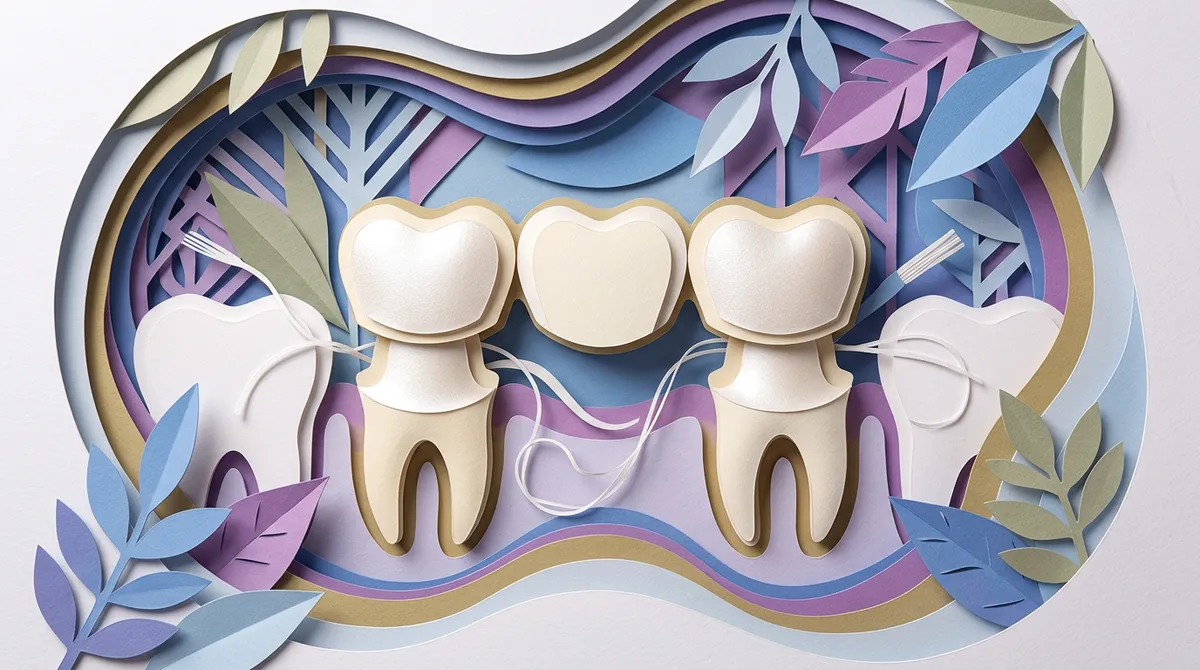
Dental bridges are fixed restorations anchored to healthy adjacent teeth that can last 10-15 years or more, making them a durable and convenient alternative to removable dentures for filling gaps from missing teeth.
-
Proper daily care including twice-daily brushing with soft bristles, daily flossing with a threader, and regular dental checkups is essential to prevent decay of abutment teeth and extend your bridge's lifespan beyond a decade.
-
Traditional bridges typically cost $2,500-$6,000 and are often partially covered by insurance when deemed medically necessary, making them more affordable upfront than implant-supported bridges ($5,000-$15,000+).
-
The bridge process involves multiple steps: consultation, tooth preparation, impressions, temporary bridge placement, and final fitting—taking 1-2 visits depending on whether your dentist has in-house milling technology for same-day crowns.
-
Ideal candidates have one or more missing teeth with healthy adjacent teeth strong enough to support crowns and good gum health, while those with weak surrounding teeth or significant jawbone loss may need dental implants instead.
-
Ceramic bridges provide natural-looking results and work with crowns in a three-part system where the crowns on abutment teeth support the artificial tooth, preventing surrounding teeth from shifting and restoring proper chewing function.
Missing a tooth can feel like a big deal — and honestly, it is. Whether it happened from an accident, decay, or an extraction, a gap in your smile affects more than just how you look. It can change how you chew, how you speak, and even how confident you feel. The good news? dental bridges are one of the most reliable, time-tested ways to fill that gap and get your smile back on track. If you’ve been wondering whether a dental bridge is the right move for you, you’re in the right place. This guide breaks down everything you need to know — from how they work to what they cost — so you can make a confident, informed decision. Let’s dive in!
What Exactly Is a Dental Bridge?
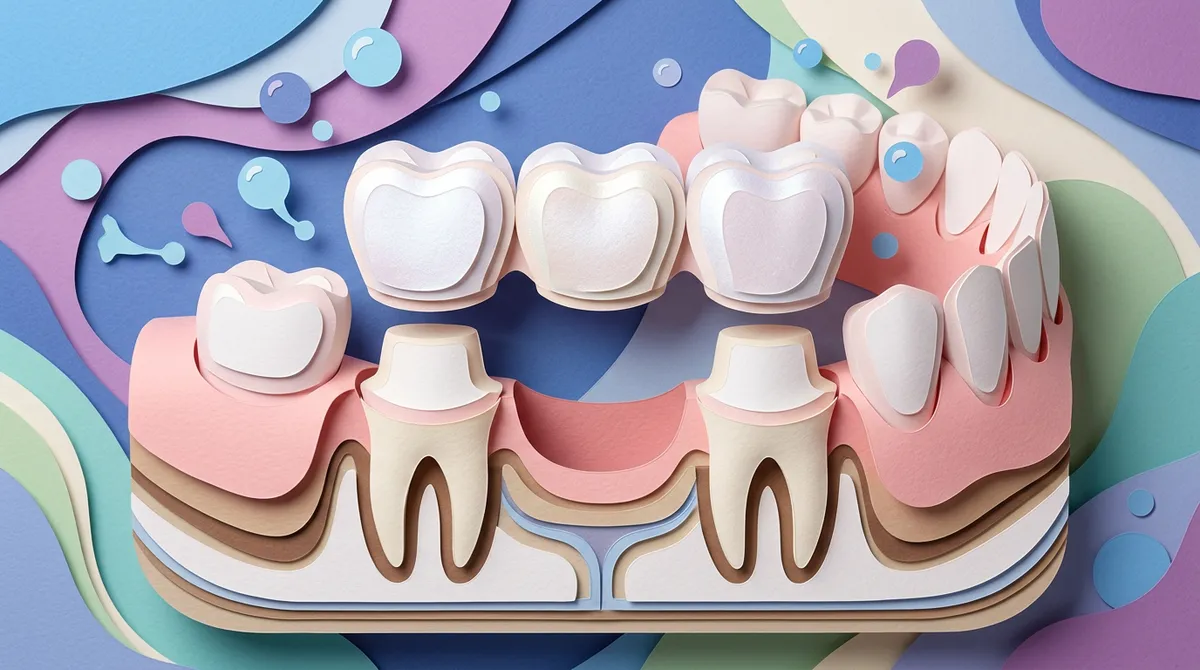
A dental bridge is a fixed dental restoration that literally “bridges” the gap left by one or more missing teeth. It anchors to the healthy teeth on either side of the gap — called abutment teeth — and holds a false tooth (called a pontic) in the middle. The result? A natural-looking, functional tooth that fills your smile right back in. Unlike removable dentures, a bridge stays in place permanently, which many patients find much more comfortable and convenient.
Dental bridges have been around for decades, and for good reason. They’re durable, effective, and can last 10–15 years or more with proper care. If you’re exploring tooth replacement options, a bridge is definitely worth serious consideration. You can also explore dental implants as another excellent option to compare.
1. There Are Several Types of Dental Bridges
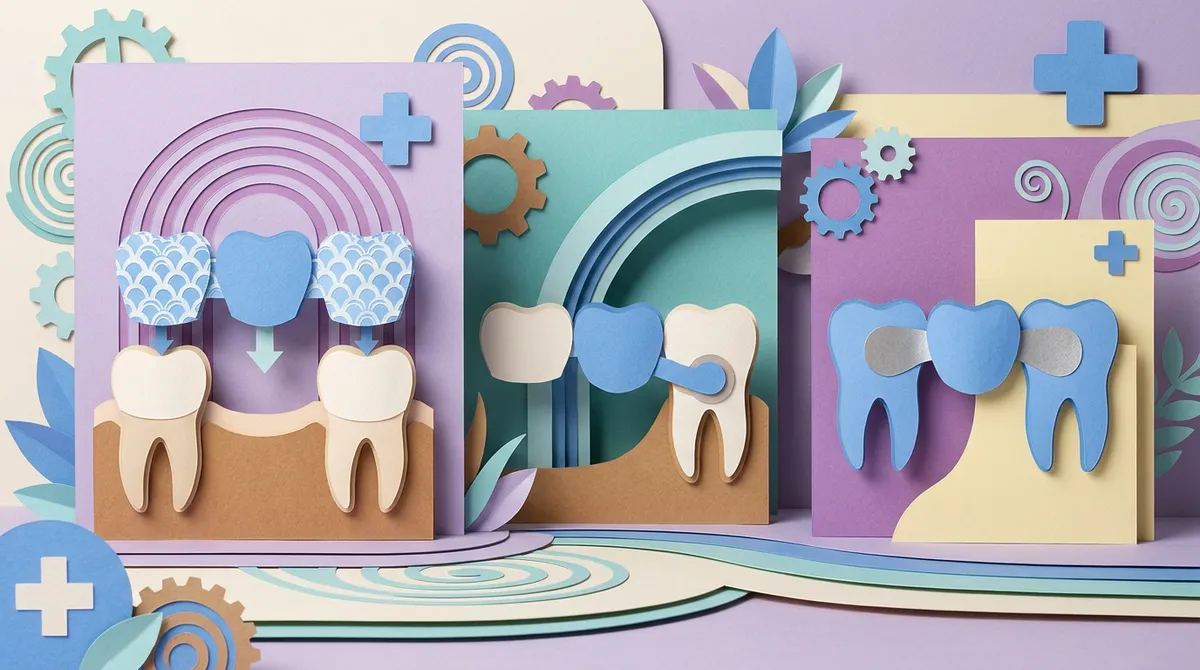
Not all dental bridges are created equal! Your dentist will recommend a specific type based on the location of your missing tooth and the condition of your surrounding teeth. Here’s a quick breakdown of the most common types:
- Traditional Bridge: The most popular type. It uses two crowns on the neighboring teeth with a pontic in between.
- Cantilever Bridge: Used when there’s only one adjacent tooth available for support. Less common today.
- Maryland Bridge: Uses a metal or porcelain framework bonded to the backs of adjacent teeth. Great for front teeth.
- Implant-Supported Bridge: Anchored by dental implants instead of natural teeth. The strongest and most stable option.
Each type has its own advantages, and your dentist will help you figure out which is best suited for your unique situation. You can also look into implant-supported crowns and prosthesis for even more options.
2. Dental Bridges and Dental Crowns Work Together
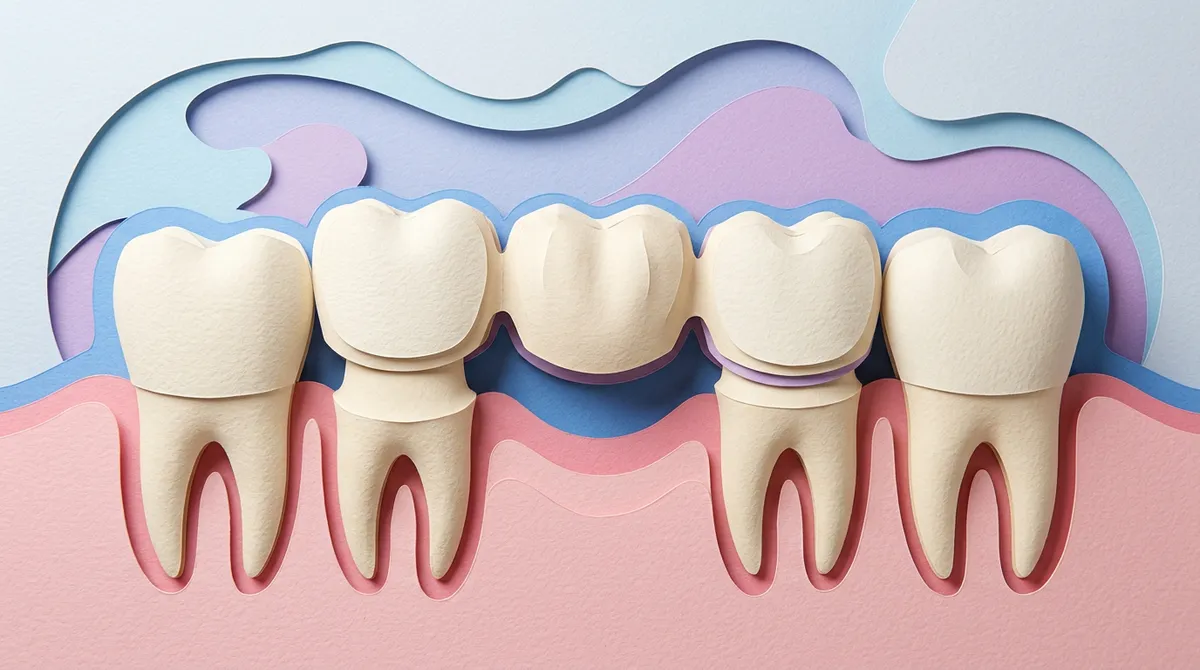
Here’s something that surprises a lot of people: dental bridges actually rely on dental crowns to function. The abutment teeth on either side of the gap are fitted with crowns, which then support the pontic in the middle. Think of it like a three-part system working in perfect harmony. That’s why when you’re considering a bridge, the quality of your crowns matters a lot.
At Dental Theory in Brandon, FL, Dr. K uses only ceramic crowns — no metal, no compromise. Ceramic looks and feels like a natural tooth, blending seamlessly with your smile. And because Dental Theory offers same-day crowns, the process is faster and more convenient than ever. No waiting weeks for a lab — your crowns can be ready the same day.
3. Getting a Dental Bridge Is a Multi-Step Process
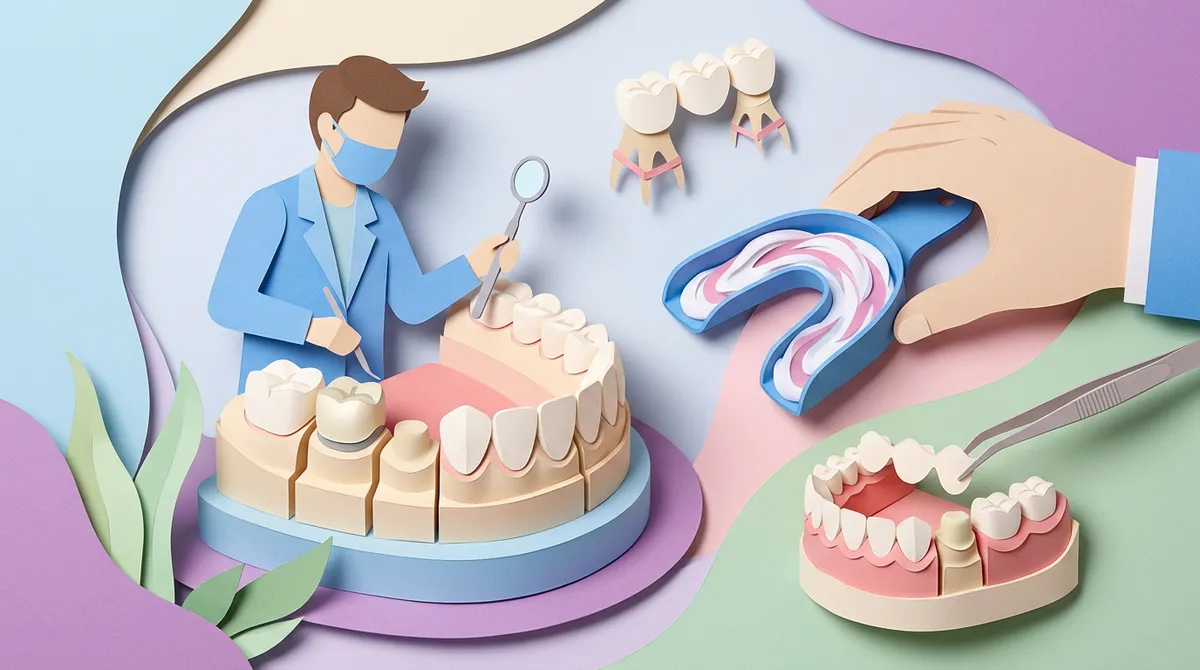
Wondering what the actual process looks like? Here’s a step-by-step overview of what to expect when getting a traditional dental bridge:
- Consultation: Your dentist evaluates your teeth, gums, and bone structure to confirm a bridge is the right solution.
- Tooth Preparation: The abutment teeth are shaped to make room for the crowns that will anchor the bridge.
- Impressions or Digital Scans: Your dentist takes detailed impressions of your teeth to ensure a perfect fit.
- Temporary Bridge Placement: A temporary bridge protects your teeth while the permanent one is being crafted.
- Permanent Bridge Fitting: Your custom bridge is placed, adjusted, and cemented into position.
Depending on your practice and the technology they use, this process may take one to two visits. Advanced practices with in-house milling technology can sometimes complete certain parts faster. It’s always worth asking your dentist what timeline to expect.
4. Dental Bridges vs. Other Tooth Replacement Options
How does a dental bridge stack up against other options? Great question! Here’s a helpful comparison to make your decision easier:
| Feature | Dental Bridge | Dental Implant | Partial Denture |
|---|---|---|---|
| Fixed or Removable | Fixed | Fixed | Removable |
| Surgery Required | No | Yes | No |
| Bone Preservation | Partial | Yes | No |
| Average Lifespan | 10–15 years | 20+ years | 5–10 years |
| Cost (Approximate) | Moderate | Higher upfront | Lower upfront |
| Natural Feel | Very good | Excellent | Good |
Each option comes with trade-offs. A dental bridge is often the sweet spot for patients who want a permanent, non-surgical solution. For a deeper look at your options, check out dentures and dental implants to see what fits your lifestyle best.
5. Dental Bridges Require Proper Care to Last
A dental bridge can last well over a decade — but only if you take good care of it. Here are the most important care tips to keep your bridge in great shape:
- Brush twice a day with a soft-bristled toothbrush.
- Floss daily using a floss threader or water flosser to clean under the bridge.
- Avoid chewing on hard foods like ice, hard candy, or raw carrots near the bridge.
- Visit your dentist regularly for cleanings and check-ups.
- Use an antibacterial mouthwash to keep gum disease at bay around the bridge area.
Neglecting oral hygiene around a bridge can lead to decay of the abutment teeth, which could eventually cause the bridge to fail. Regular checkups through general dentistry services are key to catching any issues early and keeping your bridge — and your whole mouth — healthy for the long haul.
6. Cost and Insurance Coverage for Dental Bridges
Let’s talk numbers. Dental bridges are a significant investment, but they’re often more affordable than dental implants. Here’s a general cost breakdown to help you plan:
| Bridge Type | Estimated Cost (Per Bridge) | Typically Covered by Insurance? |
|---|---|---|
| Traditional Bridge | $2,500 – $6,000 | Often partially covered |
| Cantilever Bridge | $2,000 – $5,000 | Sometimes covered |
| Maryland Bridge | $1,500 – $2,500 | Sometimes covered |
| Implant-Supported Bridge | $5,000 – $15,000+ | Rarely fully covered |
Many dental insurance plans cover a portion of bridge costs, especially when the procedure is deemed medically necessary. It’s always a smart idea to check your insurance plan details before moving forward. And if you don’t have dental insurance, ask about an in-house membership plan — it can make quality dental care much more affordable.
7. Signs You Might Be a Good Candidate for a Dental Bridge
Not everyone is an ideal candidate for a dental bridge. But many people are! Here are some signs that a bridge might be a great fit for you:
- You have one or more missing teeth in a row.
- Your adjacent teeth are healthy enough to support crowns.
- Your gums are in good health with no active periodontal disease.
- You want a fixed, non-removable tooth replacement.
- You’d prefer to avoid oral surgery.
On the flip side, if your surrounding teeth are weak or your jawbone has experienced significant loss, your dentist may recommend exploring implants instead. The best way to know for sure? Schedule a consultation with a trusted dental professional who can assess your specific situation.
How Dental Bridges Impact Your Overall Oral Health
A missing tooth does more damage than you might think. When a tooth is gone, the surrounding teeth can shift over time. This can throw off your bite and even cause jaw pain. A dental bridge stops that shifting in its tracks. It also helps you chew properly, which supports better digestion and overall health.
Beyond function, there’s also the confidence factor. Many patients report feeling significantly more confident after restoring their smile. A complete, healthy smile can make a real difference in how you present yourself — at work, in social situations, and in everyday life. That’s a win worth smiling about!
Common Questions About the Dental Bridge Procedure
Before committing to any dental treatment, it’s completely normal to have questions. Here’s a quick look at some of the most common things patients want to know:
| Question | Quick Answer |
|---|---|
| Is getting a bridge painful? | The area is numbed, so discomfort during the procedure is minimal. |
| How long does recovery take? | Most patients feel normal within a few days after placement. |
| Can a bridge be replaced if it fails? | Yes, bridges can often be replaced or repaired if needed. |
| Will my bridge look natural? | Ceramic bridges blend beautifully with surrounding teeth. |
If you’ve had issues with crowns in the past, it might be worth reading about what to do if a crown falls off — that knowledge applies to bridge crowns too. And if you want to avoid costly surprises, check out this helpful guide on insurance mistakes that cost you on dental crowns.
Why Choose Dental Theory for Your Dental Bridge?
If you’re in the Brandon, FL area, Dental Theory’s cosmetic dentistry team is ready to help you restore your smile with care, precision, and a genuinely warm touch. Dr. K brings exceptional skill and artistry to every smile transformation — and his patients agree. He holds a 5-star rating on Healthgrades.com, which speaks volumes about the quality of care he provides. He’s also been recognized as one of the most talented young dental professionals in the country, having been named among America’s Top Young Dentists. Whether you need a dental bridge, crowns, or a full smile makeover, you’re in excellent hands.
Ready to take the first step? You can easily schedule an appointment online and get the process started at your own pace. Our friendly team is here to answer every question and make sure you feel comfortable every step of the way. You can also visit us on Google to read reviews from real patients in the Brandon community.
Your Best Smile Is Closer Than You Think
Dental bridges are a fantastic, proven solution for missing teeth. They restore function, protect your surrounding teeth, and give you back a confident, complete smile. Whether you’re missing one tooth or several, there’s a bridge option designed with you in mind. The key is getting a professional evaluation so you can move forward with the right plan for YOUR smile.
Don’t let a gap in your smile hold you back any longer. Reach out today and take the next step toward a healthier, happier you. Get in touch with the Dental Theory team and let’s find the perfect solution for your smile together!
FAQs
Q: How long do dental bridges typically last?
A: With good care, dental bridges can last anywhere from 10 to 15 years — and sometimes even longer! Regular brushing, flossing, and dental checkups go a long way in extending the life of your bridge.
Q: Does getting a dental bridge hurt?
A: Great news — the procedure itself is done with local anesthesia, so you won’t feel much during the appointment. Some patients experience mild soreness afterward, but it usually goes away within a few days.
Q: Can I eat normally with a dental bridge?
A: Absolutely! Once your bridge is fully settled in, you can eat most of your favorite foods. Just be mindful of very hard or sticky foods that could put extra stress on the bridge over time.
Q: Is a dental bridge better than a dental implant?
A: It really depends on your specific situation! Bridges are a great non-surgical option and are often more affordable upfront, while implants tend to last longer and preserve jawbone better. Your dentist can help you decide which is the best fit for your smile and lifestyle.
Q: Will my dental bridge look natural?
A: Yes! Modern dental bridges, especially ceramic ones, are designed to match the color and shape of your natural teeth beautifully. Most people won’t even be able to tell the difference — and that’s the goal!