Key Takeaways
-
Scaling and root planing is a non-surgical deep cleaning that removes plaque and tartar below the gumline and smooths tooth roots so gums can reattach and heal.
-
Pocket depths of about 4 millimeters or more often signal the need for a deep cleaning, and early gum disease frequently causes no pain, so bleeding gums and bad breath are key warning signs.
-
Local numbing is typically used, so most patients feel pressure and vibration rather than sharp pain, and treatment is often completed in one or two visits by section of the mouth.
-
Early gum disease (gingivitis) can often be reversed, while untreated disease can progress to bone loss and loose teeth, making prompt treatment far simpler and more affordable.
-
After treatment, expect mild soreness, bleeding, and sensitivity for a day or two; brush gently twice daily, floss daily, rinse with warm salt water, and avoid tobacco to aid healing.
-
Diabetes and medications can affect gum health, so share your full health history with your dental team, and check insurance benefits in advance since coverage varies by plan.
If your dentist or hygienist mentioned the words “deep cleaning,” you might be feeling a little nervous. That is completely normal! Many people in our community have the same reaction. The good news is that scaling and root planing in Brandon, FL is one of the most common and effective ways to treat early gum disease. It is also very manageable once you know what to expect.
Think of it like a deep spring clean for your gums. A regular cleaning handles the surface, but this treatment reaches below the gumline where stubborn buildup hides. Left alone, that buildup can cause red, swollen, bleeding gums and, over time, even tooth loss. Caught early, though, the problem can often be turned around.
In this friendly guide, we will walk you through seven key things to know. You will learn what the procedure involves, who needs it, how it feels, and how to keep your gums healthy afterward. Grab a cup of coffee, relax, and let us take the mystery out of it together.
1. What Scaling and Root Planing Actually Is
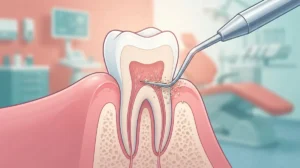
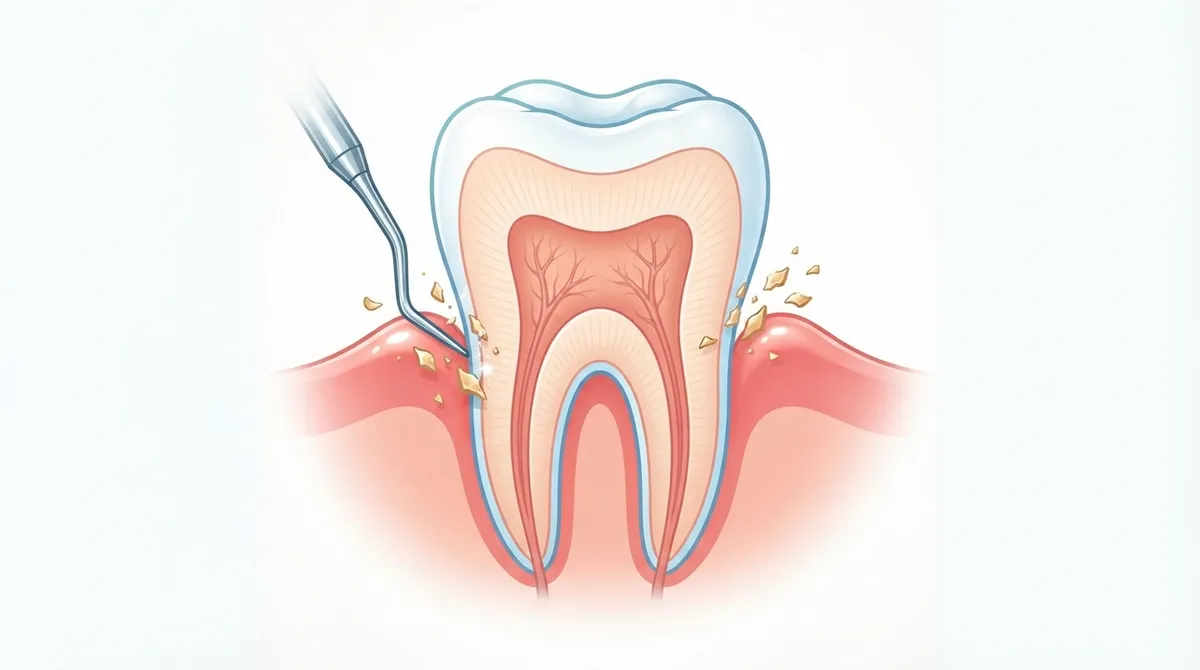
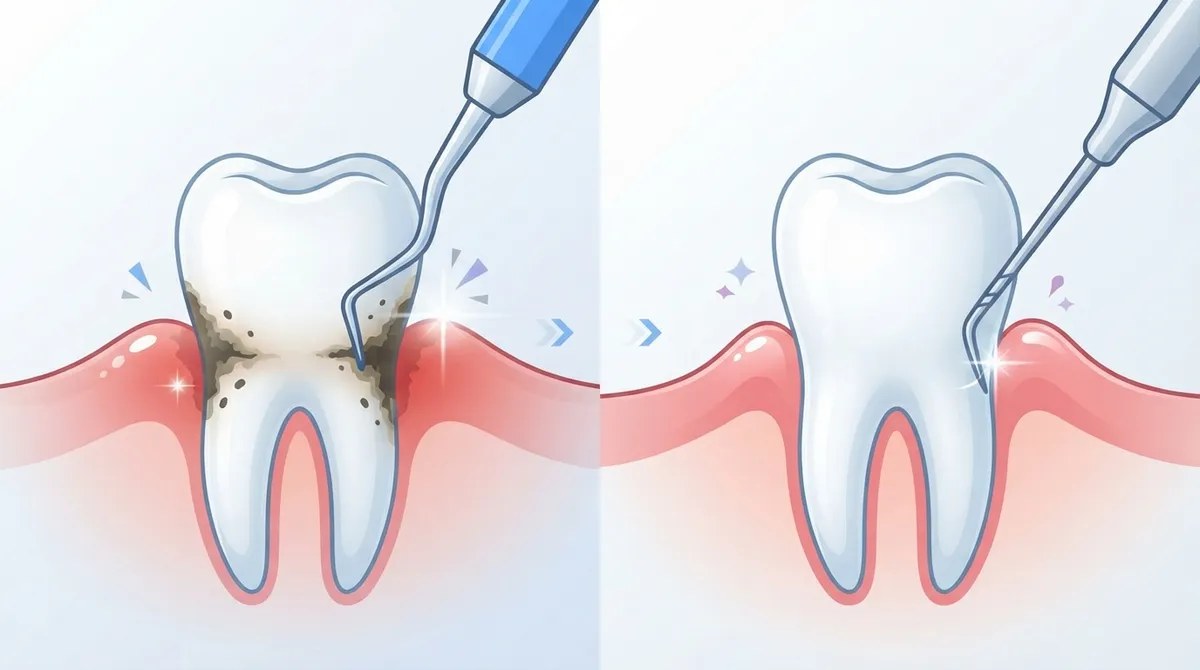
Scaling and root planing is a non-surgical deep cleaning for your teeth and gums. It has two simple parts. First comes scaling, where we remove plaque and hardened tartar from your tooth surfaces, both above and below the gumline. Second comes root planing, where we smooth the tooth roots so your gums can reattach and heal.
Why does smoothing matter? Rough root surfaces give bacteria an easy place to hang on. Smooth roots make it much harder for germs to return. That is how the treatment calms inflammation and helps your gums tighten back around your teeth.
At Dental Theory, this care is part of our periodontal treatment and deep cleanings. Our team uses the latest technology and a gentle approach so you feel comfortable from start to finish.
2. How It Differs From a Regular Cleaning
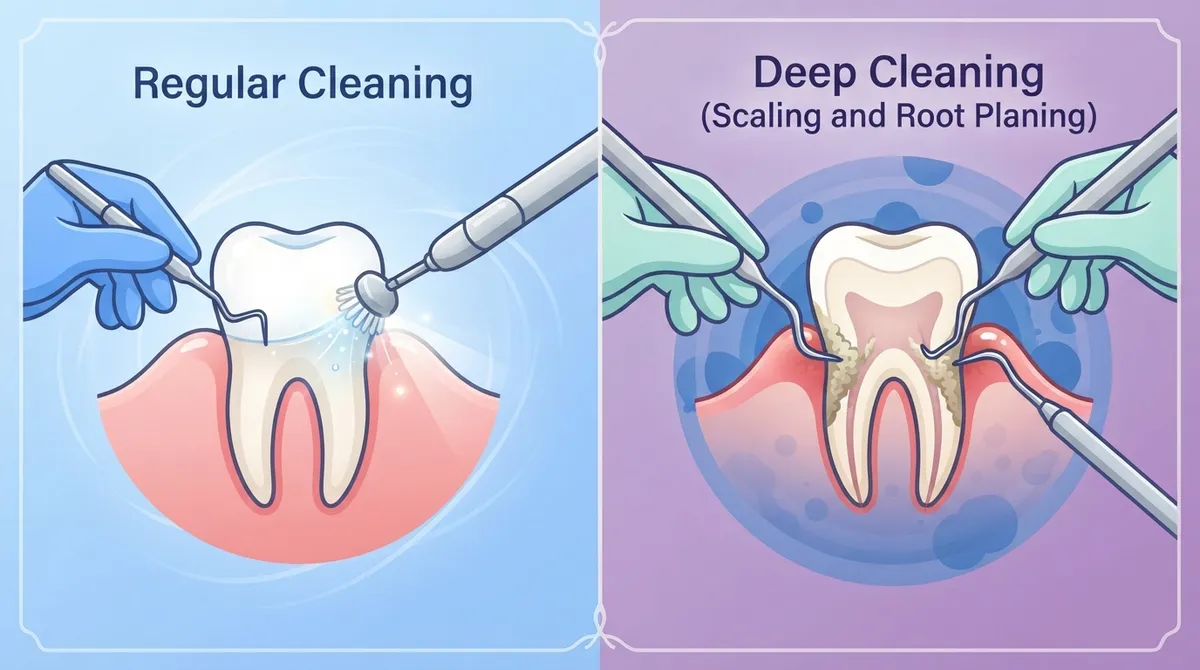
A routine cleaning is preventive. It is designed for healthy mouths and focuses on the surfaces of your teeth you can see, plus just under the gumline. A deep cleaning is therapeutic. It treats an existing problem by going deeper into the spaces between your teeth and gums.
Here is a quick side-by-side look:
| Feature | Routine Cleaning | Scaling and Root Planing |
|---|---|---|
| Purpose | Prevent problems | Treat gum disease |
| Depth | Surface and shallow gumline | Below the gumline, down to the roots |
| Numbing | Usually not needed | Local numbing is common |
| Visits | One | Often one to two, by area of the mouth |
| Follow-up | Every six months | Re-check and more frequent maintenance |
Curious about the difference in more detail? Our guide on routine vs. deep cleaning breaks it down nicely. You can also read about dental cleaning secrets that keep your smile healthy.
3. Signs You May Need Scaling and Root Planing
Gum disease can sneak up quietly. Many people feel no pain at all in the early stages. That is why knowing the warning signs is so helpful. You may be a candidate for scaling and root planing in Brandon, FL if you notice any of these:
- Gums that bleed when you brush or floss
- Red, puffy, or tender gums
- Persistent bad breath that does not go away
- Gums that pull away from your teeth
- Deep pockets between your gums and teeth
- Teeth that feel loose or look longer than before
A dentist confirms the diagnosis by measuring the pockets around each tooth and reviewing your X-rays. Pocket depths of about four millimeters or more often point to the need for a deep cleaning. If any of these signs sound familiar, our article on signs you need a dentist for gum disease is a helpful next read.
4. The Step-by-Step Process
Knowing what happens in the chair takes away a lot of worry. While every patient is different, the general flow looks like this:
- Exam and measurements. We check your gums, measure pocket depths, and review X-rays to see how far buildup extends.
- Comfort first. We numb the area with a local anesthetic so you stay relaxed and comfortable.
- Scaling. Using special instruments, we gently remove plaque and tartar from above and below the gumline.
- Root planing. We smooth the root surfaces so bacteria have a tougher time sticking around.
- Rinse and review. We clean the area, go over your results, and share aftercare tips.
Many patients are surprised at how smoothly it goes. Because the work is often split by sections of the mouth, you may finish in one or two visits. Your care team will explain the plan before anything begins, so there are no surprises.
5. Who Provides This Care at Dental Theory
You are in good hands here. Dental Theory is a family-focused practice in Brandon, and our team includes a board-certified periodontist. Dr. Chad Bardsley specializes in treating gum disease and placing dental implants. He offers deep cleanings (scaling and root planing), LANAP laser gum treatment, and implants to help patients save their teeth and protect their overall health.
Our general dentists, including Dr. Blake Hamel, also provide personalized, patient-centered care, from routine checkups and cleanings to restorative treatment. Having general and specialty care under one roof means you do not have to hunt for a separate office. It also means your whole team can work together on your plan.
Want to learn more about this kind of specialist? Take a peek at what a periodontist does or read about Dr. Bardsley.
6. What Recovery and Aftercare Look Like
Good news: recovery is usually quick. Once the numbness wears off, your gums may feel tender or a bit sore for a day or two. Mild bleeding and some sensitivity to hot or cold foods are also common while your gums heal. Most people return to normal activities right away.
These simple habits help your gums heal well:
- Brush gently twice a day with a soft-bristled toothbrush
- Floss daily, using a gentle motion
- Rinse with warm salt water if your gums feel sore
- Choose softer foods for the first day or so
- Avoid tobacco, which slows healing
- Take over-the-counter pain relief only as directed by your dentist
Your follow-up visit is important. We re-check your pocket depths to see how well your gums are responding. Many patients also move to more frequent maintenance cleanings so that plaque never gets the chance to build back up. If your brushing routine could use a tune-up, our post on oral hygiene mistakes has you covered.
7. Why Treating Gum Disease Early Matters for Your Whole Health
Your gums are not just about your smile. Ongoing gum inflammation has been linked by health researchers to broader health concerns. The Centers for Disease Control and Prevention notes that gum disease is common among adults and that it can be prevented and treated with good oral care. Treating it early protects your teeth, your comfort, and your confidence.
Waiting makes things harder. Untreated gum disease can progress to deeper bone loss and loose teeth, which may lead to more involved treatment later, such as extractions or implants. A deep cleaning now is often far simpler and more affordable than rebuilding a smile down the road.
Not sure how serious your situation is? Read about oral health problems you should never ignore and why dental health matters more than you think.
Is Scaling and Root Planing Painful?
This is the question we hear most, so let us tackle it head on. Because we numb the treatment area, most patients feel pressure and vibration but not sharp pain. Some people feel a little tenderness afterward, which usually fades within a few days.
If you feel nervous about dental visits, please tell us. We care about making every visit calm and welcoming. For ideas on easing that feeling, check out how to find comfortable dental care that eases your anxiety.
How to Get the Most From Your Treatment
Success with scaling and root planing is a team effort between you and your dental team. A few smart steps can make a big difference:
- Show up for your follow-up and maintenance visits
- Keep up with daily brushing and flossing
- Let us know about health conditions like diabetes, which can affect gum health
- Share any medications you take so we can plan your care safely
- Ask questions anytime, because no question is too small
It also helps to know what your insurance may cover. Plans vary, so it is smart to check your benefits ahead of time. Our insurance information page is a good place to start, and our friendly front desk team is always happy to help you sort it out.
Finding the Right Dental Home in Brandon
Choosing a dental office is a big decision, especially when you need more than a basic cleaning. You want a team that listens, explains things clearly, and offers a full range of care. Dental Theory is proud to be a trusted family dental office right here in Brandon, serving kids, adults, and everyone in between.
Neighbors tell us what they love most is the relaxed, stress-free feel of our office. You can visit us on Google — Dental Theory to see what Brandon families are saying. You can also visit us on Facebook to meet the team and see what is happening around the office. And if you would like a little extra reassurance about our experience, you can read how Dr. Chris Karapasha has been named one of America’s Top Young Dentists in Incisal Edge magazine’s 2025 40 Under 40.
Wondering how to pick the right practice? Our guide on how to choose the right dental office in Brandon walks you through what to look for.
Conclusion: Take the First Step Toward Healthier Gums
Scaling and root planing in Brandon, FL does not have to be scary. It is a gentle, proven, non-surgical way to calm gum disease, protect your teeth, and help you feel great about your smile again. The sooner you act, the easier it tends to be, and the better your results can be.
If your gums have been bleeding, swollen, or sore, now is a wonderful time to get checked. We would love to welcome you to our Dental Theory family and create a plan that fits your needs. Ready to get started? Book an appointment online today, or contact Dental Theory with any questions. Your healthiest smile is just a visit away!
FAQs
Q: How long does scaling and root planing take?
A: Most patients finish in one or two visits, since we often treat one side of the mouth at a time. Each appointment usually lasts about an hour, depending on how much buildup is present. Your dental team will map out the plan before you start.
Q: Does scaling and root planing hurt?
A: Not much at all! We numb the area first, so you may feel pressure but not sharp pain. A little tenderness for a day or two afterward is normal and fades quickly.
Q: How often do I need a deep cleaning?
A: It depends on your gum health. Many patients need scaling and root planing once, then switch to more frequent maintenance cleanings to keep gum disease from coming back. Your dentist will recommend the schedule that fits you best.
Q: Can gum disease be reversed with scaling and root planing?
A: Early gum disease, called gingivitis, can often be reversed with good care. More advanced gum disease usually cannot be fully reversed, but scaling and root planing can stop it from getting worse and help your gums heal. Daily brushing, flossing, and regular visits keep your results strong.
Q: Is scaling and root planing covered by insurance?
A: Many dental plans cover at least part of the cost, but coverage varies from plan to plan. Our friendly team can check your benefits and explain what to expect before treatment begins, so there are no surprises.
Our Service Area