
Key Takeaways
- Select the most appropriate crown material based on tooth location, bite force, and aesthetic goals to ensure long-term durability and satisfaction.
- Don’t delay treatment after tooth damage, as postponing a crown can lead to more extensive and expensive dental problems in the future.
- Carefully maintain your temporary crown by avoiding sticky and hard foods, and cleaning gently to prevent complications during the permanent crown process.
- Clearly communicate your aesthetic expectations with your dentist, including desired tooth shade, shape, and overall smile appearance before crown fabrication.
- Practice diligent post-crown maintenance through regular brushing, flossing, dental check-ups, and using a night guard if you grind your teeth.
Getting a dental crown is a significant investment in your oral health and appearance, but making the wrong choices during the process can lead to disappointing results, unnecessary expenses, and even additional dental problems. Whether you’re considering a crown for the first time or replacing an existing one, understanding the common pitfalls people encounter can save you time, money, and frustration. At Dental Theory, we’ve seen countless patients who’ve learned these lessons the hard way, and we’re here to help you avoid making the same mistakes.
A dental crown is essentially a custom-made cap that covers your entire tooth above the gum line, restoring its shape, size, strength, and appearance. While this might sound straightforward, the journey from deciding you need a crown to walking out with a beautiful, functional restoration involves several critical decisions. Making uninformed choices about crown materials, skipping necessary preparation steps, or neglecting post-procedure care can compromise your results and leave you with regret. Let’s explore the five most common dental crown mistakes and how you can sidestep them for a successful, long-lasting restoration that you’ll be proud to show off.
Mistake #1: Choosing the Wrong Crown Material for Your Needs
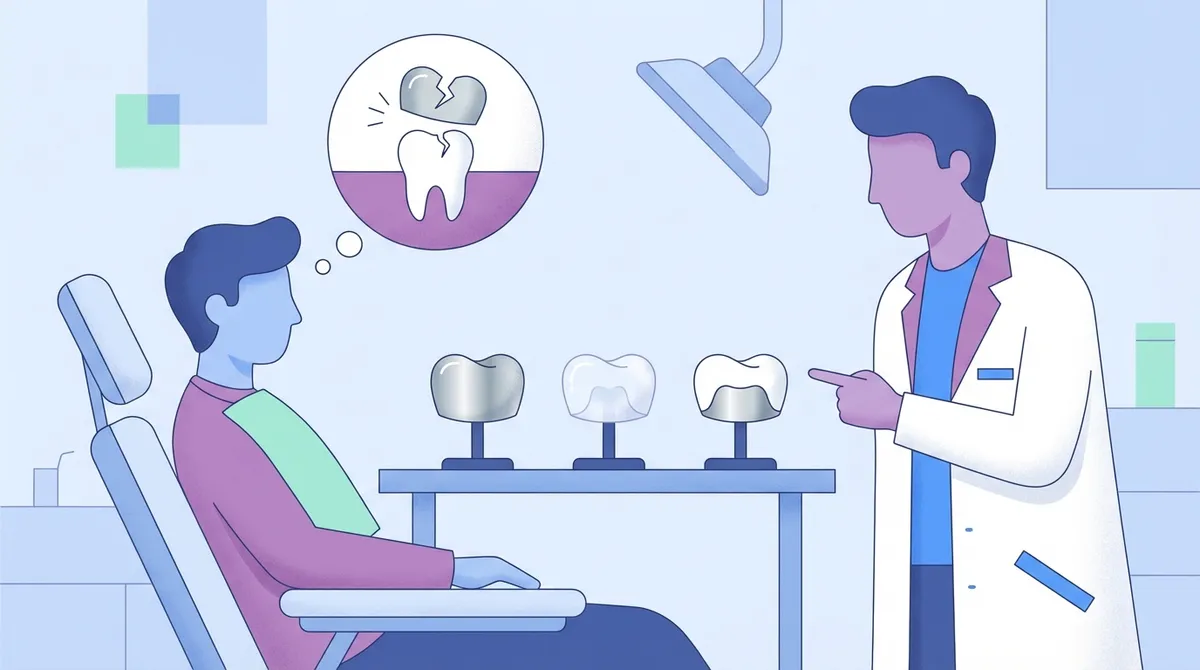
One of the biggest mistakes patients make is selecting a crown material based solely on cost or aesthetics without considering their specific dental needs, tooth location, and long-term durability requirements. Not all crown materials are created equal, and what works beautifully for your front teeth might be entirely inappropriate for your molars.
All-ceramic and porcelain crowns have become incredibly popular because they offer the most natural appearance, matching your surrounding teeth in shape, size, and color. These crowns are metal-free and biocompatible, making them ideal for patients with metal allergies or sensitivities. However, they’re not as strong as metal or porcelain-fused-to-metal options, which means they’re best suited for front teeth (incisors and canines) where the biting forces are less intense. Using all-ceramic crowns on back molars where you do most of your chewing can lead to premature wear, chips, or even complete fractures.
On the opposite end of the spectrum, metal crowns—particularly gold alloys—are the most durable option available and rarely chip or break, making them perfect for back teeth. These crowns gained particular popularity during the 1980s and 1990s and remain an excellent choice for molars that aren’t visible when you smile. The downside? They’re highly visible and not aesthetically pleasing for most patients, which is why they’re typically reserved for teeth that don’t show.
Porcelain-fused-to-metal (PFM) crowns attempt to bridge the gap between strength and aesthetics by combining a metal base with a porcelain exterior. While this sounds like the best of both worlds, these crowns have their own drawbacks. Over time, the metal base may show as a grey or dark line at your gum line, especially if your gums recede slightly—a common occurrence as we age. This can create an obvious and unattractive contrast that defeats the purpose of choosing a tooth-colored restoration.
Zirconia crowns have emerged as a modern solution that offers an excellent balance of strength and aesthetics. Zirconia is less brittle than porcelain while providing a natural white appearance that matches natural teeth. This material is increasingly used in modern dental restorations because it offers superior hardness and elasticity compared to traditional materials, making it suitable for both front and back teeth.
Composite resin crowns are the most cost-effective option but come with significant compromises. They’re less durable, prone to wear and staining, and more likely to fracture under normal biting forces. These crowns are often used as temporary solutions while waiting for a permanent restoration, and choosing them as a long-term option is generally a mistake that will cost you more in replacements and repairs down the road.
How to Choose the Right Material
When selecting your crown material, consider these factors:
- Tooth location (front teeth need aesthetics; back teeth need durability)
- Your bite force and whether you grind your teeth
- Any metal allergies or sensitivities you may have
- Your budget for both initial cost and long-term value
- The natural color of your surrounding teeth
Don’t hesitate to discuss your lifestyle habits with Dr. K, such as nail-biting, chewing ice, or playing contact sports, as these factors should influence your material selection. A few minutes of honest conversation can prevent years of complications.
Mistake #2: Delaying Treatment After Your Tooth Is Damaged
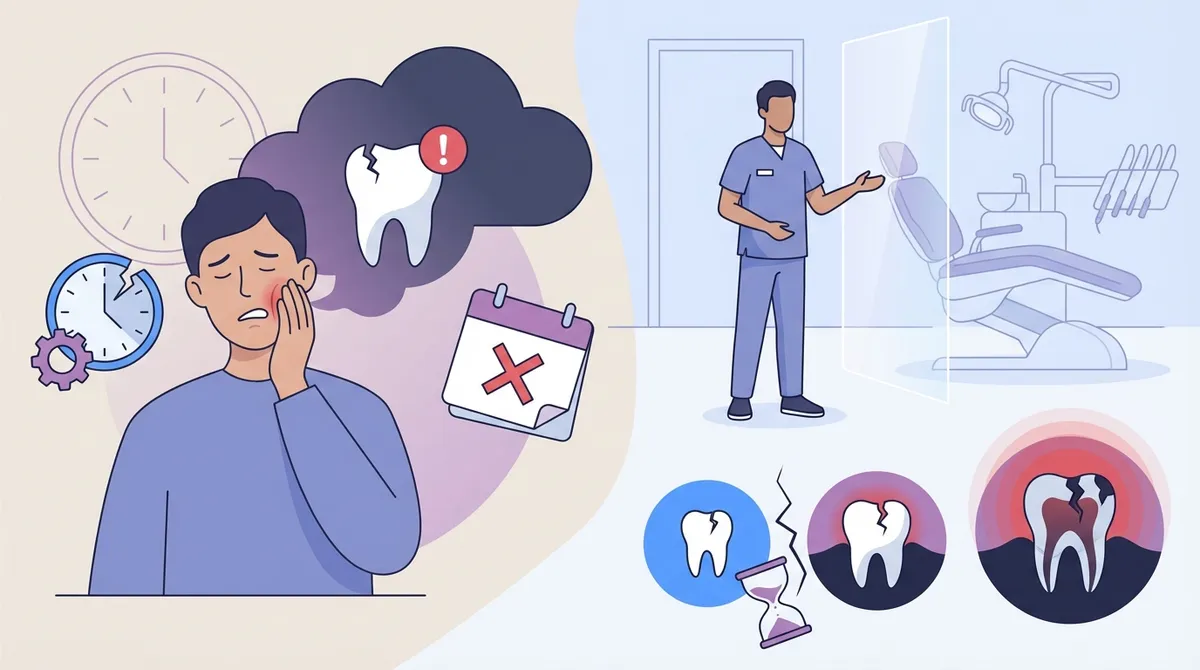
Many patients make the critical error of postponing crown placement after their dentist recommends it, thinking they can wait until it’s more convenient or until they have more money saved. This procrastination often leads to more extensive damage, increased costs, and potentially losing the tooth entirely—a much more expensive and complicated situation than getting a crown in the first place.
When your dentist recommends a crown, it’s because your tooth has been compromised by decay, a large filling, a crack, or root canal therapy. These conditions leave your tooth structurally weakened and vulnerable to further damage. Every time you chew, you’re applying hundreds of pounds of pressure to that weakened tooth, and each bite increases the risk of a catastrophic fracture that could extend below the gum line or into the root.
A tooth that could have been saved with a crown might require extraction if the fracture is too severe, followed by expensive tooth replacement options like dental implants, bridges, or partial dentures. The cost difference is substantial—what might have been a $1,000-$2,000 crown investment could balloon into $3,000-$5,000 or more for implant placement and restoration.
Additionally, damaged teeth are more susceptible to bacterial infection. The cracks, gaps, and weakened enamel create entry points for bacteria to penetrate deeper into your tooth, potentially reaching the pulp and nerve. This can result in a painful abscess that requires emergency treatment, including root canal therapy before the crown can even be placed. What started as a straightforward crown procedure now becomes a multi-visit, multi-procedure ordeal with significantly higher costs and discomfort.
Creating a Treatment Timeline
- Schedule your crown consultation within two weeks of your dentist’s recommendation
- Get a detailed cost estimate and explore payment plans or insurance coverage
- Book your crown preparation appointment within a month if possible
- Follow through with all appointments, including the final placement
- Don’t skip follow-up visits to ensure proper fit and function
If budget concerns are holding you back, talk to your dental office about payment options. Many practices, including Dental Theory, offer flexible payment plans or in-house membership plans that make treatment more accessible. The key is to communicate rather than disappear—your dental team wants to help you find a solution that works.
Mistake #3: Neglecting Your Temporary Crown
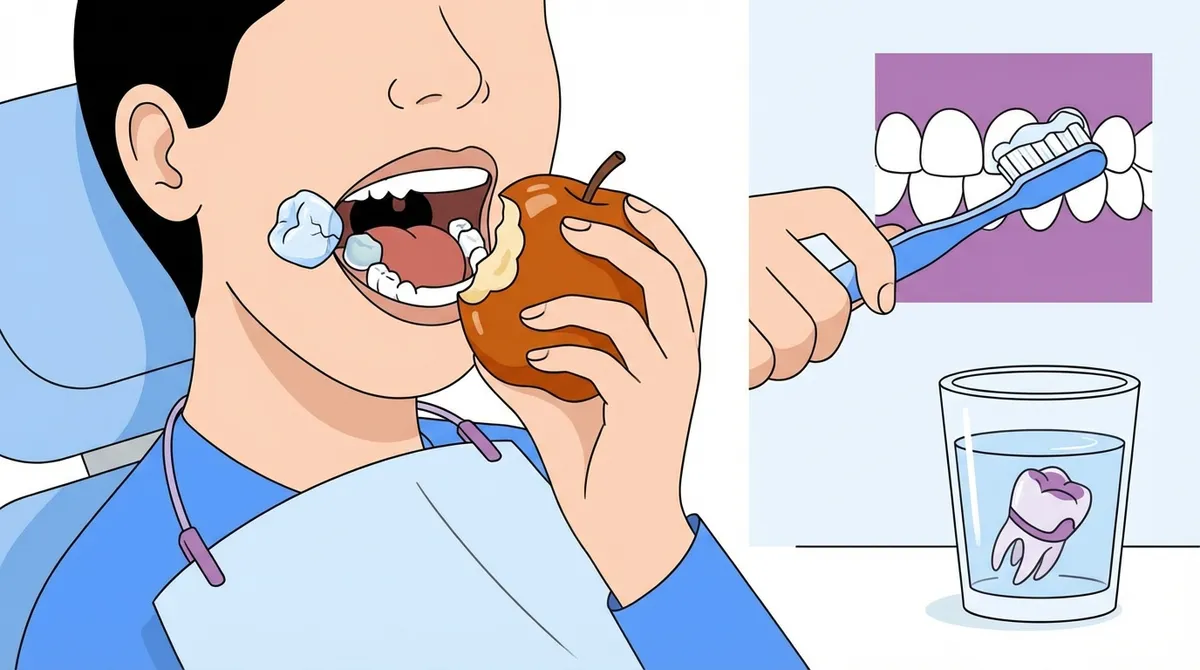
The period between your crown preparation appointment and final crown placement is critical, yet many patients treat their temporary crown carelessly, thinking it doesn’t matter since it’s not permanent. This attitude can lead to complications that delay your treatment, increase costs, and cause unnecessary discomfort.
Your temporary crown serves several vital functions: it protects your prepared tooth from sensitivity and damage, maintains the space for your permanent crown, allows you to chew relatively normally, and keeps your appearance intact. When you fail to care for it properly, you risk having it fall off, break, or allow your tooth to shift—all of which can compromise the fit of your permanent crown.
Common temporary crown mistakes include eating sticky foods like caramel, taffy, or gummy candies that can pull the crown off; chewing hard foods like nuts, ice, or hard candy on that side of your mouth; using the crowned tooth to bite into tough foods like apples or corn on the cob; and neglecting to clean around the temporary crown, allowing bacteria to accumulate.
When a temporary crown comes off, your prepared tooth becomes exposed to temperature sensitivity, bacteria, and potential damage. The tooth may also begin shifting within hours, which means your permanent crown—already being fabricated in the dental lab based on impressions taken when everything was properly positioned—may no longer fit correctly when you return for placement. This could require new impressions, a new crown fabrication, and additional costs and appointments.
Temporary Crown Care Guidelines
| Do This | Don’t Do This |
|---|---|
| Chew on the opposite side of your mouth | Chew sticky or hard foods |
| Brush gently around the temporary crown | Floss aggressively or pull floss upward through contacts |
| Rinse with warm salt water if needed | Use whitening toothpaste or aggressive brushing |
| Call your dentist immediately if it comes loose | Try to recement it yourself with household glue |
| Take over-the-counter pain relievers for minor sensitivity | Ignore persistent pain or swelling |
If your temporary crown does come off, call your dentist right away—don’t wait until your scheduled appointment. Keep the crown in a safe place and bring it with you. In many cases, your dentist can recement it quickly, maintaining the proper positioning for your permanent crown. Some offices even have emergency slots for this exact situation, so don’t assume you’ll have to wait days or weeks for help.
Mistake #4: Failing to Communicate Your Aesthetic Expectations
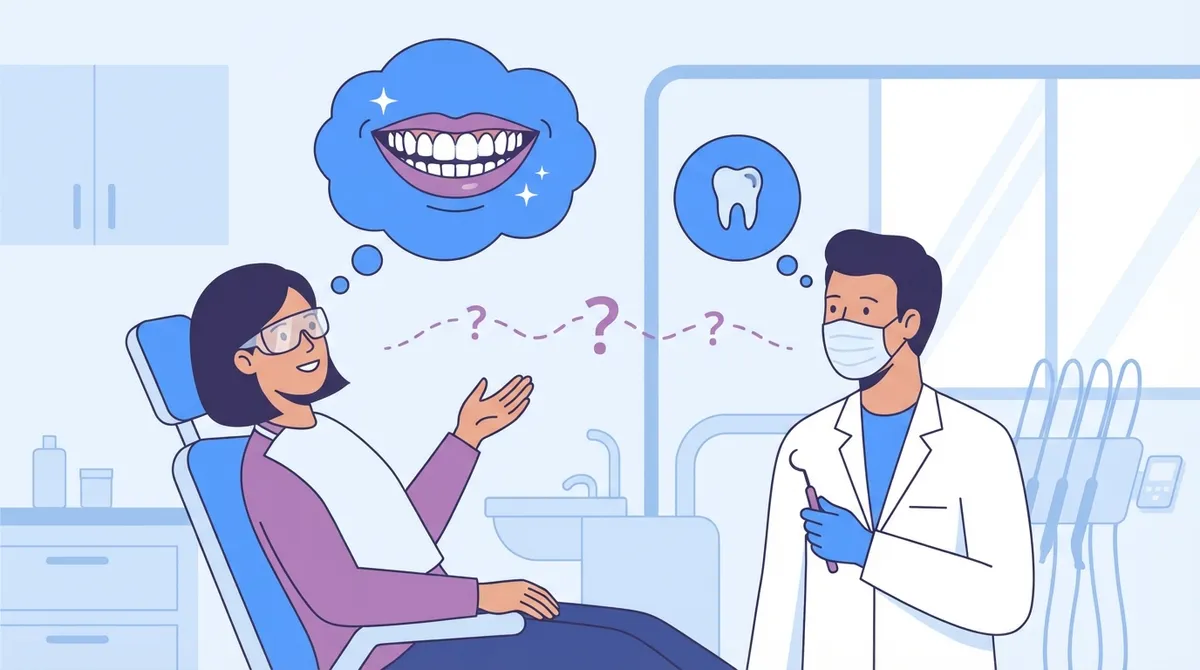
One of the most heartbreaking situations in dentistry is when a patient receives their new crown and is disappointed with how it looks—but never clearly communicated their aesthetic goals during the planning phase. Unlike most dental procedures where success is measured by function alone, crowns are both functional and cosmetic restorations, and your happiness with the appearance is just as important as the technical aspects.
Many patients assume their dentist will automatically know what shade of white they want or how they envision their restored smile looking. The reality is that “natural-looking” means different things to different people. Some patients want their crown to match their existing teeth exactly, including any slight yellowing or imperfections that have developed over time. Others want to use the crown as an opportunity to upgrade to a brighter, whiter shade, perhaps planning to whiten their other teeth later. Still others have specific concerns about the shape, size, or translucency of their crown.
The shade selection process is more complex than simply pointing to a color on a chart. Teeth have multiple shades within them—the center is typically more yellow, the edges more translucent, and there are subtle variations in tone from the gum line to the biting edge. High-quality crowns replicate these natural variations, but only if your dentist understands your expectations. If you want your crown to blend invisibly with your existing teeth, but your dentist creates a restoration that’s too white or too opaque, you’ll be unhappy even though the crown is technically perfect.
The shape and size of your crown also matter tremendously. Front teeth crowns, in particular, have a huge impact on your facial aesthetics. The length, width, and contour of these teeth affect your smile line, the appearance of your gums, and even how your lips rest. Some patients prefer longer teeth for a more youthful appearance, while others want a more conservative, natural length. Without clearly communicating these preferences, you’re leaving these critical decisions to someone else’s interpretation.
Questions to Discuss During Your Crown Planning
- What shade do you recommend, and can I see photos of similar cases?
- Will my crown match my current teeth, or should we aim for a different shade?
- What will the crown look like in different lighting (natural, indoor, fluorescent)?
- Can I see a mockup or wax-up of the proposed crown shape before it’s made?
- What happens if I’m not satisfied with the appearance after placement?
- Are there photos of previous crown cases you’ve completed that I can review?
Dr. K specializes in cosmetic dentistry and understands that creating a beautiful, natural-looking crown requires collaboration between dentist and patient. Don’t be shy about sharing photos of smiles you admire or explaining exactly what you hope to achieve. The more information you provide, the better your results will be.
Mistake #5: Ignoring Post-Placement Care and Maintenance
The final mistake patients make is thinking that once their permanent crown is placed, the job is done and they can return to business as usual without any special attention to their restoration. While crowns are designed to be durable and long-lasting, they’re not invincible, and how you care for them significantly impacts their longevity and your overall oral health.
Many patients are surprised to learn that crowned teeth can still develop cavities. While the crown itself can’t decay, the natural tooth structure underneath—particularly where the crown meets your natural tooth at the gum line—remains vulnerable to bacterial attack. If you neglect your oral hygiene or allow plaque to accumulate around the crown margins, decay can develop underneath the crown, compromising the restoration and potentially requiring crown replacement or even tooth extraction in severe cases.
Gum disease is another threat to crowned teeth. The margin where your crown meets your gum is a critical area that requires meticulous cleaning. When plaque and bacteria accumulate along this border, they can trigger gum inflammation and recession. As your gums pull away from the crown, the margin becomes more visible (particularly problematic with porcelain-fused-to-metal crowns that have a grey line), sensitivity may develop, and the risk of decay increases dramatically.
Lifestyle habits pose significant risks to crown longevity. Grinding or clenching your teeth (bruxism) can crack even the strongest crowns over time. Using your teeth as tools to open packages, bite your nails, or hold objects puts excessive stress on your crowns. Chewing ice, hard candy, or other extremely hard foods can chip or fracture crowns, especially all-ceramic or porcelain options.
Crown Maintenance Best Practices
| Maintenance Task | Frequency | Why It Matters |
|---|---|---|
| Brushing with fluoride toothpaste | Twice daily | Prevents decay at crown margins |
| Flossing around crowned teeth | Once daily | Removes bacteria from critical gum line |
| Professional dental cleanings | Every 6 months | Removes tartar buildup and checks crown condition |
| Night guard use (if you grind) | Nightly | Protects crown from excessive force |
| Crown inspection by dentist | During regular checkups | Catches small problems before they become major |
Regular dental visits are crucial for crown longevity. Your dentist will check the margins for signs of decay, evaluate the crown’s integrity for cracks or chips, assess your gum health around the restoration, verify that your bite alignment hasn’t changed, and identify any issues early when they’re easier and less expensive to address.
If you experience any changes with your crowned tooth—such as sensitivity to hot or cold, pain when biting, a feeling that something is “off” with your bite, visible changes in the crown or surrounding gums, or mobility in the crown—contact your dentist promptly. These symptoms often indicate problems that are simple to fix when caught early but can become serious if ignored. Don’t wait for your next scheduled appointment; make a specific appointment to have the issue evaluated.
Taking the Next Steps Toward Your Perfect Smile
Avoiding these five common dental crown mistakes can mean the difference between a beautiful, long-lasting restoration that enhances your smile and quality of life, and a disappointing experience that costs you extra time and money. By choosing the right material for your specific needs, addressing the issue promptly rather than delaying, caring properly for your temporary crown, communicating your aesthetic expectations clearly, and maintaining excellent oral hygiene after placement, you’re setting yourself up for crown success.
Remember that getting a dental crown is a collaborative process between you and your dental team. The more engaged you are—asking questions, following instructions, and communicating openly—the better your results will be. Your dentist has the technical expertise to create and place a crown, but only you can provide the information about your lifestyle, preferences, and concerns that makes the restoration truly right for you.
At Dental Theory in Brandon, Florida, we’re committed to helping patients make informed decisions about their dental crowns and all aspects of their oral health. Our approach combines advanced technology—including Same-Day Crowns that can be completed in a single visit—with personalized attention to ensure you receive the restoration that’s perfect for your unique situation. We take the time to explain your options, answer your questions, and partner with you throughout the entire process. You can visit us on Google to see what our patients say about their experiences and the quality of care we provide.
Whether you need a crown for a front tooth that impacts your appearance or a back molar that needs to withstand significant chewing forces, understanding these common pitfalls and how to avoid them will help you achieve the best possible outcome. Don’t let fear, confusion, or misinformation prevent you from getting the dental care you need. With the right information and the right dental team supporting you, your crown experience can be straightforward, comfortable, and completely successful.
Ready to discuss your dental crown options and ensure you avoid these common mistakes? Schedule an appointment with Dr. K to explore how we can restore your smile with confidence and precision. With his expertise in cosmetic dentistry and a 5-star rating on Healthgrades.com, you can trust that your crown will be crafted with both artistry and technical excellence.
FAQs
Q: How long do dental crowns typically last?
A: With proper care and maintenance, dental crowns can last anywhere from 10 to 30 years, depending on the material chosen and your oral hygiene habits. Metal crowns tend to last longest (20-30 years), while porcelain and all-ceramic crowns typically last 10-15 years. Regular dental checkups, good home care, and avoiding habits like teeth grinding or chewing hard objects can significantly extend your crown’s lifespan.
Q: Can I whiten my teeth after getting a dental crown?
A: While you can certainly whiten your natural teeth after getting a crown, the crown itself won’t change color with whitening treatments. This is why it’s important to discuss your whitening goals before your crown is made—if you plan to whiten your teeth, do it before crown placement so the crown can be matched to your desired shade. Otherwise, you may end up with a crown that’s darker than your newly whitened teeth.
Q: What should I do if my dental crown feels uncomfortable or too high?
A: If your crown feels uncomfortable, too high, or affects your bite, contact your dentist right away—don’t try to adjust to it. A crown that’s too high can cause jaw pain, headaches, and damage to the opposing teeth. Your dentist can easily adjust the crown’s height and contour during a quick visit. Most offices expect minor adjustments after crown placement and won’t charge for this service if it’s done shortly after the initial placement.
Q: Are dental crowns covered by insurance?
A: Most dental insurance plans cover a portion of crown costs—typically 50% after your deductible—when the crown is deemed medically necessary to restore a damaged or decayed tooth. However, coverage varies significantly between plans, and cosmetic crowns may not be covered. It’s best to check with your insurance provider before proceeding with treatment. If you don’t have insurance or have limited coverage, ask your dentist about payment plans or membership programs that can make treatment more affordable.
Q: Can a crowned tooth still get cavities?
A: Yes, absolutely! While the crown itself can’t decay, the natural tooth structure underneath—especially where the crown meets your tooth at the gum line—remains vulnerable to cavities. This is why maintaining excellent oral hygiene is crucial even after getting a crown. Brush twice daily, floss around crowned teeth carefully, and see your dentist regularly for cleanings and checkups to prevent decay from developing under or around your crown.