
Key Takeaways
- Molar crowns require durable materials that can withstand up to 200 pounds of chewing pressure per square inch, making material selection critical.
- Zirconia crowns offer an excellent balance of strength and natural appearance, with high fracture resistance and metal-free biocompatibility.
- Gold crowns remain a top choice for back molars, providing exceptional longevity of 20-30 years and minimal tooth reduction during installation.
- Same-day crown technology using CAD/CAM now allows complete crown fabrication in a single dental appointment, improving patient convenience.
- When selecting a crown material, consider factors like bite force, tooth location, aesthetic preferences, budget, and existing dental work.
When it comes to restoring your back teeth, choosing the right dental crown material can make all the difference in your comfort, confidence, and long-term oral health. Molars are the workhorses of your mouth, grinding and crushing food with incredible force every single day. So when one of these essential teeth needs a crown, you want to make sure you’re getting a restoration that can truly stand up to the challenge.
Maybe you’re facing a crown decision right now, or you’re simply curious about what options exist in 2025. Either way, you’re in the right place! At Dental Theory in Brandon, Florida, we help families navigate these choices every day, combining the latest technology with a warm, stress-free approach. Let’s explore the best crown materials for your molars and what makes each one special.

Why Molars Need Extra-Strong Crowns
Your molars bear the brunt of chewing forces that can exceed 200 pounds per square inch. That’s a lot of pressure! Unlike front teeth, which primarily handle biting and aesthetics, molars must withstand grinding, crushing, and years of constant use. This is why the material choice for molar crowns is so critical.
When a molar is severely decayed, cracked, or has undergone root canal therapy, a crown acts as a protective cap that restores both function and strength. The right crown material will protect what’s left of your natural tooth structure while allowing you to eat, speak, and smile with confidence.
1. Gold Crowns: The Time-Tested Champion
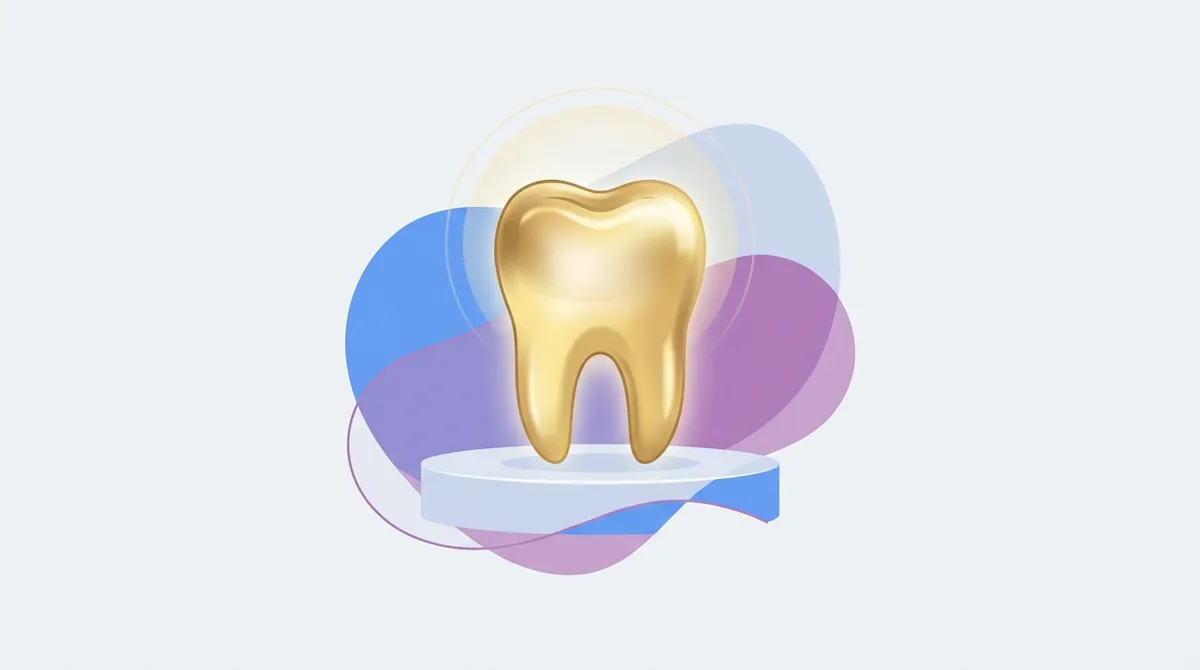
Gold crowns might not win any beauty contests, but they’re absolute champions when it comes to durability and longevity. These crowns have been used in dentistry for over a century, and there’s a good reason they’re still around today.
Gold crowns can last 20 to 30 years or more with proper care, making them one of the longest-lasting crown options available. They’re incredibly gentle on opposing teeth, causing minimal wear during chewing. The material is also biocompatible, meaning your gums typically respond very well to gold restorations.
Another significant advantage is that gold crowns require less tooth reduction than porcelain options, preserving more of your natural tooth structure. This conservative approach can be beneficial for the long-term health of your tooth. However, the obvious downside is aesthetics—that golden shine is quite noticeable, especially if the molar is visible when you smile or laugh.
| Advantage | Details |
|---|---|
| Longevity | 20-30+ years with proper care |
| Durability | Extremely resistant to wear and fracture |
| Tooth preservation | Requires minimal tooth reduction |
| Biocompatibility | Excellent gum response |
| Cost | Moderate to high depending on gold prices |

2. Zirconia Crowns: Modern Strength Meets Natural Beauty
Zirconia has revolutionized dental crowns in recent years, and it’s become one of the most popular choices for molars in 2025. This material combines incredible strength with a natural tooth-like appearance, giving you the best of both worlds.
With fracture resistance exceeding 1,000 MPa, zirconia crowns are highly suitable for posterior teeth under heavy occlusal loads. They’re made from a type of ceramic that’s exceptionally tough and durable, yet can be color-matched to blend seamlessly with your natural teeth.
Modern zirconia crowns benefit from digital impressions and 3D printing technology, which improve precision, fit, and overall efficiency. At practices like Dental Theory, these advanced techniques mean you can often receive a custom crown with minimal discomfort and exceptional results.
Zirconia is also an excellent choice if you have metal allergies or sensitivities, as it’s completely metal-free. The material is biocompatible and gentle on surrounding gum tissue. Whether you’re a heavy chewer or someone who grinds their teeth at night, zirconia crowns can withstand the pressure while maintaining their attractive appearance.

3. Porcelain-Fused-to-Metal (PFM): The Balanced Approach
Porcelain-fused-to-metal crowns have been a dental staple for decades, offering a practical balance between strength and aesthetics. These crowns feature a metal core for durability with a porcelain outer layer for a more natural appearance.
The metal substructure provides the strength needed to handle the significant chewing forces your molars endure, while the porcelain coating gives the crown a tooth-colored finish. PFM crowns typically cost between $900 and $1,500 per crown in 2025, making them a more budget-friendly option compared to all-ceramic alternatives.
One consideration with PFM crowns is that over time, the gum line may recede slightly, potentially revealing a dark metal line at the base of the crown. This is primarily an aesthetic concern and doesn’t affect the crown’s function. For back molars where appearance is less critical, this is usually not a significant issue.
PFM crowns are versatile and can be used on both front and back teeth, making them a reliable choice when you need consistent restoration across multiple teeth. They’re particularly suitable if you’re looking for durability without the higher price tag of all-ceramic options.
4. Lithium Disilicate (E-max): Premium Ceramics for Select Cases
Lithium disilicate crowns, often known by the brand name E-max, represent premium all-ceramic technology. These crowns are incredibly strong for ceramic materials and offer outstanding aesthetics with excellent translucency that mimics natural tooth enamel.
While lithium disilicate crowns are strong, they’re generally recommended more for premolars and front teeth rather than molars that experience the heaviest chewing forces. However, for patients without parafunctional habits like grinding or clenching, and for molars that don’t bear extreme loads, E-max can be a beautiful and functional option.
The material bonds exceptionally well to tooth structure, which can provide additional strength to the remaining tooth. All-porcelain or all-ceramic crowns typically range from $1,200 to $2,500 per crown in 2025, reflecting the premium quality and aesthetics they offer.
If you’re working with Dr. K, who specializes in cosmetic dentistry, he can help determine if lithium disilicate is the right choice for your specific situation, considering factors like bite force, tooth location, and aesthetic goals.
5. Full Metal Crowns (Non-Precious Alloys): Budget-Friendly Durability
Full metal crowns made from non-precious alloys like nickel-chromium or cobalt-chromium offer a cost-effective solution for molar restorations. These crowns are extremely durable and can withstand heavy chewing forces without fracturing or wearing down.
The main advantage of non-precious metal crowns is their affordability combined with excellent longevity. They require minimal tooth preparation and are less likely to chip or break compared to ceramic options. Like gold crowns, they’re very gentle on opposing teeth.
The obvious drawback is appearance—these silver-colored crowns are highly visible. For back molars that aren’t seen when you smile, this may not be a concern. However, if aesthetics matter to you, you might prefer a more natural-looking option.
These crowns are an excellent choice when budget is a primary concern and the tooth is positioned far enough back that visibility isn’t an issue. They’re particularly suitable for patients with strong bites or grinding habits who need maximum durability.
6. Same-Day Crowns: Convenience Without Compromise
Technology has transformed crown procedures, and same-day crowns represent one of the most exciting advances in modern dentistry. Using CAD/CAM (Computer-Aided Design/Computer-Aided Manufacturing) technology, your dentist can design, create, and place a custom crown in a single appointment.
Same-day crowns are typically made from high-quality ceramic materials like zirconia or lithium disilicate. The process eliminates the need for temporary crowns, multiple appointments, and messy traditional impressions. Instead, digital scans create a precise 3D model of your tooth, and an in-office milling machine crafts your crown while you wait.
This approach is incredibly convenient for busy families and anyone who dreads multiple dental visits. The precision of digital technology often results in better-fitting crowns with fewer adjustments needed. At Dental Theory, patients appreciate the efficiency and comfort of modern crown procedures that respect their time and reduce anxiety.
7. Hybrid and Layered Materials: Customized Solutions
As dental technology continues to evolve, we’re seeing more hybrid materials and layered approaches that combine the benefits of different crown types. These customized solutions allow dentists to optimize both strength and aesthetics based on your specific needs.
For example, a crown might feature a strong zirconia core with a porcelain overlay for enhanced aesthetics, or use different materials in different areas of the crown to maximize both function and appearance. This tailored approach is becoming more common in 2025 as digital design tools make complex crown fabrication more accessible.
These advanced options are particularly valuable for patients with unique challenges, such as heavy grinders who also want natural-looking results, or those with complex bite patterns that require special consideration.
| Crown Material | Best For | Typical Lifespan | Aesthetic Rating |
|---|---|---|---|
| Gold | Maximum durability, back molars | 20-30+ years | Low |
| Zirconia | Strength + aesthetics | 15-20 years | High |
| PFM | Budget-conscious, versatile use | 10-15 years | Medium-High |
| Lithium Disilicate | Premium aesthetics, lighter loads | 10-15 years | Very High |
| Non-Precious Metal | Budget priority, back molars | 15-20 years | Low |
Factors That Influence Your Crown Choice
Choosing the right crown material for your molars isn’t a one-size-fits-all decision. Several important factors should guide your choice, and your dentist will consider all of these when making recommendations.
Bite force and chewing habits: If you have a strong bite or tend to grind your teeth (bruxism), you’ll need the most durable materials like gold or zirconia. Ceramic options might not withstand the constant pressure and could be prone to chipping or fracturing.
Tooth location: The further back the tooth, the more important strength becomes and the less critical aesthetics may be. Second molars might be good candidates for gold or metal crowns, while first molars visible when you smile might benefit from tooth-colored zirconia.
Aesthetic preferences: How much do you value having a natural-looking restoration? If appearance matters significantly to you, zirconia or lithium disilicate will serve you better than metal options.
Budget considerations: Crown costs vary significantly based on material and complexity. If you’re working with insurance or have budget constraints, PFM crowns or non-precious metal options might be most practical. Dental Theory also offers an in-house membership plan that can help make quality dental care more affordable.
Existing dental work: If you already have crowns or fillings on opposing teeth, your dentist will consider how different materials interact. Some materials can cause excessive wear on opposing natural teeth or restorations.
The Crown Procedure: What to Expect
Understanding the crown placement process can help ease any anxiety you might have. Traditional crown procedures typically require two visits. During the first appointment, your dentist prepares the tooth by removing decay and shaping it to accommodate the crown. Impressions are taken (increasingly through digital scanning), and a temporary crown is placed.
In the second visit, usually a few weeks later, the temporary crown is removed and the permanent crown is checked for fit and appearance before being cemented in place. However, with same-day crown technology, this entire process can be completed in one appointment.
The procedure itself is comfortable thanks to local anesthesia, and most patients experience minimal discomfort afterward. You’ll receive specific care instructions to ensure your crown lasts as long as possible.
Caring for Your Molar Crowns
Once your crown is in place, proper care is essential for longevity. The good news is that caring for crowns isn’t complicated—it’s basically the same as caring for your natural teeth!
Brush twice daily with fluoride toothpaste and floss carefully around the crown. Be gentle but thorough, making sure to clean along the gum line where the crown meets your natural tooth. This area is particularly important because bacteria and plaque can accumulate there.
Avoid using your crowned tooth to open packages, crack nuts, or chew ice. While modern crowns are extremely durable, they’re not indestructible. If you grind your teeth at night, ask your dentist about a nightguard to protect your crowns and natural teeth.
Regular dental checkups are crucial. Your dentist will monitor your crown’s condition and the health of the surrounding gum tissue. Professional cleanings help prevent problems before they start. Check out the excellent reviews from our patients who appreciate our thorough, gentle approach to preventive care.
When to Choose Each Crown Type
Let’s break down some common scenarios to help you understand which crown material might work best for your situation:
Choose gold crowns if: You prioritize maximum longevity over appearance, the tooth is a back molar not visible when smiling, you have a history of breaking or fracturing crowns, or you want the most conservative tooth preparation.
Choose zirconia crowns if: You want both strength and natural appearance, the molar is somewhat visible, you have metal sensitivities, or you’re looking for a modern, biocompatible option with excellent durability.
Choose PFM crowns if: You need a balance of strength and aesthetics at a moderate price point, you don’t have metal allergies, or you’re restoring multiple teeth and need consistent results.
Choose lithium disilicate if: The tooth experiences moderate (not extreme) forces, you prioritize premium aesthetics, you don’t grind your teeth, or you’re working with a skilled cosmetic dentist who can maximize the material’s strengths.
Choose metal alloy crowns if: Budget is your primary concern, the tooth is far back and not visible, maximum durability is essential, or aesthetics aren’t a priority.
The Dental Theory Difference
At Dental Theory in Brandon, Florida, we understand that choosing a dental crown can feel overwhelming. That’s why we take the time to explain all your options, answer your questions, and help you make the decision that’s right for your unique situation. Whether you’re seeking general dentistry services or specialized cosmetic dentistry, our family-focused approach ensures you feel comfortable and informed every step of the way.
We utilize the latest technology, including digital impressions and same-day crown capabilities, to make your experience as efficient and comfortable as possible. Our practice has earned a 5-star rating on Healthgrades.com, reflecting our commitment to exceptional patient care.
For families with children, Dr. Pri brings specialized expertise as the only board-certified pediatric dentist offering in-office sedation in Brandon. She provides gentle, compassionate care for young patients who need pediatric dentistry services in a stress-free environment.
Making Your Decision
The best crown material for your molars depends on your individual circumstances, priorities, and dental health. Modern dentistry offers remarkable options that can restore function, protect your teeth, and last for many years with proper care.
Don’t hesitate to discuss all your concerns with your dentist. Ask about success rates with different materials, see examples of completed work, and make sure you understand the pros and cons of each option. A good dentist will never rush you into a decision and will always prioritize your long-term oral health.
Remember that investing in quality dental crowns now can save you from more extensive (and expensive) treatments down the road. Whether you choose the time-tested durability of gold, the modern strength of zirconia, or another excellent option, you’re taking an important step in protecting your oral health.
Ready to restore your smile with confidence? The team at Dental Theory is here to help you navigate your crown options and find the perfect solution for your needs. Schedule an appointment today and discover the stress-free, rejuvenating dental experience that families throughout Brandon have come to trust. Your healthier, stronger smile is just a visit away!
FAQs
Q: What is the strongest crown material for molars?
A: Gold and zirconia are the strongest crown materials for molars. Gold crowns can last 20-30+ years and are extremely durable, while zirconia offers fracture resistance exceeding 1,000 MPa, making it perfect for back teeth under heavy chewing forces. Both materials can withstand the significant pressure molars experience daily.
Q: How long do dental crowns on molars typically last?
A: The lifespan of molar crowns varies by material. Gold crowns can last 20-30+ years, zirconia and metal alloy crowns typically last 15-20 years, while PFM and lithium disilicate crowns usually last 10-15 years. Proper care, regular dental checkups, and avoiding harmful habits like teeth grinding can help maximize your crown’s longevity.
Q: Are zirconia crowns good for back molars?
A: Yes, zirconia crowns are excellent for back molars! They combine exceptional strength with natural tooth-like appearance and offer fracture resistance over 1,000 MPa. Zirconia is biocompatible, metal-free, and can withstand heavy chewing forces, making it one of the most popular choices for molar restorations in 2025.
Q: How much does a crown for a molar cost?
A: Molar crown costs vary by material and location. In 2025, PFM crowns typically cost $900-$1,500, while all-porcelain or all-ceramic crowns (like zirconia or lithium disilicate) range from $1,200-$2,500. Gold crowns fall in the moderate to high range depending on gold prices. Your dental insurance may cover a portion of the cost.
Q: Do I need a crown after a root canal on a molar?
A: Yes, molars almost always need a crown after root canal therapy. The procedure removes the tooth’s pulp and blood supply, making it more brittle and prone to fracture. A crown protects the weakened tooth structure and restores full chewing function, helping your treated molar last for many years.