
Key Takeaways
- Metal crowns offer exceptional durability and require minimal tooth removal, making them ideal for back molars that endure high chewing forces.
- Porcelain-fused-to-metal (PFM) crowns provide a balance between strength and aesthetics, suitable for patients needing both functionality and reasonable appearance.
- All-ceramic crowns deliver superior aesthetic results with natural translucency and color matching, perfect for front teeth and visible smile areas.
- The type of dental crown depends on factors like tooth location, bite force, aesthetic priorities, and personal budget.
- Modern dental technology now allows same-day crown creation using CAD/CAM techniques, offering convenience and immediate restoration.
- Crown longevity varies by material, with metal crowns potentially lasting 15-30 years and proper maintenance significantly extending a crown’s lifespan.
When your dentist mentions you need a dental crown, it’s natural to feel a bit overwhelmed. You might be wondering what exactly a crown is, how long it lasts, and most importantly—what type is right for you? The truth is, dental crowns have come a long way from the obvious metal caps of decades past. Today’s crowns are sophisticated restorations that can strengthen damaged teeth while looking completely natural.
While there are technically many variations of dental crowns available, they generally fall into three main categories: metal crowns, porcelain-fused-to-metal crowns, and all-ceramic or all-porcelain crowns. Each type has unique characteristics that make it better suited for different situations, budgets, and aesthetic goals. Understanding these options empowers you to have a meaningful conversation with your dentist and choose the restoration that’s perfect for your smile. Let’s explore everything you need to know about these three primary types of dental crowns so you can make the best decision for your oral health.
Understanding What Dental Crowns Actually Do
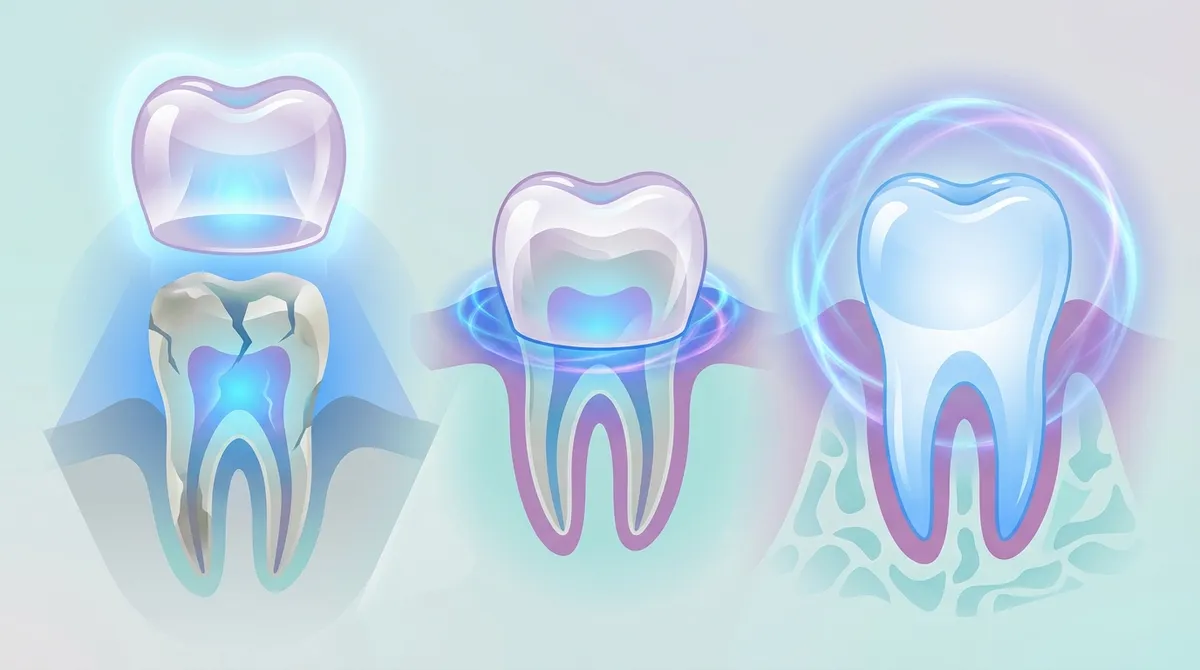
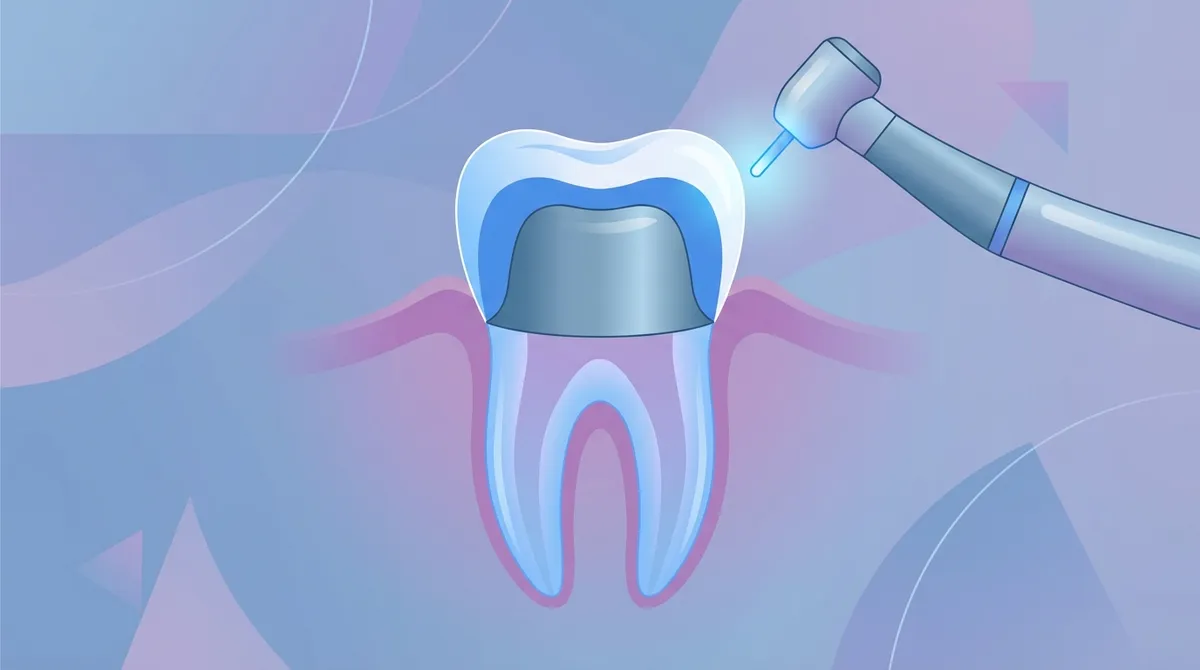
Before diving into the specific types, it’s helpful to understand what dental crowns accomplish. A dental crown is essentially a tooth-shaped cap that completely covers a damaged, weakened, or compromised tooth. Think of it like a protective helmet for your tooth—it encases the entire visible portion above the gum line, restoring its shape, size, strength, and appearance.
Crowns serve several important purposes in restorative dentistry. They protect teeth that have undergone root canal therapy, cover dental implants, anchor dental bridges, restore severely worn or broken teeth, and even improve the appearance of discolored or misshapen teeth. The type of crown your dentist recommends depends on factors like the tooth’s location, the extent of damage, your bite force, aesthetic considerations, and your budget.
At Dental Theory in Brandon, FL, Dr. K specializes in creating beautiful, durable crowns that blend seamlessly with your natural smile. With advanced technology and a patient-centered approach, he helps people understand their options and feel confident about their treatment choices.
Type One: Metal Crowns—The Strength Champions
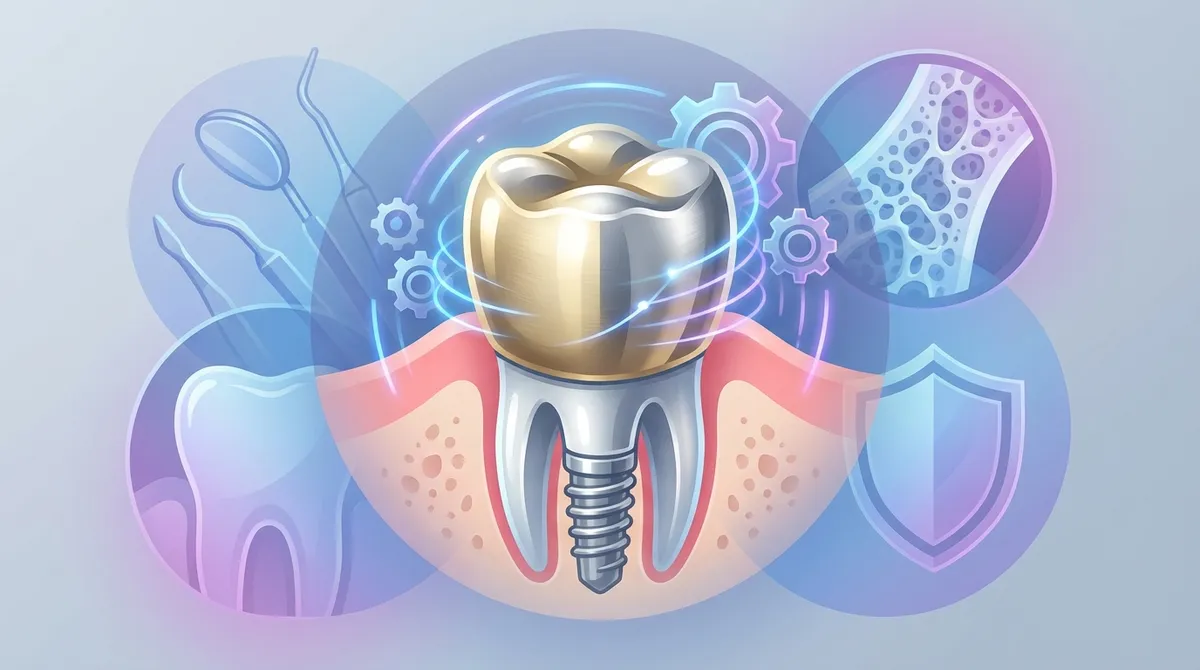
Metal crowns have been used in dentistry for generations, and they remain an excellent choice for specific situations. These crowns are made from various metal alloys, including gold, palladium, nickel, and chromium. Gold crowns, in particular, have an impressive track record for longevity and biocompatibility.
Advantages of Metal Crowns
The biggest advantage of metal crowns is their exceptional durability. These restorations can withstand tremendous biting and chewing forces, making them ideal for back molars where strength matters most. Metal crowns rarely chip or break, and they typically last 15 years or longer with proper care—often outlasting other crown types.
Another benefit is that metal crowns require less tooth structure removal compared to other options. Because the metal is so strong, the crown can be thinner while maintaining adequate strength. This means your dentist can preserve more of your natural tooth during preparation. Metal crowns also wear down opposing teeth minimally, which helps maintain your overall bite balance.
Considerations and Drawbacks
The most obvious disadvantage of metal crowns is their appearance. The metallic color makes them clearly visible when you smile, laugh, or talk, which is why most people choose them only for back teeth that aren’t prominently displayed. Some patients also have concerns about metal allergies, though true allergic reactions to dental gold alloys are quite rare.
Cost can vary significantly depending on the metal used. Gold crowns tend to be more expensive than other types due to the precious metal content, though some patients view this as a worthwhile investment given their superior longevity and performance.
| Feature | Metal Crowns |
|---|---|
| Durability | Excellent (15+ years) |
| Aesthetics | Poor (visible metal color) |
| Tooth Removal Required | Minimal |
| Best Location | Back molars |
| Cost Range | Moderate to High |
Type Two: Porcelain-Fused-to-Metal (PFM) Crowns—The Compromise Solution
Porcelain-fused-to-metal crowns represent a middle ground between the strength of metal crowns and the natural appearance of all-ceramic crowns. These restorations feature a metal substructure for strength, covered with a layer of tooth-colored porcelain for aesthetics.
PFM crowns became extremely popular in the 1980s and 1990s because they offered a reasonable balance of durability and appearance. Many patients still have PFM crowns that have served them well for decades. However, as dental materials have evolved, these crowns have become less popular for front teeth, though they remain a solid option in certain situations.
Strengths of PFM Crowns
The primary advantage of porcelain-fused-to-metal crowns is their combination of strength and reasonable aesthetics. The metal core provides excellent structural support, while the porcelain outer layer mimics the appearance of natural tooth enamel. This makes PFM crowns suitable for both front and back teeth, particularly for patients who grind their teeth or have a strong bite.
PFM crowns are generally more affordable than all-ceramic crowns, making them an accessible option for patients with budget constraints. They’ve also been used successfully for many years, so dentists have extensive experience working with this material and can predict its long-term performance with confidence.
Limitations to Consider
The main drawback of PFM crowns is aesthetic. Over time, the gum line may recede slightly, revealing a dark metal line at the base of the crown. This dark line becomes increasingly noticeable and can detract from an otherwise beautiful smile. Additionally, the porcelain layer may chip or fracture, especially if you clench or grind your teeth.
PFM crowns also don’t transmit light the same way natural teeth do. While they can closely match the color of your teeth, they often lack the translucent quality that makes natural teeth appear vibrant and alive. For front teeth where aesthetics are paramount, this can be a significant consideration.
Type Three: All-Ceramic and All-Porcelain Crowns—The Aesthetic Leaders
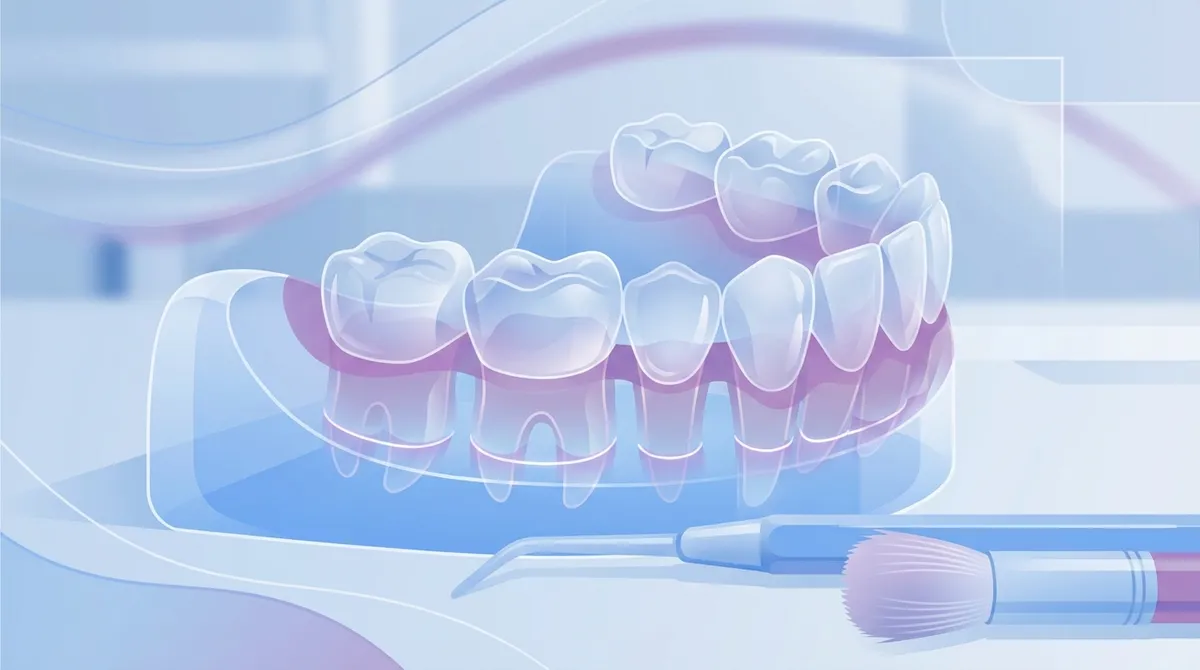
All-ceramic and all-porcelain crowns represent the cutting edge of aesthetic dentistry. These crowns contain no metal whatsoever, instead using advanced ceramic materials like zirconia, lithium disilicate, or feldspathic porcelain. The result is a restoration that can be virtually indistinguishable from natural teeth.
Modern ceramic materials have improved dramatically in recent years. Today’s all-ceramic crowns offer strength approaching that of PFM crowns while providing superior aesthetics. This has made them the preferred choice for front teeth and increasingly popular for back teeth as well.
Benefits of All-Ceramic Crowns
The most compelling advantage of all-ceramic crowns is their natural appearance. These crowns can be precisely matched to the color, translucency, and even the subtle variations in your surrounding teeth. They transmit light similarly to natural enamel, creating a lifelike appearance that blends seamlessly with your smile.
All-ceramic crowns are also biocompatible and ideal for patients with metal sensitivities or allergies. There’s no risk of a dark line showing at the gum line, even if your gums recede slightly over time. Many patients also appreciate knowing their restoration contains no metal for personal or health-related reasons.
Modern ceramic materials like zirconia offer excellent strength and durability. While early all-ceramic crowns were somewhat fragile, today’s materials can withstand normal biting and chewing forces quite well. For front teeth where aesthetics matter most and forces are moderate, all-ceramic crowns are often the perfect solution.
Potential Drawbacks
The main considerations with all-ceramic crowns are cost and slightly lower strength compared to metal crowns. All-ceramic crowns typically represent the most expensive option due to the advanced materials and technology required to create them. However, many patients feel the superior aesthetics justify the additional investment.
For teeth that experience very heavy biting forces, such as back molars in patients who grind their teeth, all-ceramic crowns may be more prone to fracture than metal alternatives. However, with proper case selection and the use of newer zirconia materials, this concern has diminished significantly.
| Crown Type | Best For | Durability | Aesthetics | Cost |
|---|---|---|---|---|
| Metal | Back molars | Excellent | Poor | Moderate-High |
| PFM | Back teeth, some front | Very Good | Good | Moderate |
| All-Ceramic | Front teeth, visible areas | Good-Very Good | Excellent | High |
Same-Day Crowns: A Modern Convenience
Beyond choosing the type of material, you may also have options regarding how your crown is fabricated. Traditional crowns require at least two appointments—one for tooth preparation and temporary crown placement, and another for permanent crown placement after it’s been created at a dental laboratory.
However, modern CAD/CAM technology now allows some dentists to create and place crowns in a single appointment. These same-day crowns use digital scanning and in-office milling to create all-ceramic restorations while you wait. The convenience factor is significant—no temporary crown, no second injection, no second appointment, and immediate results.
At Dental Theory, Dr. K offers same-day crown technology, allowing patients to walk in with a damaged tooth and leave with a permanent, beautiful restoration in just one visit. This technology uses high-quality ceramic materials and produces excellent aesthetic results for most situations.
Factors That Influence Your Crown Choice
Choosing the right type of crown involves considering several important factors. Your dentist will evaluate these elements and recommend the option that best meets your specific needs.
Location of the Tooth
Front teeth that show when you smile demand excellent aesthetics, making all-ceramic crowns the typical choice. Back molars that bear heavy chewing forces may benefit from the superior strength of metal or PFM crowns, though modern ceramics are increasingly used here as well.
Your Bite and Habits
If you grind or clench your teeth, durability becomes especially important. Your dentist may recommend metal or zirconia crowns for their exceptional strength. Patients with a normal bite and no grinding habits have more flexibility in their crown choice.
Aesthetic Priorities
How important is a natural appearance to you? For highly visible teeth, most patients prioritize aesthetics and choose all-ceramic options. For back teeth that don’t show, function and longevity may take precedence over appearance.
Budget Considerations
Crown costs vary based on material, complexity, and whether your insurance covers the procedure. Many dental practices, including Dental Theory, offer payment plans or an in-house membership plan to make quality dental care more accessible. Don’t let cost alone drive your decision—discuss your budget openly with your dentist to find the best solution within your means.
Existing Dental Work
If you’re matching a crown to existing restorations, your dentist may recommend a specific material to ensure consistency. For example, if you have several PFM crowns, adding another PFM crown may create better harmony than mixing materials.
How Long Do Different Crown Types Last?
Understanding the expected lifespan of different crown types helps you make an informed investment in your dental health. While individual results vary based on oral hygiene, diet, and habits, general estimates provide useful guidance.
Metal crowns typically last 15 to 30 years or even longer with proper care. Their exceptional durability means they often outlast the tooth they’re protecting. Gold crowns, in particular, have an excellent track record for longevity.
Porcelain-fused-to-metal crowns generally last 10 to 15 years. The porcelain layer may chip over time, and the metal margin may become visible as gums recede, but the crown itself often remains functional for many years.
All-ceramic crowns typically last 10 to 15 years, though newer materials like zirconia are showing promise for even longer lifespans. Proper care and avoiding excessive forces can extend the life of any crown significantly.
It’s worth noting that crown lifespan depends heavily on maintenance. Good oral hygiene, regular dental checkups, avoiding hard foods, and wearing a nightguard if you grind your teeth all contribute to crown longevity regardless of material type.
Making Your Crown Decision: Questions to Ask Your Dentist
When discussing crown options with your dentist, asking the right questions ensures you fully understand your choices and feel confident in your decision. Here are some important questions to consider:
- Which crown type do you recommend for my specific situation and why? Understanding your dentist’s reasoning helps you evaluate whether their recommendation aligns with your priorities.
- What are the pros and cons of each option for my particular tooth? Every situation is unique, and general information may not apply equally to your case.
- How long can I expect this crown to last? Realistic expectations about longevity help you plan for future dental needs.
- What does my insurance cover, and what will my out-of-pocket cost be? Financial clarity prevents surprises and helps you budget appropriately.
- Do you offer same-day crowns, and am I a candidate? If convenience is important to you, this technology may be worth exploring.
- What happens if my crown fails or needs replacement? Understanding warranty or guarantee policies provides peace of mind.
A good dentist welcomes these questions and takes time to thoroughly explain your options. At practices like Dental Theory, patient education is a priority, and Dr. K ensures every patient understands their treatment before moving forward.
Caring for Your Crown: Tips for Longevity
Once you’ve invested in a dental crown, proper care maximizes its lifespan and protects your overall oral health. The good news is that caring for a crown is very similar to caring for natural teeth.
Brush twice daily with a soft-bristled toothbrush and fluoride toothpaste, paying special attention to the area where the crown meets your natural tooth. This junction is vulnerable to decay if plaque accumulates. Floss daily around your crown just as you would around natural teeth. Some patients find floss threaders or water flossers helpful for cleaning around crowns.
Avoid chewing extremely hard foods like ice, hard candy, or popcorn kernels, as these can crack or dislodge crowns. If you grind your teeth at night, wear a nightguard to protect both your crown and natural teeth from excessive forces. Visit your dentist regularly for checkups and professional cleanings—typically every six months.
If you notice any changes with your crown, such as sensitivity, looseness, or chips, contact your dentist promptly. Early intervention can often prevent minor issues from becoming major problems. With proper care, your crown can serve you well for many years, allowing you to eat, speak, and smile with confidence.
Conclusion: Your Smile Deserves the Best Choice
Understanding the three main types of dental crowns—metal, porcelain-fused-to-metal, and all-ceramic—empowers you to make an informed decision about your dental care. Each type offers unique advantages, and the right choice depends on your individual situation, priorities, and goals. Metal crowns provide unmatched strength and longevity for back teeth. PFM crowns offer a practical balance of durability and aesthetics at a moderate cost. All-ceramic crowns deliver superior natural appearance for visible teeth where beauty matters most.
The most important step is having an open conversation with your dentist about your options, concerns, and expectations. A skilled dentist will evaluate your specific needs and guide you toward the solution that best serves your long-term oral health and satisfaction. Don’t hesitate to ask questions, express your priorities, and take time to make a decision you feel good about.
If you’re considering a dental crown or have questions about which type might be right for you, the team at Dental Theory in Brandon, FL, is here to help. With expertise in cosmetic dentistry and advanced restorative techniques, Dr. K creates beautiful, functional crowns tailored to each patient’s unique needs. Schedule an appointment today to discuss your options and take the next step toward a healthier, more confident smile.
FAQs
Q: What is the most durable type of dental crown?
A: Metal crowns, particularly those made from gold alloys, are the most durable type of dental crown. They can last 15 to 30 years or longer and rarely chip or break. Their exceptional strength makes them ideal for back molars that experience heavy chewing forces, though their metallic appearance makes them less suitable for visible front teeth.
Q: Which type of crown looks most natural?
A: All-ceramic or all-porcelain crowns provide the most natural appearance. They can be precisely matched to your surrounding teeth in color and translucency, and they transmit light similarly to natural enamel. These crowns are the preferred choice for front teeth and other visible areas where aesthetics are a top priority.
Q: Are porcelain-fused-to-metal crowns still a good option?
A: Yes, PFM crowns remain a solid option in many situations. They offer a good balance of strength and aesthetics at a moderate cost, making them suitable for back teeth and some front teeth. However, the metal substructure may eventually show as a dark line at the gum line, and all-ceramic options have become increasingly popular for front teeth due to superior aesthetics.
Q: How do I know which crown type is right for me?
A: The right crown type depends on several factors including tooth location, your bite strength, aesthetic priorities, and budget. Your dentist will evaluate these factors and recommend the best option for your specific situation. Front teeth typically benefit from all-ceramic crowns for appearance, while back teeth may use metal or PFM crowns for durability, though modern ceramics are increasingly used throughout the mouth.
Q: Can I get a dental crown in one day?
A: Yes, with modern CAD/CAM technology, some dental practices offer same-day crowns. This involves digitally scanning your tooth, designing the crown using computer software, and milling it from a ceramic block right in the office. Same-day crowns eliminate the need for temporary crowns and a second appointment, though not all practices offer this technology and not all situations are suitable for same-day treatment.