
Key Takeaways
- Zirconia crowns offer the best combination of strength and aesthetics, making them suitable for all tooth locations with minimal tooth reduction.
- For front teeth, prioritize all-ceramic or lithium disilicate options that provide superior natural translucency and color matching.
- Consider your specific needs like tooth location, bite force, and budget when selecting a crown material – one size does not fit all.
- Metal crowns remain the most durable option, potentially lasting 30+ years, but are typically recommended only for non-visible back teeth.
- Insurance often covers 50% of crown costs, so factor in long-term value rather than just initial price when making your selection.
Choosing the right dental crown can feel overwhelming with so many options available today. Whether you’re restoring a damaged tooth, improving your smile’s appearance, or replacing an old crown, understanding the different types of materials and their benefits will help you make an informed decision. The best crown for you depends on several factors including the tooth’s location, your budget, aesthetic preferences, and specific dental needs. This guide will walk you through everything you need to know about selecting the perfect dental crown that balances durability, appearance, and value.
At Dental Theory, we understand that every patient’s situation is unique. That’s why we take time to explain your options and help you choose the crown material that’s right for your individual circumstances.
Understanding Different Types of Dental Crown Materials
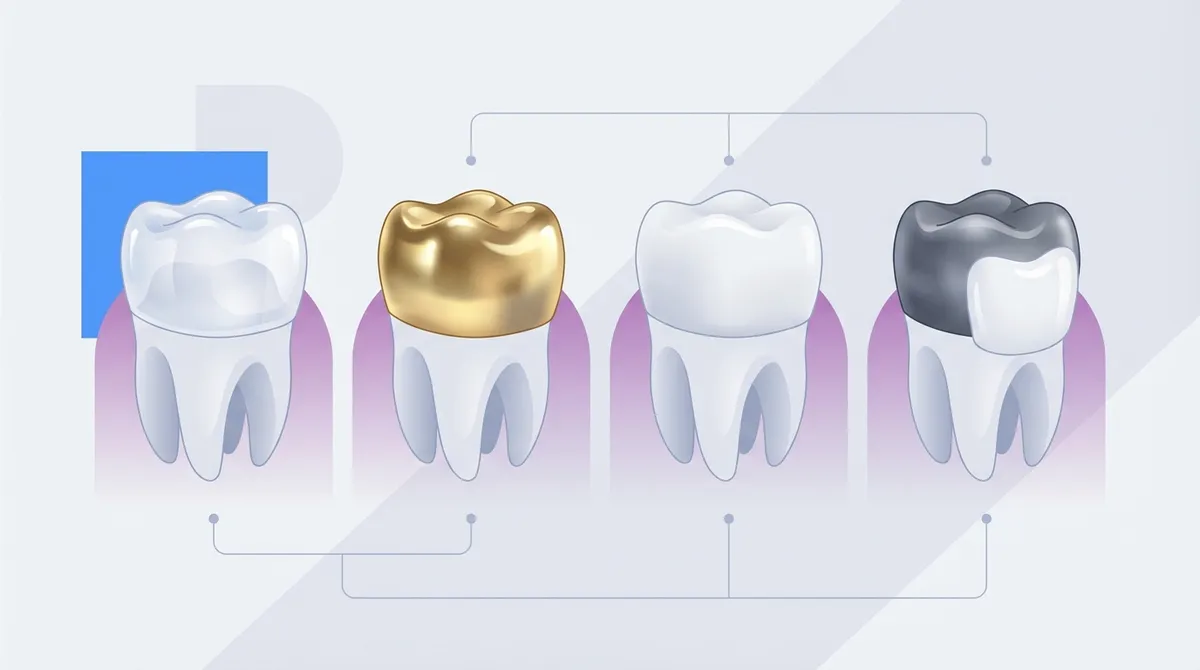
Dental crowns come in various materials, each with distinct advantages and considerations. The five main types include all-porcelain (ceramic), zirconia, porcelain-fused-to-metal (PFM), metal alloys (including gold), and resin. Your dentist will recommend a specific material based on factors like tooth location, bite force, aesthetic requirements, and your overall oral health.
Modern dentistry has made significant advances in crown materials over the past decade. Today’s options offer better aesthetics, improved durability, and more conservative tooth preparation than ever before. Understanding these materials empowers you to participate actively in your treatment planning.
All-Porcelain and Ceramic Crowns
All-porcelain crowns deliver the most natural-looking results of any crown type. These crowns perfectly mimic the translucency and color of natural teeth, making them ideal for front teeth where appearance is paramount. Porcelain is highly stain-resistant and biocompatible, meaning it’s less likely to cause allergic reactions or gum irritation.
However, porcelain crowns are more brittle than metal alternatives and may chip under excessive force. They work best for front teeth and premolars that don’t endure the heaviest chewing pressure. Recent improvements in ceramic formulations have increased their strength significantly, but they still aren’t recommended for patients who grind their teeth without protection.
Zirconia Crowns: The Modern Favorite
Zirconia has emerged as one of the most popular crown materials because it combines exceptional strength with excellent aesthetics. This crystalline oxide of zirconium creates crowns that are nearly as strong as metal while maintaining a tooth-like translucency. Zirconia crowns can withstand significant biting forces, making them suitable for both front and back teeth.
One major advantage of zirconia is that it can often be fabricated in a single dental visit using advanced CAD/CAM technology. This means less time in the dental chair and fewer temporary crowns. Zirconia also requires minimal tooth reduction compared to other crown types, preserving more of your natural tooth structure. Studies show that zirconia crowns are less expensive than metal crowns while requiring fewer dental visits due to in-office fabrication capabilities.
Comparing Durability and Longevity
When investing in a dental crown, longevity matters. Different materials offer varying lifespans depending on their composition, the tooth’s location, and your oral habits. Understanding these differences helps you weigh the long-term value of each option.
| Crown Type | Average Lifespan | Durability Rating | Best For |
|---|---|---|---|
| Gold/Metal Alloys | 10-30+ years | Excellent | Back molars, heavy chewers |
| Porcelain-Fused-to-Metal | 10-15 years | Very Good | Back teeth, balanced needs |
| Zirconia | 10-15 years | Excellent | Any tooth location |
| All-Porcelain | 7-15 years | Good | Front teeth |
| Resin | 5-8 years | Fair | Temporary or budget solutions |
Gold and metal alloy crowns remain the gold standard for durability, potentially lasting 30 years or more with proper care. Their malleability allows them to conform precisely to the tooth, creating an excellent seal that prevents decay. However, their metallic appearance makes them less desirable for visible teeth.
Metal Crown Benefits
Metal crowns, including gold, platinum, and base-metal alloys, offer unmatched durability and longevity. They cause minimal wear to opposing teeth because they’re gentler on enamel than ceramic materials. Metal crowns also require the least amount of tooth structure removal during preparation, preserving more of your natural tooth.
The main disadvantage is purely aesthetic—their metallic color makes them noticeable when you smile or speak. For this reason, dentists typically recommend metal crowns only for molars that aren’t visible during normal conversation. Some patients actually prefer gold crowns for back teeth, appreciating their proven track record and distinctive appearance.

Aesthetic Considerations for Visible Teeth
For front teeth and premolars, appearance often takes priority over maximum strength. Your smile is one of the first things people notice about you, so choosing a crown material that blends seamlessly with your natural teeth is essential for confidence and self-esteem.
All-ceramic options, including porcelain and lithium disilicate (E-Max), provide the most aesthetically pleasing results. These materials can be precisely color-matched to your surrounding teeth and display the same light-reflecting properties as natural enamel. The translucency of modern ceramics creates depth and vitality that metal-backed crowns simply cannot achieve.
Lithium Disilicate (E-Max) Crowns
Lithium disilicate represents a newer generation of all-ceramic crowns that offer an excellent balance of beauty and strength. E-Max crowns are particularly popular for front teeth because they provide superior aesthetics with better durability than traditional porcelain. They’re strong enough for some back teeth applications as well, though they’re more expensive than other options.
In surveys of dental professionals, lithium disilicate is the top choice for anterior crowns at 54%, followed by layered zirconia at 17% and leucite-reinforced glass ceramic at 13%. This preference reflects the material’s reliable performance and outstanding cosmetic results.
Porcelain-Fused-to-Metal Crowns: A Balanced Approach
Porcelain-fused-to-metal (PFM) crowns have been a dental staple for decades because they combine the strength of metal with the appearance of porcelain. These crowns feature a metal substructure for durability with a porcelain overlay for aesthetics. They work well for back teeth and can be used for front teeth if cost is a primary concern.
PFM crowns typically last 10-15 years with proper care, offering good longevity at a moderate price point. However, they have some drawbacks. The metal base can create a dark line visible at the gumline, especially if gums recede over time. This dark margin becomes more noticeable as years pass, potentially compromising the crown’s aesthetic appeal.
Additionally, the porcelain layer can chip or fracture, exposing the metal underneath. The harder porcelain surface may also cause more wear on opposing natural teeth compared to other materials. For posterior teeth where appearance matters less and strength matters more, PFM crowns remain a viable option.
Cost Comparison and Insurance Coverage
Budget plays a significant role in crown selection for many patients. Crown costs vary considerably based on material, laboratory fees, and geographic location. Understanding the price range helps you plan financially and explore insurance options or payment plans.
| Crown Type | Typical Cost Range | Insurance Coverage | Value Rating |
|---|---|---|---|
| Resin | $600-$1,000 | Often covered | Fair (needs replacement) |
| Porcelain-Fused-to-Metal | $800-$1,500 | Usually covered | Good |
| All-Porcelain/Ceramic | $800-$2,000 | Partially covered | Very Good |
| Zirconia | $1,000-$2,000 | Partially covered | Excellent |
| Gold/Metal | $1,200-$2,500 | Partially covered | Excellent |
| Lithium Disilicate | $1,300-$2,500 | Partially covered | Excellent |
Resin crowns are the most affordable option but require more frequent replacement due to their brittleness and tendency to fracture. While they may seem budget-friendly initially, replacement costs over time can actually make them more expensive than investing in a higher-quality crown from the start.
Most dental insurance plans cover a portion of crown costs, typically 50% after your deductible is met. Coverage may depend on whether the crown is deemed medically necessary or cosmetic. At Dental Theory, we work with various insurance providers and offer an in-house membership plan for patients without insurance coverage.
Matching Crown Type to Tooth Location
The tooth’s position in your mouth significantly influences which crown material will work best. Front teeth, premolars, and molars each have different functional and aesthetic requirements that make certain materials more suitable than others.
Front Teeth (Incisors and Canines)
For front teeth, aesthetics reign supreme. These teeth are visible when you smile, speak, and eat, making natural appearance critical. All-porcelain, zirconia, or lithium disilicate crowns work best here because they can be precisely color-matched and provide natural translucency. The biting forces on front teeth are generally lower than back teeth, so maximum strength is less critical than appearance.
Back Teeth (Premolars and Molars)
Back teeth endure significant chewing forces and require crowns that can withstand substantial pressure. Durability becomes the priority here, though appearance still matters for premolars. For posterior crowns, dental professionals prefer all-zirconia (32%), PFM (31%), and lithium disilicate (21%) according to recent surveys. Metal crowns remain excellent for molars where visibility is minimal, offering unparalleled longevity and strength.
Special Considerations and Individual Factors
Beyond material properties and tooth location, several personal factors should influence your crown choice. These individual considerations ensure your crown meets your specific needs and lifestyle requirements.
Allergies and Sensitivities
Some patients have metal allergies or sensitivities that make certain crown materials unsuitable. Nickel allergies are particularly common and can cause inflammation, discomfort, or even crown failure. If you have known metal allergies, all-ceramic options like porcelain or zirconia provide safe, biocompatible alternatives that won’t trigger adverse reactions.
Bruxism and Teeth Grinding
If you grind your teeth (bruxism), you need crowns that can withstand extraordinary forces. Zirconia and metal crowns work best for teeth grinders because of their exceptional strength. Your dentist will likely also recommend a nightguard to protect both your crown and natural teeth from excessive wear. All-porcelain crowns may chip or fracture more easily under grinding forces.
Same-Day Crown Technology
Modern dental technology enables some crowns to be designed, milled, and placed in a single appointment. Same-day crowns use CAD/CAM technology to create zirconia or ceramic restorations while you wait, eliminating the need for temporary crowns and multiple visits. Dr. K offers same-day crown services, making the process more convenient for patients with busy schedules.
How to Decide Which Crown Is Right for You
Making the best crown choice requires considering multiple factors simultaneously. Here’s a step-by-step approach to help you decide:
- Identify the tooth location: Front teeth prioritize aesthetics; back teeth need maximum strength.
- Assess your budget: Determine what you can afford while considering long-term value rather than just initial cost.
- Consider your priorities: Rank importance of appearance, durability, and cost for your specific situation.
- Discuss with your dentist: Your dental professional can evaluate your bite, tooth condition, and oral health to recommend suitable options.
- Review your insurance coverage: Understanding your benefits helps narrow choices to financially feasible options.
- Think long-term: A higher initial investment in a quality crown often provides better value over its lifetime.
Your dentist’s expertise and experience play a crucial role in crown success. They can assess factors you might not consider, such as bite alignment, opposing tooth wear patterns, and the amount of remaining tooth structure available for crown placement.
Caring for Your Crown After Placement
Regardless of which crown material you choose, proper care extends its lifespan and protects your investment. All crowns require the same basic maintenance as natural teeth, with some additional precautions.
Brush twice daily with a soft-bristled toothbrush and fluoride toothpaste, paying special attention to the margin where the crown meets your gum. Floss daily around the crown to prevent gum disease and decay at the crown’s edge. Avoid chewing ice, hard candies, or other extremely hard substances that can damage crowns, especially porcelain varieties.
Regular dental checkups and professional cleanings are essential for crown longevity. Your dentist will examine the crown for signs of wear, check the seal at the gumline, and ensure it continues functioning properly. Most crown problems can be addressed early if detected during routine examinations, preventing more serious issues later.
Making Your Crown Decision
The best type of dental crown for you balances aesthetics, durability, cost, and your individual dental needs. For front teeth where appearance is paramount, all-ceramic options like porcelain, lithium disilicate, or aesthetic zirconia deliver beautiful, natural-looking results. For back teeth requiring maximum strength, zirconia, metal, or PFM crowns provide the durability needed to withstand heavy chewing forces.
Don’t let cost alone drive your decision. While budget constraints are real, investing in a quality crown that lasts longer often provides better value than choosing the cheapest option that requires earlier replacement. Consider the crown’s expected lifespan, your aesthetic requirements, and functional needs to make a well-informed choice.
Modern dental materials offer excellent options for virtually every situation and budget. Whether you prioritize natural appearance, maximum durability, or cost-effectiveness, there’s a crown material perfectly suited to your needs. Take time to discuss your options thoroughly with your dentist, ask questions about each material’s pros and cons, and make a decision you’ll feel confident about for years to come.
Ready to restore your smile with a high-quality dental crown? The experienced team at Dental Theory can help you choose the perfect crown material for your unique situation. We’ll explain all your options, answer your questions, and ensure you receive care that exceeds your expectations. Schedule an appointment today to discuss your cosmetic dentistry needs and discover how we can transform your smile. You can also visit us on Google to read reviews from our satisfied patients and see why Brandon families trust us for their dental care.
FAQs
Q: What is the most durable type of dental crown?
A: Gold and metal alloy crowns are the most durable, lasting 10-30 years or more with proper care. They withstand heavy chewing forces better than any other material and cause minimal wear to opposing teeth. However, zirconia crowns offer comparable strength with superior aesthetics, making them an excellent modern alternative for patients who want both durability and natural appearance.
Q: Are zirconia crowns better than porcelain crowns?
A: Zirconia crowns are generally stronger and more durable than traditional porcelain crowns, making them suitable for both front and back teeth. They combine excellent aesthetics with exceptional strength and can often be completed in a single dental visit. However, for front teeth where ultimate translucency is desired, all-porcelain or lithium disilicate crowns may provide slightly more natural-looking results, though the difference is minimal with modern zirconia formulations.
Q: How long do different types of dental crowns typically last?
A: Crown longevity varies by material: gold and metal crowns can last 10-30+ years, porcelain-fused-to-metal and zirconia crowns typically last 10-15 years, all-porcelain crowns last 7-15 years, and resin crowns last only 5-8 years. These timeframes depend on proper care, tooth location, bite forces, and your oral hygiene habits. Regular dental checkups and good home care significantly extend crown lifespan regardless of material.
Q: Which dental crown material is best for front teeth?
A: All-porcelain, lithium disilicate (E-Max), or aesthetic zirconia crowns work best for front teeth because they perfectly mimic natural tooth appearance with excellent translucency and color-matching capabilities. Lithium disilicate is the top choice among dentists for anterior crowns, selected by 54% of professionals surveyed. These materials blend seamlessly with surrounding teeth, making the restoration virtually undetectable when you smile or speak.
Q: Can dental crowns cause allergic reactions?
A: Yes, metal crowns containing nickel or other base metals can trigger allergic reactions in sensitive patients, causing inflammation, discomfort, or crown failure. If you have known metal allergies, all-ceramic options like porcelain, zirconia, or lithium disilicate provide safe, biocompatible alternatives. These ceramic materials are hypoallergenic and won’t cause adverse reactions, making them ideal for patients with metal sensitivities or those who prefer metal-free restorations.