
Key Takeaways
- Dental crowns last 10-15 years on average, with some materials like metal or zirconia potentially lasting 20-30 years depending on care and usage.
- Choose crown materials wisely: metal for durability, zirconia for strength and aesthetics, and porcelain for natural appearance in visible teeth.
- Maintain excellent oral hygiene by brushing, flossing, and attending regular dental check-ups to protect the crown and underlying tooth structure.
- Avoid habits that damage crowns, such as teeth grinding, chewing ice, using teeth to open packages, or eating extremely hard or sticky foods.
- Monitor your crown for warning signs like sensitivity, visible damage, looseness, or gum changes that might indicate the need for professional evaluation.
- Same-day crown technology now allows for faster, more convenient crown placement with the same durability as traditional multi-visit procedures.
If you’re considering a dental crown or already have one, you’ve probably wondered: are these restorations truly permanent? It’s a question that crosses the mind of nearly every dental patient, and for good reason. After investing time and money into restoring your smile, you want to know exactly what to expect. The short answer might surprise you: dental crowns aren’t technically permanent, but with proper care, they can last for decades—and in some cases, they might even last a lifetime. Let’s explore the truth about dental crown longevity and what factors determine how long your restoration will serve you well.
Understanding the lifespan of dental crowns helps you make informed decisions about your oral health and budget accordingly. Whether you’re getting your first crown or replacing an older one, knowing what influences durability can help you maximize your investment. At Dental Theory in Brandon, FL, we believe educated patients make the best decisions about their dental care, which is why we’re breaking down everything you need to know about crown permanence.
1. Dental Crowns Are Long-Lasting, Not Permanent
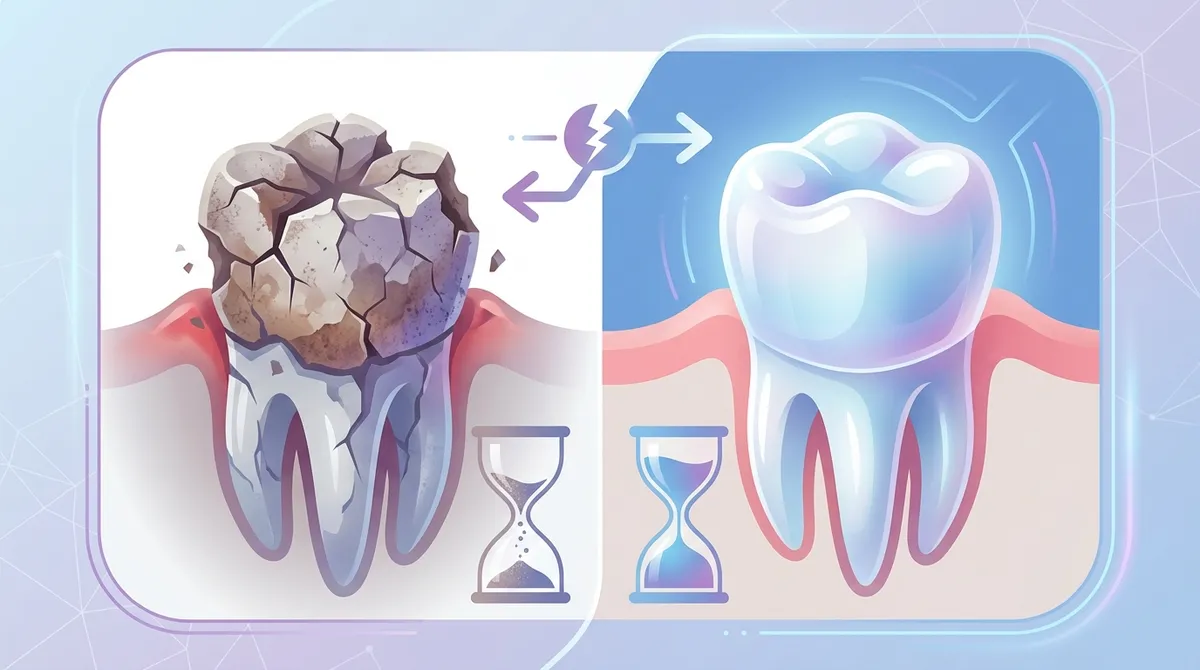
The most important distinction to understand is that dental crowns are considered long-lasting restorations rather than permanent ones. Think of them as durable, high-quality solutions designed to last many years—but not necessarily forever. Clinical studies reveal impressive statistics: approximately 97% of dental crowns remain fully functional at the 10-year mark, and about 85% maintain optimal performance after 15 years. These numbers demonstrate that while crowns aren’t eternal, they’re remarkably reliable when properly maintained.
Most dental crowns last between 10 to 15 years on average, though many exceed this timeframe significantly. Some patients enjoy their crowns for 20, 25, or even 30+ years without needing replacement. The variation depends on several factors we’ll explore throughout this article, including material choice, oral hygiene habits, and lifestyle factors. The key takeaway? Your crown’s longevity isn’t predetermined—you have considerable influence over how long it lasts.
Insurance companies typically recognize this reality by covering crown replacements every 5 to 8 years. However, this doesn’t mean you should automatically replace your crown within this window. Replacement is only necessary when the crown is damaged, loose, or no longer fits properly. Many crowns far outlast insurance replacement schedules, proving their exceptional durability when circumstances are favorable.
2. Material Choice Dramatically Impacts Crown Lifespan
Not all dental crowns are created equal—the material used plays a crucial role in determining longevity. Different crown materials offer varying levels of durability, aesthetics, and suitability for different teeth positions. Understanding these differences helps you make the best choice for your specific situation.
| Crown Material | Average Lifespan | Best For | Key Advantages |
|---|---|---|---|
| Metal/Gold Alloy | 20-30+ years | Back molars | Exceptional durability, minimal tooth removal |
| Zirconia | 15-20+ years | Any tooth | Strong, tooth-colored, biocompatible |
| Porcelain-Fused-to-Metal (PFM) | 10-15 years | Front or back teeth | Good strength, natural appearance |
| All-Porcelain/Ceramic | 5-15 years | Front teeth | Best aesthetics, natural translucency |
Metal and gold crowns reign supreme for longevity, often lasting two to three decades or more. Their superior strength makes them ideal for back molars that endure heavy chewing forces. However, their metallic appearance makes them less desirable for visible teeth. Zirconia crowns offer an excellent compromise—they’re nearly as durable as metal crowns while providing a natural tooth color that blends seamlessly with your smile.
Porcelain and ceramic crowns deliver the most aesthetically pleasing results, making them perfect for front teeth where appearance matters most. While they may not last quite as long as metal or zirconia options, advances in dental ceramics have significantly improved their durability. When you visit for general dentistry services, your dentist will recommend the most appropriate material based on the tooth’s location, your bite pattern, and your aesthetic preferences.
3. Proper Oral Hygiene Extends Crown Life Significantly
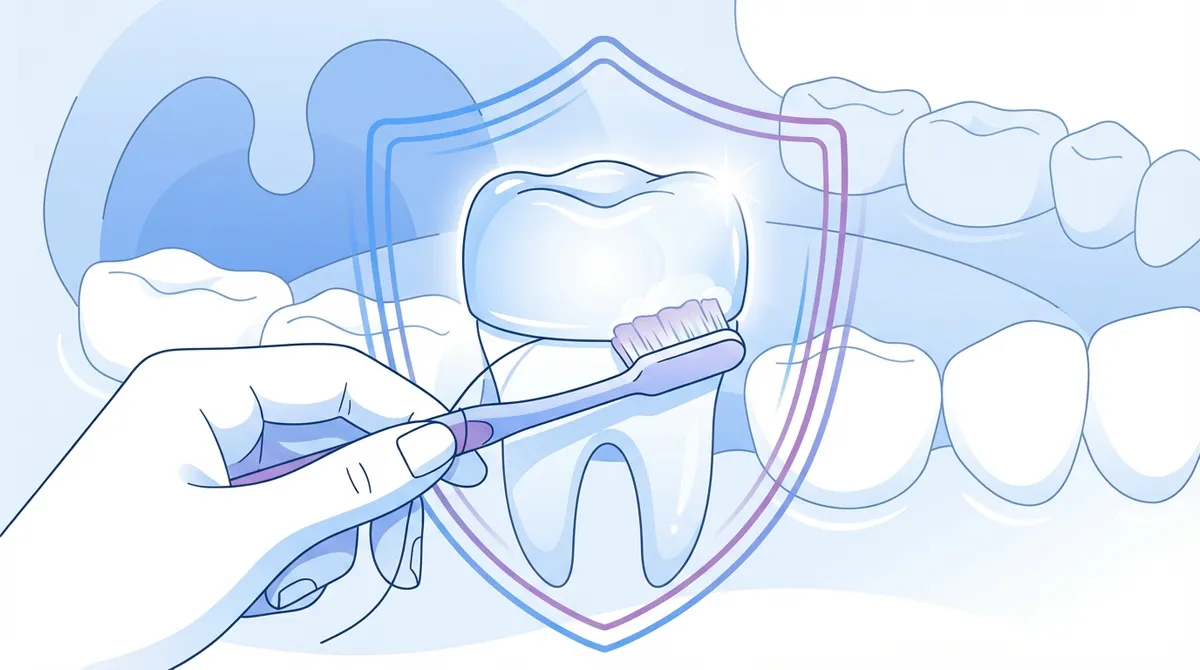
Here’s an essential truth many patients don’t realize: the crown itself rarely fails—it’s usually the tooth underneath or the surrounding gum tissue that develops problems. Your dental crown may be perfectly intact, but if decay develops at the margin where the crown meets your natural tooth, or if gum disease affects the supporting structures, replacement becomes necessary. This is why maintaining excellent oral hygiene is absolutely critical for crown longevity.
Brushing twice daily and flossing once a day aren’t just general recommendations—they’re essential practices for protecting your investment in dental crowns. Pay special attention to the gum line around crowned teeth, where bacteria can accumulate and cause decay. Use a soft-bristled toothbrush and fluoride toothpaste, and consider adding an antimicrobial mouthwash to your routine for extra protection against bacteria.
Regular dental check-ups every six months allow your dentist to monitor your crown’s condition and catch potential problems early. Professional cleanings remove plaque and tartar buildup that you can’t eliminate at home, particularly around crown margins. During these visits, your dentist can also check for signs of wear, loosening, or decay that might require intervention. Prevention is always more cost-effective than treatment, making these appointments invaluable for crown longevity.
4. Lifestyle Habits Can Make or Break Your Crown
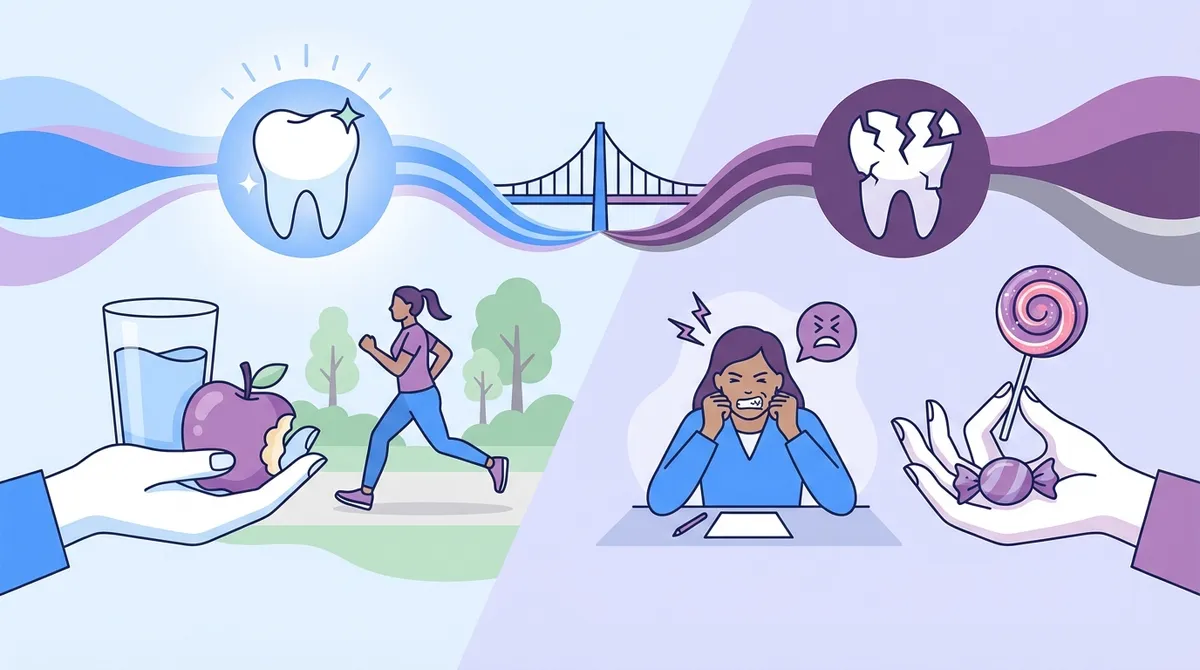
Your daily habits have a profound impact on how long your dental crown lasts. Certain behaviors put excessive stress on crowns, accelerating wear and increasing the risk of damage. Being mindful of these habits can add years—even decades—to your crown’s functional life.
Teeth grinding (bruxism) is one of the most destructive habits for dental crowns. The constant pressure and friction can cause crowns to crack, chip, or loosen prematurely. If you grind your teeth at night, talk to your dentist about getting a custom night guard. This simple device protects both your crowns and natural teeth from grinding damage, potentially doubling your crown’s lifespan. Many patients don’t realize they grind their teeth until a dentist notices the wear patterns, so don’t skip those regular check-ups.
What you eat matters too. While modern dental crowns are remarkably strong, they’re not indestructible. Avoid using your crowned teeth to crack nuts, chew ice, or open packages—these activities can fracture even the strongest crowns. Sticky foods like caramels and taffy can pull crowns loose, while extremely hard foods like hard candies or popcorn kernels can cause chips or cracks. If you play contact sports, wearing a mouthguard protects your crowns from traumatic damage.
5. Warning Signs Your Crown Needs Attention
Knowing when your crown needs professional evaluation can prevent minor issues from becoming major problems. While crowns are designed to be durable, they’re not immune to wear and damage over time. Watch for these warning signs that your crown may need repair or replacement:
- Sensitivity or pain: New sensitivity to hot, cold, or pressure around a crowned tooth may indicate decay beneath the crown or a loose fit
- Visible damage: Chips, cracks, or discoloration on the crown surface suggest structural compromise
- Loose feeling: If your crown feels mobile or you can wiggle it with your tongue, the cement bond may have failed
- Gum changes: Recession, swelling, or a dark line appearing at the gum line near the crown warrants evaluation
- Bad taste or odor: Persistent bad taste or smell around a crowned tooth may indicate decay or infection
Don’t ignore these symptoms, hoping they’ll resolve on their own. Early intervention often allows for simpler, less expensive solutions than waiting until the problem becomes severe. For example, a slightly loose crown can often be re-cemented if addressed promptly, but waiting too long may allow decay to develop, requiring crown replacement and possibly additional dental work.
If your crown does fall out completely, don’t panic. Retrieve the crown if possible, rinse it gently, and call your dentist immediately. In many cases, a crown that comes off intact can be re-cemented if the underlying tooth structure remains healthy. Keep the area clean and avoid chewing on that side until you can get professional care. You can find schedule an appointment options that accommodate dental emergencies.
6. Same-Day Crowns Offer Modern Convenience Without Compromising Quality
Dental technology has revolutionized crown procedures, making them faster and more convenient than ever before. Traditional crown placement requires two appointments separated by weeks—one for preparation and temporary crown placement, another for permanent crown installation. Same-day crown technology eliminates this waiting period, allowing you to walk out with your permanent restoration in a single visit.
Advanced CAD/CAM (Computer-Aided Design/Computer-Aided Manufacturing) systems enable dentists to design, mill, and place high-quality crowns in just a few hours. The process begins with digital impressions that capture precise measurements of your prepared tooth. Computer software then designs your custom crown, which is milled from a solid block of dental ceramic right in the office. After final adjustments and polishing, your new crown is bonded in place—all in one appointment.
Same-day crowns offer the same longevity and durability as traditional lab-fabricated crowns when made from quality materials like zirconia or high-strength ceramic. The elimination of temporary crowns is a significant advantage, as temporary crowns can sometimes fall off, cause sensitivity, or feel uncomfortable. Plus, you avoid the inconvenience of multiple appointments and the anxiety of waiting weeks for your final restoration. Dr. K specializes in same-day crown procedures, combining advanced technology with expert craftsmanship to deliver beautiful, long-lasting results in a single visit.
7. Insurance Coverage and Cost Considerations
Understanding the financial aspects of dental crowns helps you plan for both initial placement and potential future replacement. Most dental insurance plans cover a portion of crown costs, typically 50% after you’ve met your annual deductible. However, insurance companies generally limit coverage to one crown per tooth every 5 to 8 years, assuming replacement is medically necessary due to damage or failure—not simply because time has passed.
| Coverage Type | Typical Coverage | What You Should Know |
|---|---|---|
| Insurance with Benefits | 50% of crown cost | Subject to annual maximums and replacement limits |
| In-House Membership Plans | Discounted rates | Often more affordable for those without insurance |
| Out-of-Pocket | Full cost | May qualify for payment plans or financing options |
If you don’t have dental insurance, don’t let that deter you from getting necessary crown work. Many dental practices, including Dental Theory, offer in-house membership plan options that provide significant discounts on procedures like crowns. These plans often cost less than traditional insurance premiums while offering predictable savings on both preventive and restorative care.
When evaluating crown costs, consider the long-term value rather than just the upfront price. A high-quality crown that lasts 20+ years represents excellent value compared to a cheaper option that needs replacement after 7 years. Factor in not just the monetary cost but also the time investment, discomfort, and inconvenience of more frequent replacements. Choosing quality materials and an experienced dentist may cost slightly more initially but saves money and hassle over the long run.
Making Your Crown Last a Lifetime
While dental crowns aren’t technically permanent, the reality is that with exceptional care and favorable circumstances, some crowns do last a lifetime. The 10 to 30+ year range represents average scenarios, but you have significant control over where your crown falls on that spectrum. By choosing quality materials, maintaining meticulous oral hygiene, protecting your crown from excessive forces, and attending regular dental check-ups, you maximize your crown’s functional lifespan.
Think of your dental crown as a partnership between you and your dental team. Your dentist provides expert placement and ongoing monitoring, but the daily care falls to you. This collaboration yields the best results—crowns that look great, function perfectly, and last for decades. Remember that even if your crown eventually needs replacement, modern crowns represent a significant improvement over the alternatives of tooth loss or continued decay.
At Dental Theory in Brandon, FL, we’re committed to helping you get the most from your dental restorations. Our team uses the highest-quality materials and latest technology to ensure your crown is built to last. We also provide comprehensive guidance on caring for your crown and monitoring it over time. Whether you need your first crown or are due for a replacement, we’re here to deliver exceptional results that stand the test of time. Don’t forget to visit us on Google to see what our satisfied patients have to say about their experiences.
Ready to restore your smile with a durable, beautiful dental crown? Our experienced team is here to answer your questions and provide personalized recommendations based on your unique needs. With convenient same-day crown options and flexible payment plans, getting the dental care you need has never been easier. Schedule an appointment today and take the first step toward a healthier, more confident smile that lasts.
FAQs
Q: How long does a dental crown typically last?
A: Most dental crowns last between 10 to 15 years on average, though many last much longer with proper care. The lifespan depends on the material used—metal and zirconia crowns can last 20-30+ years, while porcelain crowns typically last 5-15 years. With excellent oral hygiene, regular dental visits, and careful habits, your crown could potentially last a lifetime.
Q: Can a dental crown be considered permanent?
A: Dental crowns are not technically permanent, but they are long-lasting restorations. While some crowns may last a lifetime with exceptional care, most will eventually need replacement due to normal wear, changes in oral health, or damage. Think of crowns as durable, decades-long solutions rather than truly permanent fixtures.
Q: What are the signs that my dental crown needs to be replaced?
A: Watch for sensitivity or pain around the crowned tooth, visible chips or cracks, a loose feeling when you touch the crown, gum recession or swelling near the crown margin, or persistent bad taste or odor. Any of these symptoms warrant a dental evaluation, as early intervention can often prevent more serious problems and costly repairs.
Q: How can I make my dental crown last longer?
A: Maximize your crown’s lifespan by brushing twice daily and flossing regularly, especially around the crown margin. Avoid chewing hard foods like ice or nuts, don’t use your teeth as tools, and wear a night guard if you grind your teeth. Most importantly, maintain regular dental check-ups every six months for professional monitoring and cleaning.
Q: Does dental insurance cover crown replacement?
A: Most dental insurance plans cover approximately 50% of crown costs and typically allow replacement every 5 to 8 years. However, insurance will only cover replacement if it’s medically necessary due to damage, decay, or improper fit—not simply because time has passed. If you don’t have insurance, ask your dentist about in-house membership plans that offer discounted rates on crowns and other procedures.