
Key Takeaways
-
Professional teeth cleaning removes tartar buildup and detects early dental problems that home brushing cannot address.
-
Brush twice daily using proper technique: 45-degree angle, gentle circular motions, and spend full two minutes cleaning.
-
Flossing is crucial and cannot be skipped, as it removes plaque between teeth where toothbrushes cannot reach.
-
Dental health directly impacts overall body health, with connections to heart disease, diabetes, and other systemic conditions.
-
Both professional cleanings (every 6 months) and consistent at-home care are essential for maintaining optimal oral health.
-
Use the right tools: soft-bristled toothbrush, fluoride toothpaste, dental floss, and antimicrobial mouthwash for comprehensive cleaning.
Your smile is one of the first things people notice about you. Keeping your teeth clean isn’t just about looking good – it’s about staying healthy too. But with so many options available, you might wonder: should you rely on professional cleanings or focus on your at-home routine? The truth is, both play important roles in maintaining a bright, healthy smile. In this article, we’ll explore the differences between professional and at-home teeth cleaning, helping you understand what works best for your dental health.
Many people think brushing twice a day is enough. While that’s a great start, there’s more to the story. Professional cleanings reach places your toothbrush simply can’t. At the same time, what you do at home between dental visits matters just as much. Let’s break down everything you need to know about keeping your teeth clean and healthy.

What Happens During Professional Teeth Cleaning
When you visit general dentistry professionals for a cleaning, you’re getting much more than a simple brush and rinse. Professional teeth cleaning involves several important steps that work together to protect your oral health.
First, your dental hygienist examines your mouth carefully. They look for signs of gum disease, cavities, or other problems that need attention. This early detection can save you from bigger issues down the road.
Next comes the scaling process. Using special tools, the hygienist removes tartar and plaque buildup from your teeth. Tartar is hardened plaque that your toothbrush can’t remove at home. It forms along the gum line and between teeth, creating a rough surface where bacteria love to grow.
After scaling, your teeth get polished with a special paste. This removes surface stains and leaves your teeth feeling smooth and clean. The smoother your teeth are, the harder it is for plaque to stick to them.
Finally, many dental offices apply fluoride treatment. This strengthens your tooth enamel and helps prevent cavities. The whole process usually takes about 30 to 60 minutes, depending on how much buildup you have.
Benefits of Professional Cleaning
Professional teeth cleaning offers several advantages that you can’t achieve at home:
- Removes stubborn tartar that causes gum disease and bad breath
- Detects early signs of dental problems before they become serious
- Reduces your risk of cavities and tooth decay
- Helps prevent gum disease and bone loss around teeth
- Brightens your smile by removing surface stains from coffee, tea, and food
- Provides personalized advice based on your specific dental needs
Most people should get professional cleanings every six months. However, if you have gum disease or other dental concerns, your dentist might recommend more frequent visits. Dr. K and the team at Dental Theory work with each patient to create a cleaning schedule that fits their individual needs.

The Role of At-Home Teeth Cleaning
While professional cleanings are essential, what you do at home makes the biggest difference in your dental health. Your daily routine prevents plaque from building up and keeps your mouth fresh between dental visits.
Think of professional cleanings as a deep cleaning service, while your home care is the daily maintenance. Both work together to keep your teeth and gums healthy. Without good home care, professional cleanings alone won’t be enough to protect your smile.
Essential At-Home Cleaning Tools
Building an effective at-home cleaning routine starts with having the right tools. Here’s what you need:
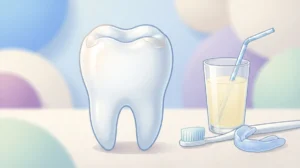
- A good toothbrush: Choose a soft-bristled brush that fits comfortably in your mouth. Replace it every three to four months or when the bristles look worn.
- Fluoride toothpaste: Look for toothpaste with the American Dental Association seal of approval. Fluoride strengthens your enamel and fights cavities.
- Dental floss: Floss removes food particles and plaque from between teeth where your toothbrush can’t reach. You can use traditional string floss or floss picks – whatever works best for you.
- Mouthwash: An antimicrobial rinse helps kill bacteria and freshens breath. Look for one that’s alcohol-free to avoid drying out your mouth.
Proper Brushing Technique
How you brush matters just as much as how often you brush. Many people rush through brushing without cleaning their teeth properly. Here’s the right way to do it:
Hold your toothbrush at a 45-degree angle to your gums. Use gentle, circular motions rather than harsh back-and-forth scrubbing. Brush the outer surfaces, inner surfaces, and chewing surfaces of all your teeth. Don’t forget to brush your tongue too – it holds bacteria that causes bad breath.
Spend at least two minutes brushing. Most people only brush for 30 to 45 seconds, which isn’t enough time to clean thoroughly. Set a timer or use a toothbrush with a built-in timer to make sure you’re brushing long enough.
Brush twice a day – once in the morning and once before bed. Brushing before bed is especially important because bacteria multiply in your mouth while you sleep. Never skip your nighttime brushing session.

Comparing Professional and At-Home Cleaning Results
Understanding how professional and at-home cleaning compare helps you make better decisions about your dental care. Let’s look at what each method can and can’t accomplish.
| Aspect | Professional Cleaning | At-Home Cleaning |
|---|---|---|
| Tartar Removal | Complete removal with specialized tools | Cannot remove hardened tartar |
| Plaque Removal | Reaches all areas including below gum line | Removes surface plaque only |
| Stain Removal | Removes deep stains effectively | Removes light surface stains over time |
| Problem Detection | Professional examination finds issues early | Limited ability to spot problems |
| Frequency Needed | Every 6 months for most people | Twice daily brushing and once daily flossing |
This comparison shows why you need both approaches. Professional cleaning handles the tough jobs your home routine can’t manage. Your daily cleaning prevents problems from developing between professional visits.

Common Mistakes in At-Home Teeth Cleaning
Even people who brush regularly often make mistakes that reduce the effectiveness of their cleaning routine. Avoiding these common errors will help you get better results from your home care.
Brushing Too Hard
Many people think scrubbing harder cleans better. This isn’t true. Brushing too hard damages your gums and wears away tooth enamel. Your gums may start to recede, exposing sensitive root surfaces. Use gentle pressure and let the bristles do the work.
Skipping the Floss
Flossing is just as important as brushing, yet many people skip it. Plaque builds up between teeth where your toothbrush can’t reach. This leads to cavities between teeth and gum disease. Make flossing a non-negotiable part of your daily routine.
Using an Old Toothbrush
Worn toothbrush bristles don’t clean effectively. They bend and fray, losing their ability to remove plaque. Change your toothbrush every three months or sooner if the bristles look worn. Mark your calendar so you don’t forget.
Rushing Through the Process
Taking shortcuts with your cleaning routine leaves plaque behind. Spend the full two minutes brushing and take time to floss carefully between every tooth. Your dental health is worth a few extra minutes each day.
Special Considerations for Families
Every family member has different dental cleaning needs. Children, adults, and seniors all require slightly different approaches to keep their teeth healthy.
Teeth Cleaning for Kids
Children need help developing good cleaning habits. Start cleaning your baby’s gums even before teeth appear. Once teeth come in, brush them gently with a soft brush and a tiny amount of fluoride toothpaste.
Young children don’t have the coordination to brush properly on their own. Parents should help with brushing until kids are about 7 or 8 years old. Make brushing fun by using a timer, playing music, or letting kids pick out their own toothbrush.
Professional cleanings for children are just as important as for adults. Pediatric dentistry services help kids feel comfortable with dental visits and teach them proper cleaning techniques. Dr. Pri specializes in making dental visits positive experiences for children, which helps them develop lifelong healthy habits.
Adult and Senior Dental Care
Adults face different challenges with teeth cleaning. Busy schedules make it tempting to rush through your routine. Work stress and lifestyle factors like coffee drinking require extra attention to cleaning.
As people age, dental care becomes even more important. Seniors may have arthritis that makes brushing difficult, or they might take medications that cause dry mouth. Electric toothbrushes can help people with limited hand mobility. Drinking plenty of water and using special dry mouth products helps combat medication side effects.
The Connection Between Teeth Cleaning and Overall Health
Keeping your teeth clean affects more than just your mouth. Research shows strong connections between oral health and your body’s overall health. Understanding these links makes teeth cleaning even more important.
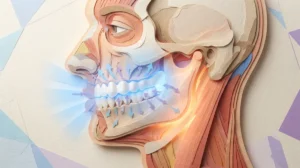
Gum disease has been linked to heart disease, diabetes, and stroke. Bacteria from your mouth can enter your bloodstream through inflamed gums. This triggers inflammation throughout your body, contributing to various health problems.
People with diabetes are more likely to develop gum disease. At the same time, gum disease makes it harder to control blood sugar levels. Regular teeth cleaning helps break this cycle and supports better diabetes management.
Pregnant women need to pay special attention to dental care. Hormonal changes during pregnancy increase the risk of gum disease. Studies suggest that gum disease may contribute to premature birth and low birth weight. Professional cleanings during pregnancy are safe and recommended.
Your Mouth as a Window to Your Health
Dental professionals can spot signs of other health problems during routine cleanings and exams. Changes in your mouth might indicate nutritional deficiencies, immune system problems, or even certain cancers. This makes regular dental visits an important part of your overall healthcare routine.
Cost Considerations and Insurance Coverage
Understanding the financial side of teeth cleaning helps you plan for proper dental care. Professional cleanings are an investment in your health, but they don’t have to break your budget.
| Service Type | Average Cost | Insurance Coverage |
|---|---|---|
| Routine Professional Cleaning | $75-200 | Usually covered 100% twice yearly |
| Deep Cleaning (Scaling and Root Planing) | $200-400 per quadrant | Often partially covered |
| At-Home Supplies (Monthly) | $10-20 | Not covered by insurance |
Most dental insurance plans cover routine cleanings completely. They recognize that preventive care saves money by avoiding expensive treatments later. If you don’t have insurance, Dental Theory offers an in-house membership plan that makes quality dental care affordable for everyone.
Skipping professional cleanings to save money usually costs more in the long run. Small problems become big problems when ignored. A cavity that could have been prevented with regular cleaning might eventually require a root canal and crown, costing thousands of dollars.
Advanced Cleaning Options and Technologies
Dental technology continues to advance, offering new ways to keep teeth clean and healthy. Understanding these options helps you make informed choices about your care.
Ultrasonic Cleaning
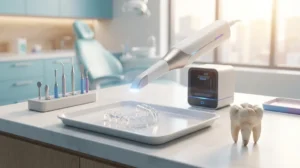
Many dental offices now use ultrasonic scalers during professional cleanings. These tools use high-frequency vibrations to break up tartar and plaque. They’re more comfortable than traditional scraping tools and often work faster. The vibrations also flush out bacteria from below the gum line.
Air Polishing
Air polishing uses a combination of water, air, and fine powder to clean and polish teeth. This method is gentler than traditional polishing and works well for people with sensitive teeth. It’s especially effective at removing stains from hard-to-reach areas.
Electric and Sonic Toothbrushes
For at-home care, electric toothbrushes offer advantages over manual brushing. Studies show they remove more plaque and reduce gum disease better than manual brushing. Sonic toothbrushes vibrate at very high speeds, creating fluid motion that cleans beyond where the bristles touch.
If you decide to use an electric toothbrush, look for one with a timer and pressure sensor. These features help you brush for the right amount of time without damaging your gums. Replace the brush heads every three months, just like you would replace a manual toothbrush.
Creating Your Personalized Cleaning Plan
Everyone’s mouth is different, which means everyone needs a slightly different approach to teeth cleaning. Work with your dental team to create a plan that fits your specific needs and lifestyle.
Consider these factors when developing your plan:
- Your current oral health: Do you have gum disease, cavities, or other issues that need extra attention?
- Your risk factors: Do you smoke, have diabetes, or take medications that affect your mouth?
- Your lifestyle: How often do you consume staining beverages or sugary foods?
- Your schedule: What cleaning routine will you actually stick to long-term?
Be honest with your dental team about challenges you face with cleaning. Maybe you struggle to remember to floss, or perhaps your work schedule makes it hard to brush after lunch. Your dentist can suggest practical solutions that work with your real life, not an ideal one.
When to Seek Professional Help
Between regular cleanings, pay attention to signs that you need professional care sooner. Don’t wait for your scheduled appointment if you notice any of these warning signs:
- Bleeding gums when you brush or floss
- Persistent bad breath that doesn’t improve with brushing
- Loose teeth or teeth that feel different when you bite
- Painful or swollen gums
- Sensitivity to hot or cold that lasts more than a few seconds
- Visible holes or dark spots on teeth
These symptoms might indicate problems that need immediate attention. Early treatment is usually simpler and less expensive than waiting until problems get worse. Contact Dental Theory right away if you experience any concerning symptoms.
Building Lifelong Healthy Habits
Good teeth cleaning habits formed now will serve you for the rest of your life. Think of dental care as a marathon, not a sprint. Consistency matters more than perfection.
Set yourself up for success by making cleaning convenient. Keep your toothbrush and floss where you’ll see them. If you travel frequently, pack a travel toothbrush in your bag so you’re never without one. Consider keeping supplies at work for midday cleaning.
Track your progress if that motivates you. Some people use apps that remind them to brush and track their cleaning streak. Others simply mark their calendar when they complete their dental care routine. Find what works for you and stick with it.
Remember that professional and at-home cleaning work together. Neither one alone provides complete protection. Your daily efforts between appointments keep your teeth and gums healthy. Professional cleanings tackle problems your home routine can’t handle. Together, they create a powerful defense against dental disease.
Don’t forget to visit us on Google to see what other patients say about their cleaning experiences at Dental Theory. Reading reviews from real people helps you understand what to expect and feel more comfortable about your dental care.
Taking the Next Step Toward a Healthier Smile
You now understand the important differences between professional and at-home teeth cleaning. Both are essential parts of maintaining excellent oral health. Professional cleanings remove buildup and detect problems early, while your daily routine prevents issues from developing.
The best approach combines regular professional care with consistent home cleaning. Brush twice daily for two minutes each time, floss once a day, and visit your dentist every six months. These simple habits protect your smile and support your overall health.
If it’s been more than six months since your last professional cleaning, now is the perfect time to schedule an appointment with Dental Theory. Our friendly team in Brandon, Florida, provides thorough, gentle cleanings in a comfortable, stress-free environment. We’ll work with you to develop a personalized care plan that fits your needs and helps you maintain a healthy, beautiful smile for years to come. Whether you need cosmetic dentistry services or simply want to keep your teeth clean and healthy, we’re here to help every step of the way.
FAQs
Q: How often should I get professional teeth cleaning?
A: Most people should get professional teeth cleaning every six months. However, if you have gum disease, a history of cavities, or other dental concerns, your dentist might recommend more frequent visits – sometimes every three to four months. Your dental team will create a schedule based on your individual needs and oral health condition.
Q: Can I skip professional cleaning if I brush and floss every day?
A: No, you can’t replace professional cleaning with at-home care alone. Even with excellent brushing and flossing, tartar still builds up in areas you can’t reach. Professional cleaning removes this hardened buildup and allows your dentist to check for problems early. Think of it as getting your car serviced – regular maintenance at home is great, but you still need professional check-ups.
Q: Does teeth cleaning hurt?
A: Most people find professional teeth cleaning comfortable and painless. You might feel some pressure during tartar removal, and sensitive areas might feel briefly uncomfortable. If you have sensitive teeth or anxiety about dental work, let your hygienist know beforehand. They can adjust their techniques or offer options to make you more comfortable during the cleaning.
Q: What’s the difference between regular cleaning and deep cleaning?
A: Regular cleaning removes plaque and tartar from above the gum line and polishes your teeth. Deep cleaning, also called scaling and root planing, goes below the gum line to remove bacteria and tartar from tooth roots. Deep cleaning is needed when you have gum disease and pockets have formed between your teeth and gums. Your dentist will recommend deep cleaning if regular cleaning isn’t enough to restore gum health.
Q: How long does professional teeth cleaning take?
A: A routine professional cleaning typically takes 30 to 60 minutes. The exact time depends on how much buildup you have and whether you need extra services like fluoride treatment. If it’s been a long time since your last cleaning, or if you have significant tartar buildup, the appointment might take longer. Your hygienist will work efficiently while being thorough to ensure your teeth are properly cleaned.