Key Takeaways
- Dental bridges effectively restore missing teeth, improving chewing, speaking, and overall oral function by creating a seamless replacement between healthy teeth.
- Different bridge types exist to suit various dental conditions, including traditional, cantilever, Maryland, and implant-supported bridges, each with unique benefits.
- Missing teeth can cause surrounding teeth to shift, potentially leading to bite problems, decay, and facial structure changes that bridges can prevent.
- Proper bridge maintenance requires consistent cleaning, special flossing techniques, and regular dental checkups to ensure long-term durability and health.
- A dental bridge not only restores functionality but also boosts confidence by providing a complete, natural-looking smile that supports facial muscles and appearance.
Have you ever wondered how dentists can fill the gap left by a missing tooth? If you’re dealing with tooth loss, you’re not alone. Millions of Americans face this challenge every year, and it can affect everything from your confidence to your ability to eat comfortably. That’s where dental bridges come in as a tried-and-true solution that’s been helping people restore their smiles for decades.
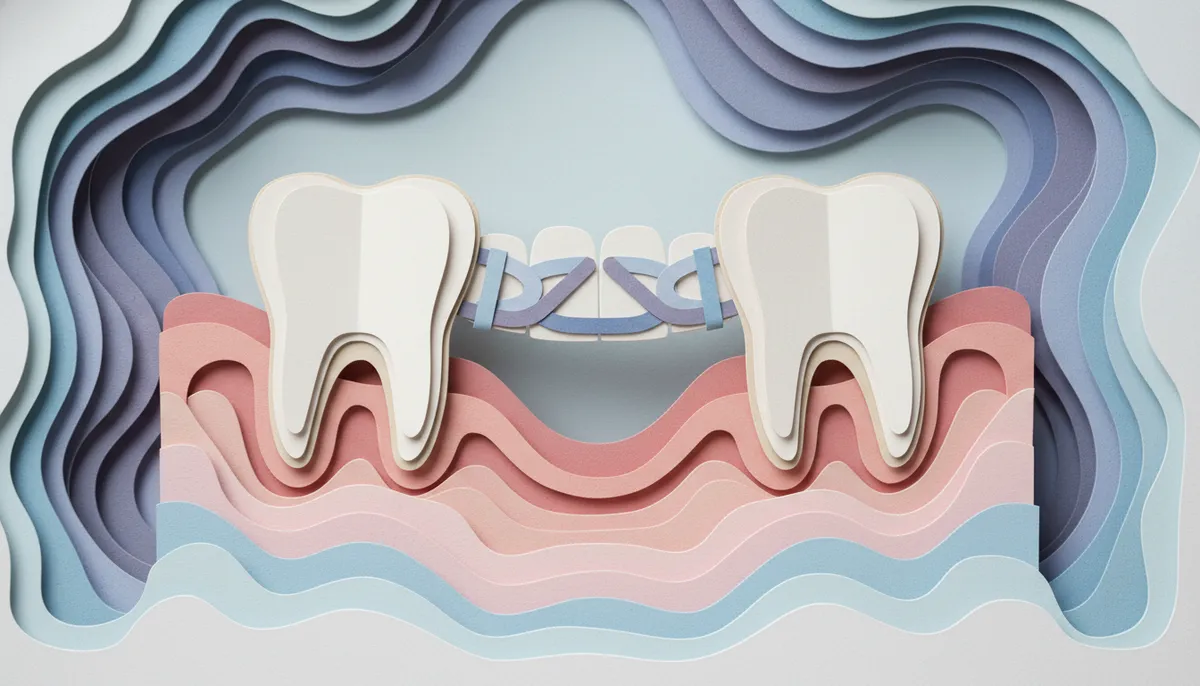
A dental bridge is a custom-made replacement tooth (or teeth) that literally bridges the gap created by one or more missing teeth. Think of it like a bridge over water—it connects two solid points and fills the space in between. In dentistry, those solid points are your natural teeth on either side of the gap, and the bridge creates a seamless, natural-looking replacement.
At Dental Theory in Brandon, Florida, we understand how important a complete, healthy smile is to your overall wellbeing. Whether you’ve lost a tooth due to decay, injury, or other reasons, a dental bridge might be the perfect solution to restore both function and appearance. Let’s explore everything you need to know about this popular restorative treatment.
Understanding the Different Types of Dental Bridges
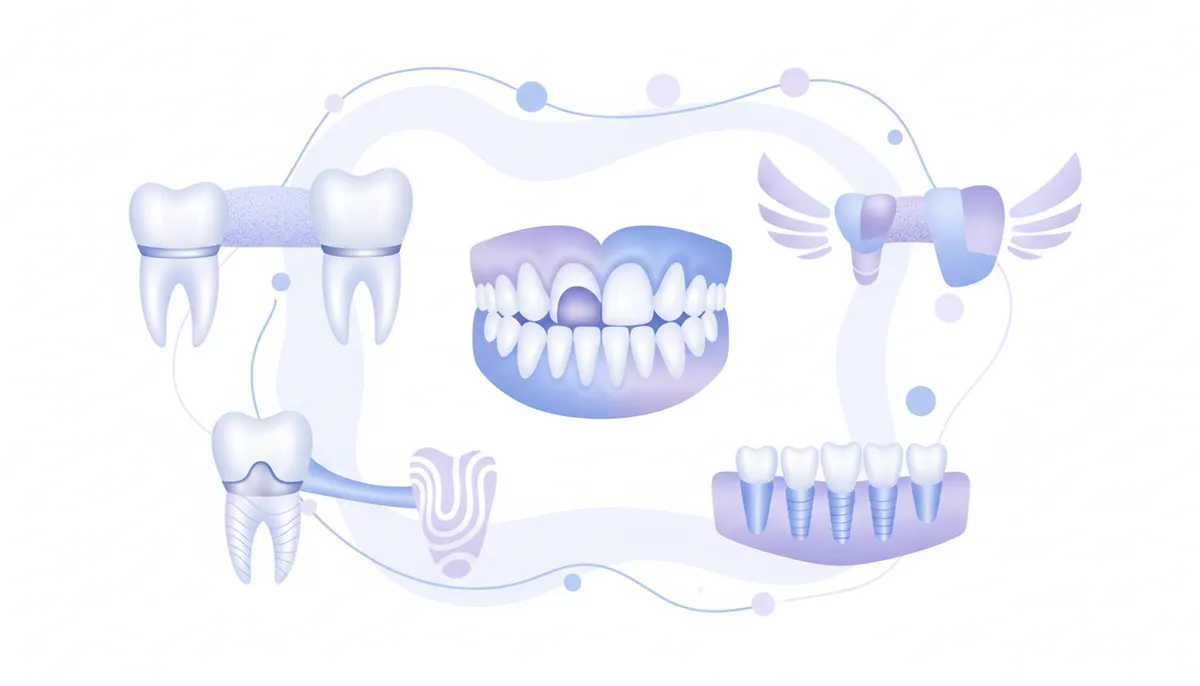
Not all dental bridges are created equal. Just like cars come in different models to suit different needs, dental bridges come in several types, each designed for specific situations. Choosing the right type depends on factors like the location of your missing tooth, the health of your surrounding teeth, and your budget.
Traditional Fixed Bridges
Traditional bridges are the most common type and have been used successfully for many years. This type uses your natural teeth on both sides of the gap as anchors (called abutment teeth). The dentist prepares these anchor teeth by removing some enamel to make room for crowns. These crowns hold the bridge firmly in place, with the replacement tooth (pontic) suspended between them.
Think of it like bookends holding books upright—the crowns on either side support the replacement tooth in the middle. Traditional bridges work best when you have strong, healthy teeth on both sides of the gap. They’re incredibly durable and can last 10 to 15 years or even longer with proper care.
Cantilever Bridges
What happens if you only have a healthy tooth on one side of the gap? That’s where cantilever bridges come in handy. These bridges are anchored to just one adjacent tooth instead of two. Picture a diving board—it’s only supported on one end but still functions perfectly.
Cantilever bridges work well for specific situations, particularly for teeth in the front of your mouth where there’s less chewing pressure. However, they’re not ideal for back teeth because the force from chewing could damage the single anchor tooth over time.
Maryland Bonded Bridges
Maryland bridges offer a more conservative approach that preserves more of your natural tooth structure. Instead of using full crowns on the adjacent teeth, this type uses a metal or porcelain framework that bonds to the back of your existing teeth. It’s like using tape instead of nails—less invasive but still effective.
These bridges work best for front teeth where appearance matters and chewing forces are lighter. The biggest advantage is that your dentist doesn’t need to remove as much enamel from your natural teeth. However, they’re generally not as strong as traditional bridges.
Implant-Supported Bridges
For patients looking for the most stable and long-lasting option, implant-supported bridges represent the gold standard. Instead of relying on natural teeth, these bridges are anchored to dental implants surgically placed in your jawbone. Imagine building a bridge with its own foundation rather than depending on existing structures.
This option is especially valuable when you’re missing several teeth in a row or when the teeth next to the gap aren’t strong enough to support a traditional bridge. Implant-supported bridges can last a lifetime with proper care and help preserve your jawbone, preventing the bone loss that often follows tooth loss.
How Does the Dental Bridge Procedure Work?
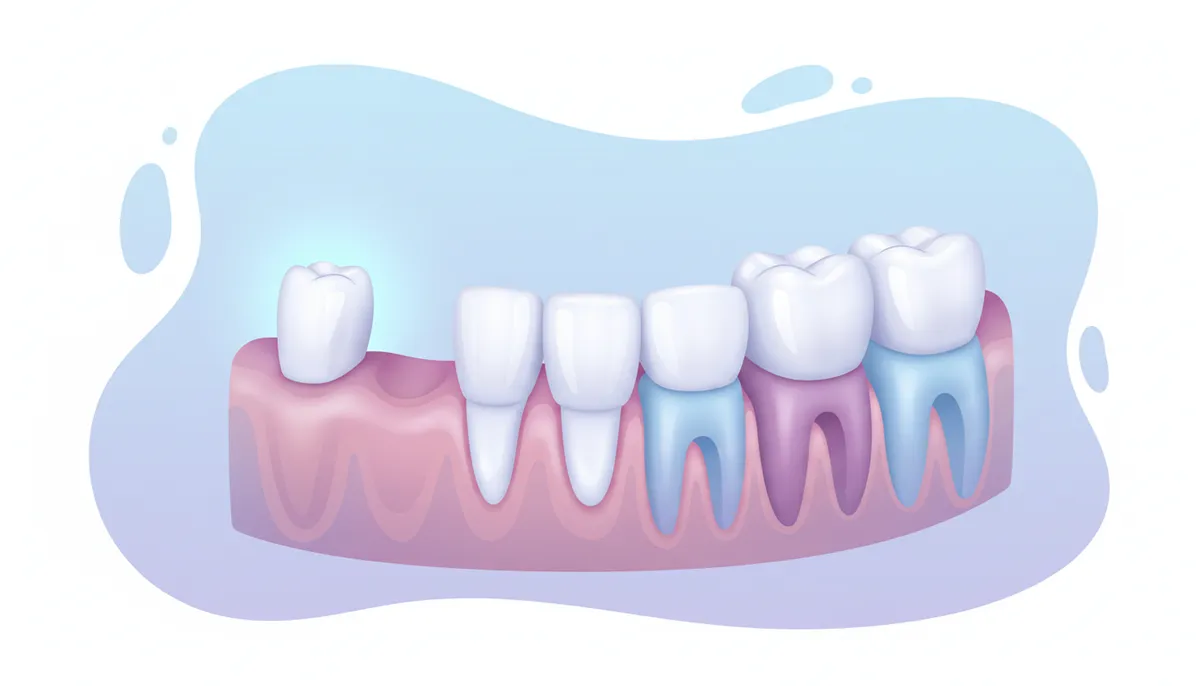
Getting a dental bridge typically requires two to three visits to your dentist, though the exact timeline can vary. Understanding what to expect helps ease any anxiety and lets you plan accordingly. Here’s a step-by-step breakdown of what happens during the process.
Initial Consultation and Examination
Your journey begins with a thorough examination. Your dentist will assess the health of your teeth and gums, take X-rays, and discuss your goals and concerns. This is your chance to ask questions and learn which type of bridge works best for your situation.
During this visit, your dentist will also check whether the teeth adjacent to the gap are healthy enough to support a bridge. If there are any issues like decay or gum disease, those will need treatment first. Think of it like making sure a foundation is solid before building a house.
Tooth Preparation and Impressions
At your second appointment, your dentist prepares the anchor teeth by removing a small amount of enamel. This creates room for the crowns that will hold your bridge. Don’t worry—local anesthesia keeps you comfortable throughout the process.
After preparing the teeth, your dentist takes detailed impressions of your teeth. These impressions are like blueprints that the dental lab uses to create your custom bridge. Your dentist will also determine the right shade to match your natural teeth, ensuring your bridge looks completely natural.
Before you leave, you’ll receive a temporary bridge to protect your prepared teeth and maintain your appearance while the permanent bridge is being made. This temporary solution helps you eat and speak normally during the waiting period.
Bridge Placement
Once your permanent bridge is ready (usually within two to three weeks), you’ll return for the final appointment. Your dentist removes the temporary bridge and carefully checks the fit and appearance of your new permanent bridge.
The bridge may need minor adjustments to ensure perfect fit and comfort. Once everything looks and feels right, your dentist permanently cements the bridge in place. You’ll leave with a complete, natural-looking smile that functions just like your original teeth.
| Appointment | Purpose | Duration | What Happens |
|---|---|---|---|
| Visit 1 | Consultation | 30-60 minutes | Examination, X-rays, treatment planning |
| Visit 2 | Preparation | 1-2 hours | Tooth preparation, impressions, temporary bridge placement |
| Visit 3 | Placement | 30-60 minutes | Permanent bridge fitting and cementing |
The Benefits of Choosing a Dental Bridge
Why do so many people choose dental bridges to replace missing teeth? The advantages go far beyond just filling a gap. Dental bridges offer both functional and aesthetic benefits that can significantly improve your quality of life.
Restored Chewing and Speaking Ability
Missing teeth make it difficult to chew certain foods properly, which can limit your diet and affect your nutrition. Tough meats, crunchy vegetables, and other healthy foods might become off-limits. A dental bridge restores your ability to eat virtually anything you want.
Speech can also be affected by missing teeth, especially front teeth. Certain sounds require your tongue to touch your teeth, and gaps can cause whistling or slurring. Bridges fill these gaps, helping you speak clearly and confidently.
Preventing Teeth from Shifting
Here’s something many people don’t realize: when you lose a tooth, the surrounding teeth don’t just stay put. They gradually shift toward the empty space, like dominos slowly falling. This shifting can cause:
- Bite problems and jaw pain
- Increased risk of tooth decay and gum disease
- Difficulty cleaning between crooked teeth
- Changes to your facial structure
- Additional tooth loss over time
A dental bridge acts like a placeholder, keeping your other teeth in their proper positions and maintaining the integrity of your bite.
Maintaining Your Facial Structure
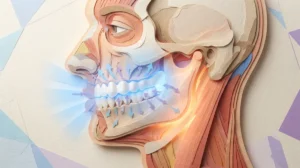
Your teeth play a crucial role in supporting your facial muscles and maintaining your face shape. When teeth are missing, you may notice your cheeks start to look sunken or hollow, making you appear older than you are.
Dental bridges help preserve your natural facial contours by providing the support your facial muscles need. This keeps you looking more youthful and prevents the premature aging that often accompanies tooth loss.
Boosting Confidence and Self-Esteem
Let’s be honest—missing teeth can make you feel self-conscious about your smile. You might find yourself covering your mouth when you laugh or avoiding photos altogether. A dental bridge restores your complete smile, giving you back the confidence to smile freely without embarrassment.
The psychological benefits of a complete smile shouldn’t be underestimated. Studies show that people with confident smiles are perceived as more successful, friendly, and trustworthy. Your smile is often the first thing people notice about you.
Comparing Dental Bridges to Other Tooth Replacement Options
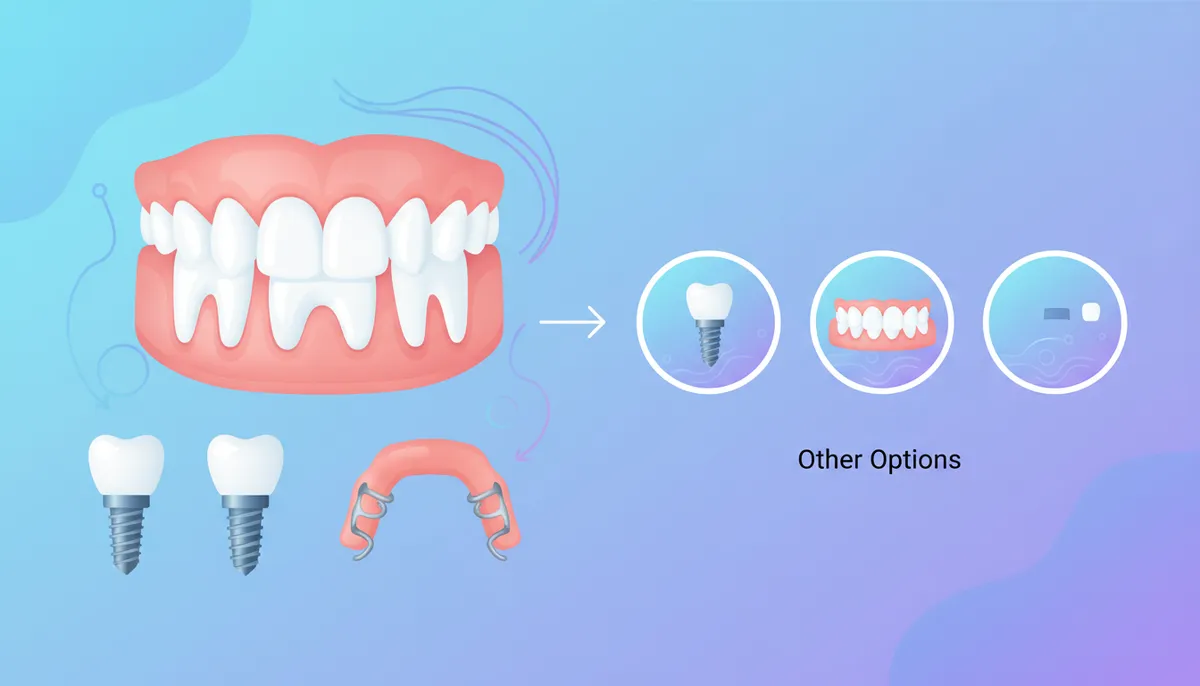
When you’re missing teeth, bridges aren’t your only option. It’s worth understanding how bridges compare to other solutions so you can make an informed decision about what’s best for your situation.
| Option | Durability | Cost Range | Treatment Time | Best For |
|---|---|---|---|---|
| Dental Bridge | 10-15 years | $2,000-$5,000 | 2-3 weeks | 1-3 missing teeth with healthy adjacent teeth |
| Dental Implant | Lifetime | $3,000-$6,000 per tooth | 3-6 months | Any number of missing teeth, best long-term solution |
| Partial Denture | 5-8 years | $700-$1,800 | 1-2 weeks | Multiple missing teeth, budget-conscious patients |
Bridges vs. Dental Implants
Dental implants represent the most advanced tooth replacement technology available today. They replace both the root and crown of your missing tooth, offering unmatched stability and durability. However, implants require surgery and a longer healing period.
Bridges offer several advantages over implants in certain situations. They’re typically less expensive, require no surgery, and can be completed much faster. If you have healthy adjacent teeth that could benefit from crowns anyway, a bridge might be the more practical choice.
However, implants don’t require altering your adjacent teeth and can help preserve your jawbone. If you’re missing multiple teeth or want the longest-lasting solution, implants might be worth the extra investment and time.
Bridges vs. Partial Dentures
Partial dentures are removable appliances that replace missing teeth. They’re the most affordable option and work well when multiple teeth are missing. However, they’re also the least stable and comfortable option.
Unlike dentures, bridges are permanently fixed in your mouth—they don’t slip, click, or need to be removed for cleaning. Many people prefer bridges because they feel and function more like natural teeth. You don’t need to worry about your teeth moving when you eat or speak.
Caring for Your Dental Bridge: Essential Maintenance Tips
Once you’ve invested in a dental bridge, proper care ensures it lasts as long as possible. The good news is that maintaining a bridge isn’t complicated—it just requires consistency and attention to detail.
Daily Cleaning Routine
Brushing twice daily remains essential, but you’ll need to pay special attention to the area around your bridge. Use a soft-bristled toothbrush and fluoride toothpaste, making sure to clean all surfaces of the bridge and the teeth supporting it.
Flossing becomes a bit trickier with a bridge since the replacement tooth is attached to the crowns. Special floss threaders or interdental brushes help you clean underneath the bridge where food particles can accumulate. Your dentist or hygienist can demonstrate the proper technique during your visit.
Foods to Approach with Caution
While bridges are quite durable, certain foods can potentially damage them. Here’s what to be careful with:
- Hard candies and ice that could crack the porcelain
- Sticky foods like caramel or taffy that might loosen the bridge
- Very tough meats that require excessive chewing force
- Popcorn kernels that can get stuck under the bridge
This doesn’t mean you can never enjoy these foods—just be mindful and chew carefully. Cutting food into smaller pieces can help reduce stress on your bridge.
Regular Dental Checkups
Professional dental cleanings every six months are crucial for maintaining your bridge. Your hygienist can clean areas you might miss and check for any signs of problems like decay in the supporting teeth or gum disease.
At Dental Theory, we provide comprehensive care to ensure your bridge stays in excellent condition. Regular checkups allow us to catch and address any issues before they become serious problems.
Signs Your Bridge Needs Attention
Watch for these warning signs that indicate you should schedule an appointment:
- Sensitivity or pain around the bridge
- The bridge feels loose or moves slightly
- Swollen or bleeding gums near the bridge
- Bad taste or odor coming from the area
- Visible gaps between the bridge and your gum
- Difficulty chewing on the side with the bridge
Addressing these issues promptly can often prevent more extensive and expensive treatments down the road. Think of it like maintaining a car—small problems are easier and cheaper to fix than major breakdowns.
Cost Considerations and Insurance Coverage
Understanding the financial aspect of dental bridges helps you plan and make informed decisions. While bridges represent a significant investment, they’re often more affordable than you might think, especially when you consider their longevity.
What Affects the Cost of a Dental Bridge?
Several factors influence the total cost of your dental bridge:
- Type of bridge (traditional, cantilever, Maryland, or implant-supported)
- Materials used (porcelain, ceramic, metal, or a combination)
- Number of teeth being replaced
- Geographic location and local market rates
- Complexity of your case
- Any additional procedures needed (like extractions or gum treatment)
Generally, you can expect to pay between $2,000 and $5,000 for a traditional bridge. Maryland bridges tend to be slightly less expensive, while implant-supported bridges cost more due to the implant surgery involved.
Insurance and Payment Options
Good news: many dental insurance plans cover at least a portion of dental bridge costs since they’re considered a necessary restorative procedure. Coverage typically ranges from 50% to 80% after you meet your deductible.
For patients without insurance or those looking for more affordable options, Dental Theory offers an in-house membership plan that provides significant savings on restorative procedures like bridges. This plan can help make quality dental care more accessible and budget-friendly.
Many dental offices also offer payment plans that let you spread the cost over several months, making bridges more manageable for your budget. Don’t let cost concerns prevent you from exploring your options—financing solutions can make treatment more affordable than you think.
Common Myths About Dental Bridges Debunked
There’s a lot of misinformation floating around about dental bridges. Let’s separate fact from fiction so you can make decisions based on accurate information.
Myth: Bridges Look Fake and Obvious
Modern dental bridges are incredibly natural-looking. Advances in materials and techniques mean that today’s bridges match the color, shape, and translucency of your natural teeth. Most people won’t be able to tell you have a bridge unless you tell them.
Your dentist works carefully to ensure the bridge blends seamlessly with your smile. The shade is custom-matched to your existing teeth, and the shape is designed to complement your facial features.
Myth: Getting a Bridge Is Painful
Thanks to local anesthesia, the bridge procedure itself is virtually painless. You might feel some pressure during tooth preparation, but you shouldn’t experience pain. After the anesthesia wears off, you might have some mild sensitivity or soreness, but this typically resolves within a few days.
Over-the-counter pain relievers usually handle any discomfort during the healing period. Most patients are surprised by how easy and comfortable the process is.
Myth: Bridges Require Complicated Maintenance
As mentioned earlier, caring for a bridge isn’t much different from caring for natural teeth. You still brush, floss (with a slight modification), and visit your dentist regularly. With proper care, your bridge can last 10 to 15 years or longer—that’s a great return on your investment.
Is a Dental Bridge Right for You?
Deciding whether a dental bridge is the right choice depends on your specific situation. Generally, you’re a good candidate for a bridge if:
- You’re missing one to three teeth in a row
- The teeth on either side of the gap are strong and healthy
- You have good overall oral health
- You want a permanent, non-removable solution
- You prefer a faster treatment timeline than implants require
- You’re looking for a cost-effective tooth replacement option
However, bridges might not be the best choice if the teeth next to the gap are weak, decayed, or already have large fillings. In these cases, implants might be a better long-term solution since they don’t rely on adjacent teeth for support.
The only way to know for sure which option is best for you is to consult with an experienced dentist. At Dental Theory, Dr. K specializes in cosmetic dentistry and restorative treatments, providing expert guidance tailored to your unique needs and goals.
The Impact of Missing Teeth on Your Overall Health
It’s important to understand that replacing missing teeth isn’t just about appearance—it’s about protecting your overall health. Research shows strong connections between oral health and general wellbeing.
Missing teeth can contribute to:
- Nutritional deficiencies from inability to eat certain healthy foods
- Digestive problems from inadequate chewing
- Increased risk of heart disease (linked to gum disease)
- Bone loss in the jaw
- Headaches and TMJ problems from bite misalignment
By replacing missing teeth with a bridge, you’re not just improving your smile—you’re investing in your long-term health and quality of life. It’s one of the most impactful things you can do for your overall wellbeing.
Take the First Step Toward a Complete Smile
Living with missing teeth doesn’t have to be your reality. Dental bridges offer a proven, reliable solution that can restore both the function and beauty of your smile. Whether you’ve been dealing with tooth loss for years or recently lost a tooth, it’s never too late to explore your options.
The journey to a complete smile starts with a conversation. If you’re in the Brandon, Florida area and want to learn more about how a dental bridge could change your life, reach out to Dental Theory today. Our friendly team is here to answer your questions, address your concerns, and help you find the perfect solution for your smile.
Don’t let missing teeth hold you back from living your best life. With modern dentistry and caring professionals like those at Dental Theory, you can enjoy a confident, complete smile that lets you eat, speak, and laugh without worry. Your smile transformation is just one appointment away. Why not take that first step today? Visit us on Google to see what our patients have to say about their experiences, and discover why families throughout Brandon trust us with their dental care.
FAQs
Q: How long do dental bridges typically last?
A: With proper care and regular dental checkups, dental bridges typically last between 10 and 15 years. Some bridges can last even longer, depending on the quality of materials used, your oral hygiene habits, and the health of the supporting teeth. Regular brushing, flossing, and professional cleanings help maximize the lifespan of your bridge.
Q: Does getting a dental bridge hurt?
A: The bridge procedure itself is not painful because your dentist uses local anesthesia to numb the area completely. After the anesthesia wears off, you might experience some mild sensitivity or soreness around the prepared teeth, but this usually subsides within a few days. Over-the-counter pain relievers typically manage any discomfort during recovery.
Q: Can I eat normally with a dental bridge?
A: Yes, you can eat normally with a dental bridge once you adjust to it, which usually takes just a few days. In fact, bridges restore your ability to chew properly and enjoy foods that might have been difficult with missing teeth. Just avoid extremely hard or sticky foods that could potentially damage the bridge, and cut tough foods into smaller pieces.
Q: Will my dental insurance cover a bridge?
A: Most dental insurance plans cover at least a portion of dental bridge costs since they’re considered a necessary restorative procedure rather than purely cosmetic. Coverage typically ranges from 50% to 80% after you meet your annual deductible. Check with your insurance provider for specific details about your plan, or ask our team at Dental Theory to help verify your benefits.
Q: What’s the difference between a dental bridge and a dental implant?
A: A dental bridge uses your adjacent natural teeth as anchors to support a replacement tooth, while a dental implant is surgically placed into your jawbone to replace the tooth root. Bridges are faster and less expensive but require altering healthy teeth. Implants take longer and cost more but don’t affect adjacent teeth and can last a lifetime with proper care.