
Key Takeaways
-
Full-mouth dental implants permanently replace an entire arch of missing teeth using 4-8 titanium posts that fuse with the jawbone.
-
Ideal candidates have lost most teeth, are in good health, and have sufficient bone density for implant placement.
-
The treatment process spans several months, involving consultation, implant surgery, healing, and final prosthetic attachment.
-
Unlike traditional dentures, implants provide 95% chewing power, prevent bone loss, and feel like natural teeth.
-
Costs range from $20,000-$50,000 per arch, with financing options and potential insurance coverage available.
-
Proper aftercare involves daily brushing, flossing, and regular dental checkups to maintain implant health and longevity.
Losing most or all of your teeth can feel overwhelming and affect every part of your daily life. From eating your favorite foods to smiling confidently in photos, tooth loss changes how you interact with the world. Full-mouth dental implants offer a permanent, life-changing solution that restores not just your teeth, but your confidence and quality of life. Unlike traditional dentures that slip and slide, full-mouth implants provide a stable, natural-looking smile that functions just like your original teeth.
Full-mouth dental implants represent one of the most advanced solutions in modern dentistry. This comprehensive treatment replaces an entire arch of missing teeth using strategically placed titanium posts that fuse with your jawbone. The result is a permanent, beautiful smile that lets you eat, speak, and laugh without worry. Whether you’ve lost teeth due to decay, gum disease, or injury, this treatment can give you back the smile you deserve.
If you’re considering full-mouth restoration, understanding the process, benefits, and what to expect can help you make an informed decision. Let’s explore everything you need to know about full-mouth dental implants and how they can transform your life.

What Are Full-Mouth Dental Implants?
Full-mouth dental implants are a complete tooth replacement system that uses dental implants to support a full arch of artificial teeth. Instead of replacing each tooth individually, this approach uses four to eight implants per arch to support a custom-made prosthetic that contains all your teeth. This technique is often called “All-on-4” or “All-on-6” depending on how many implants are used.
The implants themselves are small titanium posts that are surgically placed into your jawbone. Titanium is used because it’s biocompatible, meaning your body accepts it naturally. Over several months, these posts fuse with your bone through a process called osseointegration. This creates an incredibly strong foundation for your new teeth.
Unlike traditional dentures that rest on your gums and rely on adhesives, implant-supported teeth are permanently fixed in place. They don’t slip when you eat or talk, and you don’t need to remove them for cleaning. The prosthetic teeth attached to the implants are custom-designed to match your facial structure and desired appearance, giving you a natural-looking smile.
Types of Full-Mouth Implant Solutions
Several approaches exist for full-mouth restoration, and your dentist will recommend the best option based on your specific needs:
- All-on-4: Uses four implants per arch, positioned at specific angles to maximize support and avoid areas with bone loss
- All-on-6: Uses six implants per arch for additional stability, ideal for patients with better bone density
- All-on-8: Uses eight implants per arch for maximum support and durability, suitable for patients seeking the strongest foundation
- Individual Implants: Each tooth is replaced with its own implant, providing the most natural result but requiring excellent bone density throughout

Who Is a Good Candidate for Full-Mouth Dental Implants?
Full-mouth dental implants work wonderfully for many people, but certain factors determine whether you’re a good candidate. The ideal candidate has lost most or all teeth in one or both arches and wants a permanent, stable solution. You should be in good overall health, as the procedure requires surgery and healing time.
Your jawbone density plays a critical role in implant success. The implants need sufficient bone to anchor securely. If you’ve had missing teeth for several years, your jawbone may have deteriorated. This happens because when teeth are missing, the bone that once supported them begins to break down. Fortunately, bone grafting procedures can often rebuild lost bone and make you eligible for implants.
Good candidates also maintain excellent oral hygiene and are committed to caring for their implants long-term. Gum disease must be treated before implant placement, as healthy gums are essential for implant success. If you’re a smoker, you may need to quit or reduce smoking significantly, as tobacco use increases the risk of implant failure.
Health Conditions to Consider
Certain medical conditions require special consideration before getting full-mouth implants:
- Diabetes: Well-controlled diabetes generally doesn’t prevent implant treatment, but uncontrolled blood sugar can affect healing and increase infection risk
- Osteoporosis: Bone density medications may affect healing, so discussing your medications with your dentist is important
- Heart conditions: Some heart problems may require antibiotic prophylaxis before dental surgery
- Autoimmune disorders: Conditions affecting the immune system may impact healing and need to be managed carefully

The Full-Mouth Dental Implant Process
Understanding what happens during full-mouth implant treatment helps you prepare mentally and physically for the journey ahead. The process typically spans several months and involves multiple appointments. While this might seem lengthy, each step ensures the best possible outcome for your new smile.
Your journey begins with a comprehensive consultation where your dentist examines your mouth, takes X-rays and 3D scans, and discusses your goals. These images help create a detailed treatment plan customized to your anatomy. Your dentist will explain which type of implant solution best suits your needs and what you can expect throughout treatment.
| Treatment Phase | Timeline | What Happens |
|---|---|---|
| Initial Consultation | Week 1 | Examination, imaging, treatment planning |
| Tooth Extraction (if needed) | Week 2-4 | Removal of damaged teeth, healing period |
| Implant Placement Surgery | Week 4-6 | Surgical placement of implant posts |
| Healing Period | 3-6 months | Osseointegration (bone fusion) |
| Final Restoration | Month 6+ | Attachment of permanent prosthetic teeth |
Step-by-Step Treatment Timeline
Here’s what you can expect during each phase of your full-mouth implant journey:
- Comprehensive Evaluation: Your dentist reviews your medical history, examines your teeth and gums, and uses advanced imaging to assess bone density and plan implant placement
- Treatment Planning: A customized plan is created showing exactly where implants will be placed and what your final smile will look like
- Preparatory Procedures: If needed, tooth extractions, bone grafting, or gum disease treatment are completed first
- Implant Surgery: Under sedation or anesthesia, titanium posts are precisely placed in your jawbone according to the treatment plan
- Temporary Teeth: In many cases, temporary teeth are attached the same day so you’re never without teeth
- Healing Phase: Over the next several months, implants fuse with your bone while you wear temporary prosthetics
- Final Restoration: Once healing is complete, your custom-made permanent prosthetic is attached to the implants

Benefits of Full-Mouth Dental Implants
The advantages of full-mouth dental implants extend far beyond just having teeth again. This treatment offers benefits that impact your health, appearance, and overall quality of life. Unlike traditional dentures, which only replace the visible part of your teeth, implants replace both the roots and crowns, providing comprehensive restoration.
One of the most significant benefits is improved eating ability. With traditional dentures, many people struggle to eat crunchy, chewy, or tough foods. Full-mouth implants function like natural teeth, allowing you to bite and chew with normal force. You can enjoy apples, steaks, corn on the cob, and all the foods you’ve been missing without fear of your teeth slipping or breaking.
Speech improvement is another major advantage. Traditional dentures can slip while talking, causing slurred words or clicking sounds. Since implant-supported teeth are fixed in place, you can speak clearly and confidently. Many patients report feeling like they have their natural teeth back, which dramatically boosts their self-esteem.
Long-Term Health Benefits
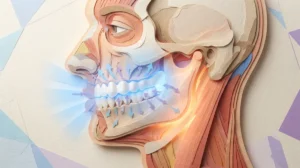
- Bone Preservation: Implants stimulate your jawbone just like natural tooth roots, preventing the bone loss that occurs with missing teeth or traditional dentures
- Facial Structure Support: By maintaining bone volume, implants help preserve your facial structure and prevent the sunken appearance that comes with tooth loss
- Improved Nutrition: Being able to eat a wider variety of foods means better nutrition and overall health
- No Gum Irritation: Unlike dentures that can rub and create sore spots, implant-supported teeth don’t irritate your gums
- Better Oral Health: Individual teeth can be cleaned normally, reducing the risk of gum disease and decay in any remaining natural teeth
- Durability: With proper care, dental implants can last decades or even a lifetime, making them a long-term investment in your health
Full-Mouth Implants vs. Traditional Dentures
Choosing between full-mouth implants and traditional dentures represents a major decision. Understanding the differences helps you make the choice that best fits your lifestyle, budget, and goals. Both options replace missing teeth, but they do so in very different ways with different outcomes.
Traditional dentures are removable appliances that rest on your gums. They’re held in place by suction, adhesives, or a combination of both. While they’re more affordable initially, they come with significant limitations. Dentures reduce chewing power by about 70% compared to natural teeth, limiting what you can eat. They require daily removal for cleaning and can slip during eating or speaking.
| Feature | Full-Mouth Implants | Traditional Dentures |
|---|---|---|
| Stability | Permanently fixed, never move | Can slip and shift |
| Chewing Power | 95% of natural teeth | 30% of natural teeth |
| Bone Preservation | Prevents bone loss | Allows bone deterioration |
| Maintenance | Brush like natural teeth | Remove daily for cleaning |
| Lifespan | 20+ years to lifetime | 5-8 years before replacement |
| Initial Cost | Higher upfront investment | Lower initial cost |
Full-mouth implants provide stability and functionality that dentures simply can’t match. You never remove them, and they feel and function like your natural teeth. This permanence gives many patients a huge psychological boost, as they don’t think about their teeth throughout the day. The investment is higher initially, but when you factor in the longevity and quality of life improvements, implants often provide better value over time.
Cost Considerations and Financing Options
The cost of full-mouth dental implants represents a significant investment in your health and wellbeing. Understanding pricing helps you plan financially and make an informed decision. While costs vary based on location, the dentist’s experience, and your specific needs, you can expect to invest between $20,000 and $50,000 per arch for comprehensive treatment.
Several factors influence the final cost. The number of implants needed affects pricing, with All-on-4 typically costing less than All-on-8. If you need preparatory procedures like tooth extractions, bone grafting, or gum disease treatment, these add to the total. The materials used for your final prosthetic also impact cost, with options ranging from acrylic to porcelain to zirconia.
Many dental practices, including general dentistry offices, offer financing options to make treatment more accessible. Payment plans allow you to spread the cost over time with monthly installments. Third-party healthcare financing companies often provide low or no-interest options for qualified patients. Some practices also offer in-house financing with flexible terms.
Insurance and Payment Options
- Dental insurance may cover a portion of the cost, particularly if tooth loss affects your ability to eat or speak
- Health Savings Accounts (HSAs) and Flexible Spending Accounts (FSAs) can be used for implant treatment
- Many practices accept CareCredit, LendingClub, and other healthcare financing options
- Some dentists offer discounts for paying in full upfront or for treating both arches simultaneously
- An in-house membership plan may provide savings on implant procedures and related treatments
Recovery and Aftercare
Recovery from full-mouth implant surgery is easier than many patients expect, though everyone’s experience varies slightly. Understanding what to expect helps you prepare and ensures smooth healing. Most patients can return to normal activities within a few days, though complete healing takes several months as the implants fuse with your bone.
Immediately after surgery, you’ll experience some swelling, bruising, and discomfort. This is completely normal and typically peaks around day three before gradually improving. Your dentist will prescribe pain medication to keep you comfortable during the initial healing phase. Applying ice packs to your face in 20-minute intervals helps reduce swelling during the first 48 hours.
Diet modifications are necessary during the healing period. For the first few days, stick to soft foods and liquids like smoothies, yogurt, mashed potatoes, and soup. Gradually introduce more solid foods as healing progresses, but avoid hard, crunchy, or chewy foods for several weeks. Your temporary prosthetic allows you to eat reasonably normally, but being gentle protects your healing implants.
Daily Care for Your New Smile
Once your permanent prosthetic is in place, caring for your full-mouth implants is straightforward. While the teeth themselves can’t get cavities, the gum tissue around implants needs attention to prevent infection. Proper care ensures your implants last for decades.
- Brush twice daily: Use a soft-bristled toothbrush to clean your implant-supported teeth just like natural teeth, paying special attention to where the prosthetic meets your gums
- Floss daily: Special floss threaders or water flossers help clean around and under your prosthetic
- Use antimicrobial rinse: Rinsing with an alcohol-free antimicrobial mouthwash helps prevent gum disease around implants
- Attend regular checkups: Professional cleanings and examinations every six months monitor implant health and catch any issues early
- Avoid harmful habits: Don’t chew ice, bite your nails, or use your teeth as tools, as these can damage your prosthetic
Why Choose Dental Theory for Your Full-Mouth Restoration
When you’re considering a life-changing treatment like full-mouth dental implants, choosing the right dental practice makes all the difference. Dental Theory in Brandon, Florida, combines advanced technology with compassionate care to deliver outstanding results. The practice focuses on creating a stress-free experience while providing comprehensive dental services for the entire family.
The team at Dental Theory understands that every patient’s situation is unique. They take time to listen to your concerns, answer your questions thoroughly, and create a customized treatment plan that addresses your specific needs and goals. This personalized approach ensures you’re comfortable and confident throughout your journey to a new smile.
With a convenient location in Brandon and a commitment to using the latest dental technology, Dental Theory provides exceptional care in a welcoming environment. The practice has earned a 5-star rating on Healthgrades.com, reflecting their dedication to patient satisfaction and quality outcomes. You can also visit us on Facebook to see real patient testimonials and stay updated on the latest practice news.
Beyond technical expertise, what sets Dental Theory apart is the genuine care they provide. The team treats every patient like family, creating an atmosphere where you feel valued and supported. From your first consultation through your final restoration and beyond, you’ll receive attentive, personalized care that makes your comfort and satisfaction the top priority.
Transform Your Life with a Complete Smile
Full-mouth dental implants represent more than just a dental treatment—they’re a pathway to renewed confidence and improved quality of life. The ability to eat whatever you want, speak clearly, and smile without self-consciousness changes how you interact with the world. While the process requires time and investment, the results are truly life-changing.
If you’re living with significant tooth loss or struggling with uncomfortable dentures, full-mouth implants might be the solution you’ve been seeking. Modern dental technology has made this treatment more accessible and predictable than ever before. With proper planning, skilled placement, and diligent aftercare, your new teeth can last for decades.
Taking the first step toward your new smile starts with education and consultation. Learning about your options, understanding the process, and asking questions helps you make the best decision for your unique situation. Whether you’re dealing with tooth loss from decay, gum disease, or injury, full-mouth implants can restore both function and aesthetics beautifully.
The investment you make in full-mouth dental implants pays dividends in health, confidence, and happiness for years to come. Don’t let missing teeth hold you back from living your best life. Modern dentistry offers solutions that truly work, giving you back the smile you deserve and the freedom to enjoy all your favorite foods and activities.
Ready to explore whether full-mouth dental implants are right for you? The caring team at Dental Theory in Brandon, Florida, is here to help. They’ll evaluate your specific situation, answer all your questions, and create a personalized treatment plan designed to achieve your smile goals. You can schedule an appointment to begin your journey toward a complete, confident smile. Additionally, you can visit us on Google to read reviews from satisfied patients and learn more about how Dental Theory has transformed smiles throughout the Brandon community. Don’t wait another day to start your transformation—reach out to Dental Theory and take the first step toward the smile you’ve always wanted.
FAQs
Q: How long do full-mouth dental implants last?
A: With proper care and maintenance, full-mouth dental implants can last 20 years or even a lifetime. The titanium implant posts themselves are extremely durable and rarely need replacement. The prosthetic teeth attached to the implants may need to be replaced after 10-15 years due to normal wear, but this is a much simpler procedure than the original implant placement.
Q: Is the full-mouth dental implant procedure painful?
A: Most patients report that the procedure is much less painful than they expected. You’ll be under sedation or anesthesia during surgery, so you won’t feel anything during the actual placement. Afterward, you’ll experience some discomfort and swelling, similar to having several teeth extracted, but pain medication keeps this manageable. Most patients return to normal activities within a few days and say the temporary discomfort was absolutely worth the life-changing results.
Q: Can I eat normally with full-mouth dental implants?
A: Yes! Once fully healed, you can eat virtually anything you want with full-mouth implants. Unlike traditional dentures that limit your diet to soft foods, implant-supported teeth function almost exactly like natural teeth. You’ll be able to bite into apples, enjoy steaks, eat crunchy vegetables, and enjoy all your favorite foods without worry. During the initial healing period, you’ll need to stick to softer foods, but this is temporary.
Q: How much do full-mouth dental implants cost?
A: The cost of full-mouth dental implants typically ranges from $20,000 to $50,000 per arch, depending on various factors like the number of implants needed, any preparatory procedures required, and the materials used for your final prosthetic. While this is a significant investment, many practices offer financing options with monthly payment plans. When you consider that implants can last decades longer than dentures and provide dramatically better quality of life, many patients find them worth every penny.
Q: How long does it take to get full-mouth dental implants from start to finish?
A: The complete process typically takes between four to six months from initial consultation to final restoration. This includes time for planning, implant placement surgery, and the crucial healing period when implants fuse with your jawbone. However, you won’t be without teeth during this time—most patients receive temporary teeth on the same day as implant placement. While the timeline might seem long, each phase is essential for ensuring your implants are strong, stable, and beautiful for decades to come.