Key Takeaways
-
TMJ disorder (TMD) is a treatable condition affecting the jaw joint that causes pain, clicking sounds, and difficulty opening the mouth; most cases can be managed without surgery through night guards, physical therapy, and bite adjustments.
-
Teeth grinding (bruxism), misaligned bite, jaw injury, stress, and poor posture are common causes of TMD; addressing the underlying cause is essential for effective treatment rather than just managing symptoms.
-
Untreated TMJ disorder can worsen over time, causing pain to spread to neck and shoulders, faster tooth wear, frequent jaw locking, sleep disruption, and difficulty eating; early intervention prevents complications.
-
A proper TMJ diagnosis involves a dentist assessing your symptoms, examining jaw movement, checking bite alignment, and taking X-rays to identify joint problems; this ensures personalized treatment rather than guessing at solutions.
-
Home management strategies like eating soft foods, applying warm compresses, practicing gentle stretches, and stress reduction techniques can ease TMD discomfort between professional visits but work best alongside professional dental care.
-
Not all jaw clicking requires treatment, but clicking combined with pain, locking, or chewing difficulty warrants professional evaluation to prevent progression and determine if intervention is needed.
Does your jaw click when you eat breakfast? Do you wake up with a sore jaw or a headache that won’t quit? You might be dealing with TMJ disorder, and you are not alone. So many folks in Brandon, Florida walk around with jaw pain, thinking it’s just something they have to live with. Good news: it’s not! Let’s talk about what TMJ disorder really is, why it happens, and what you can do about it.
At Dental Theory, we see patients every week who had no idea their jaw pain, headaches, or clicking sounds had a name and a solution. This guide will walk you through everything you need to know, in plain simple language, so you can feel confident about your next steps.
What Is TMJ Disorder (TMD)?
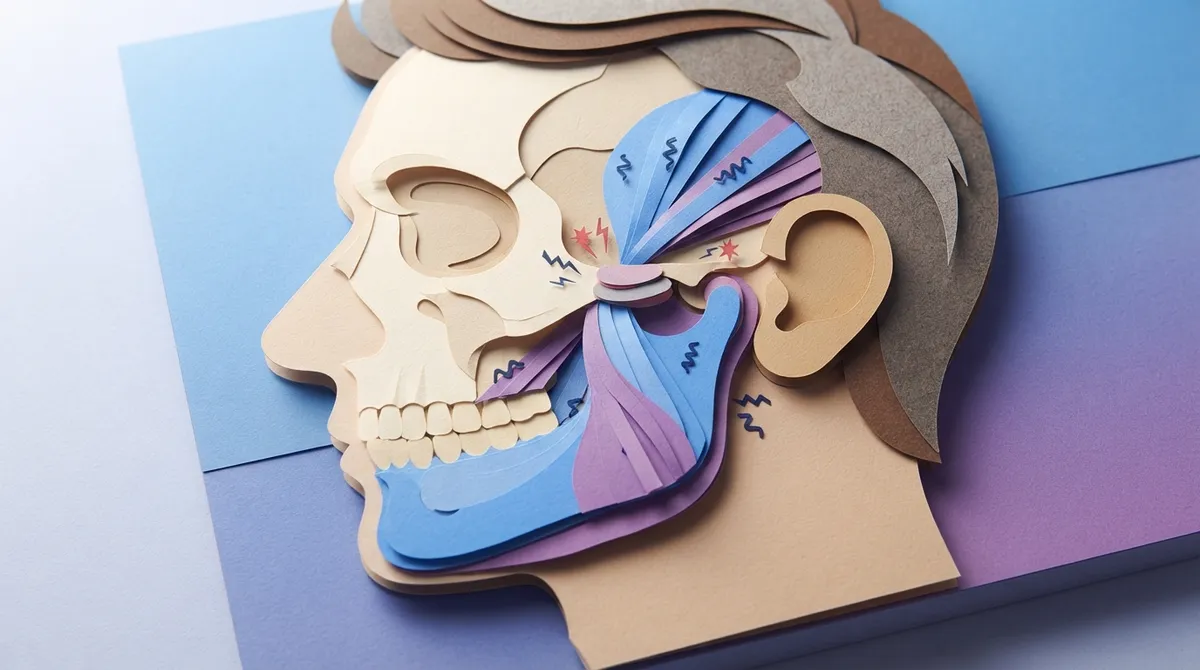
TMJ stands for temporomandibular joint. This is the hinge that connects your jawbone to your skull. You have one on each side of your face, right in front of your ears. TMD, or temporomandibular joint disorder, happens when something goes wrong with this joint or the muscles around it.
Think of your jaw joint like a door hinge. When a hinge works well, the door opens and closes smoothly. When the hinge is rusty or damaged, it squeaks, sticks, or gets stuck halfway. Your jaw joint works the same way. When it’s healthy, you can chew, talk, and yawn without thinking twice. When it’s not healthy, every bite of food can remind you something is wrong.
TMD is not one single problem. It’s actually a group of conditions that all affect this same joint area. Some people have joint damage. Others have muscle tension. Some have both. This is why treatment can look different depending on your specific case.
Common Signs You Might Have TMJ Disorder
Many people live with TMD symptoms for years without knowing what’s causing them. Here are the most common signs to watch for:
- Jaw pain or tenderness, especially when chewing
- Clicking, popping, or grinding sounds when you open your mouth
- Trouble opening your mouth all the way
- Jaw that locks or gets stuck open or closed
- Frequent headaches, especially near your temples
- Ear pain or ringing without an actual ear infection
- Facial pain or swelling on one or both sides
- Neck and shoulder discomfort
If you’re nodding along to a few of these, it might be time to talk to a dentist about it. You can learn more about related symptoms in our article on the signs of TMJ disorder.
What Causes TMJ Disorder?
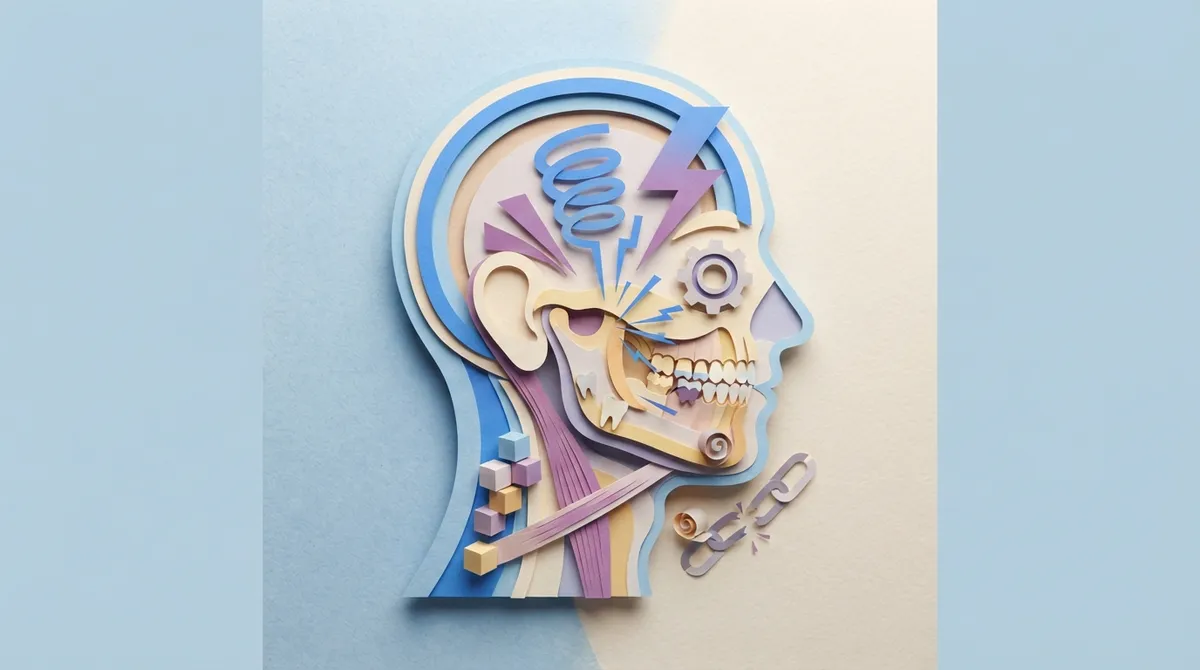
There’s rarely just one cause of TMD. Usually, it’s a mix of things working together. Here are the most common causes dentists see:
- Teeth grinding (bruxism): Grinding or clenching your teeth, especially at night, puts huge stress on your jaw joint.
- Misaligned bite: When your upper and lower teeth don’t fit together correctly, your jaw has to work harder.
- Jaw injury: A blow to the face or jaw, even an old one, can lead to TMD years later.
- Arthritis: Some types of arthritis can affect the jaw joint just like they affect other joints in your body.
- Stress: Stress often shows up in our jaws. Many people clench their teeth without even noticing when they’re anxious.
- Poor posture: Believe it or not, how you hold your head and neck can affect your jaw joint too.
Our patients often ask about the connection between grinding and TMJ pain. We covered this in detail in our post about what causes TMJ disorder, if you want to dig deeper.
Can a Bad Bite Really Cause Jaw Problems?
Yes, it can. When your teeth don’t line up right, your jaw muscles have to work overtime to help you chew. Over time, this extra strain can lead to real damage. We explain this connection more in our article on misaligned teeth and TMJ issues.
TMJ Disorder vs. Bruxism: What’s the Difference?
People often mix up TMJ disorder and bruxism, but they aren’t the same thing. Bruxism is the actual grinding or clenching habit. TMD is the joint problem that can result from it. However, they are closely linked, and one often makes the other worse.
| Feature | Bruxism | TMJ Disorder (TMD) |
|---|---|---|
| What it is | A grinding or clenching habit | A joint or muscle disorder |
| Main symptom | Worn down teeth, jaw soreness | Clicking, locking, pain when opening mouth |
| Common trigger | Stress, sleep issues | Bruxism, injury, arthritis, misaligned bite |
| Typical treatment | Night guards, stress management | Night guards, physical therapy, dental adjustments |
Want to learn more about how these two conditions overlap? Check out our guide on TMJ vs bruxism mix-ups to avoid common confusion.
How Dentists Diagnose TMJ Disorder
Getting the right diagnosis is the first step toward feeling better. Here’s what typically happens during a TMJ evaluation:
- Your dentist will ask about your symptoms, including pain, clicking sounds, and headaches.
- They will gently check your jaw for tenderness and listen for clicking or popping.
- They will watch how your jaw moves when you open and close your mouth.
- They may take X-rays or other images to look at the joint itself.
- They will check your bite to see if your teeth line up correctly.
Imaging can be really helpful for spotting problems you can’t see or feel. Our team explains this more in our article on signs you need X-rays for TMJ pain. And if you’re curious about how the diagnostic process works overall, take a look at 5 ways dentists diagnose TMJ disorders.
Why Jaw Clicking Doesn’t Always Mean Trouble
Not every click or pop in your jaw means you have a serious problem. Some clicking is harmless and doesn’t need treatment. But if clicking comes with pain, locking, or trouble chewing, it’s worth getting checked. Learn more in our post about why your jaw clicks or pops.
Treatment Options for TMJ Disorder
The good news is that most TMD cases can be managed without surgery. Treatment usually starts simple and only gets more involved if needed. Here are the most common options:
- Night guards or splints: These custom-fitted devices protect your teeth and ease pressure on your jaw joint while you sleep.
- Physical therapy: Gentle jaw exercises and stretches can improve movement and reduce pain.
- Bite adjustments: Correcting an uneven bite can take a lot of stress off your jaw joint.
- Stress management: Since stress is a huge trigger for clenching, learning to relax can make a real difference.
- Medication: Anti-inflammatory drugs or muscle relaxants may help during flare-ups.
- Warm compresses: Simple heat therapy at home can soothe sore jaw muscles.
Every patient is different, which is why a personalized treatment plan matters so much. Dental Theory offers TMJ rehabilitation designed around your specific needs and symptoms.
How Nightguards Compare to Other Treatments
Night guards are often the first line of defense against TMJ pain caused by grinding. But how do they stack up against other options like Botox injections? We break this down in our article comparing nightguards vs Botox for bruxism.
| Treatment | Best For | How It Helps |
|---|---|---|
| Night guard | Grinding-related TMD | Protects teeth, reduces joint pressure |
| Physical therapy | Muscle tension, limited jaw movement | Improves flexibility and reduces pain |
| Bite correction | Misaligned teeth causing TMD | Balances bite, eases joint strain |
| Stress management | Clenching from anxiety | Reduces jaw tension triggers |
What Happens If You Ignore TMJ Disorder?
It’s tempting to just push through jaw pain and hope it goes away on its own. Unfortunately, untreated TMD can get worse over time. Here’s what can happen if you skip treatment:
- Pain can spread from your jaw to your neck, shoulders, and head.
- Your teeth can wear down faster from grinding.
- Jaw locking can become more frequent and harder to reverse.
- Sleep quality can suffer, leading to fatigue and irritability.
- Chewing certain foods may become difficult or painful.
If you’re already dealing with grinding at night, this can compound quickly. We talk more about this in our guide on what happens when bruxism goes untreated.
The Link Between Stress and Jaw Pain
Many of our Brandon patients are surprised to learn how much stress affects their jaw. Clenching your jaw during a stressful meeting or while stuck in traffic adds up over time. Check out our article on stress and teeth grinding for more on this connection.
Tips for Managing TMJ Pain at Home
While professional treatment is important, there are things you can do at home to ease discomfort between visits:
- Eat softer foods during flare-ups to give your jaw a rest
- Apply a warm washcloth to your jaw for 10 to 15 minutes
- Avoid chewing gum, which overworks the jaw muscles
- Practice gentle jaw stretches shown to you by your dentist
- Try relaxation techniques like deep breathing before bed
- Keep good posture, especially when working at a desk
These tips can help, but they work best alongside professional care from a trusted dental team.
Why Choose Dental Theory for TMJ Care in Brandon, FL
At Dental Theory, we understand how disruptive jaw pain can be to your daily life. Our team takes the time to listen to your symptoms and create a treatment plan built around your specific needs. We use the latest technology to get a clear picture of what’s happening with your jaw joint, so you’re not just guessing at solutions.
Our practice offers a warm, relaxed setting where you can talk openly about your symptoms without feeling rushed. Whether you need a custom night guard, bite adjustment, or a full evaluation, our team is here to help you feel like yourself again. You can also explore our general dentistry services to see how we support your overall oral health alongside TMJ care.
Curious what other patients think? You can visit us on Google — Dental Theory to read real reviews from folks right here in Brandon. We also share updates and patient stories if you visit us on Facebook.
What to Expect at Your TMJ Consultation
Not sure what your first visit will look like? Here’s a simple breakdown:
- You’ll discuss your symptoms and how long you’ve had them.
- Your dentist will examine your jaw, bite, and facial muscles.
- You may get X-rays or other images if needed.
- Your dentist will explain what’s causing your symptoms in simple terms.
- You’ll receive a personalized treatment plan with clear next steps.
We know dental visits can feel intimidating, especially when you’re already dealing with pain. Our goal is always to make you feel heard, comfortable, and confident about your care plan.
Frequently Searched Questions About Jaw Pain
Many patients search for answers before they even book an appointment. If you’re dealing with jaw pain that won’t quit, you’re definitely not the only one asking questions. Our blog post on why your jaw pain won’t go away covers even more relief tips you can try today.
It’s also worth noting that TMD can sometimes overlap with sleep issues. If you snore, clench, or grind at night, it might be connected to how your jaw sits while you sleep. This is something we screen for during a thorough TMJ evaluation at our Brandon office.
Take the First Step Toward a Pain-Free Jaw
Living with jaw pain, headaches, or that annoying clicking sound is not something you have to accept as normal. TMJ disorder is treatable, and relief is closer than you think. Our friendly team at Dental Theory is ready to listen, diagnose, and create a plan that fits your life.
Don’t wait for the pain to get worse. Reach out today to contact Dental Theory and schedule your TMJ evaluation. You can also schedule an appointment online in just a few minutes. Your jaw deserves relief, and our Brandon team is here to help you get there.
FAQs
Q: What is TMJ disorder (TMD) exactly?
A: TMJ disorder, or TMD, is a condition that affects the joint connecting your jaw to your skull. It can cause pain, clicking sounds, and trouble opening your mouth. The good news is that our team sees this often and has plenty of ways to help you feel better.
Q: Is TMJ disorder the same as teeth grinding?
A: Not quite, but they’re closely related! Teeth grinding, or bruxism, is a habit that can lead to TMJ disorder over time. Think of grinding as one possible cause, while TMD is the joint problem that can result from it.
Q: Can TMJ disorder go away on its own?
A: Sometimes mild cases improve with rest and home care, but many people need a bit of extra help. Ignoring symptoms can let things get worse, so it’s always smart to get checked out sooner rather than later.
Q: What does a TMJ evaluation involve?
A: Your dentist will chat with you about your symptoms, check your jaw movement, and may take some images to get a clear picture. It’s a simple, friendly process designed to figure out exactly what’s going on.
Q: How can Dental Theory help with my jaw pain?
A: Our Brandon team offers personalized TMJ care, from custom night guards to bite adjustments and gentle guidance every step of the way. We’ll listen to your concerns and build a treatment plan that actually fits your life.
Our Service Area