Key Takeaways
-
Bruxism is a grinding behavior while TMJ disorder is a physical joint problem, but grinding can trigger or worsen TMJ disorder over time by putting constant pressure on the jaw joint.
-
Getting the wrong diagnosis wastes time and money; a night guard alone won't fix TMJ joint pain, and clicking sounds are red flags for joint issues that shouldn't be ignored.
-
Professional dental exams with bite checks, wear pattern analysis, and jaw movement testing are essential for accurate diagnosis; self-diagnosing online often leads to wrong treatment plans.
-
Early intervention is critical because both conditions worsen without treatment and can require restorative work like crowns; most mild TMJ symptoms improve with early self-care and non-invasive treatments.
-
Children can develop bruxism during stress or teething and should be monitored, while simple habits like avoiding hard foods, practicing relaxation, and attending regular checkups help manage both conditions at home.
-
Seek immediate dental care if your jaw locks, pain interferes with eating, teeth alignment suddenly changes, or facial swelling appears, as these symptoms indicate more serious underlying issues.
Waking up with a sore jaw or a nagging headache is no fun. Many folks in Brandon think TMJ and bruxism are just two names for the same problem. They’re close cousins, but they’re not twins. Mixing them up can lead to the wrong fix, and that means more pain for longer than you deserve.
At Dental Theory, we hear this question all the time. If you’re a parent watching your child grind their teeth at night, or an adult who can’t stop clenching during a stressful workday, understanding the difference matters. Let’s clear up the confusion once and for all, so you know exactly what’s going on and what to do about it.
What Is Bruxism, Really?
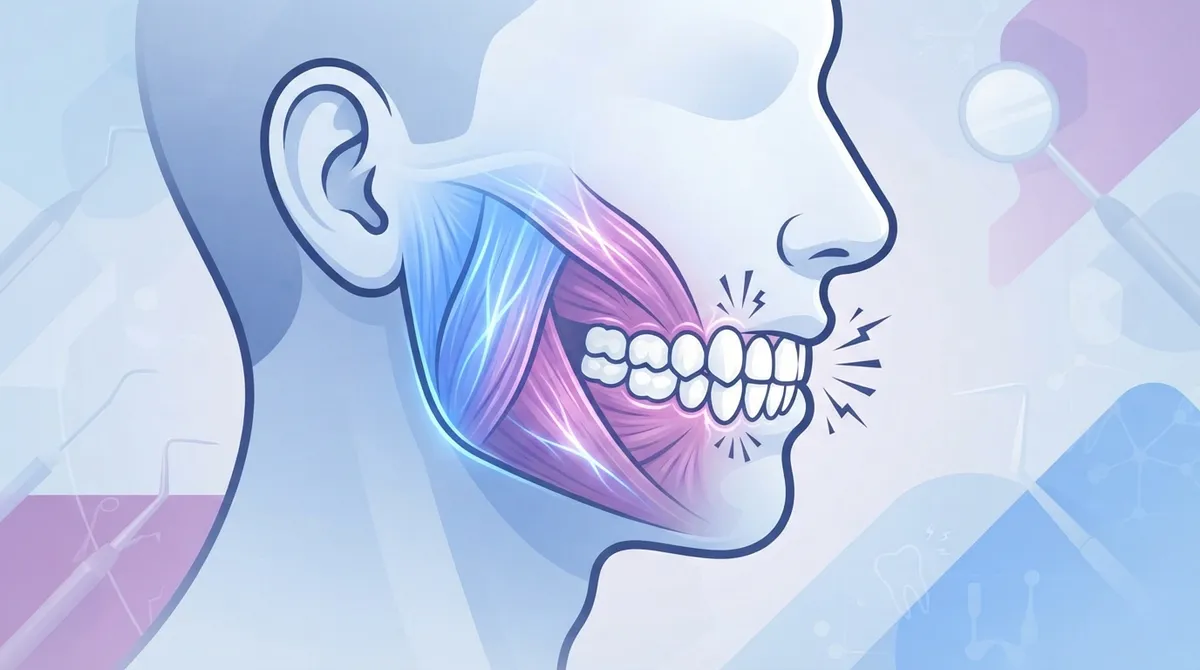
Bruxism is simply the habit of grinding or clenching your teeth. It can happen while you sleep or even during the day without you noticing. Stress, anxiety, and misaligned teeth are common triggers.
Think of bruxism as an action, something your jaw muscles are doing. It’s a behavior, not a disorder of the joint itself. However, if left unchecked, bruxism can wear down your teeth and cause real damage over time.
Common Signs of Bruxism
- Flattened, chipped, or cracked teeth
- Increased tooth sensitivity
- Sore or tight jaw muscles in the morning
- Dull headaches near the temples
- A partner telling you that you grind your teeth at night
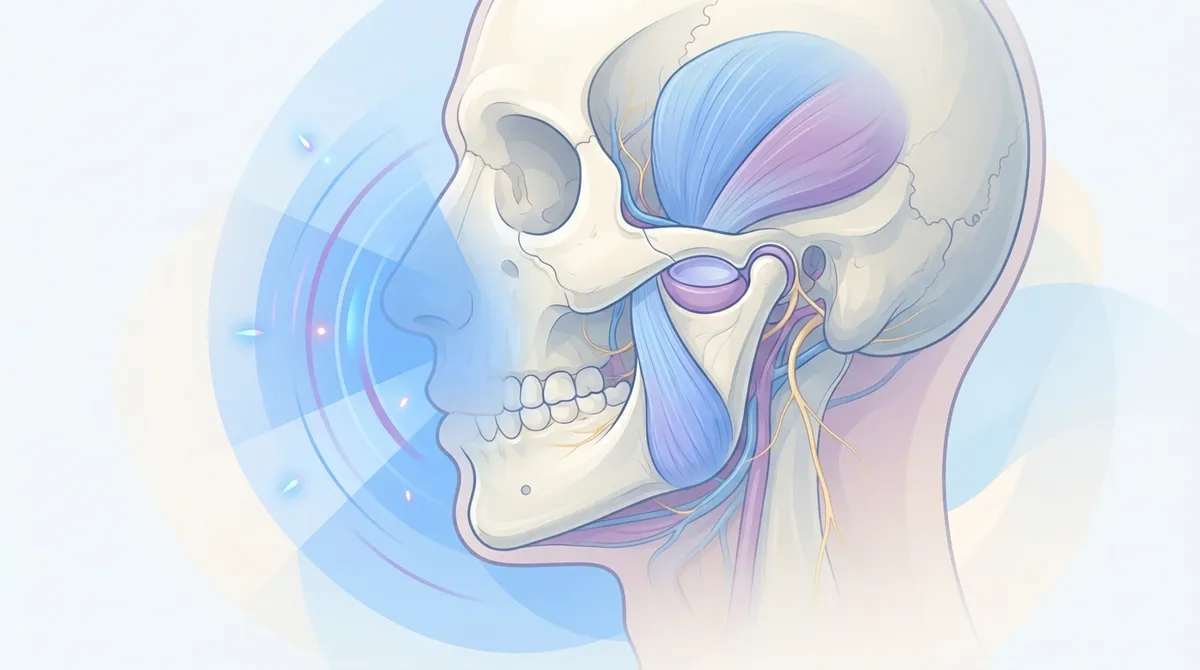
What Is TMJ Disorder?
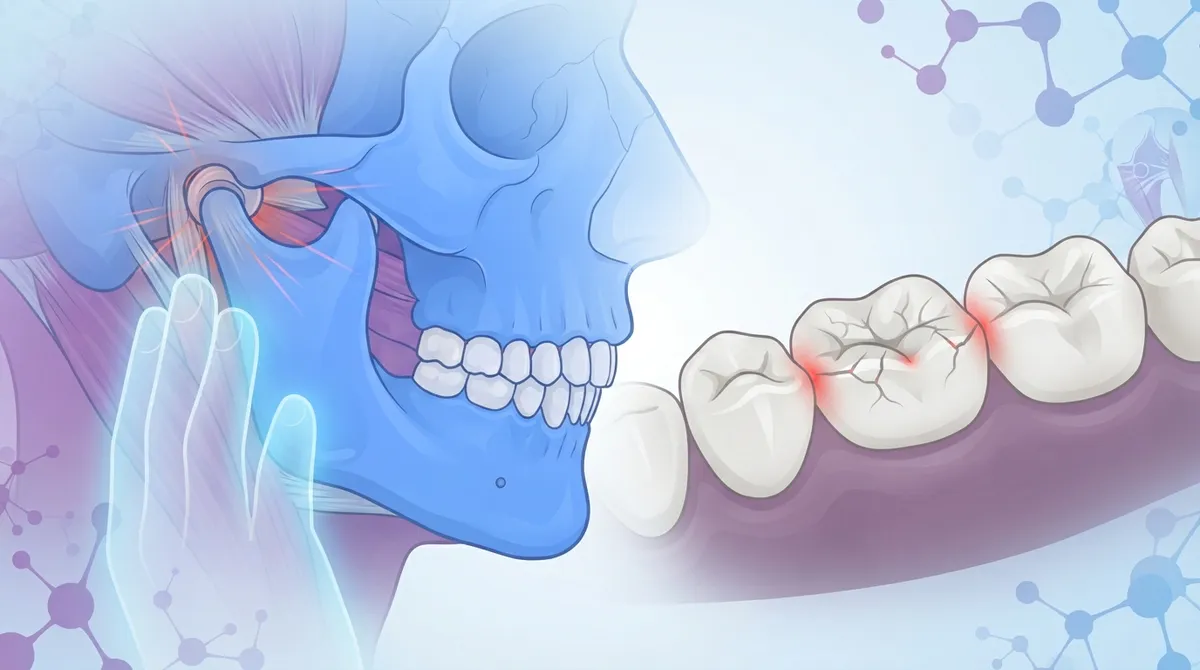
TMJ stands for temporomandibular joint. That’s the hinge connecting your jawbone to your skull. TMJ disorder, sometimes called TMD, happens when this joint gets irritated, inflamed, or damaged.
Unlike bruxism, TMJ disorder is a condition affecting the joint and surrounding muscles. It’s not something you do. It’s something that happens to your jaw’s mechanics.
Common Signs of TMJ Disorder
- Clicking or popping sounds when opening your mouth
- Jaw pain or tenderness near the ears
- Difficulty chewing or a jaw that feels stuck
- Facial pain that spreads to the neck or shoulders
- Swelling on the side of your face
You can read more about the signs of TMJ disorder to see if your symptoms line up.
Are TMJ and Bruxism the Same Thing? The Simple Answer
No, they are not the same. But they are closely linked. Bruxism is a behavior. TMJ disorder is a physical problem with the jaw joint. However, one often leads to the other.
Grinding your teeth night after night puts constant pressure on your jaw joint. Over time, that pressure can wear down cartilage and cause the joint to become inflamed. This is how bruxism can trigger or worsen TMJ disorder.
Quick Comparison Table
| Feature | Bruxism | TMJ Disorder |
|---|---|---|
| What it is | A habit of grinding or clenching teeth | A problem with the jaw joint itself |
| Main cause | Stress, anxiety, misaligned bite | Joint injury, arthritis, chronic bruxism |
| Primary symptom | Worn down or cracked teeth | Clicking, popping, or locked jaw |
| Can cause the other? | Yes, over time | Can worsen bruxism symptoms |
| Common treatment | Night guards, stress management | Physical therapy, splints, sometimes surgery |
7 Mistakes People Make When Confusing TMJ and Bruxism
Getting the diagnosis wrong can waste time and money. Here are the biggest mix-ups we see at our Brandon dental office.
- Assuming a night guard fixes everything. A night guard helps with bruxism, but it may not solve joint pain caused by TMJ disorder.
- Ignoring jaw clicking because you think it’s normal. Clicking sounds are a red flag for joint issues, not just grinding.
- Blaming stress alone. While stress fuels bruxism, TMJ disorder can also stem from arthritis or old injuries.
- Waiting too long to see a dentist. Both conditions get harder to treat the longer they go unchecked.
- Thinking kids can’t have either condition. Children can grind their teeth too, especially during stressful periods or teething.
- Skipping a professional exam. Self-diagnosing off the internet often leads to the wrong treatment plan.
- Not treating tooth damage caused by grinding. Cracked or worn teeth need attention, or the problem will only get worse.
How Dentists Diagnose These Conditions
A trained dentist can usually tell the difference with a simple exam. We check your bite, look for wear patterns on your teeth, and gently test your jaw’s range of motion.
Sometimes X-rays are needed to see what’s happening inside the joint. If you want to learn more about the process, check out our guide on how dentists diagnose TMJ disorders.
What to Expect During Your Visit
- A review of your medical and dental history
- A physical check of your jaw movement
- Questions about headaches, sleep habits, and stress levels
- A look at your teeth for signs of grinding damage
- A discussion of possible next steps, like a night guard or splint
Treatment Options for Bruxism and TMJ
The good news is both conditions are treatable. Your dentist will design a plan based on your specific symptoms and their cause.
For Bruxism
- Custom-fitted night guards to protect your teeth while you sleep
- Stress reduction techniques like exercise or relaxation habits
- Correcting bite alignment if that’s contributing to the grinding
- Cutting back on caffeine and alcohol, which can worsen grinding
For TMJ Disorder
- Jaw exercises to improve movement and reduce stiffness
- Warm compresses to ease muscle tension
- Custom oral splints to reduce joint pressure
- In more serious cases, referral for specialized joint treatment
At Dental Theory, our TMJ rehabilitation services are designed to get you back to living pain-free. We take a personalized approach, because no two jaws are exactly alike.
How Bruxism Can Damage Your Smile
If grinding goes untreated, it doesn’t just hurt your jaw. It can wear down enamel, crack teeth, and even lead to the need for restorative work. Many patients end up needing crowns after years of unchecked grinding.
Dental Theory offers same-day ceramic crowns, so if grinding has already damaged a tooth, you won’t need to wait weeks for a fix. Dr. K can often complete the entire process in one visit, saving you time and hassle. Learn more about our same-day crowns and how they work.
Signs Grinding Has Already Damaged Your Teeth
- Visible flat spots on your molars
- Small cracks or chips you didn’t notice before
- Increased sensitivity to hot or cold foods
- A tooth that feels loose or different when you bite down
Kids, Bruxism, and TMJ: What Parents Should Know
It might surprise you, but children can grind their teeth too. It’s often linked to stress, teething, or even how their teeth are developing. Most kids outgrow it, but it’s worth mentioning at their next visit.
Our board-certified pediatric dentist, Dr. Pri, has extensive experience spotting early signs of grinding in children. She can guide parents on whether it’s a passing phase or something that needs a closer look. If your child feels anxious about dental visits, Dr. Pri also offers gentle in-office sedation options to keep things calm and comfortable.
Why Choose Dental Theory for Jaw Pain and Grinding Issues
Living in Brandon means you have plenty of choices for dental care, but not every office specializes in jaw health. Our team takes time to understand your symptoms before jumping to a treatment plan. We believe in getting it right the first time.
Dr. Chris Karapasha, known to patients as Dr. K, brings years of experience in adult and cosmetic dentistry, including care for TMJ-related issues. His skill has even earned recognition, as Dr. Chris Karapasha has been named one of America’s Top Young Dentists in Incisal Edge magazine’s 2025 40 Under 40. You can also check out his Gold+ Invisalign profile to see his broader expertise in smile care.
Want to see what our patients are saying? Visit us on Google — Dental Theory and read real reviews from Brandon families just like yours. You can also visit us on Facebook to stay updated on office news and patient stories.
Simple Habits That Help Both Conditions
While professional treatment is key, there are things you can do at home to ease symptoms between visits.
- Avoid chewing gum, which overworks your jaw muscles
- Practice relaxation exercises before bed to reduce nighttime grinding
- Apply a warm towel to your jaw if it feels tight or sore
- Cut back on hard or chewy foods during flare-ups
- Stay consistent with your dental checkups so problems get caught early
According to the National Institute of Dental and Craniofacial Research, most people with mild TMJ symptoms improve with simple self-care and non-invasive treatments. That’s good news if you catch the problem early.
When to See a Dentist Right Away
Some symptoms shouldn’t wait for your next scheduled cleaning. If you notice any of the following, it’s time to book a visit sooner rather than later.
- Your jaw locks and won’t open or close properly
- Pain is severe enough to interfere with eating or talking
- You notice sudden changes in how your teeth fit together
- Swelling appears on one side of your face
- Over-the-counter pain relief isn’t helping anymore
Ready to figure out what’s really going on with your jaw? You can easily schedule an appointment with our team and get answers fast.
Your Next Step Toward a Pain-Free Smile
Bruxism and TMJ disorder might feel similar, but they need different approaches to treatment. The sooner you get a proper diagnosis, the sooner you can stop the pain and protect your smile for the long run. Whether you’re dealing with morning headaches, a clicking jaw, or worn-down teeth, our Brandon team is here to help.
Don’t let jaw pain or grinding control your daily life any longer. Reach out today to contact Dental Theory and take the first step toward lasting relief.
FAQs
Q: Are TMJ and bruxism the same thing?
A: Nope, they’re related but different. Bruxism is the habit of grinding or clenching your teeth, while TMJ disorder is a problem with the jaw joint itself. Grinding can actually cause or worsen TMJ disorder over time, so they often show up together.
Q: Can bruxism cause TMJ disorder?
A: Yes, it can. Constant grinding puts extra stress on your jaw joint, which can lead to inflammation and pain over time. That’s why treating bruxism early is such a smart move for protecting your jaw health.
Q: What are the first signs I should watch for?
A: Look out for morning jaw soreness, headaches near your temples, or teeth that feel more sensitive than usual. Clicking or popping sounds when you open your mouth are also a common early warning sign of TMJ trouble.
Q: Can kids have bruxism or TMJ issues?
A: Yes, kids can grind their teeth too, especially during stressful times or while their teeth are developing. Our pediatric dentist, Dr. Pri, is great at spotting early signs and guiding parents on next steps.
Q: How does Dental Theory treat these conditions?
A: We start with a thorough exam to figure out exactly what’s going on with your jaw and teeth. From there, we create a personalized plan that might include a night guard, jaw exercises, or same-day crowns if grinding has already damaged a tooth.
Our Service Area