
Key Takeaways
-
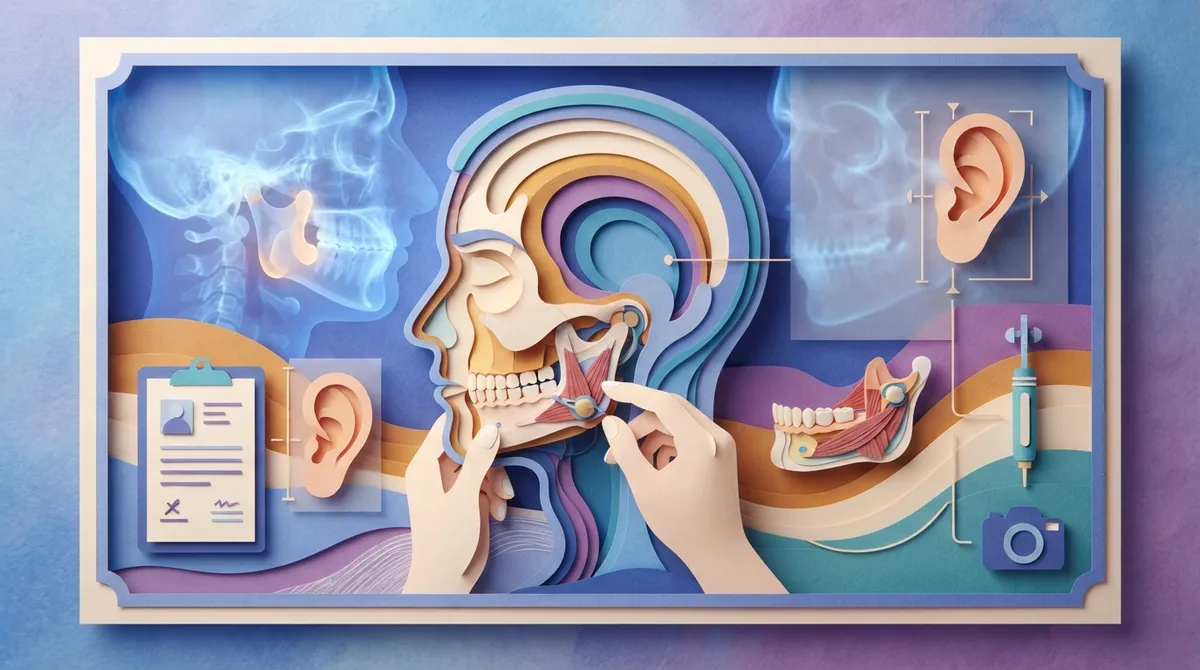
Dentists diagnose TMJ disorders through a five-step process: detailed symptom discussion, physical exam of jaw muscles and joints, bite analysis, digital X-rays if needed, and medical history review to identify contributing factors.
-
Early diagnosis of TMJ disorders is critical because untreated cases can progress to chronic headaches, tooth damage from grinding, and jaw locking, while early intervention typically leads to simpler and more effective treatment options.
-
Common diagnostic signs include jaw clicking or popping, morning jaw soreness, trouble chewing, frequent headaches, and changes in bite alignment—all of which warrant a professional dental evaluation to confirm TMJ disorder.
-
Most TMJ diagnoses don't require special tests; a conversation and hands-on physical exam are often sufficient, though digital X-rays may be used to rule out arthritis or joint damage and confirm the diagnosis.
Does your jaw click when you eat breakfast? Do you wake up with a sore jaw or a headache that just won’t quit? You might be dealing with a TMJ disorder, and you’re not alone. Many folks in Brandon walk around with jaw pain for months before they realize a dentist can actually help. The good news? Diagnosing TMJ disorders isn’t scary or complicated. It’s a friendly, step-by-step process that helps you get answers fast.
At Dental Theory, we believe nobody should live with jaw pain when relief is close by. This guide walks you through exactly how dentists figure out what’s going on with your jaw. We’ll break it down in plain, simple terms so you know what to expect at your visit.
What Is TMJ Disorder, Anyway?
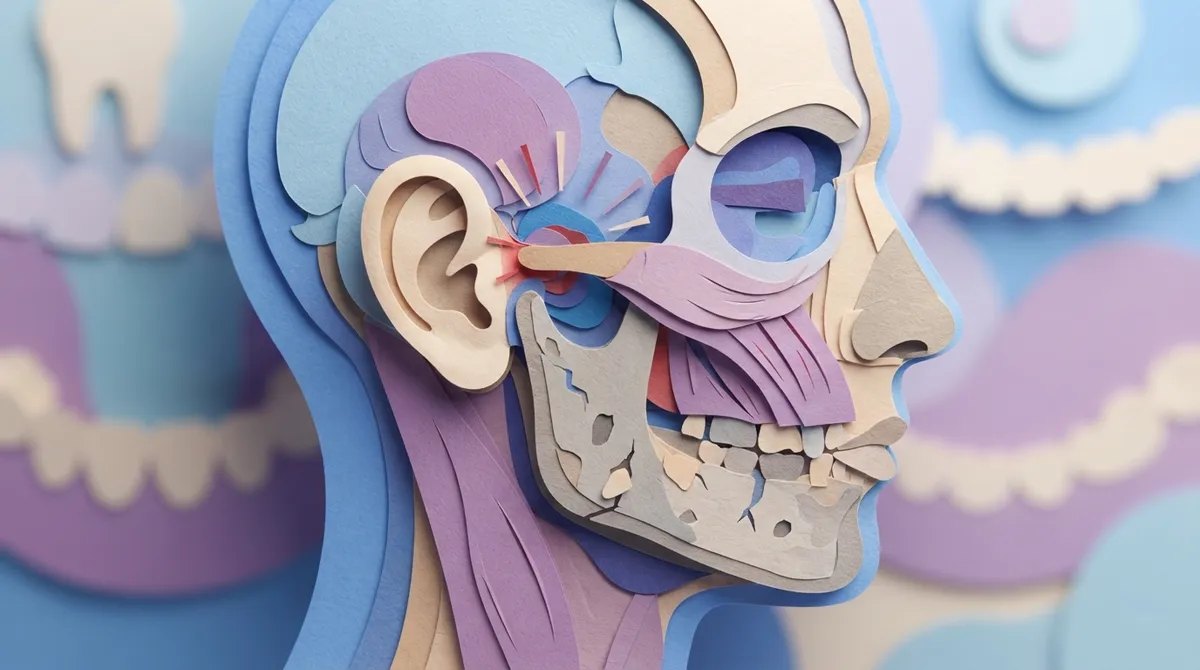
TMJ stands for temporomandibular joint. It’s the hinge that connects your jawbone to your skull. You use it every time you talk, chew, or yawn. When this joint gets irritated or damaged, doctors call it a TMJ disorder, or TMD for short.
This joint works hard every single day. So when something goes wrong, you feel it fast. Pain can spread to your face, neck, and even your shoulders.
Common Signs You Might Have TMJ Issues
- Jaw pain or soreness, especially in the morning
- Clicking or popping sounds when you open your mouth
- Trouble chewing or a jaw that feels “stuck”
- Frequent headaches or earaches
- Facial pain or swelling on one side
- A change in how your teeth fit together when you bite
If any of these sound familiar, it’s worth getting checked out. Many patients also deal with teeth grinding alongside TMJ pain, since the two conditions often show up together.
How Do Dentists Diagnose TMJ Disorders? 5 Key Steps
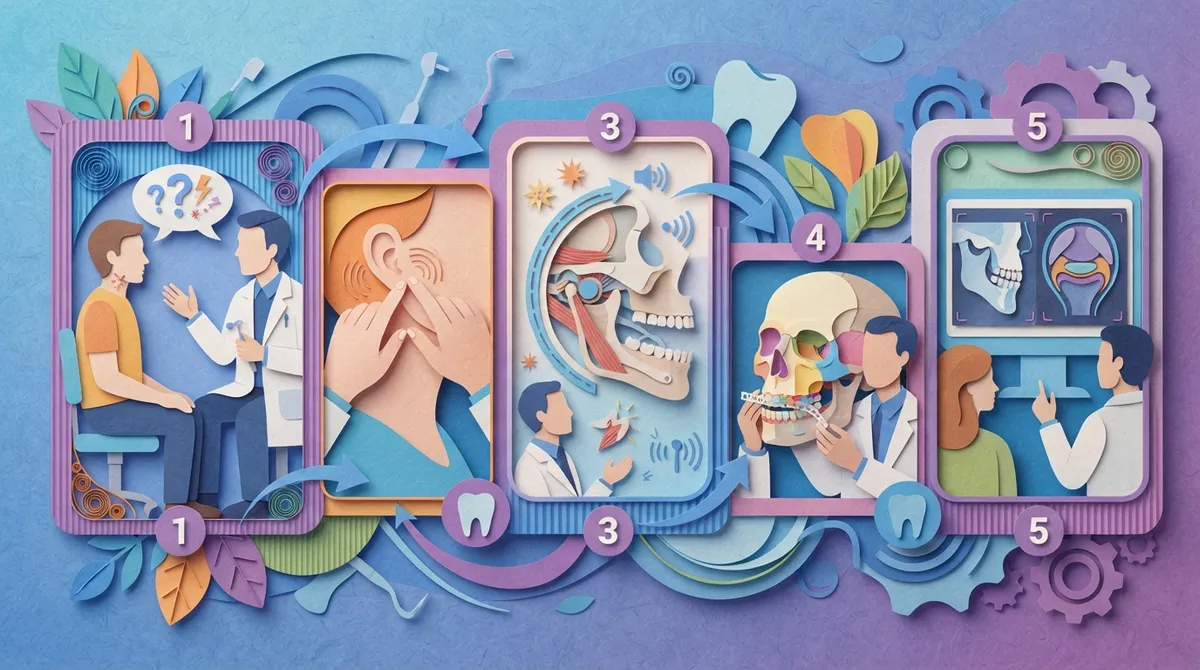
Diagnosing TMJ disorders takes a mix of listening, looking, and sometimes a little bit of technology. Here’s exactly what happens during a visit focused on jaw pain.
1. A Detailed Conversation About Your Symptoms
Your dentist will start by simply talking with you. They’ll ask when the pain started, what makes it worse, and how often it happens. This chat matters more than you’d think. It helps your dentist connect the dots between your daily habits and your jaw pain.
Be ready to share details like:
- When the pain or clicking first began
- Whether you grind or clench your teeth at night
- If stress seems to make things worse
- Any recent dental work, injury, or accident
- Whether you’ve noticed changes in your bite
2. A Hands-On Physical Exam
Next comes the physical check. Your dentist will gently press on your jaw muscles and joint area. They’re feeling for tenderness, swelling, or muscle tightness. They’ll also ask you to open and close your mouth while they watch and listen for clicking or popping.
This part of the exam is quick and painless. Your dentist is simply gathering clues, much like a detective piecing together a case.
3. Checking Your Bite and Jaw Movement
Dentists also look closely at how your teeth line up. A bad bite or misaligned teeth can put extra stress on your jaw joint over time. In fact, misaligned teeth can absolutely contribute to TMJ issues, so this step is a big piece of the puzzle.
Your dentist will watch how your jaw moves from side to side and front to back. They’re checking for smooth motion versus a jaw that locks or shifts unevenly.
4. Digital X-Rays and Imaging
Sometimes a visual exam isn’t enough to see what’s happening inside the joint. That’s when digital X-rays come in handy. These images let your dentist see the bone structure and joint alignment clearly.
In some cases, your dentist may recommend more advanced imaging to get a full picture of the joint and surrounding tissue. This step helps rule out other issues, like arthritis or joint damage, that might mimic TMJ symptoms.
5. Reviewing Your Dental and Medical History
Your full history matters here too. Dentists will ask about past injuries, previous orthodontic work, or even ongoing stress levels. All of these factors can play a role in TMJ pain.
This is also a good time to mention any teeth grinding, since bruxism is closely linked to TMJ disorders in many patients.
Diagnostic Tools Dentists Use: A Quick Comparison
| Diagnostic Method | What It Shows | How Long It Takes |
|---|---|---|
| Patient Interview | Symptom history and lifestyle triggers | 10-15 minutes |
| Physical Exam | Muscle tenderness and joint sounds | 5-10 minutes |
| Bite Analysis | Alignment issues affecting the jaw | 10 minutes |
| Digital X-Rays | Bone structure and joint position | 5-10 minutes |
| Medical History Review | Past injuries and related conditions | 5-10 minutes |
What Happens After Diagnosis?
Once your dentist confirms a TMJ disorder, the next step is building a treatment plan. This plan depends on how severe your symptoms are and what’s causing them.
Common Next Steps After a TMJ Diagnosis
- A custom nightguard to reduce grinding and jaw strain
- Simple jaw exercises to improve movement and reduce stiffness
- Lifestyle changes to lower stress and muscle tension
- Bite adjustments if misalignment is contributing to the problem
- Ongoing monitoring to track improvement over time
For many patients, TMJ rehabilitation offers a structured path back to comfort. This kind of care focuses on healing the joint gradually, without rushing the process.
Why Getting Diagnosed Early Matters
Waiting too long to address jaw pain can make things worse. Left untreated, TMJ disorders can lead to more serious issues, including chronic headaches, worn-down teeth, and even jaw locking. The Mayo Clinic notes that early evaluation often leads to simpler, more effective treatment options, so there’s real value in acting sooner rather than later.
Benefits of Catching TMJ Problems Early
- Less pain and discomfort over time
- Lower risk of tooth damage from grinding
- Faster, easier treatment options
- Better sleep quality
- Improved overall quality of life
According to the National Institute of Dental and Craniofacial Research, TMJ disorders affect millions of Americans, many of whom don’t seek help until symptoms become severe. Don’t let that be you.
Why Choose Dental Theory for Jaw Pain Concerns
Here in Brandon, families trust Dental Theory for more than just cleanings and checkups. Our team takes a whole-mouth approach to your health, which means we look beyond just your teeth. If you’re dealing with jaw discomfort, our general dentistry services include a thorough evaluation to get to the root of the problem.
We know dental visits can feel stressful, especially when you’re already in pain. That’s why our office focuses on a calm, welcoming environment for every patient who walks through our doors. You can also visit us on Facebook to see updates from our practice and connect with our community.
Curious what other patients think? You can Visit us on Google — Dental Theory to read real reviews from Brandon families who found relief with our team.
Simple Habits That Support a Healthy Jaw
While diagnosis is the first step, a few daily habits can help protect your jaw long-term.
- Avoid chewing gum excessively
- Practice good posture, especially at a desk
- Manage stress with relaxation techniques
- Avoid resting your chin on your hand for long periods
- Stick to a soft diet during flare-ups
Small changes like these can make a real difference while you work through treatment with your dentist.
Ready to Get Answers About Your Jaw Pain?
You don’t have to guess what’s causing your jaw pain any longer. A proper diagnosis is the first step toward real relief, and our team is here to guide you through every part of the process with care and patience. If you’re ready to stop guessing and start feeling better, contact Dental Theory today to schedule your evaluation.
You can also schedule an appointment online at a time that works for your busy schedule. Our friendly Brandon team is ready to help you feel like yourself again, one comfortable visit at a time.
FAQs
Q: How do dentists diagnose TMJ disorders during a regular checkup?
A: Dentists usually start by asking about your symptoms, then do a hands-on exam of your jaw muscles and joint. If needed, they’ll take digital X-rays to get a clearer look. It’s a simple, friendly process designed to find answers without any guesswork.
Q: Does diagnosing a TMJ disorder require any special tests?
A: Not always! Many TMJ cases can be diagnosed through a conversation and physical exam alone. In some cases, digital X-rays help confirm what’s going on inside the joint, but it’s usually a quick and comfortable process.
Q: Can teeth grinding be connected to TMJ disorders?
A: Yes, teeth grinding and TMJ disorders often go hand in hand. Grinding puts extra strain on your jaw joint, which can lead to pain, clicking, and stiffness over time. That’s why dentists always ask about nighttime habits during a TMJ evaluation.
Q: How soon should I see a dentist if I think I have TMJ issues?
A: The sooner, the better! Catching TMJ problems early usually means simpler treatment and faster relief. If you’re dealing with jaw pain, clicking, or frequent headaches, it’s worth scheduling a visit soon.
Q: What happens if my TMJ disorder is left untreated?
A: Untreated TMJ disorders can get worse over time, leading to more pain, jaw locking, or even tooth damage from grinding. Getting a proper diagnosis early on helps you avoid these bigger issues down the road.
Our Service Area