Key Takeaways
-
Dentists diagnose bruxism through multiple methods: visual examination of worn/flattened teeth, jaw muscle palpation for tenderness, symptom review, TMJ assessment, digital X-rays for hidden damage, and lifestyle factor discussion.
-
Early detection through regular dental checkups is crucial because bruxism often occurs during sleep without your awareness, and catching it early prevents costly restorative treatments like crowns or bridges.
-
Common diagnostic signs include flattened or cracked teeth (especially molars), enlarged jaw muscles, morning headaches, jaw soreness, tooth sensitivity, and clicking sounds in the jaw joint.
-
Digital X-rays reveal hidden damage below the gum line, small cracks, bone loss around the jaw joint, and tooth root changes that indicate long-term grinding when wear isn't visible to the naked eye.
-
Treatment typically starts with a custom night guard to prevent further tooth damage, followed by stress management techniques and lifestyle adjustments like reducing caffeine and practicing relaxation before bed.
-
Bruxism can develop in children during stressful periods and should be monitored by pediatric dentists, though most children outgrow the condition with proper evaluation and gentle care.
Do you wake up with a sore jaw or a dull headache? You might be grinding your teeth at night without even knowing it. This condition is called bruxism, and it affects millions of people. The tricky part is that most people have no idea they’re doing it until a dentist spots the signs.
At Dental Theory in Brandon, FL, we see this problem often. Bruxism can quietly damage your teeth, jaw, and even your sleep quality over time. The good news? A trained dentist can catch it early with a few simple checks during your regular visit. In this article, we’ll walk you through exactly how dentists diagnose bruxism, what tools they use, and why catching it early can save your smile. Whether you’re an adult who grinds under stress or a parent worried about your child’s teeth, this guide will help you understand what to expect.
What Is Bruxism and Why Does It Matter
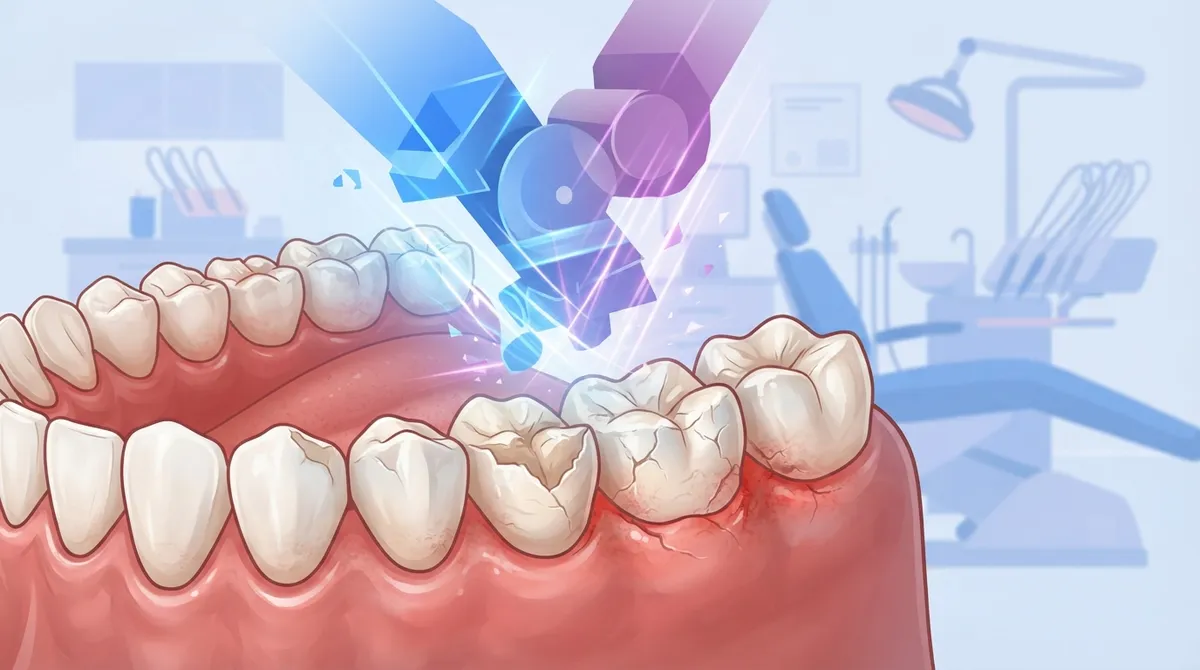
Bruxism is the medical term for grinding or clenching your teeth. It can happen while you sleep or even during the day when you’re stressed or focused on something. Many people don’t realize they have it until a dentist points out the warning signs.
Left untreated, bruxism can wear down your enamel, crack your teeth, and strain your jaw muscles. It can also lead to headaches, ear pain, and disrupted sleep. That’s why regular dental checkups matter so much. A dentist trained in comprehensive exams can spot bruxism before it causes serious damage.
6 Ways Dentists Diagnose Bruxism
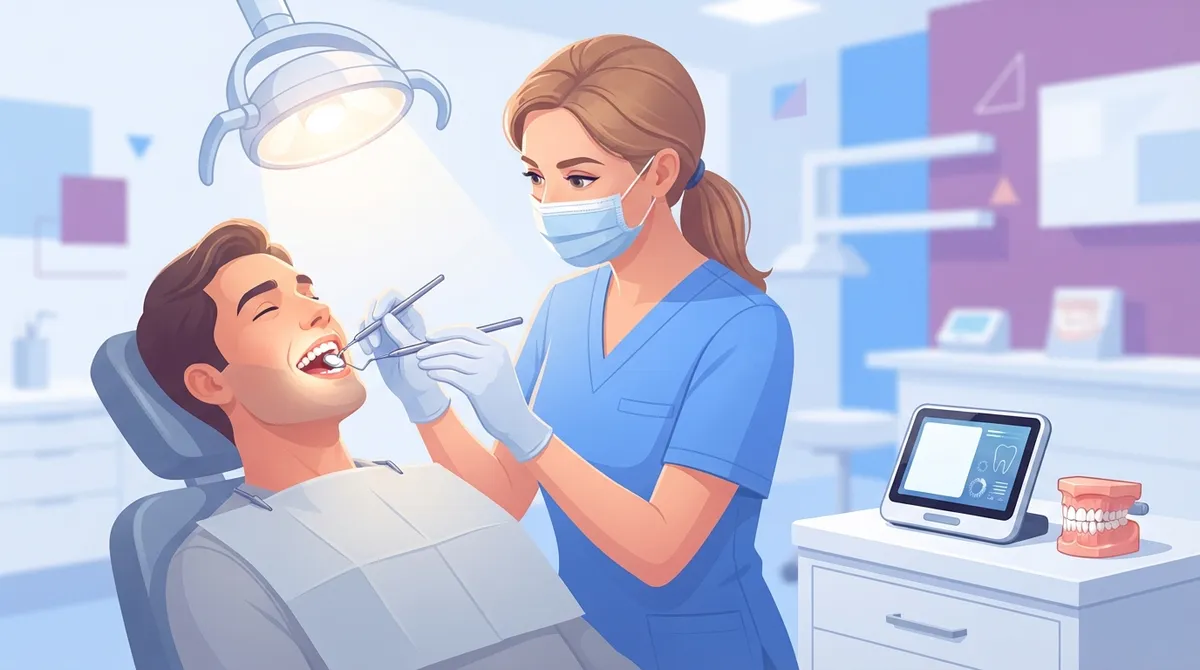
Diagnosing bruxism isn’t a single test. Dentists use a mix of visual checks, patient history, and sometimes special tools. Here’s a breakdown of the main methods used during a dental visit.
1. Visual Examination of Your Teeth
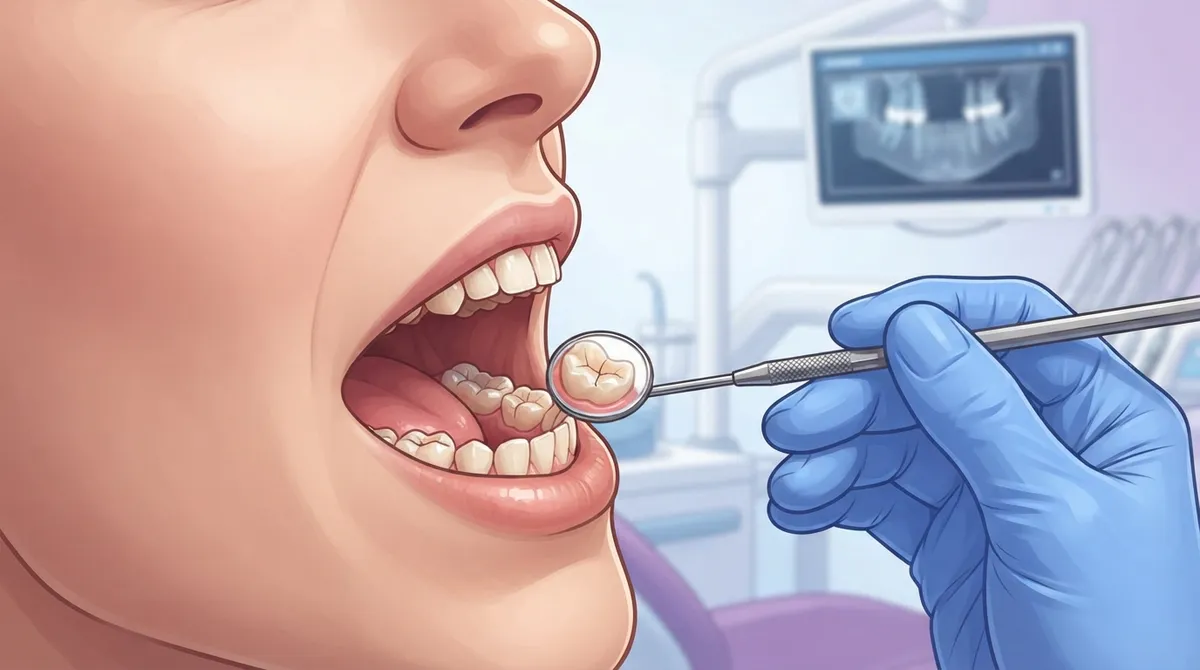
The first thing a dentist looks for is physical wear on your teeth. Flattened, chipped, or cracked teeth are classic signs of grinding. Dentists also check for worn tooth enamel that exposes the softer layer underneath, called dentin.
This kind of damage often shows up on the back molars first, since that’s where most grinding pressure lands. If you’ve noticed your teeth look shorter or more worn than they used to, it’s worth mentioning at your next cleaning.
2. Checking Your Jaw and Facial Muscles
Bruxism doesn’t just affect your teeth. It can also cause your jaw muscles to become tight, swollen, or tender. Dentists gently feel along your jawline and cheeks to check for muscle tenderness or enlargement.
Some patients have masseter muscles (the ones used for chewing) that are larger than normal. This is a strong clue that someone has been clenching or grinding for a long time.
3. Reviewing Your Symptoms and Sleep History
Your dentist will likely ask a few simple questions about your daily habits and how you feel in the morning. Common questions include:
- Do you wake up with jaw pain or soreness?
- Do you get frequent headaches, especially in the morning?
- Has a partner or family member heard you grinding at night?
- Do you feel stressed or anxious often?
- Do your teeth feel sensitive or achy when you wake up?
These answers help dentists connect the dots between physical signs and lifestyle factors. Stress, caffeine, and even sleep disorders can all play a role in bruxism.
4. Looking for Signs of TMJ Disorder
Bruxism and TMJ (temporomandibular joint) disorder often go hand in hand. Dentists check for clicking, popping, or locking sounds when you open and close your mouth. They may also ask if you have trouble opening your mouth wide or feel pain while chewing.
If TMJ symptoms are present, your dentist may recommend additional treatment options to relieve pressure on the jaw joint. Learn more about how TMJ and bruxism are connected and how they impact your overall oral health.
5. Taking Digital X-Rays
Sometimes wear and tear isn’t visible to the naked eye. Dentists may use digital X-rays to check for hidden damage below the gum line or inside the tooth structure. X-rays can reveal small cracks, bone loss around the jaw joint, or changes in the tooth root that point to long-term grinding.
This step is especially helpful for patients who don’t show obvious signs but still report jaw pain or headaches.
6. Discussing Stress and Lifestyle Factors
Bruxism is often linked to stress, anxiety, or even certain medications. Dentists may ask about your daily routine, sleep patterns, and stress levels to get the full picture. This isn’t about diagnosing anxiety, but it helps identify triggers that might be making your grinding worse.
Once your dentist understands your triggers, they can suggest simple lifestyle changes alongside dental treatment to reduce grinding episodes.
Common Signs You Might Have Bruxism
Not sure if you should bring this up at your next appointment? Here are some signs that suggest it’s time to talk to your dentist:
- Frequent headaches, especially when you wake up
- Jaw soreness or stiffness in the morning
- Teeth that feel sensitive to hot or cold
- Visible wear, flattening, or chipping on your teeth
- Clicking or popping sounds in your jaw
- A partner mentioning grinding noises at night
If any of these sound familiar, don’t wait until it gets worse. Early diagnosis makes treatment much easier and more affordable.
Diagnostic Methods Compared
Here’s a quick look at how each diagnostic method works and what it tells your dentist.
| Diagnostic Method | What It Detects | When It’s Used |
|---|---|---|
| Visual Exam | Worn, flattened, or cracked teeth | Every routine checkup |
| Muscle Palpation | Tight or enlarged jaw muscles | When jaw pain is reported |
| Patient History | Sleep habits, stress, headaches | Initial consultation |
| TMJ Assessment | Jaw clicking, popping, limited movement | When jaw dysfunction is suspected |
| Digital X-Rays | Hidden cracks, bone changes | When damage isn’t visible |
| Lifestyle Review | Stress triggers, medication effects | Ongoing management |
What Happens After Diagnosis
Once your dentist confirms bruxism, treatment usually starts with simple, non-invasive options. A custom night guard is one of the most common solutions. It creates a barrier between your teeth so grinding doesn’t cause more damage.
In some cases, your dentist might also recommend stress management techniques or refer you to a specialist if TMJ symptoms are severe. If grinding has already caused significant damage, restorative options like crowns or bridges may be needed to repair worn or cracked teeth.
At Dental Theory, Dr. Chris Karapasha, known as Dr. K, specializes in restoring damaged teeth with same-day ceramic crowns. That means if bruxism has already worn down a tooth, you won’t need multiple appointments to fix it. You can learn more about his approach on his Dr. K’s Gold+ Invisalign Profile, which highlights his commitment to advanced dental care.
Why Regular Checkups Matter for Catching Bruxism Early
Many people don’t realize they grind their teeth until a dentist tells them. That’s because bruxism often happens during sleep, when you have no control over it. Regular dental visits are the easiest way to catch it before it causes lasting damage.
Here’s why staying consistent with checkups makes such a big difference:
- Dentists can compare tooth wear over time using past records
- Early treatment prevents costly repairs later
- Your dentist can adjust treatment as your symptoms change
- Small changes in your bite or jaw can be caught quickly
- You get personalized advice based on your specific habits
If it’s been a while since your last visit, now is a great time to schedule an appointment and get checked out.
Bruxism in Children
Kids can grind their teeth too, especially during stressful periods or while their teeth are still developing. It’s often outgrown, but it’s still worth mentioning to your child’s dentist. Dr. Priyanka Karapasha, known as Dr. Pri, is a board-certified pediatric dentist who understands how to gently evaluate young patients for signs of grinding.
If your child seems anxious about dental visits, Dr. Pri also offers in-office sedation options to make the experience calm and comfortable. This is especially helpful for children who need a more detailed exam to check for bruxism-related wear.
Tips to Manage Bruxism at Home
While professional treatment is important, a few daily habits can help reduce grinding between visits:
- Practice relaxation techniques before bed, like deep breathing
- Cut back on caffeine, especially in the afternoon and evening
- Avoid chewing on pens, ice, or other hard objects during the day
- Stay consistent with your night guard if one is prescribed
- Keep track of stress triggers and address them where possible
These small changes can make a noticeable difference alongside professional dental care.
Trusted Dental Care in Brandon, Florida
Dental Theory has built a reputation as a trusted choice for families across Brandon. Our team combines modern technology with a warm, welcoming environment to make every visit stress-free. Whether you need a routine checkup or suspect you might be dealing with bruxism, we’re here to help.
Want to see what our patients are saying? Check out reviews and updates by visiting us on Facebook. You can also read more patient experiences and Visit us on Google — Dental Theory to see why so many families in Brandon trust us with their smiles.
Dr. Chris Karapasha’s dedication to quality care recently earned him recognition. In fact, Dr. Chris Karapasha has been named one of America’s Top Young Dentists in Incisal Edge magazine’s 2025 40 Under 40, a testament to the expertise patients receive at Dental Theory.
Final Thoughts on Diagnosing Bruxism
Bruxism can sneak up on anyone, but it doesn’t have to control your smile. With regular dental visits, your dentist can catch the warning signs early and help you find the right treatment plan. From simple visual exams to digital X-rays, there are many tools dentists use to get a full picture of your oral health.
If you’re noticing jaw pain, headaches, or worn-down teeth, don’t wait to get it checked. Ready to protect your smile and get answers? Contact Dental Theory today and let our friendly team help you find relief and get back to feeling your best.
FAQs
Q: How does a dentist know if I grind my teeth?
A: Dentists look for worn, flattened, or chipped teeth during your regular checkup. They also check your jaw muscles for tenderness and ask about symptoms like morning headaches or jaw pain. Together, these clues help confirm a bruxism diagnosis.
Q: Can bruxism be diagnosed without X-rays?
A: Yes, many cases are diagnosed through a simple visual exam and a review of your symptoms. X-rays are usually only needed if your dentist suspects hidden damage below the surface. Most diagnoses start with a hands-on evaluation at your regular visit.
Q: Is teeth grinding always caused by stress?
A: Stress is a common trigger, but it’s not the only one. Sleep disorders, certain medications, and even misaligned teeth can contribute to bruxism. Your dentist will ask questions to help figure out what’s causing your specific case.
Q: What happens if bruxism goes undiagnosed?
A: Untreated bruxism can wear down your enamel, crack your teeth, and lead to jaw pain or TMJ issues over time. It’s much easier and more affordable to treat early. That’s why regular dental visits are so important for catching it before it gets serious.
Q: Do kids need to be checked for bruxism too?
A: Yes, children can grind their teeth, especially during stressful times or while their teeth are developing. A pediatric dentist like Dr. Pri can gently check for signs during routine visits. Most kids outgrow it, but it’s still worth monitoring.
Our Service Area