Key Takeaways
-
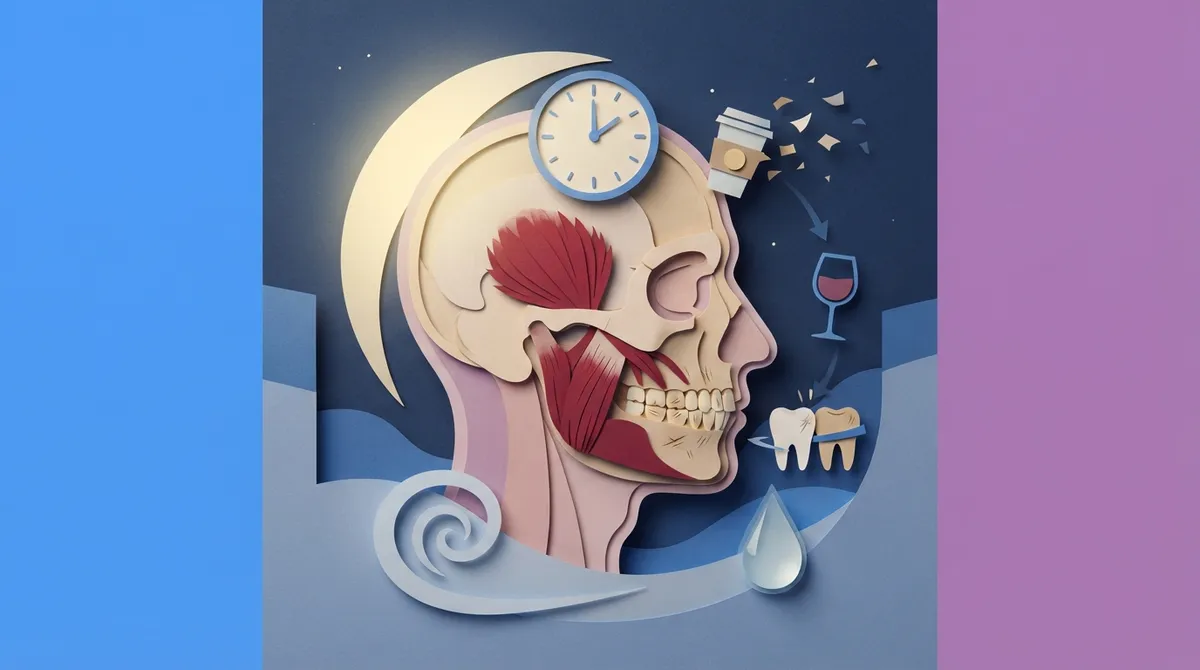
Avoid caffeine after 2 PM and alcohol within 3 hours of bedtime, as both stimulate jaw muscles and disrupt deep sleep cycles that trigger teeth grinding.
-
Caffeine keeps jaw muscles active during sleep while alcohol dehydrates jaw tissues and disrupts restorative sleep stages—combining both creates a rebound effect that worsens grinding.
-
Watch for warning signs like jaw soreness, morning headaches, or visible tooth wear and schedule a dental checkup early, as custom nightguards and same-day crowns can prevent serious damage.
-
Practice stress-reducing habits like consistent sleep schedules, deep breathing, and daily hydration to address stress hormones that fuel nighttime grinding episodes.
Do you wake up with a sore jaw or a dull headache more mornings than not? You might be grinding your teeth at night without even knowing it. Many of our patients at Dental Theory in Brandon, FL ask us the same question: does that afternoon coffee or evening glass of wine make things worse? The short answer is yes, but the full story is more interesting. Let’s break it down in simple terms so you can protect your smile and sleep better tonight.
Teeth grinding, also called bruxism, affects people of all ages. It can wear down your enamel, crack your teeth, and cause jaw pain over time. What you eat and drink plays a bigger role than most people realize. Let’s look at exactly how caffeine and alcohol fit into this picture, and what you can do about it.
What Is Teeth Grinding and Why Does It Happen
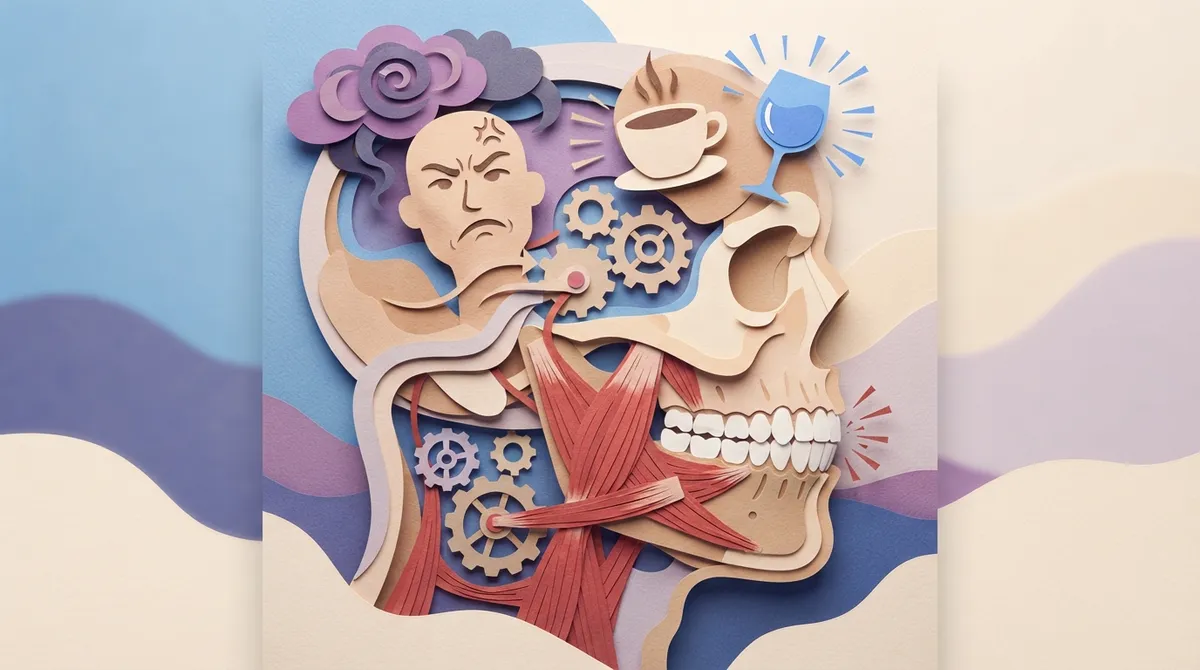
Teeth grinding, or bruxism, means clenching or grinding your teeth. It often happens at night while you sleep. Some people also grind during the day without noticing, especially when stressed or focused on a task.
There are many causes behind this habit. Stress and anxiety top the list. Poor sleep, a misaligned bite, and even certain medications can trigger it too. Our team recently covered this topic in more detail in What Is Bruxism? Signs, Causes, and Simple Fixes.
Common Signs You Might Be Grinding Your Teeth
- Waking up with a sore or tight jaw
- Frequent headaches, especially in the morning
- Flattened, chipped, or cracked teeth
- Increased tooth sensitivity
- A partner telling you they hear grinding at night
- Jaw clicking or popping when you open your mouth
6 Ways Caffeine and Alcohol Make Teeth Grinding Worse
Here is a closer look at how your daily habits might be fueling nighttime grinding. Understanding these triggers is the first step toward better sleep and a healthier smile.
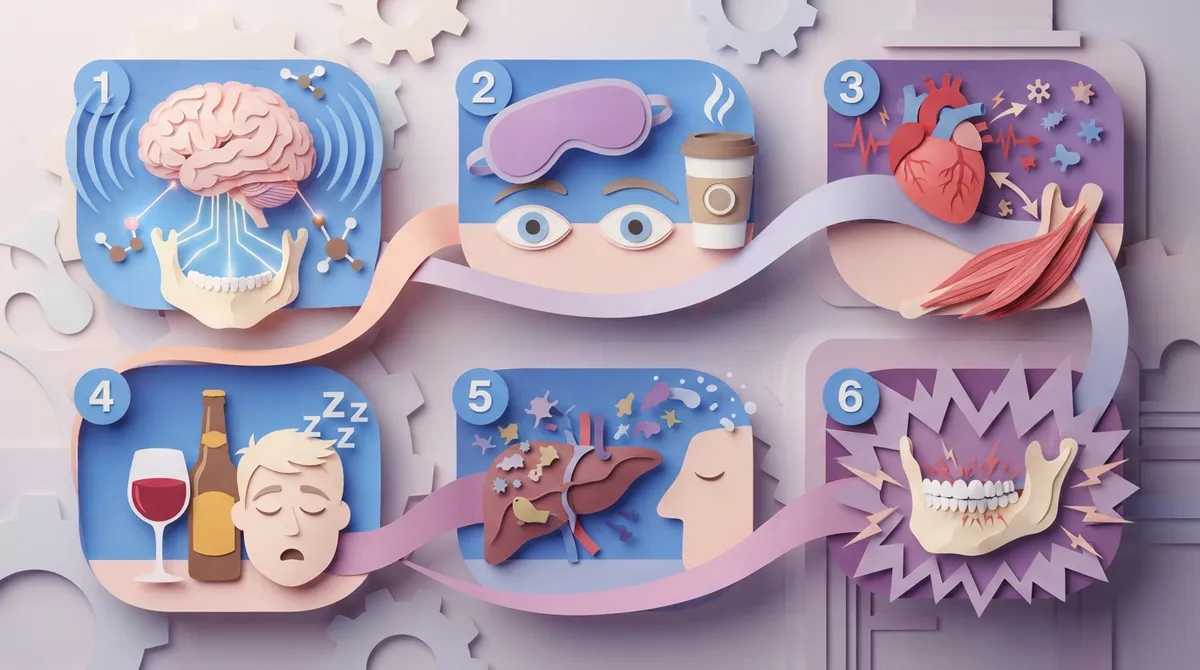
1. Caffeine Keeps Your Nervous System on High Alert
Caffeine is a stimulant. It speeds up your nervous system and keeps your muscles more active, even while you sleep. This includes your jaw muscles. Studies published by the National Library of Medicine have linked high caffeine intake to increased muscle activity during sleep, which can worsen grinding episodes.
2. Alcohol Disrupts Deep Sleep Cycles
Alcohol might make you feel drowsy, but it actually disrupts your sleep quality. It reduces the amount of deep, restorative sleep you get. Poor sleep quality is directly tied to higher rates of bruxism, especially in the second half of the night.
3. Both Substances Increase Stress Hormones
Caffeine and alcohol can both raise cortisol levels in your body. Cortisol is your stress hormone. Since stress is one of the biggest triggers for teeth grinding, higher cortisol levels late in the day can set you up for a rough night.
4. Late-Night Drinking Habits Compound the Problem
Many people reach for coffee in the afternoon or a drink in the evening to relax. Unfortunately, both habits close to bedtime can make grinding more likely. Your body needs time to process these substances before you sleep.
5. Dehydration From Alcohol Affects Jaw Muscles
Alcohol dehydrates your body. Dehydrated muscles, including those in your jaw, can become tense and more prone to spasms or clenching during sleep.
6. Caffeine and Alcohol Together Create a Rebound Effect
Some people drink coffee in the morning and alcohol at night to balance each other out. This combination can confuse your sleep cycle even more, leading to lighter sleep stages where grinding tends to happen more often.
How Caffeine and Alcohol Compare as Bruxism Triggers
Here is a simple table to help you understand the differences between these two common triggers.
| Factor | Caffeine | Alcohol |
|---|---|---|
| Main Effect | Stimulates nervous system | Disrupts deep sleep |
| Timing Risk | Afternoon or evening use | Any evening use before bed |
| Muscle Impact | Increases jaw muscle activity | Causes muscle tension from dehydration |
| Sleep Stage Affected | Light sleep stages | Deep sleep and REM sleep |
| Best Practice | Avoid after 2 PM | Avoid within 3 hours of bedtime |
Steps You Can Take to Reduce Nighttime Grinding
The good news is that small changes can make a real difference. Here are some steps our patients have found helpful.
- Cut back on caffeine after lunchtime, especially coffee, tea, and energy drinks
- Limit alcohol intake, particularly in the hours before bed
- Practice relaxation techniques like deep breathing or gentle stretching before sleep
- Keep a consistent sleep schedule every night
- Stay hydrated throughout the day
- Talk to your dentist about a custom nightguard for protection
If you already notice signs of wear on your teeth, it helps to know which teeth take the hardest hit from bruxism. This can guide your treatment plan and help prevent further damage.
When to See a Dentist About Teeth Grinding
Not every case of grinding needs treatment right away. But you should not ignore it if symptoms persist. Here is a quick guide on when to schedule a visit.
Signs That Mean It’s Time for a Checkup
- Jaw pain that lasts more than a few days
- Visible wear or flattening on your teeth
- Frequent morning headaches
- Cracked or chipped teeth
- Sensitivity to hot or cold foods
At Dental Theory, we take a thorough approach to comprehensive exams so we can catch signs of grinding early. Dr. Chris Karapasha, known to patients as Dr. K, has helped many Brandon adults manage the effects of bruxism through general dentistry care and protective solutions. Dr. K’s dedication to patient care recently earned recognition, as Dr. Chris Karapasha has been named one of America’s Top Young Dentists in Incisal Edge magazine’s 2025 40 Under 40.
Protecting Your Teeth From Grinding Damage
Sometimes lifestyle changes alone are not enough. If grinding has already caused damage, you may need restorative care. This could include repairing a cracked tooth or replacing a worn crown.
Dental Theory offers same-day ceramic crowns for patients who need fast, reliable restoration. You never have to wait or come back for multiple visits. Dr. K uses this technology to fit your schedule and get you back to feeling confident quickly. Learn more about what same-day crowns are and how the process works, or explore same-day crowns versus traditional crowns to see which option fits your needs.
Table: Common Grinding-Related Damage and Solutions
| Type of Damage | Possible Solution |
|---|---|
| Cracked tooth | Same-day ceramic crown |
| Worn enamel | Custom nightguard |
| Jaw pain or TMJ symptoms | TMJ rehabilitation therapy |
| Loose or damaged filling | Filling replacement or crown |
If jaw pain has become a regular issue, our TMJ rehabilitation services may help. We also recommend reading Why Won’t Your Jaw Pain Go Away? TMJ Relief Tips for more guidance on finding relief.
Simple Daily Habits That Support Healthy Teeth
Beyond cutting back on caffeine and alcohol, a few daily habits can protect your smile long term.
- Brush twice a day with fluoride toothpaste
- Floss daily to remove plaque between teeth
- Schedule regular teeth cleanings every six months
- Wear a nightguard if your dentist recommends one
- Manage stress through exercise or hobbies you enjoy
These small steps add up over time. Combined with mindful drinking habits, they can significantly reduce your risk of grinding-related damage.
Why Brandon Families Trust Dental Theory
Dental Theory has built a reputation as a caring, family-focused practice in Brandon, Florida. We use modern technology and a friendly approach to make every visit stress-free. Whether you need a routine cleaning, a same-day crown, or help managing teeth grinding, our team is ready to help.
You can visit us on Google — Dental Theory to see what our patients say about their experiences. We also share updates and tips regularly, so feel free to visit us on Facebook to stay connected with our community.
Final Thoughts on Caffeine, Alcohol, and Teeth Grinding
Caffeine and alcohol can absolutely make teeth grinding worse. Caffeine keeps your muscles active, while alcohol disrupts the deep sleep your body needs to relax. Cutting back on both, especially in the evening, can lead to better sleep and less jaw tension.
If you are already noticing signs of wear or jaw pain, do not wait to get it checked. Early treatment can prevent bigger problems down the road, like cracked teeth or ongoing TMJ discomfort. Our friendly team is here to guide you every step of the way, whether that means a custom nightguard, a same-day crown, or simple lifestyle advice.
Ready to protect your smile and get a good night’s sleep? Contact Dental Theory today to schedule your visit. You can also schedule an appointment online at a time that works best for you. Our Brandon, FL team is ready to help you wake up feeling refreshed, pain-free, and confident in your smile.
FAQs
Q: Does drinking coffee really make teeth grinding worse?
A: Yes, it can! Coffee and other caffeinated drinks stimulate your nervous system, which keeps your jaw muscles more active even while you sleep. Cutting back on caffeine after lunchtime often helps reduce nighttime grinding.
Q: Can a glass of wine before bed cause teeth grinding?
A: It might, actually. Alcohol disrupts your deep sleep cycles, and lighter sleep stages are linked to more grinding episodes. Try enjoying that glass earlier in the evening instead of right before bed.
Q: How long before bed should I stop drinking caffeine or alcohol?
A: A good rule of thumb is to avoid caffeine after 2 PM and skip alcohol within three hours of bedtime. This gives your body time to process both substances before you fall asleep.
Q: What should I do if I think I’m grinding my teeth at night?
A: Start by watching for signs like jaw soreness or morning headaches, then schedule a checkup with your dentist. We can check for wear patterns and recommend a custom nightguard if needed.
Q: Can Dental Theory fix teeth that are already damaged from grinding?
A: Absolutely! We offer same-day ceramic crowns for damaged teeth, so you get lasting protection without multiple visits. Our friendly Brandon team is happy to walk you through your options.
Our Service Area