Key Takeaways
-
Teeth grinding (bruxism) and stress-related jaw clenching are the most common causes of TMJ disorder; wearing a custom nightguard while sleeping can significantly reduce pressure on the jaw joint.
-
TMJ disorder rarely resolves on its own and early detection is crucial; if jaw clicking, pain, or tightness lasts more than a week or two, schedule a dental evaluation to prevent worsening.
-
Misaligned bites and poor posture strain the jaw joint; correcting bite issues through orthodontics or dental restorations, and maintaining good posture during work, can substantially reduce TMJ symptoms.
-
Physical therapy exercises, stress management techniques, and avoiding hard/chewy foods are practical daily habits that protect your jaw and prevent TMJ disorder development or progression.
Does your jaw click when you eat a sandwich? Do you wake up with a sore jaw or a nagging headache? You are not alone. Millions of people deal with jaw pain, and a lot of them have no idea why it’s happening. The answer is often something called TMJ disorder, and understanding what causes it is the first step toward feeling better.
At Dental Theory in Brandon, FL, we talk to patients every week who are surprised to learn their headaches, ear pain, or clicking jaw are connected to their bite and jaw joint. Grab a cup of coffee (nothing too crunchy, we promise) and let’s break down exactly what causes TMJ disorder, how to spot it, and what you can do about it.
What Is TMJ Disorder, Exactly?
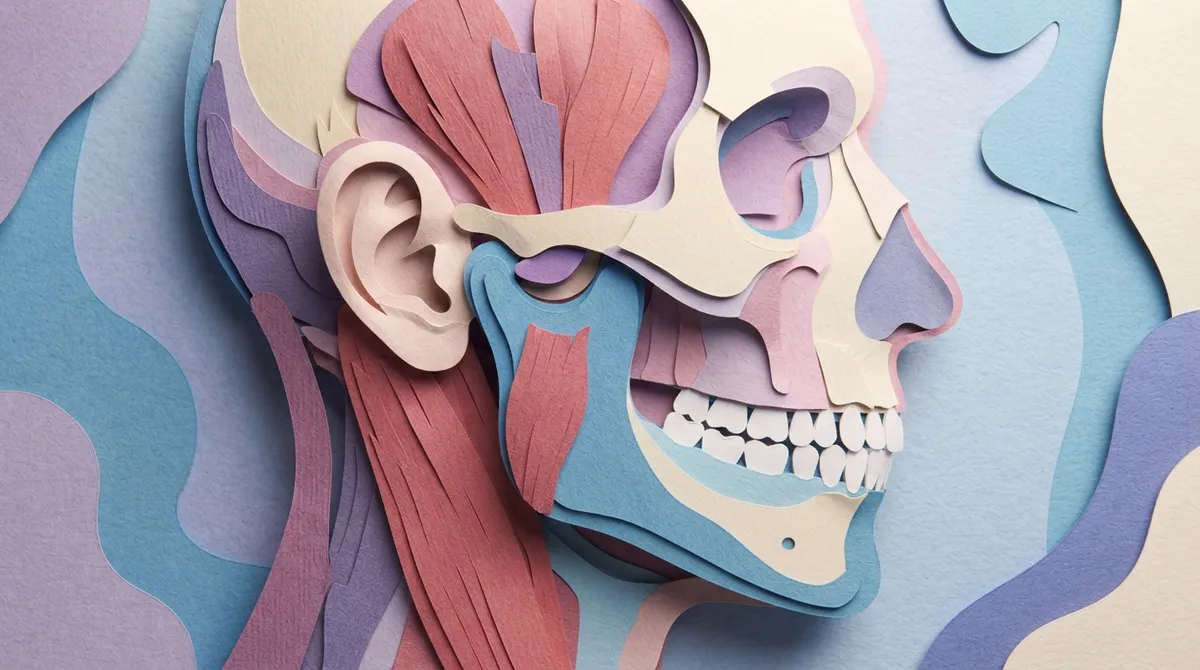
TMJ stands for the temporomandibular joint. It’s the hinge that connects your jawbone to your skull, right in front of your ears. You use it every time you talk, chew, or yawn. When this joint gets irritated or damaged, doctors call it TMJ disorder, or sometimes TMD.
Think of it like a door hinge that’s gotten squeaky or bent. It still works, but not smoothly. Every movement causes friction, pain, or a weird popping sound. That’s basically what’s happening inside your jaw when TMJ disorder shows up.
What Causes TMJ Disorder?
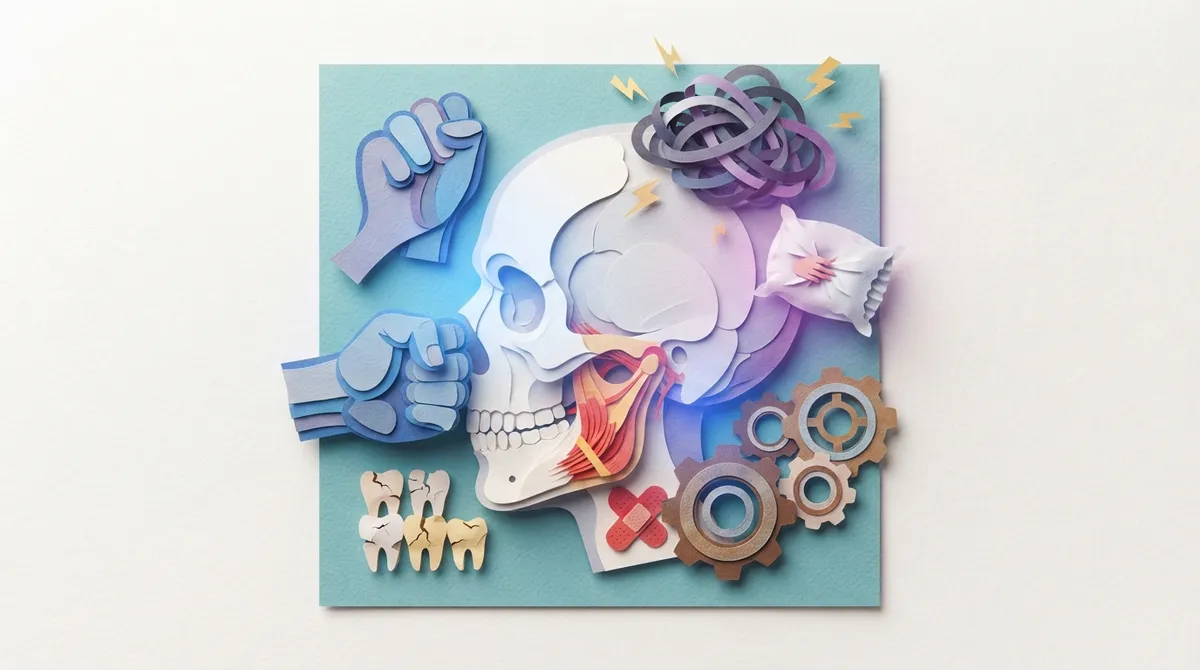
There’s rarely just one single cause. Most of the time, TMJ disorder develops from a mix of habits, injuries, and physical factors working together. Here are the most common culprits our team sees at our Brandon dental office.
1. Teeth Grinding and Clenching
Grinding your teeth at night, also called bruxism, puts a ton of extra pressure on your jaw joint. Over time, this constant clenching wears down the joint and the muscles around it. Many people don’t even know they grind their teeth until a dentist points out the worn-down enamel.
2. Misaligned Bite or Crooked Teeth
When your upper and lower teeth don’t fit together the way they should, your jaw has to work harder to chew properly. This uneven pressure can strain the joint over months or years. This is one reason orthodontic treatment isn’t just about a straighter smile, it can also protect your jaw.
3. Jaw Injury or Trauma
A blow to the face, a car accident, or even a hard fall can damage the jaw joint directly. Sports injuries are a common cause too, especially for people who play contact sports without a mouthguard.
4. Arthritis
Just like other joints in your body, the TMJ can develop arthritis. This wears down the cartilage that helps the joint move smoothly, leading to stiffness and pain.
5. Stress
Stress is sneaky. A lot of people clench their jaw without realizing it when they’re anxious, focused, or under pressure at work. That constant tension adds up and can trigger or worsen TMJ symptoms.
6. Poor Posture
Believe it or not, slouching at your desk or looking down at your phone all day can throw off the alignment of your neck and jaw. This posture strain can contribute to jaw joint problems over time.
7. Missing or Worn Teeth
When teeth are missing, cracked, or heavily worn down, your bite changes. This shifts pressure to other parts of your jaw, sometimes overworking the joint.
Common Causes of TMJ Disorder at a Glance
| Cause | How It Affects the Jaw | Who’s Most at Risk |
|---|---|---|
| Teeth grinding (bruxism) | Adds constant pressure and wear on the joint | Stressed adults, people who grind at night |
| Misaligned bite | Forces uneven pressure during chewing | People with crooked or shifted teeth |
| Jaw injury | Damages joint structure directly | Athletes, accident survivors |
| Arthritis | Wears down joint cartilage | Older adults |
| Stress | Leads to unconscious clenching | Anyone under chronic stress |
| Poor posture | Misaligns jaw and neck muscles | Desk workers, phone users |
| Missing or worn teeth | Shifts bite pressure unevenly | Adults with untreated dental issues |
Signs You Might Have TMJ Disorder
Not sure if your jaw pain is TMJ disorder or something else? Here are the most common symptoms we hear about from patients in Brandon.
- Clicking, popping, or grinding sounds when you open your mouth
- Pain or tenderness in the jaw, face, or neck
- Trouble opening your mouth all the way
- Jaw locking or getting stuck open or closed
- Frequent headaches, especially in the morning
- Ear pain or a ringing sound without an infection
- Aching pain that spreads to your shoulders
If any of this sounds familiar, it’s worth having a conversation with your dentist. TMJ pain rarely goes away on its own, and catching it early makes treatment much easier.
How Dentists Diagnose TMJ Disorder
Diagnosing TMJ disorder usually involves a few simple steps. Here’s what you can expect during an evaluation.
- A physical exam where your dentist checks your jaw’s range of motion and listens for clicking sounds
- A review of your dental and medical history, including stress levels and old injuries
- An inspection of your teeth for signs of grinding or uneven wear
- Digital X-rays or imaging to get a clear look at the joint itself
- A discussion of your daily habits, like nail biting, gum chewing, or posture
Our team offers digital X-rays right in our office, which helps us get answers quickly instead of sending you elsewhere for imaging.
How TMJ Disorder Is Treated
The good news is that most TMJ disorder cases can be managed without surgery. Treatment depends on what’s causing your symptoms, but here are the most common approaches.
- Custom nightguards to prevent grinding while you sleep
- Bite adjustments to correct uneven pressure on the jaw
- Orthodontic treatment to fix misaligned teeth
- Physical therapy exercises for the jaw muscles
- Stress management techniques to reduce clenching
- Dental restorations, like crowns, to fix worn or damaged teeth
If your teeth have worn down or cracked from years of grinding, restorative options like crowns, veneers, or bridges can help rebuild a healthy bite. Dental Theory offers TMJ rehabilitation designed to ease your discomfort and protect your smile for the long run.
Why Same-Day Crowns Matter for TMJ Patients
When TMJ disorder has worn down or damaged your teeth, getting them fixed quickly matters. That’s where Dr. Chris Karapasha, known around the office as Dr. K, comes in. He specializes in adult and cosmetic dentistry, and he offers same-day ceramic crowns right here in Brandon.
Instead of wearing a temporary crown for weeks while you wait for a lab, Dr. K can design, create, and place your ceramic crown in a single visit. This means less time dealing with sensitive teeth and more time getting back to normal life. You can learn more about how same-day crowns work and why so many patients prefer this option over the old multi-visit method.
Dr. Chris Karapasha has been named one of America’s Top Young Dentists in Incisal Edge magazine’s 2025 40 Under 40, a recognition that speaks to his dedication to advanced, patient-friendly dental care right here in Brandon.
Everyday Habits That Can Help Protect Your Jaw
While you can’t control everything that causes TMJ disorder, there are habits that lower your risk and ease symptoms. Try adding these to your daily routine.
- Avoid chewing gum for long stretches of time
- Cut hard or chewy foods into smaller bites
- Practice good posture, especially while working or scrolling your phone
- Use stress-relief techniques like deep breathing or short walks
- Wear a mouthguard during sports or workouts
- Avoid resting your chin on your hand for long periods
- Schedule regular dental checkups to catch grinding early
When Should You See a Dentist About Jaw Pain?
You don’t need to wait until the pain is unbearable. If you notice clicking, tightness, or soreness that lasts more than a week or two, it’s time to get checked out. Waiting too long can allow the problem to get worse and harder to treat.
Our friendly team at Dental Theory in Brandon takes time to listen to your symptoms and build a treatment plan that actually fits your life. We know dental visits can feel stressful, so we focus on creating a calm, welcoming space for every patient who walks through our doors.
TMJ Disorder in Kids and Teens
While TMJ disorder is more common in adults, kids and teens can experience it too, especially if they grind their teeth or have a misaligned bite. If your child complains about jaw pain or you notice clicking sounds, it’s worth mentioning at their next visit.
Families throughout Brandon trust Dr. Priyanka Karapasha, known as Dr. Pri, for gentle pediatric care. As a board-certified pediatric dentist, she knows how to spot early signs of jaw issues in growing smiles and guide families toward the right next steps.
Take the Next Step Toward Jaw Pain Relief
TMJ disorder can sneak into your daily life quietly, showing up as headaches, jaw soreness, or that annoying clicking sound. But you don’t have to just live with it. Understanding what causes TMJ disorder is the first step toward finding real relief.
Our team at Dental Theory has helped countless Brandon families feel comfortable and confident in their smiles again. If jaw pain, clicking, or grinding has been bothering you, now is a great time to contact Dental Theory and get answers. You can also schedule an appointment online in just a few minutes.
Curious what other patients say about their experience? Feel free to visit us on Google — Dental Theory or visit us on Facebook to see real reviews from folks right here in Brandon. Your jaw deserves some relief, and we’re ready to help.
FAQs
Q: What causes TMJ disorder the most?
A: Teeth grinding and clenching are two of the biggest culprits we see in our Brandon patients. Stress, jaw injuries, and a misaligned bite also play a big role. Usually, it’s a combination of a few of these factors working together over time.
Q: Can TMJ disorder go away on its own?
A: Mild cases sometimes ease up with rest and stress relief, but most people need some kind of treatment to feel real relief. Ignoring it can let the problem get worse, so it’s better to get checked out sooner rather than later. Our team is happy to take a look and put your mind at ease.
Q: Is TMJ disorder linked to teeth grinding?
A: Yes, teeth grinding, also called bruxism, is one of the most common causes of TMJ disorder. The constant pressure from grinding wears down your jaw joint over time. A custom nightguard can make a big difference for many patients.
Q: Can fixing my bite help with TMJ pain?
A: Absolutely. When your teeth don’t line up correctly, your jaw works overtime just to chew normally. Correcting your bite, sometimes with crowns or orthodontic treatment, can take a lot of pressure off your jaw joint.
Q: Does Dental Theory treat TMJ disorder in Brandon?
A: Yes! We offer TMJ rehabilitation designed to ease jaw pain and protect your smile for the long haul. Feel free to reach out anytime, we’d love to help you feel comfortable again.
Our Service Area