Key Takeaways
-
Sleep disorders like obstructive sleep apnea cause micro-arousals that trigger jaw muscle clenching and grinding; treating the underlying sleep disorder often reduces bruxism episodes significantly.
-
Morning jaw soreness, headaches, worn teeth, and tooth sensitivity are key warning signs of sleep bruxism that warrant a dental visit for early detection and damage prevention.
-
Custom-fit nightguards are the primary protective treatment for sleep bruxism, while stress reduction, consistent sleep schedules, and limiting caffeine improve sleep quality and reduce grinding episodes.
-
Sleep fragmentation from conditions like insomnia, restless leg syndrome, or medication side effects increases nighttime awakenings, each providing an opportunity for grinding episodes to occur.
-
Same-Day Crowns offer a convenient one-visit solution for teeth already damaged by bruxism, eliminating the need for temporary crowns and multiple appointments.
-
Children can develop sleep-related bruxism from enlarged tonsils or allergies disrupting sleep; pediatric evaluation is important to prevent long-term dental damage.
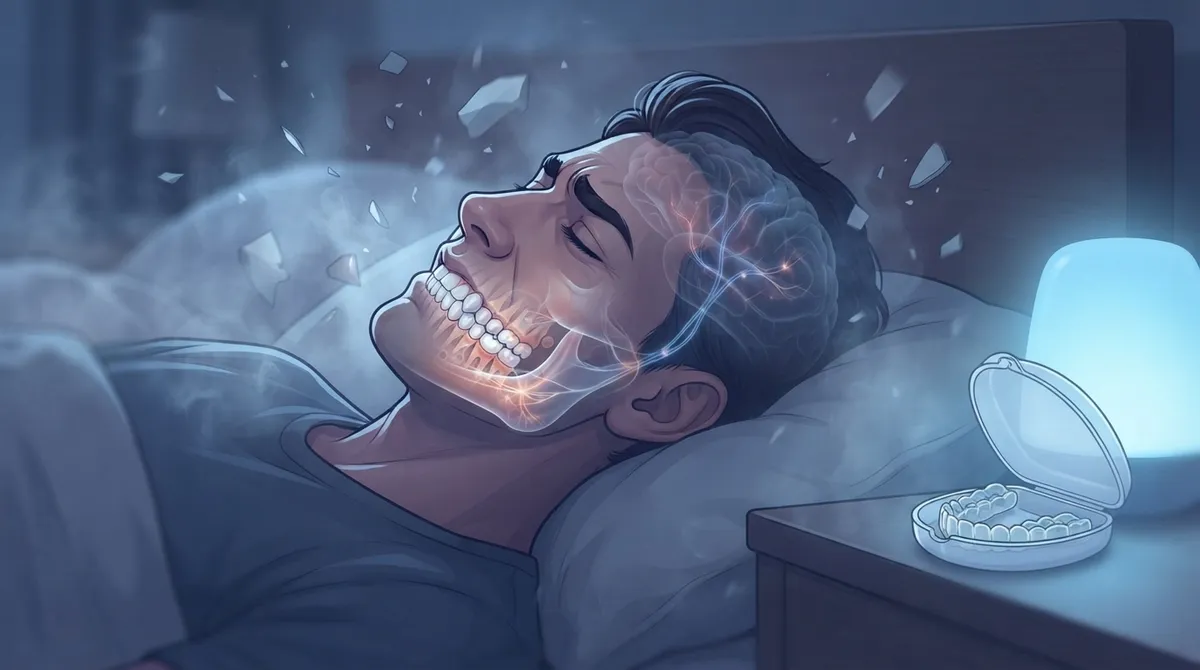
Do you wake up with a sore jaw or a dull headache almost every morning? You might be grinding your teeth at night without even knowing it. Many people never suspect their tired mornings are linked to something happening while they sleep. The truth is, sleep disorders and bruxism (that’s the medical word for teeth grinding) often go hand in hand. Understanding this connection can help you protect your smile and finally get the rest you deserve.
At Dental Theory in Brandon, FL, we see patients every week who had no idea their sleep quality was wrecking their teeth. This friendly guide breaks down exactly how sleep disorders cause bruxism, what warning signs to watch for, and what you can do about it. Let’s dig in together.
What Is Bruxism, Really?
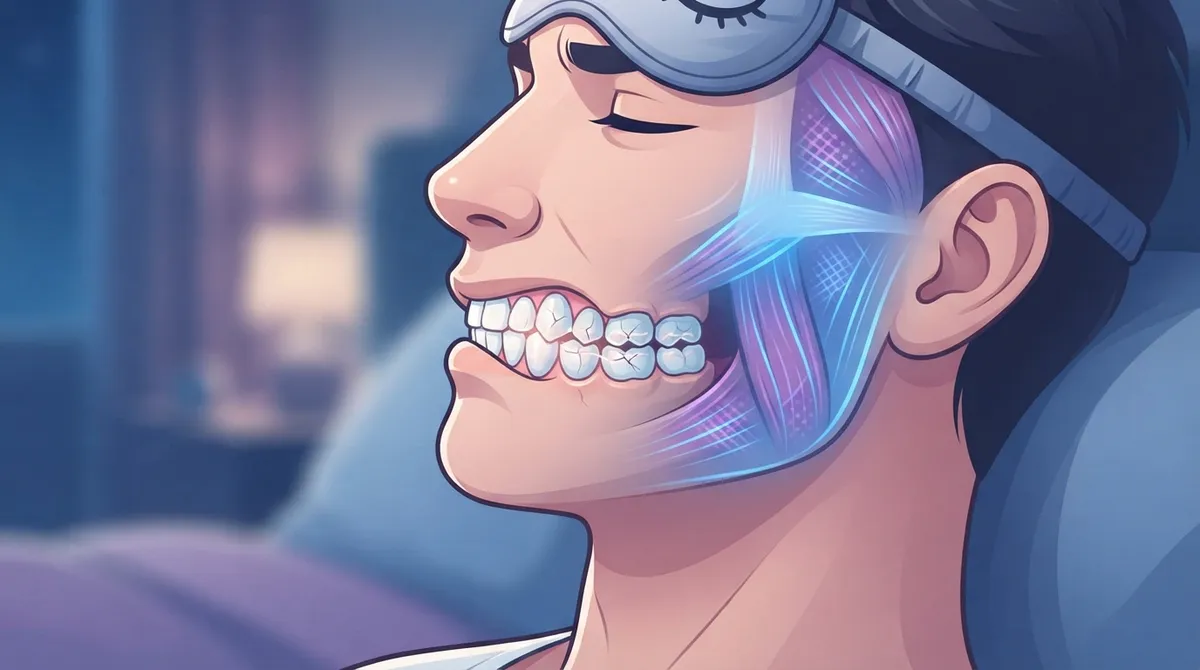
Bruxism simply means grinding or clenching your teeth. It can happen while you’re awake or while you’re fast asleep. Sleep bruxism is actually classified as a sleep-related movement disorder, which is a big clue about where the problem starts. Your jaw muscles clench tight, your teeth grind together, and you may never remember it happening at all.
Many patients only find out because a partner mentions the grinding noise, or because their dentist spots the wear and tear during a checkup. That’s one reason regular comprehensive exams matter so much for catching this early.
Can Sleep Disorders Cause Bruxism? The Short Answer
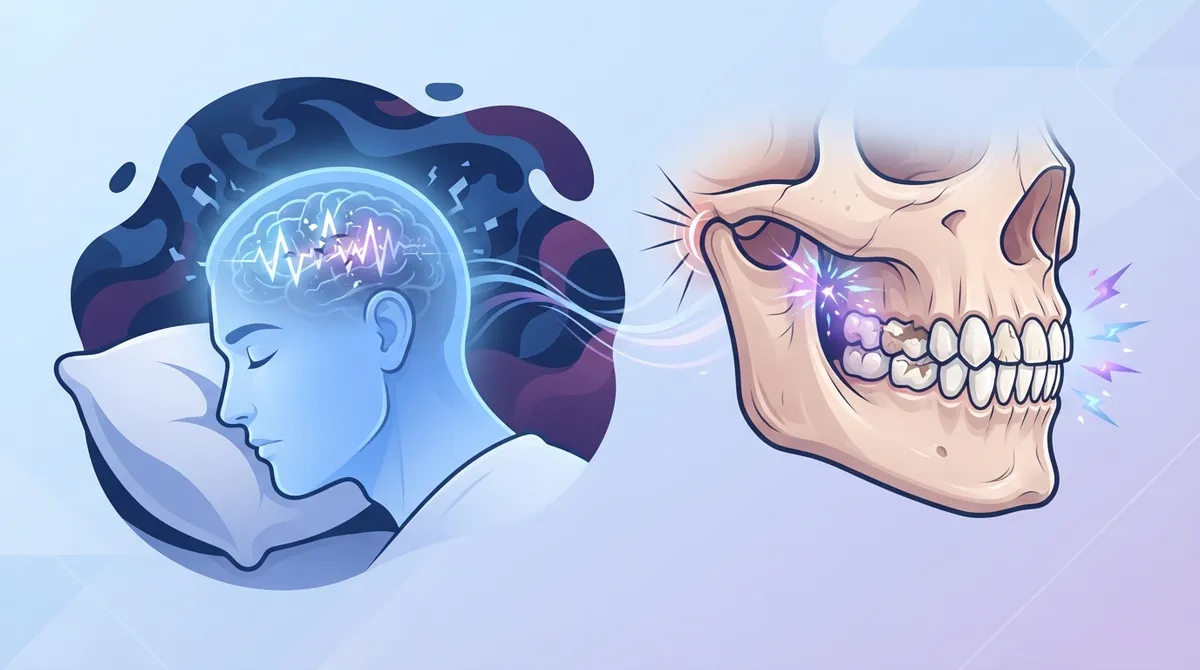
Yes, absolutely. Research consistently shows a strong link between disrupted sleep and nighttime teeth grinding. When your brain moves through different sleep stages, tiny arousals or awakenings can trigger jaw muscle activity. If you have a sleep disorder, these disruptions happen more often, which means more grinding.
According to the National Heart, Lung, and Blood Institute, sleep disorders affect the whole body, not just your rest. Your jaw is part of that picture too. Let’s look at the nine specific ways sleep problems can lead to bruxism.
9 Ways Sleep Disorders Cause Bruxism
1. Sleep Apnea and Airway Blockage
Obstructive sleep apnea is one of the biggest culprits behind sleep bruxism. When your airway gets blocked during sleep, your body briefly wakes up to reopen it. This micro-arousal often triggers a burst of jaw clenching and grinding as your muscles react to the interrupted breathing.
People with untreated sleep apnea grind their teeth far more often than those with normal breathing patterns. This is why our team offers sleep apnea treatment alongside bruxism care, because treating one often improves the other.
2. Frequent Micro-Arousals
Even without full-blown sleep apnea, many people experience tiny wake-ups throughout the night. These micro-arousals last just seconds, but they can be enough to spark a grinding episode. Poor sleep quality overall increases how often these little disruptions happen.
3. Insomnia and Restless Sleep
Struggling to fall asleep or stay asleep puts your nervous system on high alert. This heightened state can carry over into your jaw muscles, causing clenching throughout the night. Chronic insomnia sufferers often report more jaw soreness and headaches upon waking.
4. REM Sleep Behavior Disorder
During REM sleep, your body is normally still while your brain is active with dreams. In REM sleep behavior disorder, this natural pause in movement doesn’t fully happen. That can include increased jaw muscle activity, contributing to grinding episodes.
5. Snoring and Airway Resistance Syndrome
Snoring isn’t just annoying for your partner. It’s a sign your airway is partially restricted. This restriction can cause the same kind of arousal response seen in sleep apnea, leading to more frequent bruxism episodes throughout the night.
6. Stress-Related Sleep Disturbances
High stress levels often disrupt sleep patterns, and stress is also a well-known trigger for teeth grinding. When stress keeps you tossing and turning, your jaw muscles may stay tense even after you finally drift off.
7. Sleep Fragmentation from Other Disorders
Conditions like periodic limb movement disorder or restless leg syndrome can fragment your sleep cycle. Every time your sleep gets interrupted, there’s a chance for jaw clenching to occur. More fragmentation generally means more grinding.
8. Medication Side Effects Impacting Sleep
Certain medications, especially some antidepressants, can disrupt normal sleep architecture. This disruption has been linked to increased bruxism in some patients. If you started a new medication and noticed jaw pain, mention it at your next visit.
9. Poor Sleep Hygiene Habits
Irregular bedtimes, too much screen time, and caffeine late in the day all hurt sleep quality. Lower sleep quality means more nighttime awakenings, and more awakenings can mean more grinding. Building better sleep habits can genuinely help your teeth.
Common Signs You Might Have Sleep Bruxism
- Waking up with a sore or tight jaw
- Frequent morning headaches near your temples
- Flattened, chipped, or worn-down teeth
- Increased tooth sensitivity to hot or cold
- A partner noticing grinding sounds at night
- Jaw clicking or popping when you chew
How Dentists Diagnose Sleep-Related Bruxism
Your dentist plays a bigger role in spotting sleep issues than you might expect. During a routine visit, we check for telltale signs of grinding damage. Here’s a simple breakdown of the diagnostic process.
- Visual exam of tooth wear patterns and enamel damage
- Discussion of morning symptoms like jaw pain or headaches
- Review of your sleep habits and any known sleep disorders
- Possible referral for a sleep study if apnea is suspected
- Custom nightguard fitting to protect your teeth immediately
Our team at Dental Theory always takes time during comprehensive exams to ask about sleep quality. It’s a simple question that often reveals a lot.
Sleep Bruxism vs Awake Bruxism
| Feature | Sleep Bruxism | Awake Bruxism |
|---|---|---|
| Main Trigger | Sleep disorders, arousals | Stress, concentration |
| Awareness | Usually unaware | Often noticeable |
| Movement Type | Grinding and clenching | Mostly clenching |
| Common Symptoms | Morning jaw pain, headaches | Jaw fatigue during the day |
| Treatment Focus | Nightguards, sleep therapy | Stress management, awareness training |
Treatment Options That Actually Help
The good news is bruxism is very treatable, especially once you understand the root cause. Here’s a simple ranked list of what usually works best.
- Custom-fit nightguards to protect enamel from grinding damage
- Treating underlying sleep apnea with proper airway therapy
- Stress reduction techniques like meditation or exercise
- Improving sleep hygiene with consistent bedtimes
- Dental correction for bite alignment issues
- Follow-up monitoring to track improvement over time
If grinding has already damaged your teeth, restorative options like veneers, crowns, and bridges can restore your smile. Dr. Chris Karapasha, known to patients as Dr. K, even offers Same-Day Crowns made from durable ceramic material. This means you never have to wait around or come back for a second visit just to fix a worn or damaged tooth.
Why Choose Same-Day Crowns for Grinding Damage?
Traditional crowns often require two visits and an uncomfortable temporary crown in between. Same-Day Crowns skip all of that. You get a permanent, custom-fitted ceramic crown in one convenient appointment. That’s a huge win if grinding has already worn down or cracked a tooth.
- One visit instead of two, saving you time
- No temporary crown means no waiting period discomfort
- Durable ceramic material designed to handle daily wear
- Precise digital fitting for a comfortable, natural feel
- Perfect for patients dealing with bruxism-related tooth damage
You can learn more about how this process compares to traditional methods in our article on Same-Day Crowns vs Traditional Crowns.
Kids and Sleep Bruxism
Believe it or not, children grind their teeth too, and sleep issues can be a factor for them as well. Enlarged tonsils, allergies, or airway problems can all disrupt a child’s sleep and lead to grinding. If your little one seems to grind at night, it’s worth mentioning to your pediatric dentist.
Our practice is proud to offer expert pediatric care through Dr. Pri, our board-certified pediatric dentist. She’s uniquely qualified in Brandon to offer in-office sedation for anxious or special-needs kids who need gentle, compassionate dental care.
Lifestyle Changes That Support Better Sleep and Fewer Grinding Episodes
- Set a consistent bedtime and wake-up time every day
- Limit caffeine and alcohol in the evening hours
- Reduce screen time at least an hour before bed
- Practice relaxation techniques like deep breathing
- Keep your bedroom cool, dark, and quiet
- Talk to your doctor if snoring or gasping occurs at night
When to See Your Dentist
Don’t wait until your teeth show serious damage. If you notice jaw soreness, headaches, or a partner mentions grinding sounds, it’s time for a visit. Catching bruxism early can prevent costly repairs down the road.
Our friendly team at Dental Theory has helped many Brandon families connect the dots between poor sleep and dental damage. Whether you need a simple nightguard or something more involved, we’re here to help you protect your smile. Dr. K has even been recognized for his expertise, having been named one of America’s Top Young Dentists in Incisal Edge magazine’s 2025 40 Under 40 list.
What Our Patients Say
We love hearing from our Brandon community about their experiences. You can visit us on Google — Dental Theory to read real reviews from patients just like you. You can also visit us on Facebook to stay updated on tips, specials, and office news.
Taking the Next Step Toward Better Sleep and a Healthier Smile
Sleep disorders and bruxism are more connected than most people realize. The good news is you don’t have to figure this out alone. Our team can help identify whether a sleep issue is behind your grinding and create a treatment plan that actually fits your life.
If mornings leave you with a sore jaw or you suspect nighttime grinding is wearing down your smile, don’t wait to get answers. Ready to protect your teeth and finally get restful sleep? Contact Dental Theory today and let our friendly Brandon team help you find relief. You can also schedule an appointment online whenever it’s convenient for you.
FAQs
Q: Can sleep disorders really cause bruxism?
A: Yes, they absolutely can. Sleep apnea, insomnia, and other sleep disruptions often trigger jaw clenching and grinding during the night. When your sleep gets interrupted, your jaw muscles can react with tension, leading to bruxism episodes you may not even remember.
Q: What are the first signs of sleep bruxism?
A: You might notice a sore jaw, morning headaches, or tooth sensitivity when you wake up. Sometimes a partner will hear grinding sounds while you sleep. Your dentist can also spot worn or flattened teeth during a routine checkup.
Q: Does treating sleep apnea help stop teeth grinding?
A: In many cases, yes. Since sleep apnea causes breathing interruptions that trigger grinding, treating the airway issue often reduces bruxism episodes too. It’s a great example of how whole-body health connects directly to your smile.
Q: Can children have sleep-related bruxism too?
A: Absolutely, kids can grind their teeth at night just like adults. Issues like enlarged tonsils or allergies can disrupt their sleep and lead to grinding. Our pediatric dentist, Dr. Pri, can help identify and address these concerns gently.
Q: What can Dental Theory do if grinding has already damaged my teeth?
A: We offer several restorative options, including ceramic Same-Day Crowns from Dr. K, so damaged teeth can be fixed in just one visit. We’ll also help protect your smile going forward with a custom nightguard and personalized care plan.
Our Service Area