
Key Takeaways
-
Start each new aligner tray at bedtime so the strongest pressure happens while you sleep, and the tightness often feels much milder by morning.
-
Wear your aligners about 22 hours a day; skipping wear makes teeth shift back, so the next tray can feel tighter than before.
-
Smooth rough edges by covering the sharp spot with orthodontic wax, and call your dentist instead of trimming or filing the tray yourself.
-
Eat soft foods like yogurt, scrambled eggs, oatmeal, and soup (lukewarm) during the first few days, removing aligners before eating.
-
Soothe soreness with a warm saltwater rinse (about half a teaspoon of salt in a cup of warm water) and cool water between meals.
-
Clean aligners daily with lukewarm water and a soft brush, avoiding hot water, which can warp the plastic and change the fit.
Starting Invisalign is exciting. You are on your way to a straighter smile, and you do not need metal brackets to get there. But let’s be honest: new aligners can feel a little strange at first. Your teeth may feel tight, your lips may feel a bit rubbed, and your tongue may keep poking at the new plastic.
The good news is that this is normal, and it gets easier fast. With a few smart habits, you can keep your treatment smooth and comfortable from day one. These Invisalign comfort tips come from common patient questions and standard clear aligner care. Whether you are brand new to aligners or switching to a new set this week, you will find simple ideas you can use today.
Remember, a little pressure means your aligners are doing their job. Soreness should be mild and short. If something feels sharp, rubs a sore spot, or hurts more than you expected, your dental team can help. Let’s dive into seven tips that make clear aligner life much more comfortable.
Why Invisalign Can Feel Uncomfortable at First
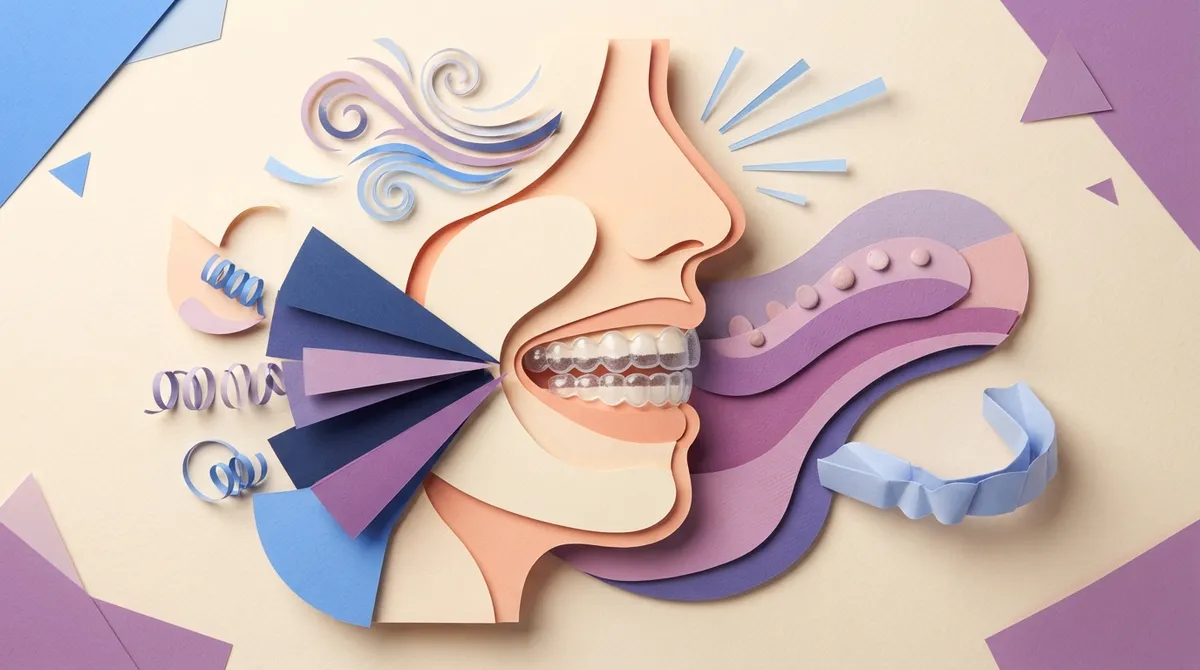
Before we get to the tips, it helps to know why aligners cause that tight feeling. Each tray is shaped to move your teeth a tiny bit at a time. That gentle push can create pressure for a day or two with every new set.
Your mouth also needs time to adjust to the plastic. Your tongue, cheeks, and lips are used to open space. When something new sits there, they notice it. Most people feel at ease within a week or two.
If you want a closer look at what to expect, our guide on whether Invisalign is painful explains the typical ups and downs in plain language.
Common Early Sensations
- Mild pressure or tightness in the first 2 to 3 days of each new tray
- A slight lisp while your tongue gets used to the aligners
- Extra saliva for the first few days
- Small spots of irritation on your cheeks or lips

Tip 1: Start Each New Tray at Bedtime
This is one of the easiest Invisalign comfort tips you can try. When you switch to a new set of aligners, put them in right before you go to sleep. The first few hours are often when pressure feels strongest. If you spend them sleeping, you may barely notice.
By morning, your teeth have started to settle into the new trays. The tightness often feels much milder after a night’s rest. Many patients say this one change makes tray switches feel almost effortless.
Always follow the schedule your dentist gave you. If you are curious how often trays should change, read how to know how often to change Invisalign trays.
Tip 2: Keep Your Aligners Clean and Fresh
Clean aligners are comfortable aligners. Bacteria, food bits, and film can build up on plastic. That can lead to bad taste, odor, and even sore gums.
Here is a simple daily routine that keeps trays comfortable:
- Rinse your aligners with lukewarm water each time you take them out.
- Brush them gently with a soft toothbrush and a little clear, unscented soap.
- Brush and floss your teeth before putting the trays back in.
- Store them in their case whenever they are out of your mouth.
Skip hot water, because heat can warp the plastic and change the fit. A warped tray can rub your gums or press in the wrong spots. For a full walkthrough, see our guide on how to clean Invisalign. You can also learn whether you can brush Invisalign with a toothbrush.
Tip 3: Smooth Out Rough Spots Right Away
Sometimes the edge of a tray can feel scratchy against your cheek or tongue. Do not just push through it. A rough edge can cause a small sore that makes every hour feel longer.
Try these quick fixes:
- Use a small piece of orthodontic wax over the sharp spot.
- Run a clean fingertip over the edge to check if it feels sharp.
- Call your dental office if the trimming looks uneven or the edge keeps irritating you.
Please do not cut or file your trays on your own. Your dentist can smooth an edge safely without changing how the tray fits. Orthodontic wax is cheap, easy to find, and a great thing to keep in your bag.
Tip 4: Choose Soft Foods During the First Few Days
Teeth can feel tender when a new tray goes in. Chewing a crunchy apple may not sound fun at that moment. Soft foods can make those first days feel much better.
Great options include:
- Yogurt and smoothies
- Scrambled eggs
- Mashed potatoes
- Soup (lukewarm, not hot)
- Pasta and soft rice dishes
- Oatmeal
Remember that you take your aligners out to eat. Put them back in once you have brushed or rinsed. For more ideas, check out what you can eat and drink with Invisalign and our list of Invisalign eating mistakes to avoid.
Tip 5: Stay Hydrated and Soothe Your Mouth
Water is your best friend during aligner treatment. Sipping plain water keeps your mouth moist, helps wash away food bits, and can ease that dry feeling plastic sometimes causes.
You can drink plain water with your aligners in. For other drinks, it is smart to take the trays out first. Sugary or colored drinks can get trapped against your teeth. Read more in can you drink with Invisalign? What’s safe to sip.
Easy Ways to Soothe a Sore Mouth
- Rinse with a mild saltwater mix (about half a teaspoon of salt in a cup of warm water)
- Hold a cool glass or cold pack against your cheek for a few minutes
- Drink cool water between meals
- Ask your dentist if an over-the-counter pain reliever is right for you
Always check with your dental team before taking any medication. They know your health history and can guide you safely.
Tip 6: Wear Your Aligners as Directed
Here is a tip that surprises people. Wearing your aligners consistently can actually make treatment more comfortable. When you wear them about 22 hours a day, your teeth move steadily and gently. When you skip hours, your teeth can start to shift back. The next time you put the tray in, it may feel tighter than before.
The famous rule of thumb is to keep trays in nearly all day and take them out only to eat, drink, and clean. Learn the details in how to wear Invisalign 22 hours a day (not 24/7). You can also read about the 30 minute rule for Invisalign.
Skipping wear time can also slow your progress. Our post on what happens if you don’t wear Invisalign explains why steady wear is worth it.
Tip 7: Check In With Your Dental Team Early
You never have to guess alone. If your aligners do not seem to fit, if a tray cracks, or if the soreness lingers longer than a few days, reach out. Small problems are easier to fix when caught early.
At Dental Theory in Brandon, FL, our friendly team likes to keep patients comfortable. Dr. K, a Gold+ Invisalign provider, can review your progress, adjust your plan if needed, and answer any questions. You can see his Gold+ Invisalign profile to learn more about his experience. If you want to know what the whole journey looks like, read our Invisalign treatment process step by step.
Families in the Brandon area also appreciate how simple it is to get answers. You can see what neighbors say when you visit us on Google — Dental Theory and read patient reviews.
Quick Comfort Cheat Sheet
Here is an easy table to keep handy when something feels off.
| Problem | Simple Fix | When to Call Your Dentist |
|---|---|---|
| Tight, sore teeth | Soft foods, cool water, bedtime tray changes | If soreness lasts more than a few days |
| Rubbing on cheeks or lips | Orthodontic wax over the rough area | If the sore does not heal or the edge stays sharp |
| Lisp or odd speech | Practice reading out loud for a few minutes a day | If it has not eased after a couple of weeks |
| Bad taste or smell | Clean trays daily with soft brush and cool water | If odor continues after cleaning |
| Tray feels loose or does not fit | Check that it is fully seated, use chewies if instructed | As soon as you notice a gap or crack |
Bonus Habits That Make Aligners Feel Easier
A few small habits can make your day-to-day experience smoother.
- Carry a travel kit. Keep a case, a travel toothbrush, floss, and wax in your bag so you can freshen up anywhere.
- Use your case every time. Wrapping aligners in a napkin is a common way they get lost or thrown away. A case also protects them from damage.
- Set phone reminders. A quick alert for tray changes and wear time helps you stay on track.
- Brush before you put trays back in. This keeps food from sitting against your teeth and supports healthy gums. Learn why in can Invisalign cause cavities? (2026 guide).
Comfort also grows with confidence. If you worry about how aligners look or feel around other people, our guide on how to build Invisalign confidence from day one has friendly advice. Wondering whether anyone will notice? See what others really notice in 2026.
Keeping Your Results Comfortable After Treatment
Comfort does not end when your last tray is done. Your teeth need support to stay in their new spots. A retainer is the key. Wearing it as directed helps prevent shifting, which can cause that tight, uncomfortable feeling to come back.
If you want to understand how quickly things can move, read how fast teeth shift without a retainer. You can also learn how to care for your retainer after Invisalign.
Is Invisalign a Good Fit for You?
Many adults and teens love how comfortable clear aligners can be compared with metal hardware. They are removable, smooth, and easy to clean. Still, not every case is the same. Your dentist will look at your bite, your goals, and your habits to decide if Invisalign is right for you.
Curious about the bigger picture? Explore 10 reasons patients love clear aligners or compare options in how to choose between Invisalign and traditional braces. Our Invisalign page also gives a helpful overview.
Dr. K has also been recognized by his peers. Dr. Chris Karapasha has been named one of America’s Top Young Dentists in Incisal Edge magazine’s 2025 40 Under 40, which is a proud moment for our whole Dental Theory family.
Ready for a More Comfortable Smile Journey?
Aligner comfort is very doable. Start new trays at bedtime, keep everything clean, protect rough spots, eat soft foods when needed, drink plenty of water, wear your trays as directed, and check in with your dental team when something feels off. Those simple steps can make a real difference.
You deserve a smile journey that feels good, not stressful. If you are thinking about Invisalign or you need help with your current aligners, contact Dental Theory today. You can also schedule an appointment online, or visit us on Facebook to see what is happening at our Brandon office. We would love to help you smile with confidence.
FAQs
Q: How long does Invisalign soreness usually last?
A: Most people feel mild pressure for about 2 to 3 days after switching to a new tray, and it often fades quickly. If soreness lasts longer or feels sharp, give your dental team a call so they can check your fit.
Q: What is the best way to ease Invisalign discomfort at home?
A: Try switching to a new tray at bedtime, eating soft foods, sipping cool water, and using orthodontic wax on any rough spots. These simple steps help most patients feel more comfortable right away.
Q: Do Invisalign aligners hurt more than braces?
A: Many patients find clear aligners feel gentler because they are smooth and removable. You may still feel tightness with each new set, but it is usually mild and short-lived.
Q: Can I take my aligners out if they hurt?
A: A short break to rest your mouth is fine, but try not to leave them out for long. Consistent wear keeps treatment on track and can actually make later trays feel more comfortable. Always follow your dentist’s guidance.
Q: When should I call my dentist about Invisalign discomfort?
A: Reach out if a tray cracks, does not fit, rubs a sore spot that will not heal, or if the soreness is strong and lasts more than a few days. Catching small problems early keeps your smile journey smooth.
Our Service Area