
Key Takeaways
- Use a soft-bristled toothbrush specifically for Invisalign to prevent scratching and bacterial buildup, keeping aligners clear and hygienic.
- Always rinse aligners with lukewarm water before and after cleaning to remove debris and prevent bacterial growth.
- Avoid using regular toothpaste, hot water, or colored soaps when cleaning Invisalign, as these can damage or discolor the aligners.
- Remove aligners before eating or drinking anything except water to prevent staining, damage, and trapping food particles.
- Develop a consistent cleaning routine of brushing aligners twice daily with clear antibacterial soap and storing them in a protective case.
- Consider using specialized aligner cleaning crystals or tablets for a weekly deep clean to maintain transparency and freshness.
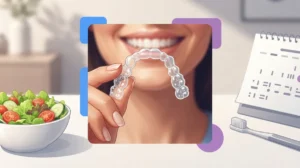
If you’re currently undergoing Invisalign treatment, you’ve probably wondered about the best way to keep your aligners clean and fresh. One of the most common questions we hear at Dental Theory is whether you can brush your Invisalign trays with a regular toothbrush. The short answer? Yes, you absolutely can! In fact, brushing your aligners with a soft-bristled toothbrush is one of the recommended methods for maintaining their clarity and hygiene. However, there’s a bit more to the story than simply scrubbing away. Understanding the proper techniques and what to avoid will help you keep your aligners crystal clear, odor-free, and functioning perfectly throughout your treatment journey.
Your Invisalign trays are working hard to straighten your smile, spending 20-22 hours a day in your mouth. Just like your teeth, they’re exposed to bacteria, saliva, and food particles that can build up over time. Without proper cleaning, your aligners can become discolored, develop an unpleasant smell, or even harbor harmful bacteria that could affect your oral health. The good news is that maintaining your Invisalign doesn’t have to be complicated or time-consuming. With the right approach and a few simple habits, you can keep your aligners looking and feeling fresh from day one until you reveal your beautiful new smile.
Why Cleaning Your Invisalign Aligners Matters

Before we dive into the how-to, let’s talk about why keeping your Invisalign clean is so important. Your aligners create a warm, moist environment that bacteria absolutely love. When you pop them back in after eating without properly cleaning them, you’re essentially trapping bacteria, food particles, and plaque against your teeth for hours on end. This can lead to several issues you definitely want to avoid.
First, there’s the aesthetic concern. Dirty aligners can become cloudy, yellowed, or stained, which defeats the purpose of having “invisible” braces. Nothing draws more attention to your mouth than discolored plastic trays! Second, and more importantly, poor aligner hygiene can lead to bad breath, tooth decay, gum disease, and even cavities. The bacteria trapped between your teeth and aligners have direct access to your enamel, and without proper cleaning, they can cause real damage. At Dental Theory, we’ve seen patients develop issues simply because they didn’t maintain proper aligner hygiene.
The Right Way to Brush Your Invisalign Aligners

Now that we understand why cleaning matters, let’s get into the specifics of how to brush your Invisalign properly. The technique is surprisingly simple, but there are a few key points to remember to avoid damaging your aligners.
Choosing the Right Toothbrush
Not all toothbrushes are created equal when it comes to cleaning Invisalign. You’ll want to use a soft-bristled toothbrush specifically designated for your aligners—not the same one you use for your teeth. A separate brush helps prevent cross-contamination and ensures you’re not transferring bacteria back and forth. Soft bristles are essential because hard or medium bristles can scratch the smooth surface of your aligners, creating tiny grooves where bacteria can hide and multiply. These scratches also make your aligners appear cloudy and less transparent.
Many Invisalign users keep a dedicated soft toothbrush in their bathroom specifically for their aligners. Some even opt for a children’s toothbrush, which typically has softer bristles. Whatever you choose, make sure it’s gentle enough to clean without causing damage.
The Proper Brushing Technique
Here’s your step-by-step guide to brushing your Invisalign aligners correctly:
- Rinse First: Remove your aligners and immediately rinse them under lukewarm water to remove loose debris and saliva. Never use hot water, as it can warp the plastic and ruin the fit.
- Apply a Gentle Cleanser: Place a small amount of clear, antibacterial soap or a specifically designed aligner cleaner on your soft-bristled toothbrush. Avoid using regular toothpaste, which we’ll discuss more in the next section.
- Brush Gently: Using gentle circular motions, brush both the inside and outside of your aligners. Pay special attention to the grooves where the aligners fit over your teeth, as bacteria and plaque tend to accumulate there.
- Rinse Thoroughly: After brushing, rinse your aligners completely under lukewarm water to remove all traces of soap or cleaner. Any residue left behind can taste unpleasant and may irritate your mouth.
- Inspect and Dry: Hold your aligners up to the light to check for any remaining debris or cloudiness. Gently shake off excess water and allow them to air dry briefly before placing them back in your mouth or in their case.
This process should take no more than two to three minutes and should be done at least twice daily—morning and evening. Many people find it easiest to clean their aligners while they’re brushing their teeth, making it part of their regular oral hygiene routine.
What NOT to Use When Brushing Invisalign

Just as important as knowing what to do is understanding what to avoid. Several common household products can actually damage your Invisalign aligners, reducing their effectiveness and transparency. Here’s what you should never use:
Regular Toothpaste
This surprises many people, but traditional toothpaste is actually too abrasive for Invisalign aligners. Most toothpastes contain small abrasive particles designed to polish and whiten tooth enamel, which is much harder than the plastic used in aligners. When you brush your aligners with toothpaste, these particles create microscopic scratches in the surface, making them appear cloudy and creating hiding places for bacteria. While your teeth can handle this abrasiveness, your aligners cannot.
If you’ve accidentally used toothpaste a few times, don’t panic—the damage is cumulative. Just switch to a gentler cleaner moving forward. Clear antibacterial soap, specifically designed aligner cleaning solutions, or even just water and your soft toothbrush will work much better.
Hot or Boiling Water
Temperature is your aligner’s enemy. Hot water can warp, bend, or shrink your Invisalign trays, completely ruining their carefully calibrated fit. Remember, these aligners are custom-made to apply specific pressure to specific teeth at specific angles. Even a slight warp can render them ineffective or uncomfortable. Always use lukewarm or cool water when rinsing or cleaning your aligners.
Colored or Scented Soaps
While clear antibacterial soap works well for cleaning Invisalign, colored or heavily scented soaps can leave behind residue, stains, or unpleasant tastes. Stick with clear, unscented options to avoid these issues. Your mouth is sensitive, and you don’t want to taste lavender or lemon all day long!
Mouthwash
It might seem logical to soak your aligners in mouthwash for freshness, but most mouthwashes contain alcohol and dyes that can discolor your aligners and dry out the plastic, making it more brittle. If you want to use a soaking solution, opt for products specifically designed for Invisalign or retainers.
Additional Cleaning Methods to Consider

While brushing with a soft toothbrush is the primary method for daily cleaning, there are several supplementary techniques you can incorporate into your routine for extra freshness and sanitation.
Aligner Cleaning Crystals or Tablets
Invisalign offers their own cleaning system, and there are many third-party options available as well. These cleaning crystals or effervescent tablets are designed to dissolve in water, creating a soaking solution that deep-cleans your aligners. Typically, you’d soak your aligners for 15-30 minutes while you eat or before bed. This method is excellent for weekly deep cleaning or when your aligners need extra attention.
Vinegar Solution
A mixture of equal parts white vinegar and lukewarm water creates an effective, natural cleaning solution. Soak your aligners for 15-20 minutes, then brush them gently with your soft toothbrush and rinse thoroughly. The vinegar helps dissolve mineral buildup and eliminate bacteria. Just make sure to rinse extremely well afterward, as vinegar has a strong taste!
Baking Soda Paste
For a gentle, natural cleaning boost, you can create a paste with baking soda and water. Use this paste with your soft toothbrush to gently scrub your aligners. Baking soda is mildly abrasive—more so than soap but less than toothpaste—and has natural deodorizing properties. However, use this method sparingly (once or twice a week at most) to avoid potential scratching.
Daily Habits for Keeping Invisalign Clean
Beyond the specific cleaning techniques, developing good daily habits will make a huge difference in keeping your aligners fresh and your treatment on track. Here are some practices to incorporate into your routine:
| Habit | Frequency | Benefit |
|---|---|---|
| Rinse after removing | Every time | Prevents saliva from drying on aligners |
| Brush aligners thoroughly | 2x daily | Removes bacteria and prevents buildup |
| Rinse before reinserting | Every time | Removes any debris or cleaning solution |
| Brush and floss teeth before reinserting | After every meal | Prevents trapping food particles against teeth |
| Store in protective case | When not wearing | Protects from bacteria and damage |
The Remove-Rinse-Replace Routine
Every time you remove your aligners to eat or drink anything other than water, get into the habit of rinsing them immediately. Saliva dries quickly and can leave behind a film that’s harder to clean later. A quick rinse under lukewarm water takes just seconds and makes a big difference. Before popping them back in, give them another quick rinse—and make sure you’ve brushed and flossed your teeth first. The last thing you want is to trap food particles between your freshly straightened teeth and your aligners!
Never Eat or Drink with Aligners In
With the exception of water, you should always remove your Invisalign before eating or drinking. Foods and beverages can stain your aligners, and chewing with them in can crack or damage the plastic. Plus, eating with aligners traps food particles and sugars against your teeth, dramatically increasing your risk of cavities. If you’re drinking coffee, tea, red wine, or any colored beverage, remove your aligners first. Even clear sodas contain acids and sugars that can damage both your aligners and your teeth.
Troubleshooting Common Invisalign Cleaning Issues
Even with the best cleaning routine, you might encounter some common issues. Here’s how to address them:
Cloudiness or Discoloration
If your aligners start looking cloudy despite regular cleaning, you might be brushing too hard, using the wrong products, or dealing with mineral buildup from hard water. Try switching to a dedicated aligner cleaning solution for a few days to see if the clarity improves. If cloudiness persists, contact Dr. K’s Gold+ Invisalign Profile for advice—you might be due for your next set of trays anyway!
Persistent Odor
Bad-smelling aligners usually indicate bacterial buildup. Increase your cleaning frequency, and try soaking them in an aligner cleaning solution or vinegar mixture once daily. Also, evaluate your oral hygiene—if your teeth and gums aren’t perfectly clean when you reinsert your aligners, bacteria will multiply inside the aligners. Make sure you’re brushing, flossing, and possibly using an antibacterial mouthwash before putting your aligners back in.
White Spots or Film
A white, chalky buildup on your aligners is typically calcium or mineral deposits from your saliva or hard water. This is normal and can be removed with a vinegar soak or aligner cleaning solution. If you have particularly hard water, consider using distilled water for rinsing your aligners.
When to Replace Your Cleaning Toothbrush
Just like your regular toothbrush, the brush you use for cleaning your Invisalign needs to be replaced regularly. Bristles break down over time, becoming less effective and potentially harboring bacteria. Replace your aligner cleaning brush every two to three months, or sooner if the bristles look frayed or worn. Some people find it helpful to replace their aligner brush each time they switch to a new set of trays, creating a fresh start every one to two weeks.
Professional Insights from Invisalign Experts
At Dental Theory, we’ve helped hundreds of patients achieve their dream smiles through Invisalign treatment. Dr. Karapasha, who holds a Gold+ Invisalign Provider status, emphasizes that consistent cleaning is just as important as wearing your aligners for the recommended 20-22 hours per day. We’ve seen patients experience complications simply because they neglected proper aligner hygiene, leading to cavities, gum inflammation, or staining that made their treatment more visible than intended.
The good news? When patients follow proper cleaning protocols, they typically experience smooth, successful treatments with beautiful results. Our practice maintains a 5-star rating on Healthgrades.com, and many of those positive reviews specifically mention how well our team educates patients about proper Invisalign care. We’re committed to making sure you have all the information and support you need throughout your orthodontic journey.
Creating Your Invisalign Cleaning Kit
To make cleaning your Invisalign as convenient as possible, consider assembling a dedicated cleaning kit. Here’s what to include:
- Soft-bristled toothbrush designated for aligners only
- Clear, antibacterial soap or specialized aligner cleaner
- Aligner cleaning tablets or crystals for weekly deep cleaning
- Small travel case for your cleaning supplies when you’re on the go
- Your regular toothbrush, toothpaste, and floss for maintaining oral hygiene
- Protective aligner case to store trays when not wearing them
Having everything in one place makes it easy to maintain your cleaning routine, whether you’re at home or traveling. Many patients keep a small kit in their car, office, or gym bag for cleaning on the go.
The Bottom Line on Brushing Invisalign
Yes, you can—and should—brush your Invisalign aligners with a toothbrush! Just make sure it’s a soft-bristled brush, and use gentle, appropriate cleaning agents like clear antibacterial soap or specialized aligner cleaners. Avoid toothpaste, hot water, and harsh chemicals that can damage or discolor your trays. With consistent daily cleaning and good habits, your aligners will stay clear, fresh, and effective throughout your entire treatment.
Remember, your Invisalign investment is about more than just straightening teeth—it’s about achieving a healthy, confident smile that lasts a lifetime. Proper aligner hygiene protects both your orthodontic investment and your oral health. By spending just a few minutes twice a day cleaning your aligners properly, you’re setting yourself up for success and ensuring the best possible outcome from your treatment.
If you have questions about Invisalign care or are considering starting treatment, the friendly team at Dental Theory is here to help. We specialize in creating beautiful smiles for families throughout Brandon, FL, and we’d love to discuss how Invisalign might be right for you. Schedule an appointment today, and don’t forget to visit us on Google to see what our patients are saying about their experiences. Your journey to a straighter, healthier smile starts with proper education and support, and we’re committed to providing both every step of the way!
FAQs
Q: Can I use my regular toothbrush to clean my Invisalign aligners?
A: Yes, but it’s best to designate a separate soft-bristled toothbrush specifically for your aligners. Using the same brush you use for your teeth can transfer bacteria back and forth. A soft-bristled brush is essential because harder bristles can scratch the aligner surface, making them appear cloudy and creating spaces where bacteria can hide.
Q: How often should I brush my Invisalign trays?
A: You should brush your Invisalign aligners at least twice daily—morning and evening—as part of your regular oral hygiene routine. Additionally, it’s a good idea to rinse them every time you remove them to prevent saliva from drying on the surface. For deeper cleaning, consider soaking them in an aligner cleaning solution once a week.
Q: Why can’t I use toothpaste to clean my Invisalign?
A: Regular toothpaste contains abrasive particles designed to polish tooth enamel, which is much harder than the plastic used in Invisalign aligners. These abrasives create microscopic scratches on your aligners, making them appear cloudy and providing hiding places for bacteria. Instead, use clear antibacterial soap or specialized aligner cleaning solutions for best results.
Q: What should I do if my Invisalign aligners start to smell bad?
A: Persistent odor usually indicates bacterial buildup. Increase your cleaning frequency and try soaking your aligners in an aligner cleaning solution or a mixture of equal parts white vinegar and lukewarm water once daily. Also, make sure you’re thoroughly brushing and flossing your teeth before reinserting your aligners, as bacteria from your mouth can transfer to the trays.
Q: Can I soak my Invisalign in mouthwash to keep them fresh?
A: No, you should avoid soaking Invisalign in mouthwash. Most mouthwashes contain alcohol and dyes that can discolor your aligners and dry out the plastic, making it brittle. If you want to use a soaking solution, opt for products specifically designed for clear aligners or retainers, or try a vinegar and water mixture as a natural alternative.