Key Takeaways
-
Remove aligners before eating or drinking anything except plain water, then brush and floss before reinserting them to prevent food and bacteria from being trapped against teeth for hours.
-
Sugary drinks like soda, juice, and sweetened coffee pooled inside aligners create an acid-producing environment that directly attacks tooth enamel and causes cavities.
-
Clean aligners daily with a soft toothbrush and cool water to prevent bacteria buildup on the plastic, which gets pressed against your teeth all day long.
-
Watch for white spots or chalky patches on teeth as early warning signs of demineralization, which can progress to cavities if not addressed with better care and fluoride treatments.
-
Schedule dental cleanings every six months during treatment to remove hardened plaque your toothbrush cannot reach and catch cavity problems early before they worsen.
-
Invisalign is actually safer than traditional braces for cavity prevention because aligners are removable, making it easier to brush, floss, and maintain normal oral hygiene.
So you’re thinking about straightening your teeth with clear aligners, but a little worry keeps nagging at you: can Invisalign cause cavities? It’s a fair question, and we’re glad you’re asking it! Nobody wants to trade crooked teeth for a mouth full of fillings.
Here’s the good news. Invisalign itself does not cause cavities. But the way you care for your teeth while wearing aligners matters a lot. Aligners can trap food bits and sugary drinks against your teeth. When that happens, bacteria get cozy, and cavities can follow.
The great part? This is very easy to prevent. With a few simple habits, you can enjoy a straighter smile and stay cavity-free. In this guide, we will walk you through 10 facts about Invisalign and cavities, plus easy tips you can start using today. Let’s dive in, friend!
1. Invisalign Does Not Directly Cause Cavities
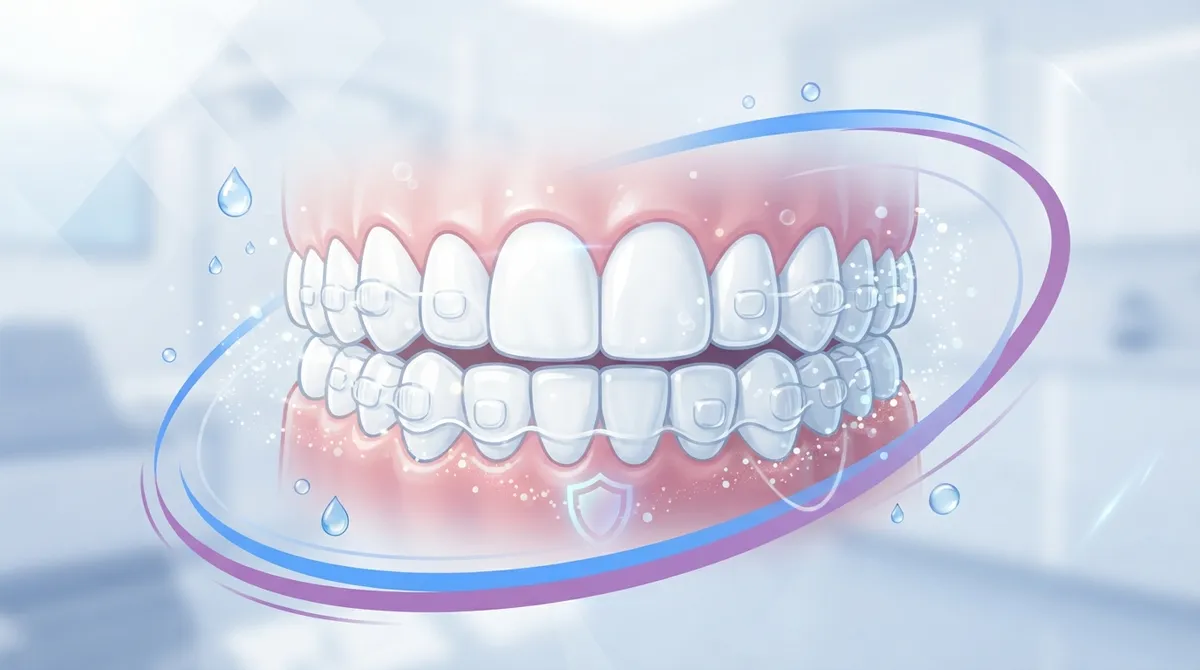
Let’s clear this up first. Cavities come from plaque, which is a sticky film of bacteria that feeds on sugar. The plastic in your aligners does not create cavities on its own.
Think of Invisalign like a pair of tight-fitting gloves for your teeth. The gloves are not the problem. But if you put them on over dirty hands, you will have trouble later! Clean teeth under clean aligners equals a healthy smile.
The question “can Invisalign cause cavities” really comes down to habits. Good habits keep your teeth safe. Poor habits give bacteria a place to hide.
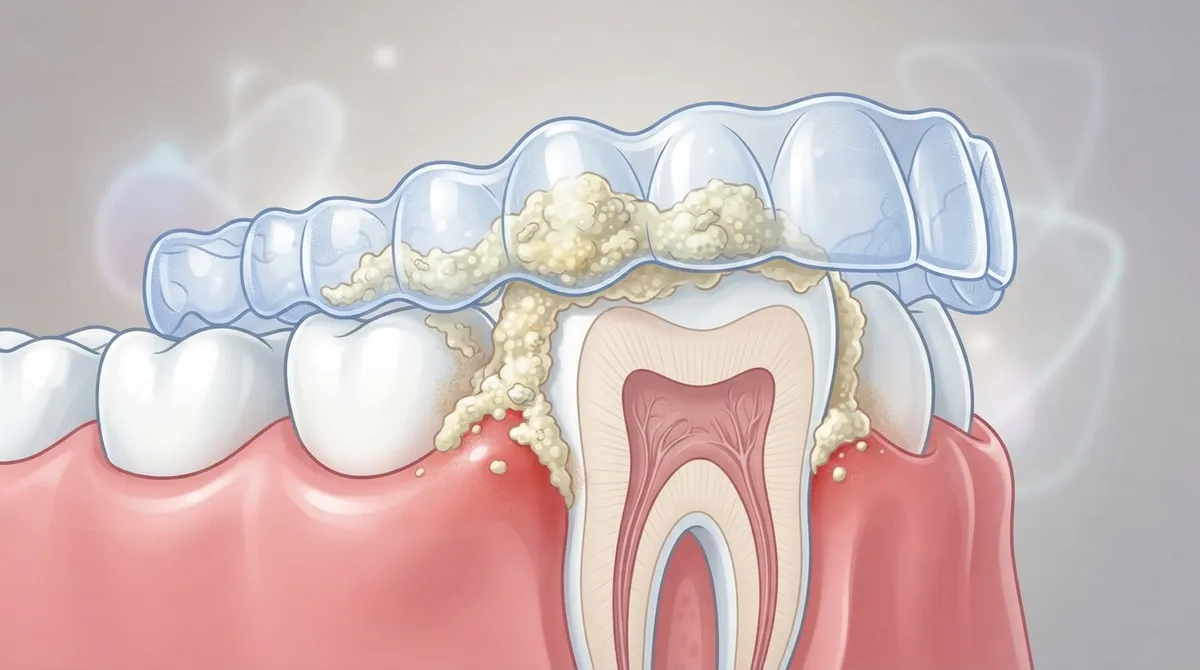
2. Trapped Plaque Is the Real Culprit
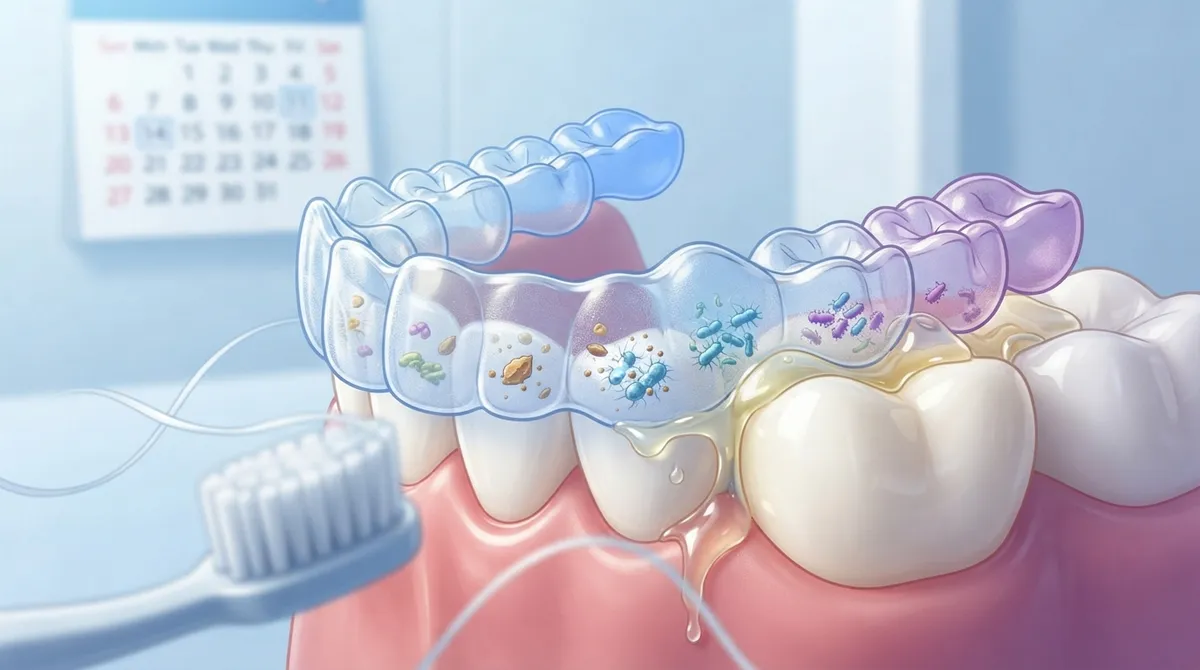
Your aligners fit snugly over your teeth. That is what makes them work so well. But it also means anything left on your teeth stays pressed against them for hours.
Normally, your saliva washes over your teeth all day long. It rinses away food and helps neutralize acids. When aligners cover your teeth, saliva has a harder time doing its job.
If you pop your aligners in after a snack without brushing, you are sealing plaque against your enamel. Over time, that can lead to cavities and white spots.
3. Sugary Drinks Are a Big Risk
Here is where many people slip up. Sipping anything other than water while wearing your aligners is a no-no. Soda, juice, sports drinks, and sweetened coffee can pool inside your trays.
That sugary liquid sits against your teeth, and bacteria turn it into acid. Acid wears down enamel, and enamel loss is how cavities begin.
Here are some drinks to skip while your aligners are in:
- Soda and energy drinks
- Fruit juice
- Sweetened tea and coffee
- Sports drinks
- Anything with added sugar
Plain water is your best friend. Take your aligners out for anything else, then brush before putting them back in.
4. Skipping Brushing Raises Your Risk
We get it. Life gets busy! But brushing before you put your aligners back in is one of the most important steps you can take.
Without brushing, leftover food stays trapped. Within a few hours, that can start to harm your enamel. Brushing and flossing remove plaque so your aligners can sit on clean teeth.
A simple routine looks like this:
- Take out your aligners before eating or drinking anything but water.
- Enjoy your meal or snack.
- Brush and floss your teeth.
- Rinse your aligners and pop them back in.
If you cannot brush right away, rinse your mouth well with water as a backup. It is not perfect, but it beats nothing.
5. Dirty Aligners Can Make Things Worse
Your aligners need love too! If you never clean them, bacteria and plaque build up on the plastic. Then you are pressing that grime right against your teeth all day.
Cleaning your aligners is simple. Rinse them every time you take them out. Brush them gently with a soft toothbrush and cool water once a day. Skip hot water, because heat can warp the plastic.
Want to know more? Check out our friendly guide on whether you can brush Invisalign with a toothbrush for step-by-step cleaning tips.
6. Dry Mouth Can Be a Hidden Problem
Saliva is your mouth’s natural defender. It rinses away bacteria and helps repair early enamel damage. Some people notice a drier mouth when wearing aligners, especially at night.
When your mouth feels dry, cavity risk can go up. Drinking plenty of water throughout the day helps a lot. Sugar-free gum can also boost saliva when your aligners are out.
If dry mouth sticks around, mention it at your next visit. We are always happy to help you find a solution that feels comfortable.
7. White Spots Are an Early Warning Sign
Have you ever noticed chalky white spots on your teeth after wearing braces or aligners? Those spots are called demineralization. They happen when acid pulls minerals out of your enamel.
White spots are an early sign that cavities could be on the way. The good news is that early spots can often be stopped and even improved with good care and fluoride.
Watch for these warning signs:
- Chalky white patches near the gumline
- New tooth sensitivity to hot or cold
- Bad breath that will not go away
- Dark spots or small holes in your teeth
If you spot any of these, do not panic! Just call your dentist so you can catch things early.
8. Invisalign vs. Braces: Which Is Easier on Your Teeth?
Here is a happy surprise. Clear aligners are actually easier to keep clean than traditional braces. You can remove them to brush and floss like normal. With metal brackets and wires, food gets stuck in lots of tricky spots.
That removable feature is a big plus for cavity prevention. Here is a quick side-by-side look:
| Feature | Invisalign Aligners | Traditional Braces |
|---|---|---|
| Removable for brushing | Yes | No |
| Easy to floss | Yes, with aligners out | Harder, needs special tools |
| Food restrictions | Fewer, since you remove them | Many sticky and hard foods |
| Plaque trap spots | Fewer | Many (brackets and wires) |
| Cavity risk with good habits | Low | Moderate |
Curious about the whole process? Our guide on Invisalign vs. braces shares why so many patients love the results.
9. The 22-Hour Rule and Your Teeth
Invisalign works best when you wear your aligners about 22 hours a day. That means they are on for most of your day and night. It is a lot of time for plaque to build up if you are not careful.
The secret is to treat your aligners like a special event. Out they come for meals, and back in only after a good brush. Take your time with each step, and your teeth will thank you.
Also, remember that wearing your aligners as directed is what keeps treatment on track. Learn more about this in our post on what not to do while wearing Invisalign.
10. Regular Dental Visits Keep You Cavity-Free
Even with great home care, professional cleanings are a must. We can spot tiny problems long before you feel them. We also clean the spots your toothbrush may miss.
Plan on regular teeth cleanings every six months while you wear aligners. A professional cleaning removes hardened plaque that brushing cannot handle. It is like a reset button for your mouth!
At Dental Theory, we offer a stress-free, welcoming experience for the whole family. Our general dentistry team keeps an eye on your oral health during your entire Invisalign journey.
A Quick Daily Routine to Prevent Cavities With Invisalign
Let’s pull it all together into one simple plan you can follow every day. Print it out, stick it on your mirror, and make it a habit!
- Brush twice a day with fluoride toothpaste.
- Floss once a day, preferably before bed.
- Rinse your aligners each time you remove them.
- Only drink plain water with your aligners in.
- Brush or rinse before putting your aligners back in.
- Keep your aligners in their case when they are out. Never wrap them in a napkin!
- Visit your dentist twice a year.
These small steps add up to a big difference. Before long, they will feel as natural as grabbing your morning coffee.
Who Should Be Extra Careful?
Some folks have a higher cavity risk and should pay extra attention. This includes people who have had lots of cavities in the past, those with dry mouth, and anyone who snacks often during the day.
If that sounds like you, do not worry. Invisalign can still work well. You may just need a few extra tools, like a fluoride rinse or more frequent checkups. Our team can build a plan that fits your needs.
Dr. K is a Gold+ Invisalign provider, and you can see his credentials on Dr. K’s Gold+ Invisalign Profile. To learn more about how the treatment works, explore our Invisalign services page, or read our guide to the final stages of Invisalign treatment.
What Happens If You Already Have a Cavity?
If a cavity pops up before or during treatment, it is not the end of the world. Most cavities are simple to fix. We treat them with tooth-colored white fillings that blend right in with your smile.
It is best to fix cavities before moving forward with aligners, because tooth shape can change after a filling. Catching problems early also means smaller, easier repairs. Want to understand how we decide what needs treatment? Read about whether all cavities really need to be filled.
Finishing Strong: Retainers and Long-Term Care
Once your aligner treatment is done, you will wear a retainer to keep your new smile in place. Retainers need cleaning too, since they can trap plaque just like aligners do.
Keep brushing and flossing like a champ, and rinse your retainer daily. Curious about how long you will need it? Take a peek at our post on whether you need to wear a retainer forever after Invisalign.
Final Thoughts: Straight Teeth Without the Worry
So, can Invisalign cause cavities? Not by itself! The aligners are safe for your teeth. The real keys are cleaning habits, smart drink choices, and regular dental visits.
Follow the simple steps in this guide, and you can enjoy a beautiful, straight smile with a strong, healthy foundation. Your future self will be so glad you took care of your teeth along the way.
Ready to start your Invisalign journey in Brandon? Our friendly team at Dental Theory is here to guide you every step of the way. Come see what our patients are saying, and visit us on Google — Dental Theory to read reviews. You can also schedule an appointment online, or contact Dental Theory with any questions. We cannot wait to meet you!
FAQs
Q: Can Invisalign cause cavities?
A: Not on its own! The aligners are safe, but they can trap food and sugary drinks against your teeth if you skip brushing. Good cleaning habits keep your cavity risk low.
Q: Can I drink coffee or soda while wearing Invisalign?
A: It is best to take your aligners out first. Only plain water is safe with aligners in, since sugary or dark drinks can pool inside the trays and harm your enamel.
Q: How often should I brush while wearing Invisalign?
A: Brush at least twice a day with fluoride toothpaste, and brush or rinse before you put your aligners back in after eating. Flossing once a day helps too!
Q: Are cavities more common with Invisalign than braces?
A: Actually, aligners are usually easier on your teeth because you can remove them to brush and floss. With good habits, your cavity risk can be lower than with traditional braces.
Q: What should I do if I think I have a cavity during Invisalign treatment?
A: Call your dentist as soon as you can. Small cavities are quick to fix, and treating them early keeps your aligners fitting well and your treatment on track.
Our Service Area