Key Takeaways
-
Invisalign requires 20-22 hours daily wear and consistent aligner changes every 1-2 weeks to work effectively; skipping these steps or appointments significantly slows progress and can extend treatment timelines.
-
Invisalign works best for mild to moderate alignment issues like crowding, gaps, and bite problems, but severe cases may need traditional braces or additional tooth-colored attachments for optimal results.
-
Treatment timelines typically range from 6-18 months with measurable, predictable progress mapped using 3D digital scans before starting, allowing patients to preview their projected final smile.
-
Removable aligners allow normal eating and brushing without restrictions, making them easier to stick with than traditional braces, though long-term retainer wear is essential to prevent teeth from drifting back.
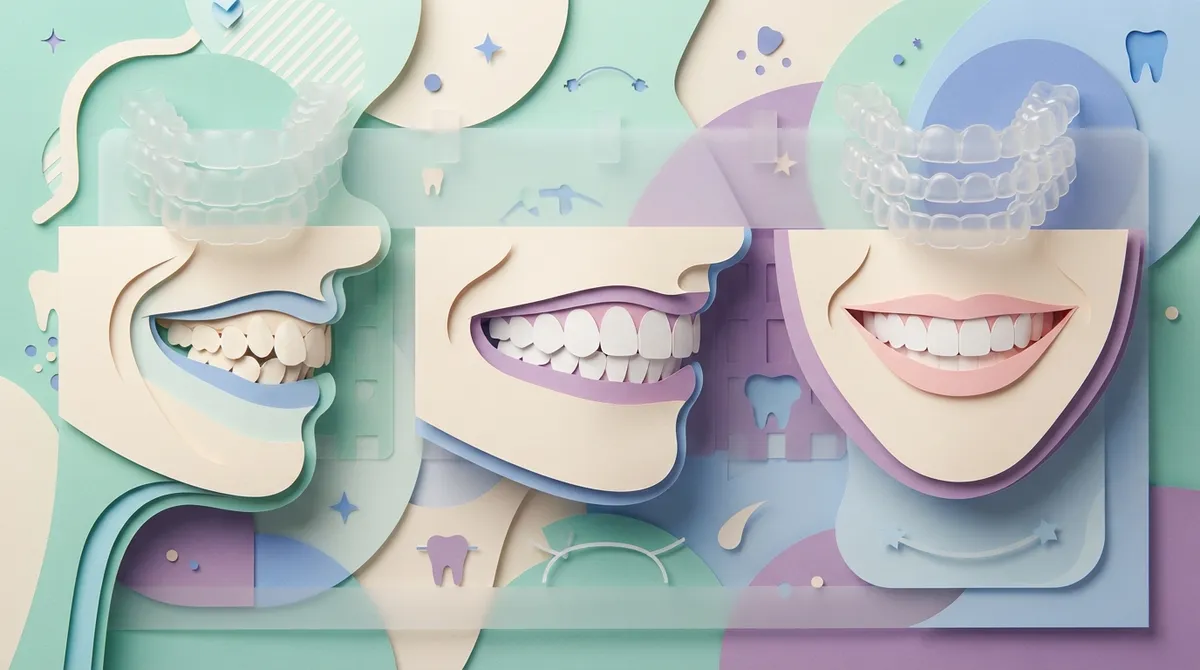
If you have ever stared at your smile in the mirror and wondered, “does Invisalign really work?” you are definitely not alone. It is one of the most common questions we hear from patients in Brandon, FL. After all, straightening your teeth is a big decision, and clear plastic trays can sound a little too good to be true.
Here is the friendly, honest answer: yes, Invisalign really works for most people. Millions of patients worldwide have used clear aligners to fix crowding, gaps, and bite problems without a single metal bracket. But like any dental treatment, results depend on the right case, the right dentist, and a little commitment from you.
In this guide, we break down seven solid reasons Invisalign works, who it works best for, and what could get in the way. Whether you are a busy parent, a working professional, or a teen who wants a straighter grin, you will walk away knowing exactly what to expect in 2026.
1. Invisalign Uses Proven, Science-Backed Technology
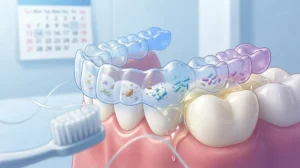
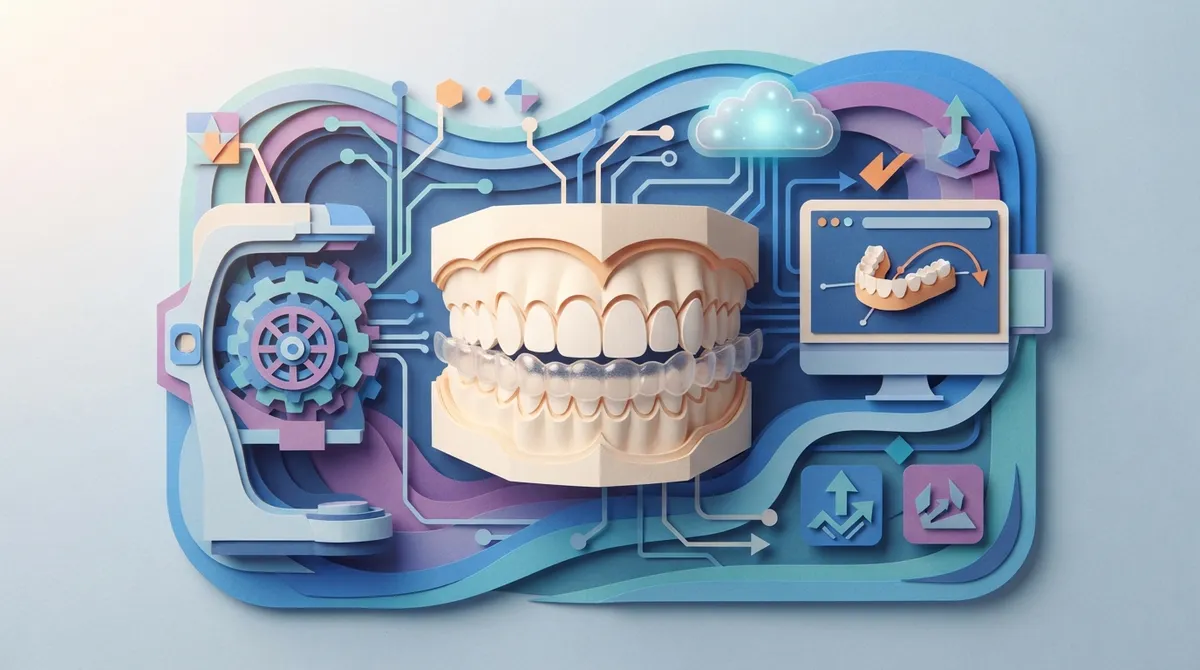
Invisalign is not a trend. It has been around for over two decades, and the technology keeps getting better. Each aligner is made from a smooth, BPA-free plastic that applies gentle, steady pressure to your teeth.
Your dentist starts with a 3D digital scan of your mouth. Then, special software maps out every tiny movement your teeth will make, from day one to your final smile. You can even preview your projected results before you begin.
That kind of planning is a big reason the question “does Invisalign really work” gets a confident yes from dental professionals. The treatment is predictable, measured, and carefully guided at every step.
2. It Treats Many Common Alignment Problems
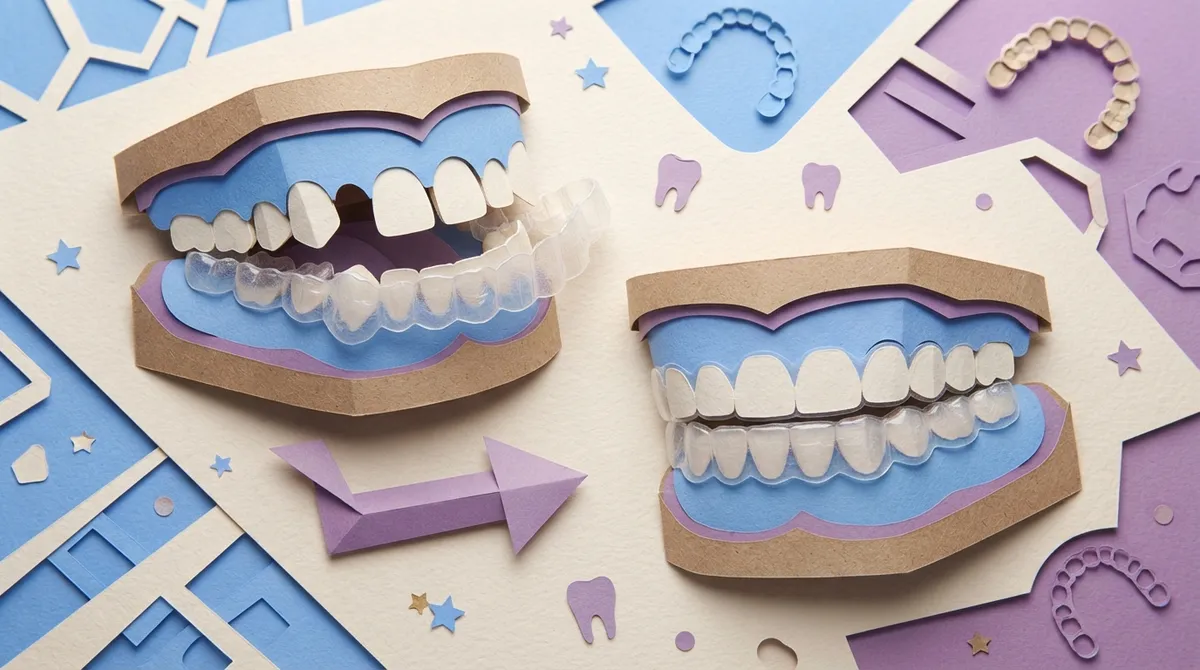
Invisalign is not just for minor tweaks. It can correct a surprising range of issues. Here are the most common concerns clear aligners can address:
- Crowded teeth: Aligners create space and guide teeth into proper position.
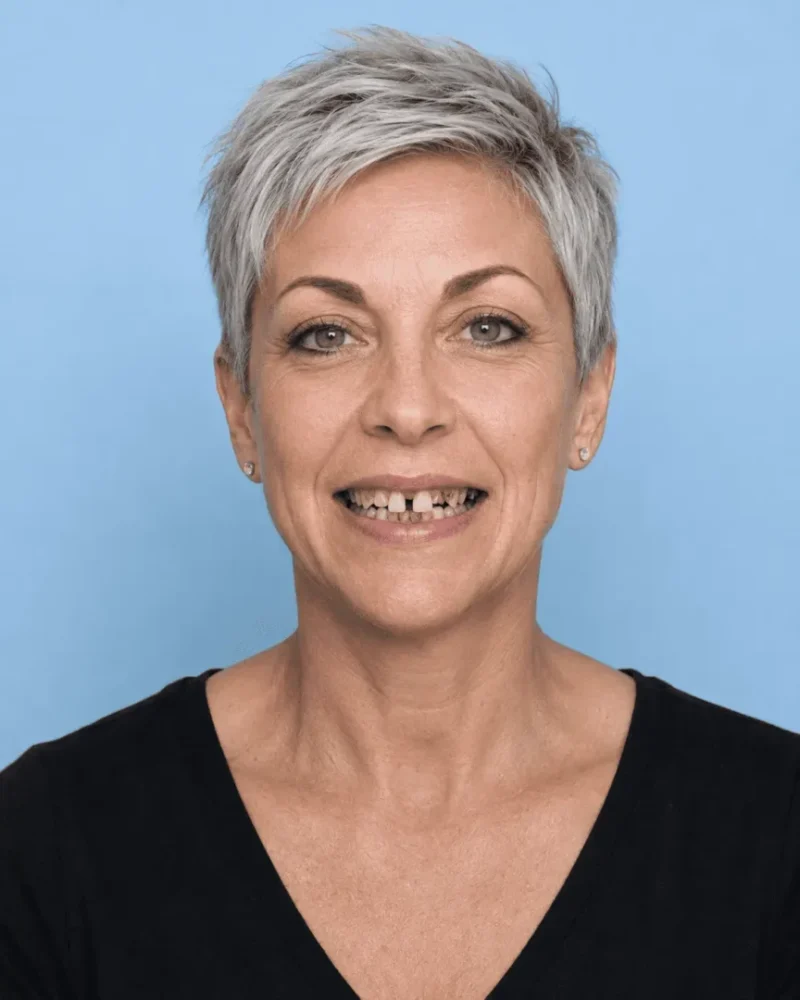
- Gaps between teeth: Gentle pressure gradually closes spaces.
- Overbites and underbites: Many mild to moderate bite issues respond well.
- Crossbites: Teeth that sit on the wrong side can often be repositioned.
- Open bites: Some cases can be improved with aligners and attachments.
Because every mouth is different, a proper exam is the only way to know if your case is a good fit. That is why we always start with a conversation and a digital scan.
3. Your Dentist Customizes Every Step
Here is something many people miss. Invisalign works best when it is guided by an experienced provider. Dr. K at Dental Theory is a Gold+ Invisalign provider, and you can see Dr. K’s Gold+ Invisalign Profile for yourself. Dr. Chris Karapasha has also been recognized nationally, as Dr. Chris Karapasha has been named one of America’s Top Young Dentists in Incisal Edge magazine’s 2025 40 Under 40.
Your treatment plan is built around your teeth, your bite, and your goals. Along the way, your dentist checks your progress and adjusts the plan if needed. That personal oversight is a major reason results turn out so well. You can learn more about Dr. K and his approach to cosmetic dentistry on our website.
4. Removable Aligners Fit Real Life
One of the biggest reasons Invisalign works is simple: people actually stick with it. The aligners are nearly invisible, comfortable, and removable. You can take them out to eat, brush, and floss.
That means no food restrictions, no poking wires, and no special cleaning tools. Want to enjoy a crunchy apple or a slice of pizza? Take your aligners out, eat, brush, and pop them back in. Easy.
Better oral hygiene during treatment also means fewer problems like plaque buildup around brackets. If you want a closer look at how the process feels, check out our guide on the top benefits of choosing Invisalign over braces.
5. The Results Are Measurable and Predictable
Straight teeth do not happen overnight, but Invisalign gives you a clear roadmap. Most adults wear a new set of aligners every one to two weeks, and each set moves your teeth just a little bit.
Treatment length varies, but here is a general look at how it works:
| Treatment Factor | What to Expect |
|---|---|
| Typical timeline | Roughly 6 to 18 months for many cases |
| Aligner wear time | 20 to 22 hours per day |
| Aligner changes | Every 1 to 2 weeks |
| Check-ins | Periodic visits to track progress |
| Retainers afterward | Needed to keep results in place |
Your own timeline depends on how complex your case is and how consistently you wear your trays. Curious about the home stretch? Our post on the final stages of Invisalign treatment walks through what to expect near the finish line.
6. Studies and Patient Experience Back It Up
Does Invisalign really work in the real world? Patient experience says yes. Countless people have finished treatment with straighter teeth, better bites, and a boost in confidence.
Research on clear aligners has shown they can be effective for mild to moderate crowding and spacing. More complex cases may need extra tools, like small tooth-colored attachments, or sometimes a different treatment approach. A good dentist will tell you honestly which path fits you best.
That honesty matters to us. If Invisalign is not the right choice for your smile, we will say so and talk through other options. Not every treatment is right for every person, and we think you deserve the truth.
7. Clear Aligners Support a Healthier Smile
Straighter teeth are not just about looks. When teeth line up properly, they are easier to clean, which can lower your risk of cavities and gum trouble. A balanced bite can also reduce uneven wear on your teeth.
Many patients also notice they feel more confident smiling, laughing, and posing for photos. That emotional lift is a real benefit, and it is one of our favorite parts of the job.
Of course, healthy teeth need ongoing care. Regular cleanings and checkups during treatment keep everything on track, and our general dentistry services make that simple under one roof.
What Can Keep Invisalign From Working?
To be fair, Invisalign is not magic. It works best when you do your part. Here are the most common reasons results fall short:
- Not wearing aligners enough. Skipping the 20 to 22 hours per day slows progress.
- Skipping appointments. Check-ins help your dentist catch small issues early.
- Not following the aligner schedule. Changing trays too early or too late can throw off movement.
- Ignoring your retainer. Teeth can drift back without one.
- Choosing the wrong case for aligners. Severe problems may need another approach.
The good news is that every one of these is avoidable. A little consistency goes a long way. And speaking of retainers, many patients ask us about whether you need to wear a retainer forever after Invisalign. It is worth reading before you start.
Invisalign vs. Traditional Braces: A Quick Comparison
Many people wonder how clear aligners stack up against metal braces. Both can straighten teeth, but the day-to-day experience is quite different.
| Feature | Invisalign | Traditional Braces |
|---|---|---|
| Appearance | Nearly invisible | Visible brackets and wires |
| Removable | Yes | No |
| Eating restrictions | None while trays are out | Avoid sticky and hard foods |
| Cleaning | Brush and floss as normal | Needs special tools |
| Comfort | Smooth plastic | Can irritate cheeks and gums |
| Best for | Mild to moderate cases and many complex ones | Wide range, including severe cases |
Both options have a place. The best choice comes down to your goals, your lifestyle, and your dentist’s recommendation.
Is Invisalign Right for You?
Invisalign can be a great fit for teens and adults who want a discreet way to straighten their teeth. It is especially popular with busy professionals, parents, and anyone who wants fewer changes to their daily routine.
The best way to find out is a simple consultation. At Dental Theory, we take a digital scan, review your bite, and walk you through realistic expectations. We also accept many plans, so you can check our insurance page to see how coverage might help.
Want to see what other patients think? Take a peek at what people say about us and read Dental Theory reviews on Google. You can also explore our Invisalign page for more details.
Ready to Find Out If Invisalign Works for You?
So, does Invisalign really work? For the right patient, with the right plan and a little dedication, absolutely. It is a proven, comfortable, and discreet way to build a smile you feel proud of.
At Dental Theory in Brandon, FL, our friendly team makes the whole process stress-free and easy to understand. We would love to help you take the first step toward a straighter smile. When you are ready, contact Dental Theory to book your Invisalign consultation, or schedule an appointment online in just a few clicks.
FAQs
Q: Does Invisalign really work as well as braces?
A: For many mild to moderate cases, yes! Invisalign can deliver results similar to traditional braces, with the bonus of being nearly invisible and removable. Very complex cases may still need braces, which is why a quick consultation is so helpful.
Q: How long does it take to see Invisalign results?
A: Many patients start noticing small changes within a few weeks, and full treatment often takes around 6 to 18 months. Your timeline depends on your case and how consistently you wear your aligners.
Q: Can Invisalign fix a bad bite?
A: It often can! Invisalign can help with many overbites, underbites, and crossbites, especially mild to moderate ones. Your dentist will review your bite and let you know if clear aligners are the right tool for your smile.
Q: What happens if I do not wear my Invisalign aligners enough?
A: Your teeth may not move as planned, which can slow your progress or lead to extra aligners and a longer treatment time. Aim for 20 to 22 hours a day, and you will be right on track.
Q: Do I need a retainer after Invisalign?
A: Yes, a retainer is key to keeping your new smile in place. Teeth naturally want to drift back, so wearing your retainer as directed protects all the hard work you put in.
Our Service Area