Key Takeaways
-
Teeth can shift back to their original position within just a few months without retainer wear, making lifelong retainer use necessary for most people to maintain orthodontic results.
-
Recommended retainer wear follows a timeline: 20-22 hours daily for 3-6 months, then nighttime-only for several months to a year, with ongoing nightly wear for long-term maintenance.
-
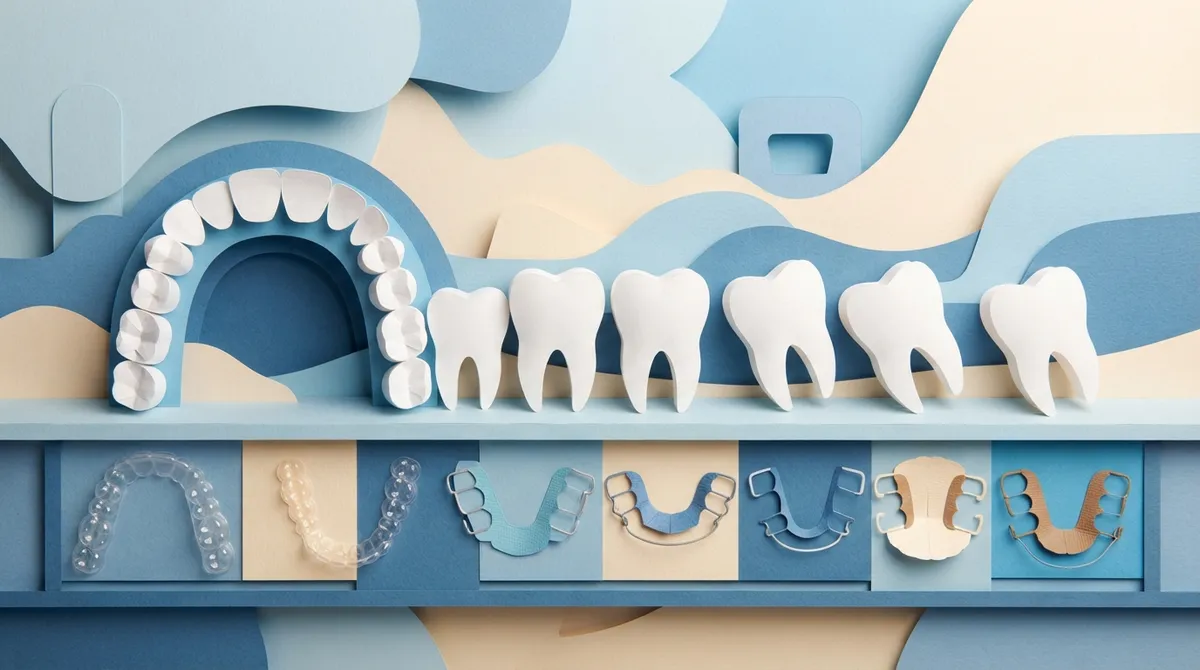
Four main retainer types exist—Hawley, clear plastic, fixed wire, and Essix—each with different durability, visibility, and maintenance requirements that should match your lifestyle and budget.
-
Signs of retainer failure include tightness when inserting, visible gaps or overlaps forming, clicking sounds, and teeth shifting in photos, all requiring immediate dentist attention to prevent relapse.
-
If your retainer breaks or is lost, contact your dentist immediately within a few weeks maximum, as teeth can begin shifting in as little as two weeks without one.
-
Proper retainer care involves daily rinsing and gentle brushing, weekly soaking in cleaning solution, storage in a protective case, and avoiding hot water to prevent warping.
So you (or your teenager) just finished braces or Invisalign, and now everyone keeps talking about retainers. What are they really for? Do you have to wear them forever? And what happens if you lose one or forget to wear it for a few weeks? These are questions we hear all the time here in Brandon, and honestly, they deserve clear answers, not confusing dental jargon.
Retainers are a small piece of dental hardware with a big job. They keep your teeth from drifting back to where they used to be after orthodontic treatment. Skip them, and you could watch months (or years) of hard work slowly slip away. The good news? Once you understand how retainers work, keeping your smile straight becomes a lot easier. Let’s walk through everything you need to know, from types to care tips to what happens if things go wrong.
1. What Retainers Actually Do for Your Smile
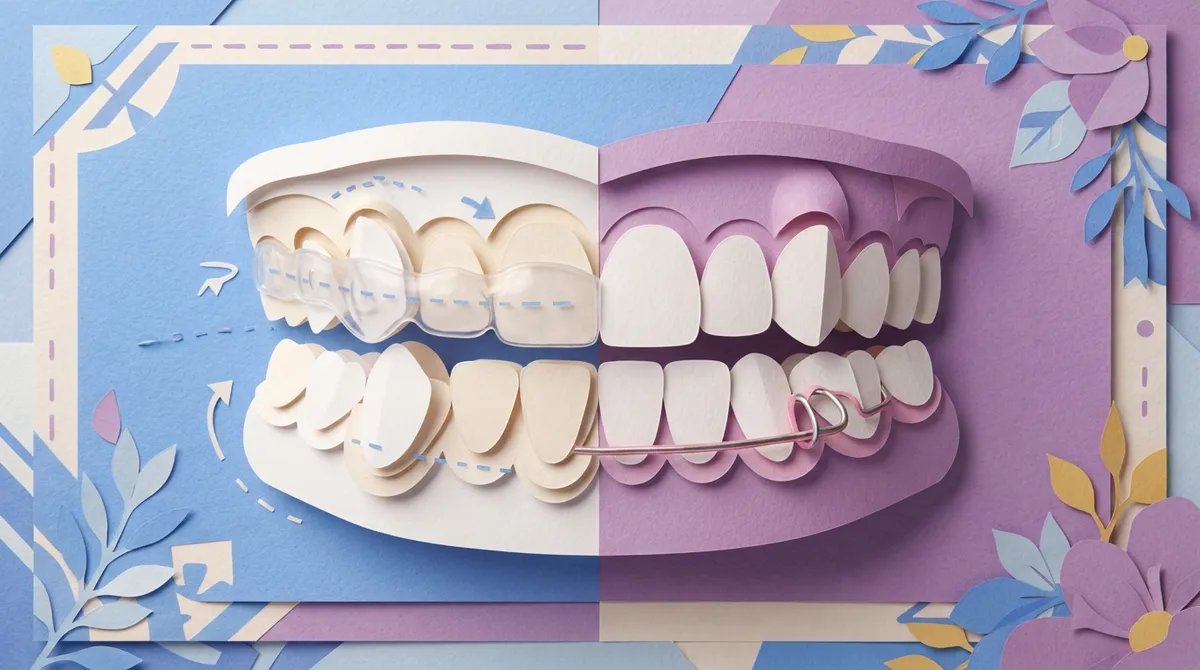
Retainers hold your teeth in their new position after braces or Invisalign treatment. Your teeth are surrounded by soft tissue and bone that need time to settle. Without a retainer, teeth can shift back toward their original spot within just a few months.
Think of it like wet cement. Right after your braces come off, your bite is still “setting.” A retainer holds everything steady while your gums and bone catch up. This is exactly why our very own Dr. K stresses retainer wear to every patient who finishes orthodontic treatment at our office.
2. The Main Types of Retainers
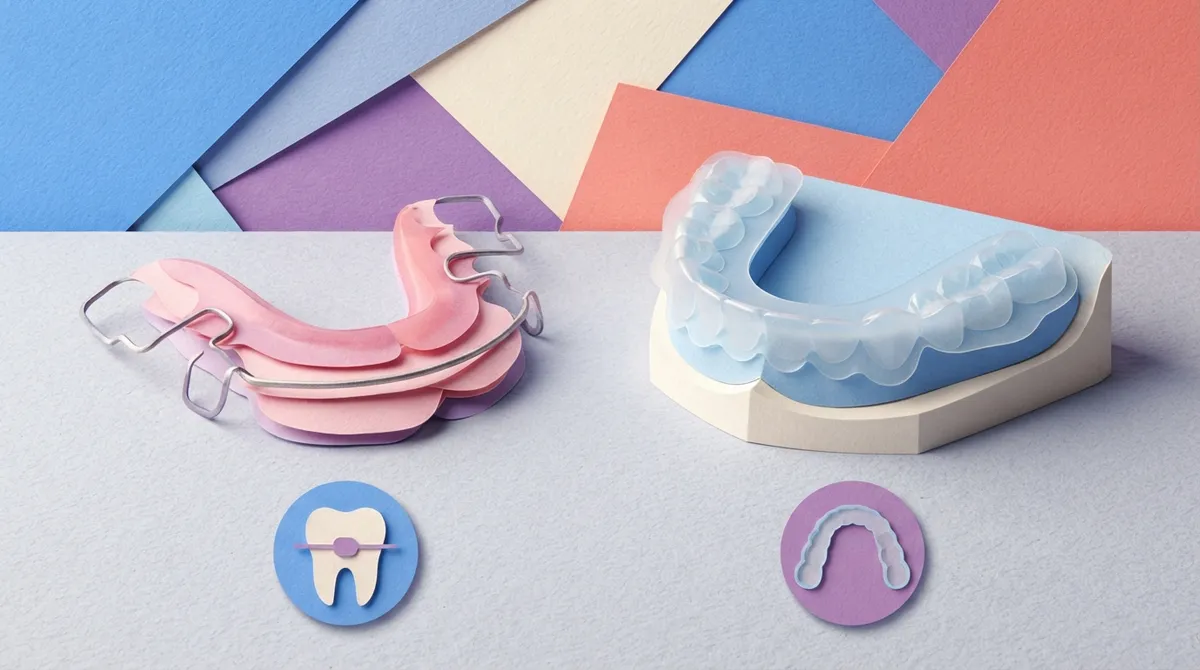
Not all retainers look or feel the same. Picking the right type depends on your lifestyle, budget, and how your teeth were treated.
- Hawley retainers: Made of acrylic and metal wire, these are adjustable and durable.
- Clear plastic retainers: Similar to Invisalign trays, these fit snugly over your teeth and are nearly invisible.
- Fixed (permanent) retainers: A thin wire bonded behind your front teeth, usually the lower ones.
- Essix retainers: A popular clear option that’s thinner and more comfortable for many patients.
Each type has pros and cons. Clear retainers are more discreet but can wear out faster. Fixed retainers require no daily effort but need special flossing tools to clean around the wire.
3. Removable vs. Fixed Retainers: A Quick Comparison
| Feature | Removable Retainer | Fixed Retainer |
|---|---|---|
| Visibility | Low to moderate | Hidden behind teeth |
| Daily Effort | Must remember to wear it | No daily action needed |
| Cleaning | Easy to brush and soak | Requires floss threaders |
| Durability | 3-5 years with care | Can last many years |
| Cost to Replace | Moderate | Higher if it breaks |
4. How Long Do You Really Need to Wear a Retainer?
This is the question we get asked more than any other. The honest answer is that most people need to wear some type of retainer for life. Your teeth never fully stop wanting to shift. If you want a deeper dive into this topic, check out our article on whether you need to wear a retainer forever after Invisalign.
Here’s a general timeline many dentists recommend:
- Full-time wear (20-22 hours a day) for the first 3 to 6 months.
- Nighttime-only wear for the next several months to a year.
- A few nights a week for long-term maintenance, often indefinitely.
Everyone’s mouth is different, so your exact schedule may vary. That’s why regular checkups matter so much for keeping your smile on track.
5. Signs Your Retainer Isn’t Fitting Right Anymore
A retainer that feels tight, loose, or causes pain is trying to tell you something. Ignoring these signs can lead to bigger problems down the road.
- Retainer feels tight when you first put it in after a break
- Teeth look slightly different in photos compared to a few months ago
- You notice small gaps or overlaps forming
- Clicking or popping sounds when you insert the retainer
- Retainer no longer snaps into place easily
If any of these sound familiar, it’s worth reading our guide on retainer feels tight, teeth moving mistakes to avoid. Catching shifts early makes correcting them much easier.
6. What Happens If You Stop Wearing Your Retainer
Teeth are surprisingly quick to move once given the chance. Research and clinical experience both show shifting can begin within weeks of skipping retainer wear.
We break down the full timeline in our article about how fast teeth shift without a retainer. The short version: don’t wait to find out the hard way. If you’ve already noticed changes, our post on consequences of skipping retainer wear explains what to expect and how to fix it.
7. Broken or Lost Your Retainer? Here’s What to Do
Life happens. Retainers get left on lunch trays, chewed by the family dog, or simply crack after years of use. Don’t panic, but also don’t ignore the problem.
- Call your dentist right away to schedule a replacement fitting.
- Try to wear your old retainer if you still have it, even if it’s tight.
- Avoid using any teeth-moving apps or home kits you find online.
- Ask about a temporary solution while your new retainer is made.
Waiting too long after a broken retainer can allow teeth to shift, which may mean starting orthodontic treatment over. Our article on signs your broken retainer is causing teeth relapse covers the warning signs to watch for.
8. Retainer Care 101: Keeping It Clean and Working Well
Good retainer hygiene isn’t complicated, but it does need to be consistent. A dirty retainer can trap bacteria and cause bad breath or gum irritation.
- Rinse your retainer every time you take it out
- Brush it gently with a soft toothbrush (no toothpaste, which can scratch it)
- Soak it weekly in a retainer-cleaning solution
- Store it in its case whenever it’s not in your mouth
- Keep it away from hot water, which can warp the plastic
For more detailed guidance, our team put together a helpful piece on how to care for your retainer after Invisalign.
9. Can You Switch Retainer Types Later?
Maybe you started with a Hawley retainer and want something less noticeable. Or perhaps your fixed retainer needs to come out for dental work. Switching is often possible, but it should always be done with your dentist’s guidance.
We’ve written a full breakdown on whether you can switch retainer types after Invisalign. It covers what to expect and how to avoid setbacks during the transition.
10. What Does a Replacement Retainer Cost?
Replacement costs depend on the type of retainer and your insurance coverage. Clear plastic retainers tend to be more affordable, while custom Hawley retainers cost a bit more due to the metal components.
Our guide on retainer cost facts after Invisalign walks through typical price ranges and what factors affect them. If you have insurance, it’s worth asking whether retainer replacement is covered under your plan.
11. Using Invisalign Trays as a Retainer
Some patients wonder if they can simply reuse old Invisalign aligners as retainers instead of getting a new device. While this might seem convenient, it’s not always the safest choice.
We cover the details in our article about mistakes to avoid when you use Invisalign as a retainer. Aligners are designed to move teeth, not necessarily hold them still long-term, so this decision should involve your dentist.
12. Retainers for Kids and Teens: What Parents Should Know
Families in Brandon often ask about retainer wear for kids finishing orthodontic treatment. Younger patients sometimes need extra encouragement to stick with their retainer schedule, especially during growth spurts when teeth can be more prone to shifting.
Parents should keep an eye out for:
- Retainers that no longer fit due to normal jaw growth
- Kids skipping wear time because the retainer feels uncomfortable
- Retainers left in backpacks, lunchboxes, or on the counter (easy to lose!)
- Signs of relapse that need a follow-up dental visit
Our general dentistry team can help track these changes at routine visits, making it easier to catch problems early.
13. Why Choose Dental Theory for Retainer Care in Brandon
At Dental Theory, we believe finishing orthodontic treatment is just the beginning of keeping your smile healthy for years to come. Our friendly, stress-free environment makes it easy to ask questions and get real answers about your retainer care.
We use the latest technology to check your bite and make sure your retainer is doing its job. Whether you need a replacement, a fitting adjustment, or just some peace of mind, our team is here to help. Dr. K has even been recognized for his commitment to modern dentistry, having been named one of America’s Top Young Dentists in Incisal Edge magazine’s 2025 40 Under 40. You can also view his professional profile through Dr. K’s Gold+ Invisalign Profile to see his experience with clear aligner treatment.
Curious what other Brandon families think about our care? You can visit us on Google — Dental Theory to read real reviews from our patients. We also share updates and patient stories if you visit us on Facebook.
If jaw discomfort or muscle tension is affecting your daily life alongside orthodontic recovery, the team at West Florida Therapy offers services that can complement your dental care plan.
Keeping Your Smile Straight for the Long Run
Retainers might seem like a small detail after all the work of braces or Invisalign, but they’re honestly one of the most important parts of your treatment. Wearing them as directed protects your investment and keeps your smile looking exactly the way you want it.
If you have questions about your retainer, need a replacement, or just want a checkup to make sure everything still fits right, we’d love to help. Ready to keep your smile on track? Contact Dental Theory today to schedule your visit, or schedule an appointment online at a time that works for your family.
FAQs
Q: How long do I need to wear my retainer after braces or Invisalign?
A: Most people wear their retainer full-time for a few months, then switch to nighttime wear for the long haul. Honestly, many dentists recommend some form of nightly wear for life since teeth can shift at any age.
Q: What should I do if my retainer breaks or gets lost?
A: Don’t panic, but don’t wait either! Call your dentist right away to get a replacement scheduled, since teeth can start shifting within just a couple weeks without one.
Q: Can I switch from a Hawley retainer to a clear retainer?
A: In many cases, yes! It’s best to talk with your dentist first to make sure the switch won’t affect how well your teeth stay in place.
Q: How do I clean my retainer properly?
A: Rinse it every time you take it out, brush gently with a soft toothbrush, and soak it weekly in a cleaning solution made for retainers. Avoid hot water since it can warp the plastic.
Q: Is it normal for my retainer to feel tight sometimes?
A: A little tightness after not wearing it for a day or two is common, but ongoing tightness usually means your teeth have shifted. That’s a good sign it’s time to check in with your dentist.
Our Service Area