Key Takeaways
-
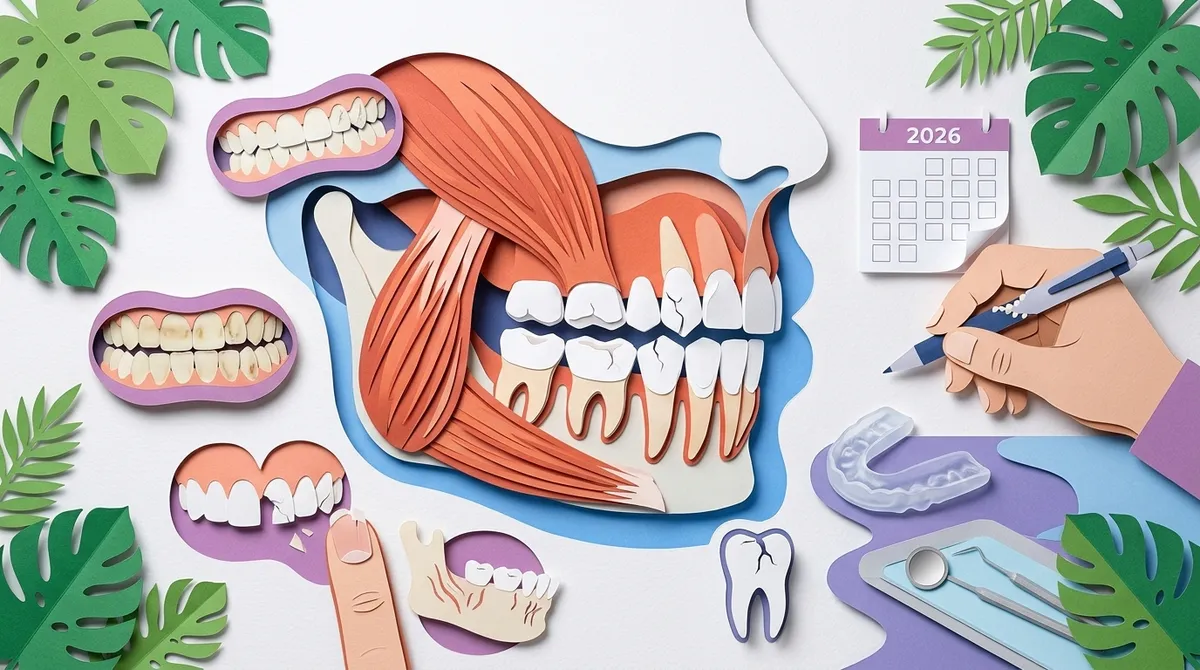
Bruxism affects 8-10% of adults and can generate up to 250 pounds per square inch of pressure on teeth, causing enamel wear, cracked teeth, jaw pain, and tooth loss over time.
-
Sleep bruxism and awake bruxism are both harmful; sleep bruxism often links to stress and sleep apnea, while awake bruxism is more common in women and stress-related.
-
Custom nightguards, bite splints, and stress management are highly effective treatments; same-day dental crowns can repair damage in a single visit.
-
Early detection during routine dental exams is crucial—dentists spot flattened tooth surfaces, chips, enlarged jaw muscles, and tongue indentations before symptoms appear.
-
Medications (antidepressants, stimulants) and high caffeine intake can trigger or worsen bruxism; always inform your dentist about medications you take.
-
Simple daily habits like hourly jaw-unclenching reminders, reducing caffeine after noon, and practicing jaw stretches can reduce parafunctional habits and prevent further damage.
Do you wake up with a sore jaw or headaches? You might be dealing with a parafunctional habit of bruxism — and you’re not alone. Millions of people grind and clench their teeth without even knowing it. In 2026, dentists are seeing more cases than ever, often linked to daily stress and busy lifestyles.
So what exactly is a parafunctional habit of bruxism? Simply put, it’s any repetitive jaw movement that goes beyond normal chewing and speaking. These habits put extra strain on your teeth, jaw muscles, and joints. Over time, they can cause serious dental damage that’s costly to repair.
The good news? Once you recognize these habits, you can take steps to stop them. This guide breaks down all 14 parafunctional bruxism habits, explains why they’re harmful, and shows you what your dentist can do to help. Let’s protect your smile together!
What Is a Parafunctional Habit of Bruxism?
A parafunctional habit is any jaw or mouth activity that isn’t related to eating, drinking, or speaking. Bruxism specifically refers to grinding or clenching your teeth. When these two things combine, you get a parafunctional habit of bruxism — a pattern that slowly wears down your teeth and strains your jaw.
According to dental health research, bruxism affects an estimated 8–10% of adults. Many people don’t even realize they’re doing it. That’s what makes it so dangerous. You can learn more about how bruxism connects to TMJ and sleep issues to understand the full picture.
These habits can happen during the day (awake bruxism) or at night (sleep bruxism). Both types are harmful. Both types need attention from your dental care team.
Why Parafunctional Habits Are So Harmful
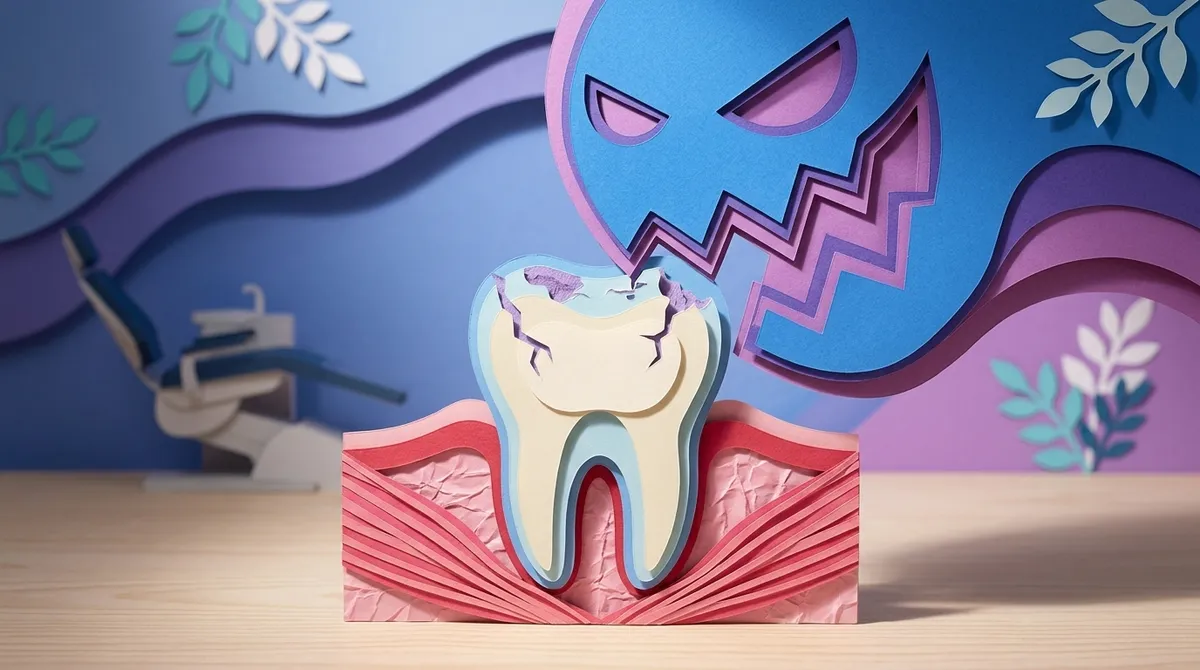
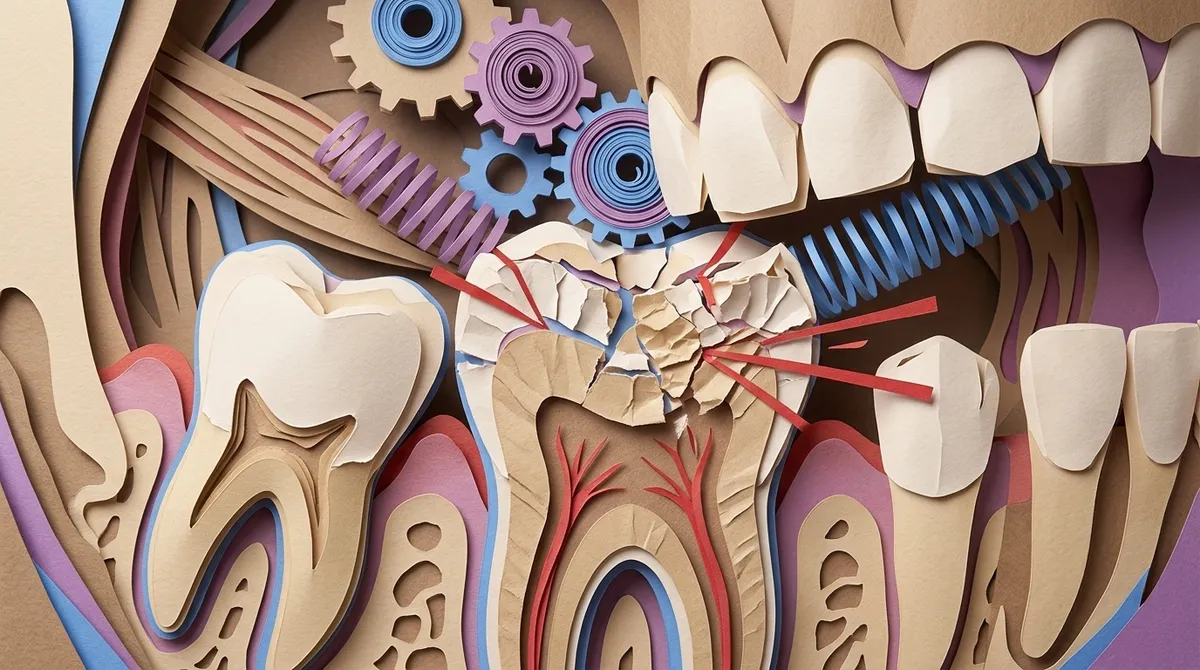
Your teeth were designed to handle about 20 minutes of chewing pressure per day. Parafunctional habits push that number way higher. The result? Cracked teeth, worn enamel, jaw pain, and even tooth loss.
Here’s a quick look at what bruxism can do to your smile over time:
| Damage Type | How It Happens | Severity |
|---|---|---|
| Enamel wear | Constant grinding removes the protective outer layer | Moderate to severe |
| Cracked teeth | Clenching applies extreme pressure to tooth structure | Severe |
| Jaw pain (TMJ) | Overworked jaw muscles and joint stress | Moderate to severe |
| Tooth sensitivity | Exposed dentin after enamel wears away | Mild to moderate |
| Loose teeth | Repeated pressure weakens the tooth-to-bone connection | Severe |
If you suspect bruxism is affecting your oral health, it’s a great idea to explore your general dentistry options right away. Early treatment always makes a big difference.
14 Parafunctional Bruxism Habits That Damage Your Teeth
Let’s walk through each habit, why it happens, and what harm it causes. Recognizing your own patterns is the first step toward getting better!
1. Nighttime Teeth Grinding (Sleep Bruxism)
This is the most common parafunctional habit of bruxism. You grind your upper and lower teeth together while you sleep. Most people don’t know they’re doing it until a partner mentions the sound — or their dentist notices the wear.
Sleep bruxism is often linked to stress, anxiety, and even sleep apnea. It can generate enormous force — sometimes up to 250 pounds per square inch — on your teeth. That’s a lot of pressure on something you need to last a lifetime! You can explore sleep apnea treatment options if you suspect a connection.
2. Daytime Jaw Clenching (Awake Bruxism)
Many people clench their teeth during the day without grinding. It often happens when you’re concentrating, stressed, or frustrated. You might notice a tight jaw or headache after a long workday.
Awake bruxism is actually more common in women and tends to be related to emotional stress. It still causes significant muscle fatigue and tooth wear over time.
3. Chewing on Pencils or Pens
This is a habit many people pick up during school or work. Biting down on a pen or pencil puts uneven pressure on your teeth. Over time, this can cause small cracks and chips that get bigger with daily use.
It also introduces harmful bacteria into your mouth. It’s a tough habit to break, but your teeth will thank you when you do!
4. Nail Biting
Nail biting is incredibly common, especially in children and teenagers. It’s a stress response that many people carry into adulthood. But it’s also a serious parafunctional habit of bruxism because of how it strains the jaw and chips the front teeth.
Nail biting can also push your teeth out of alignment over time. If you notice this in your child, it’s worth mentioning to your pediatric dentist. Dr. Pri at Dental Theory in Brandon is a board-certified pediatric dentist who can help address these habits early and gently.
5. Chewing Ice
Ice is hard — really hard. Chewing it regularly puts extreme stress on your teeth. It can crack enamel, break fillings, and even fracture teeth. Many people who chew ice don’t realize it counts as a parafunctional habit of bruxism.
The temperature extremes also cause micro-fractures in enamel over time. Try swapping ice chewing for sugar-free gum to keep your mouth busy without the damage.
6. Biting Your Cheeks or Lips
Repeatedly biting the inside of your cheek or your lip is another classic parafunctional habit. It often starts as a nervous response and becomes automatic. While it might not directly grind your teeth, it still involves repetitive jaw motion that strains your bite.
It can also lead to sores, irritation, and infection in the soft tissue of your mouth. Your dentist can help identify if this habit is affecting your oral health during a comprehensive dental exam.
7. Teeth Tapping or Clicking
Some people tap their teeth together repeatedly, especially when anxious or bored. This rhythmic tapping might seem harmless, but it creates micro-stress on the enamel and supporting bone every time it happens.
Over time, teeth tapping can contribute to bite problems and jaw discomfort. It’s a habit worth discussing with your dentist at your next visit.
8. Resting Tongue Against Teeth
Pushing your tongue against the back of your teeth (tongue thrusting) is a parafunctional habit that creates outward pressure on the teeth. This can slowly shift teeth out of their natural position and create spacing or bite problems.
Tongue thrusting is especially common in children and can interfere with orthodontic treatment. It’s one reason why early dental visits are so important for kids.
9. Chewing Only on One Side
If you favor one side of your mouth when chewing — maybe because of a sore tooth or a missing tooth — you’re creating an uneven bite. This is a parafunctional habit that puts extra wear on the teeth and jaw muscles on your dominant chewing side.
Over time, this imbalance can lead to TMJ issues and asymmetric jaw development. Fixing the root cause, like a missing tooth, is the best solution. Dental implants and other restorations can help restore balanced chewing.
10. Grinding During Exercise or Heavy Lifting
Many athletes and gym-goers clench and grind their teeth without realizing it during intense workouts. The concentration and exertion involved triggers jaw clenching, which can be just as damaging as nighttime bruxism.
Custom mouthguards are a great solution here. They protect your teeth during high-intensity activities while reducing jaw muscle strain.
11. Bruxism Triggered by Medications or Caffeine
Certain medications — including some antidepressants and stimulants — are known to cause or worsen bruxism. High caffeine intake can also increase jaw tension and grinding frequency.
This type of bruxism is often overlooked because people don’t connect their medication or coffee habits to their dental symptoms. Always tell your dentist about medications you take so they can factor this into your treatment plan.
12. Stress-Induced Clenching at Work
Work stress is one of the biggest drivers of parafunctional habits of bruxism in 2026. Deadlines, screen time, and high-pressure environments all increase jaw tension. Many people spend their entire workday with their teeth lightly clenched — and don’t notice until they feel jaw pain at night.
Mindfulness techniques and stress reduction can help. But a custom nightguard or bite splint from your dentist is often the most effective protection. You can find out more by reading about teeth grinding causes and cures.
13. Bruxism in Children (Pediatric Bruxism)
Kids grind their teeth too! Pediatric bruxism is especially common when baby teeth are coming in or when permanent teeth are erupting. It can also be linked to anxiety, hyperactivity, or airway issues.
While many children outgrow bruxism naturally, it’s important to have a pediatric dentist monitor the situation. Left unchecked, it can damage developing teeth and affect jaw growth. Pediatric dental care can address bruxism in children early and effectively.
14. Bruxism Combined with TMJ Dysfunction
This is one of the most complex parafunctional bruxism habits because bruxism and TMJ problems often feed into each other. Grinding strains the TMJ (temporomandibular joint), and a dysfunctional TMJ makes grinding worse.
People with this combination often experience jaw clicking, popping, ear pain, and headaches. Treating both conditions together gives the best results. You can explore TMJ rehabilitation options to understand what treatment looks like.
How Dentists Diagnose Parafunctional Bruxism Habits
Your dentist can often spot signs of bruxism before you even mention symptoms. Here’s what they look for during a routine exam:
- Flattened or worn tooth surfaces
- Chipped or cracked enamel without a clear cause
- Enlarged jaw muscles (masseter hypertrophy)
- Indentations on the tongue from clenching
- Tooth sensitivity without cavities
- Tenderness in the jaw joint area
Early diagnosis makes a huge difference. That’s why regular dental checkups are so important — even when you feel fine!
Treatment Options for Parafunctional Habits of Bruxism
The good news is that bruxism is very treatable. Here are the most effective solutions your dental team might recommend:
- Custom nightguard or bite splint — A custom-fitted appliance worn during sleep to protect teeth from grinding forces
- Stress management and behavioral therapy — Addressing the root cause of stress-related clenching
- Dental restoration — Repairing damaged teeth with crowns, veneers, or bridges
- TMJ rehabilitation — Targeted therapy for jaw joint dysfunction
- Orthodontic treatment — Correcting bite alignment that contributes to grinding
- Habit awareness training — Learning to recognize and stop parafunctional habits during the day
Dental Theory in Brandon, FL offers comprehensive care for patients dealing with bruxism. From custom nightguards to restorative treatments, the team is here to protect and restore your smile. Visit us on Google — Dental Theory to read what our patients are saying about their care experience.
How Bruxism Damage Gets Repaired
When bruxism has already caused damage, restorative dentistry can rebuild your smile. Here’s a look at common repair options based on the type of damage:
| Damage | Repair Option | Recovery Time |
|---|---|---|
| Worn enamel | Bonding or veneers | Same visit or 1–2 weeks |
| Cracked tooth | Dental crown (same-day available) | 1 visit at Dental Theory |
| Broken tooth | Crown or extraction + implant | 1–3 months |
| Sensitive teeth | Fluoride treatment + bonding | Same visit |
| Missing teeth from damage | Dental implants | 3–6 months total |
If bruxism has damaged your teeth, same-day crowns are a fantastic option that saves you time. No need for multiple appointments or temporary crowns — everything is done in one visit!
Tips to Reduce Parafunctional Bruxism Habits Starting Today
You don’t have to wait for a dental appointment to start making changes. Here are some simple steps you can take right now:
- Check your jaw position right now — are your teeth touching? They shouldn’t be when you’re relaxed
- Set phone reminders every hour to unclench your jaw during the workday
- Reduce caffeine after noon to decrease nighttime grinding
- Practice jaw stretches and gentle massages to release muscle tension
- Create a calming bedtime routine to lower stress before sleep
- Avoid hard foods like ice, hard candy, and raw carrots if your teeth are already worn
Small daily habits add up over time. Pair these tips with professional dental care for the best results. For even more ideas, check out common oral hygiene mistakes that may be making bruxism damage worse.
Bruxism Awareness for the Whole Family
Bruxism affects people of all ages — from toddlers to seniors. That’s why family dental care is so important. When the whole family sees the dentist regularly, parafunctional habits get caught early before they cause lasting damage.
Children benefit especially from early monitoring. A board-certified pediatric dentist like Dr. Pri can identify bruxism in children and recommend gentle, age-appropriate interventions. Adults can work with their dentist on custom solutions that fit their lifestyle. For families in Brandon, FL, schedule an appointment at Dental Theory to get the whole family checked out.
Speaking of families, taking care of your home environment matters too! A stress-free home helps reduce bruxism triggers. Our friends at Wayne & Sons Landscaping & Junk Removal know that a clean, beautiful yard goes a long way toward creating a relaxing home environment — and less stress means less grinding!
Signs You Should See a Dentist for Bruxism Right Away
Some signs of bruxism need professional attention without delay. Watch out for these warning signals:
- Waking up with jaw pain or headaches regularly
- Noticing your teeth look shorter or more worn than before
- A cracked or chipped tooth with no clear cause
- Clicking or popping sounds from your jaw joint
- Tooth sensitivity that seems to come from nowhere
- Your partner mentions they can hear you grinding at night
Don’t wait if you’re experiencing these symptoms. The longer bruxism goes untreated, the more expensive and complicated the repair becomes. Learn more about what to expect with bruxism treatment before your appointment so you feel confident walking in.
Comparing Bruxism Treatment Approaches
| Treatment | Best For | Effectiveness | Cost Range |
|---|---|---|---|
| Custom nightguard | Sleep bruxism | High | $300–$700 |
| Bite splint | Daytime clenching + TMJ | High | $400–$900 |
| Behavioral therapy | Stress-related habits | Moderate | Varies |
| Botox for jaw muscles | Severe clenching, muscle pain | High short-term | $500–$1,500 |
| Dental restoration | Repairing damage already done | Very high | Varies by case |
Insurance may cover some bruxism treatments. It’s always smart to check your coverage first. You can review insurance plan options at Dental Theory to understand what your benefits include.
Conclusion: Take Control of Your Parafunctional Bruxism Habits Today
A parafunctional habit of bruxism is more than just grinding your teeth — it’s a pattern of jaw activity that silently damages your smile over time. From nighttime grinding to nail biting and stress clenching, these 14 habits all take a toll on your oral health.
The amazing thing is that with the right care, bruxism damage can be stopped and repaired. Whether you need a custom nightguard, a same-day crown, or TMJ treatment, your dental team has the tools to help. You can also visit us on Facebook to stay connected and learn about the latest dental care tips and specials from Dental Theory.
Don’t let bruxism steal your smile. Early action is always the best action. Reach out today and take the first step toward a healthier, pain-free bite — you deserve it!
Ready to protect your smile from parafunctional bruxism habits? Reach out to the Dental Theory team in Brandon, FL, and let us create a personalized plan to keep your teeth strong, healthy, and beautiful for years to come.
FAQs
Q: What is a parafunctional habit of bruxism?
A: A parafunctional habit of bruxism is any repetitive jaw movement that goes beyond normal chewing or speaking — like grinding or clenching your teeth. These habits put excessive stress on your teeth, jaw muscles, and joints, often leading to wear, cracks, and pain over time. The good news is that a dentist can diagnose and treat these habits before serious damage occurs!
Q: How do I know if I have a parafunctional bruxism habit?
A: Common signs include waking up with jaw soreness or headaches, noticing worn or flat-looking teeth, unexplained tooth sensitivity, and hearing clicking sounds from your jaw. Your dentist can spot signs of bruxism during a routine exam, often before you notice symptoms yourself. Regular dental checkups are one of the best ways to catch it early!
Q: Can children have parafunctional bruxism habits?
A: Absolutely — pediatric bruxism is quite common, especially when children are teething or experiencing stress. Many kids outgrow it naturally, but it’s important to have a pediatric dentist monitor the situation to make sure developing teeth aren’t being damaged. A board-certified pediatric dentist can recommend gentle, child-friendly interventions when needed.
Q: What is the best treatment for parafunctional bruxism habits?
A: The most effective first-line treatment is usually a custom nightguard or bite splint made by your dentist to protect your teeth from grinding forces. Depending on the cause, your dentist might also recommend stress management strategies, TMJ therapy, or dental restorations to repair existing damage. Every case is a little different, so a personalized plan always works best!
Q: Can bruxism damage be repaired after years of grinding?
A: Yes! Modern dentistry offers many great options to repair bruxism damage, including dental crowns, veneers, bonding, and implants for severely damaged or lost teeth. Same-day crowns are a particularly convenient option that can restore a damaged tooth in just one visit. The sooner you seek treatment, the easier and more affordable the repair process will be!
Our Service Area