Key Takeaways
-
Get a custom-fitted night guard from your dentist as the first line of defense against bruxism; store-bought guards often worsen jaw pain due to poor fit.
-
Manage stress through deep breathing, exercise, and consistent sleep schedules, as stress is a major trigger for teeth grinding and jaw clenching.
-
Schedule a professional dental evaluation to identify bite misalignment or tooth damage early, since untreated bruxism can lead to cracked teeth, chronic headaches, and worsening TMJ damage.
-
Combine home remedies like jaw stretches and heat/cold therapy with professional treatment for best results; mild cases may improve within 2-4 weeks.
Waking up with a sore jaw or a headache that just won’t quit? You might be dealing with TMJ pain caused by bruxism, and you are definitely not alone. Grinding your teeth at night is more common than most people think, and it can lead to jaw pain, worn-down teeth, and even trouble chewing your favorite foods. The good news? TMJ caused by bruxism is very treatable once you know what to look for. In this friendly guide, we will walk through six proven ways to find relief, so you can get back to smiling without wincing. Whether you’re a busy parent, a working professional, or someone who has just started noticing jaw discomfort, this article was written with you in mind. Let’s dig into what causes this issue and, more importantly, how to fix it for good.
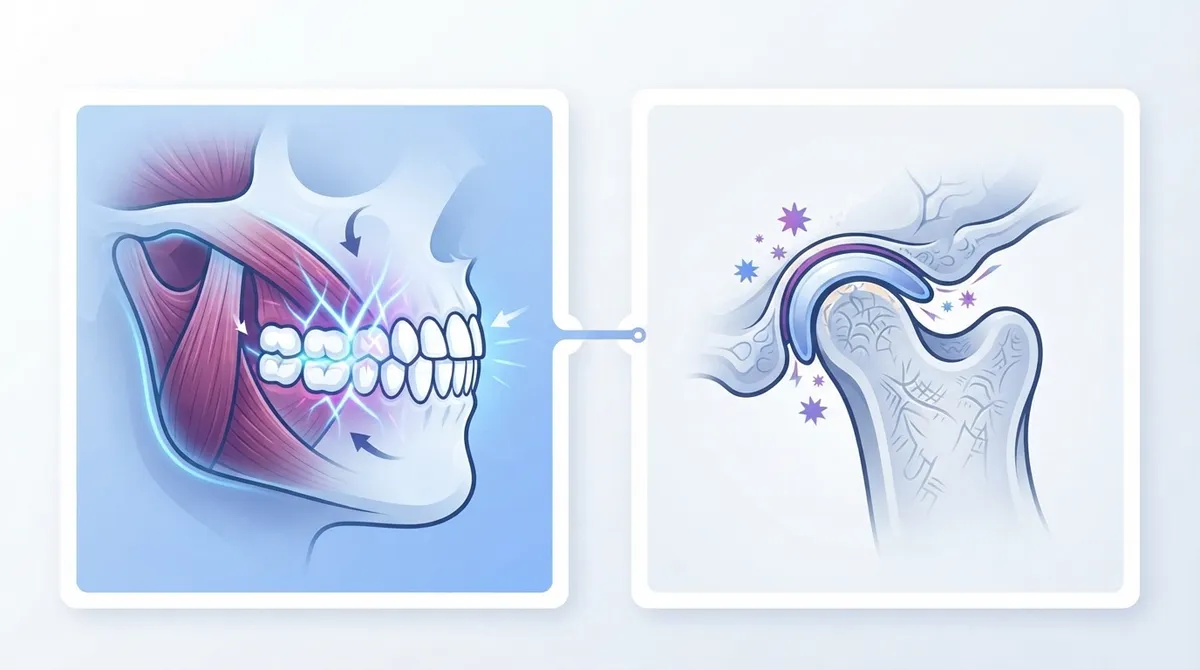
What Is TMJ, and How Does Bruxism Cause It?
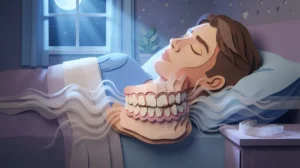
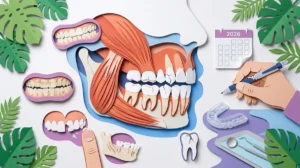
Your TMJ, or temporomandibular joint, connects your jawbone to your skull. It lets you talk, chew, and yawn without a second thought. Bruxism is the medical term for grinding or clenching your teeth, often while you sleep. Over time, this constant pressure can strain your TMJ, leading to pain, popping sounds, and stiffness.
Many people do not even realize they grind their teeth until a dentist points out the warning signs. That is why regular checkups matter so much. At Dental Theory, our team looks for these early clues during routine visits, helping Brandon families catch problems before they get worse.
Common Signs You Might Have TMJ From Bruxism
- Jaw pain or soreness, especially in the morning
- Clicking or popping sounds when you open your mouth
- Frequent headaches or earaches
- Worn, flattened, or chipped teeth
- Difficulty opening your mouth all the way
- Tension in your neck and shoulders
6 Ways to Fix TMJ Caused by Bruxism
There is no single fix that works for everyone, but these six approaches have helped countless patients find relief. Let’s break them down one by one.
1. Get a Custom Night Guard
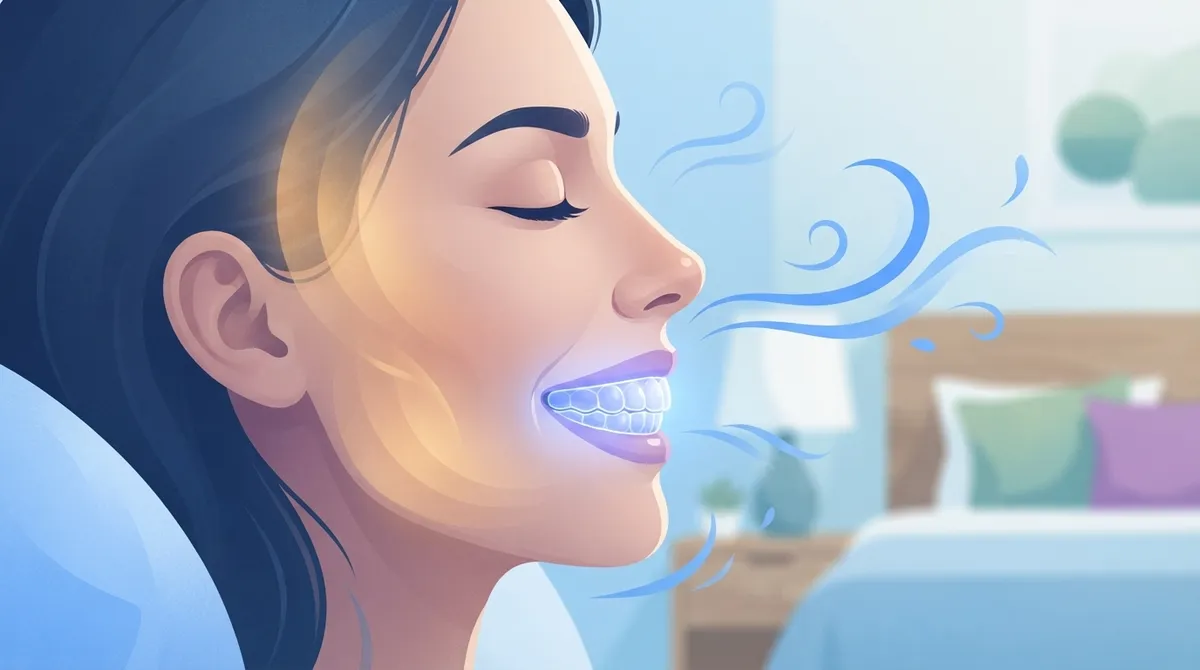
A night guard is often the first line of defense against bruxism. This custom-fitted device sits over your teeth while you sleep, creating a cushion between your upper and lower jaw. It won’t stop you from grinding completely, but it protects your teeth and takes pressure off your TMJ.
Store-bought guards might seem tempting, but they rarely fit as well as a custom one made by your dentist. A poorly fitted guard can actually make jaw pain worse. That is why we always recommend getting fitted through general dentistry services designed specifically for your bite.
2. Try Jaw Exercises and Stretches
Just like any other muscle group, your jaw muscles can benefit from gentle stretching. Simple exercises can help loosen tight muscles and improve your range of motion. Here is a quick routine you can try at home:
- Relax your jaw and rest your tongue on the roof of your mouth
- Slowly open your mouth as wide as comfortable, then close it
- Gently move your jaw side to side
- Repeat each movement 5 to 10 times, twice a day
These stretches will not fix severe cases on their own, but they pair nicely with other treatments on this list.
3. Manage Stress Levels
Stress is one of the biggest triggers for teeth grinding. Many people clench their jaws without even noticing when they are anxious or overwhelmed. Finding healthy ways to manage stress can make a real difference in reducing bruxism.
- Practice deep breathing before bed
- Limit caffeine in the evening
- Try light exercise like walking or yoga
- Set a consistent sleep schedule
4. Adjust Your Bite With Professional Dental Care
Sometimes, an uneven bite is what causes excess grinding in the first place. If your teeth do not line up correctly, your jaw muscles work overtime trying to compensate. This can lead straight to TMJ pain.
Our dental team can evaluate your bite and recommend solutions, whether that means minor adjustments or something like Veneers Crowns Bridges to restore proper alignment. If a tooth has already worn down from years of grinding, Dr. Chris Karapasha, known to patients as Dr. K, can restore it quickly. He offers same-day ceramic crowns, so you never have to wait weeks or come back for a second visit. You can learn more about what are same day crowns and how the process works before your appointment.
5. Use Heat or Cold Therapy
This simple, at-home remedy can bring quick relief when your jaw feels tight or sore. A warm compress relaxes tense muscles, while a cold pack can reduce swelling and numb sharp pain.
| Therapy Type | Best For | How Long to Apply |
|---|---|---|
| Warm Compress | Muscle tension, stiffness | 15-20 minutes |
| Cold Pack | Swelling, sharp pain | 10-15 minutes |
| Alternating Heat/Cold | Chronic ongoing discomfort | 15 minutes each, twice daily |
6. Schedule a Professional TMJ Evaluation
If home remedies are not cutting it, it is time to see a professional. A dental exam can pinpoint exactly what is causing your TMJ pain and rule out other issues. Sometimes what feels like jaw pain is actually related to tooth decay or gum problems, so getting the full picture matters.
Our team welcomes new and returning patients throughout Brandon looking for lasting relief. You can read more about how sleep and your smile connect to TMJ and bruxism in our related blog post.
Comparing Your TMJ Treatment Options
Not sure which option is right for you? Here is a quick comparison to help guide your decision before your next dental visit.
| Treatment | Best For | Time to See Results |
|---|---|---|
| Night Guard | Nighttime grinding | 1-2 weeks |
| Jaw Exercises | Mild stiffness | 2-4 weeks |
| Stress Management | Anxiety-related clenching | Varies by person |
| Bite Correction | Misaligned teeth | Depends on treatment |
| Heat/Cold Therapy | Quick symptom relief | Same day |
| Professional Evaluation | Ongoing or severe pain | First visit |
Why Ignoring Bruxism Can Make Things Worse
It is tempting to brush off jaw pain as something minor. But untreated bruxism can lead to bigger problems down the road, including:
- Cracked or broken teeth that require restoration
- Chronic headaches that affect daily life
- Worsening TMJ damage that becomes harder to treat
- Increased tooth sensitivity from enamel wear
- Sleep disruption for you and your partner
If your teeth have already suffered damage from grinding, do not worry. Restorative options like dental crowns can repair worn or cracked teeth quickly. Dr. K’s ceramic same-day crowns mean you leave with a fully restored tooth in just one visit, no waiting around needed.
Tips for Preventing Bruxism From Coming Back
Once you get your TMJ pain under control, the last thing you want is a repeat episode. Here are some simple habits to keep grinding at bay:
- Wear your night guard consistently, even when you feel fine
- Keep up with routine dental checkups every six months
- Avoid chewing gum excessively, which tires out jaw muscles
- Practice good posture, especially if you work at a desk
- Stay hydrated and maintain a balanced diet for muscle health
How Dental Theory Supports Brandon Families With TMJ Concerns
Dental Theory has built a reputation as a trusted, family-focused practice right here in Brandon, Florida. We understand that jaw pain can affect your whole day, from eating breakfast to falling asleep at night. Our friendly team takes time to listen to your concerns and create a treatment plan that actually fits your life.
Dr. K has years of experience helping adult patients restore both comfort and confidence in their smiles. In fact, Dr. Chris Karapasha has been named one of America’s Top Young Dentists in Incisal Edge magazine’s 2025 40 Under 40, a recognition that reflects his dedication to quality care. If you are curious about his approach to smile restoration, check out his Gold+ Invisalign provider profile for more background on his credentials.
Want to see what our patients are saying? Feel free to visit us on Facebook or visit our Dental Theory location on Google to read real reviews from Brandon neighbors just like you.
When to See a Dentist Right Away
Some symptoms mean you should not wait for your next scheduled cleaning. Reach out sooner if you notice:
- Sudden, severe jaw pain that does not improve
- Your jaw locking or getting stuck open or closed
- A tooth that has cracked or broken from grinding
- Pain that spreads to your ears or neck
These signs mean it is time for professional care, not a wait-and-see approach. Understanding why dental health matters more than you think can help you take these warning signs seriously before they escalate.
Your Next Step Toward a Pain-Free Smile
TMJ pain from bruxism does not have to control your life. With the right combination of home care and professional treatment, most patients find real, lasting relief. Whether you need a custom night guard, a bite adjustment, or a same-day crown to repair grinding damage, our Brandon team is here to help every step of the way.
Ready to stop the jaw pain and get back to feeling like yourself? Contact Dental Theory today to schedule your evaluation, or schedule an appointment online at a time that works for you. Your comfortable, pain-free smile is closer than you think.
FAQs
Q: Can TMJ caused by bruxism go away on its own?
A: Sometimes mild cases improve with rest and stress reduction, but most people need a night guard or professional treatment for lasting relief. Ignoring it often lets the problem get worse over time. The sooner you address it, the easier it is to treat!
Q: How long does it take to fix TMJ from teeth grinding?
A: It really depends on how severe your case is. Many patients notice improvement within a few weeks of using a night guard, while others may need ongoing care for a few months. Every smile is different, so your dentist can give you a more personalized timeline.
Q: Is a night guard the same as a retainer?
A: Nope, they serve different purposes even though they might look similar. A night guard cushions your teeth from grinding forces, while a retainer keeps teeth in place after orthodontic treatment. Your dentist can help you figure out which one you actually need.
Q: Can children develop TMJ from bruxism too?
A: Yes, kids can grind their teeth too, especially during stressful periods or while their adult teeth come in. If you notice your child grinding at night, it is worth mentioning at their next checkup. Catching it early helps protect their growing smile.
Q: Will insurance cover TMJ treatment?
A: Coverage varies quite a bit depending on your specific plan and the treatment recommended. It is always a good idea to check your benefits before your appointment so there are no surprises. Our friendly team is happy to help you understand your options too.
Our Service Area