Key Takeaways
-
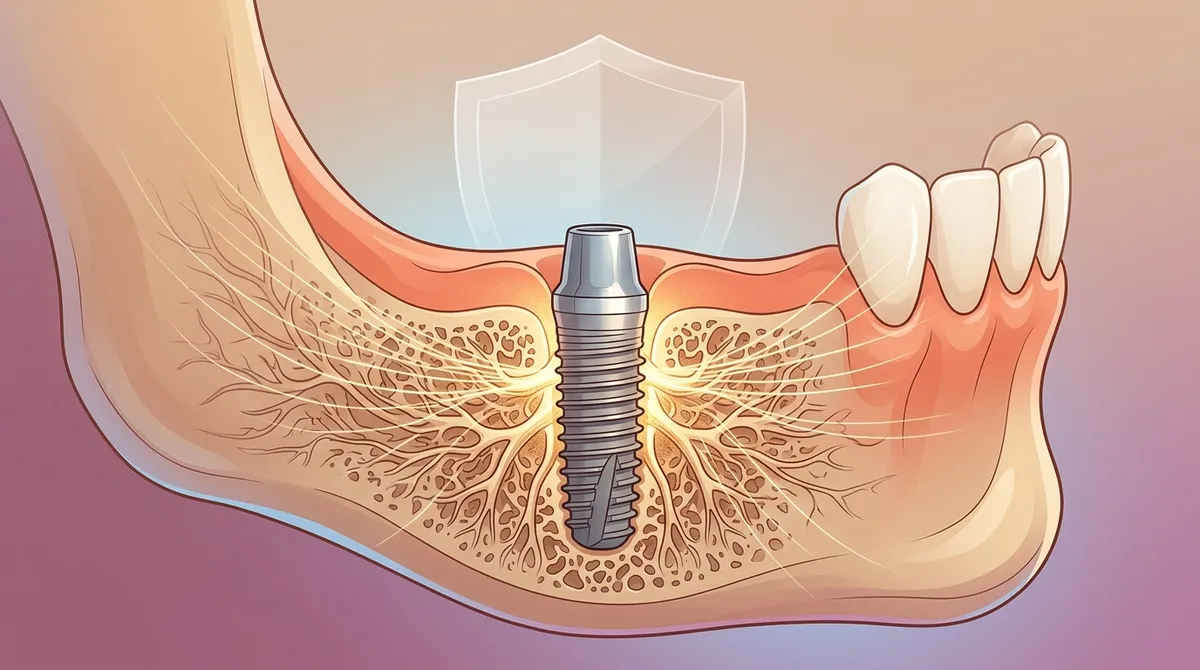
Osseointegration — the fusion of your jawbone with the titanium implant post over 3-6 months — is critical for structural integrity; rushing this process or disrupting it during healing can permanently compromise the implant.
-
Healthy jawbone volume and density is the foundation for implant success; bone grafting can rebuild lost bone before placement, and timing matters because jawbone shrinks after tooth loss.
-
Proper implant placement angle and depth, determined using 3D imaging, directly affects how biting forces distribute; poor placement leads to uneven stress that weakens the implant over time.
-
Daily oral hygiene habits are essential to prevent peri-implantitis (gum disease around implants), one of the leading causes of implant failure; brush twice daily, floss carefully, and use an interdental brush.
-
Teeth grinding (bruxism) is especially harmful to implant integrity and can loosen the abutment screw or crack the crown; a custom night guard is a simple protective measure.
-
Regular dental check-ups every 6 months catch early warning signs of bone loss or gum disease; with proper care, dental implants last 20-30 years with success rates of 95% or higher over 10 years.
If you’ve been thinking about dental implants, you probably have one big question: Will they actually hold up? That’s a totally fair concern! After all, you’re making a serious investment in your smile and your health. The good news is that dental implants are one of the strongest, most reliable tooth replacement options available in 2026 — but their long-term success depends on several key factors.
Understanding dental implant structural integrity isn’t just dentist talk. It’s about knowing what makes your implant stable, what keeps it strong for decades, and what you can do to protect it. Whether you’re just starting your implant research or you already have one placed, this guide breaks it all down in plain, simple terms.
At Dental Theory in Brandon, FL, Dr. K works with patients every day to place and restore implants that are built to last. Here are 7 keys to keeping your implant structurally sound for life.
What Is Dental Implant Structural Integrity?
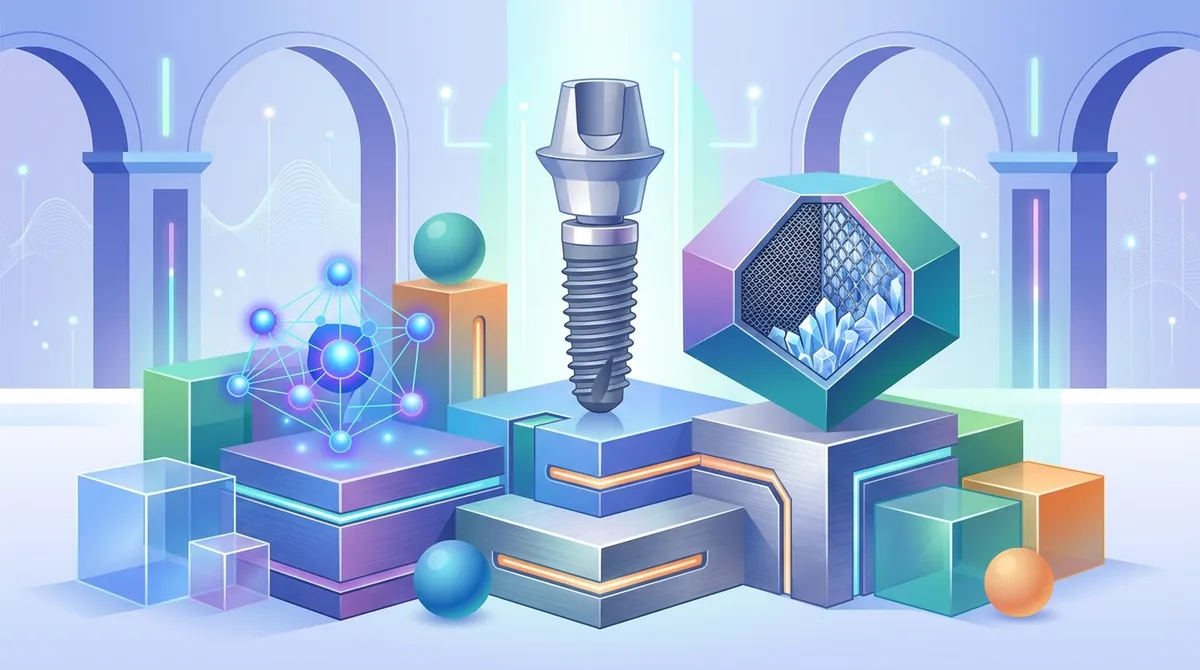
In simple terms, dental implant structural integrity means how strong and stable your implant is — from the titanium post in your jawbone all the way to the crown on top. A structurally sound implant feels like a natural tooth. It doesn’t wobble, shift, or hurt. It functions fully and looks great.
Here’s how a typical dental implant is structured:
- Titanium post: This acts like the tooth root, embedded in your jawbone
- Abutment: The connector piece between the post and the crown
- Crown: The visible tooth-shaped cap on top
Each layer must work together for the implant to maintain its structural integrity long-term. When even one component is compromised, the whole system can be at risk.
| Implant Component | Function | Material Used |
|---|---|---|
| Titanium Post | Replaces the tooth root | Medical-grade titanium |
| Abutment | Connects post to crown | Titanium or zirconia |
| Crown | Mimics the visible tooth | Ceramic or porcelain |
1. Healthy Jawbone Volume and Density
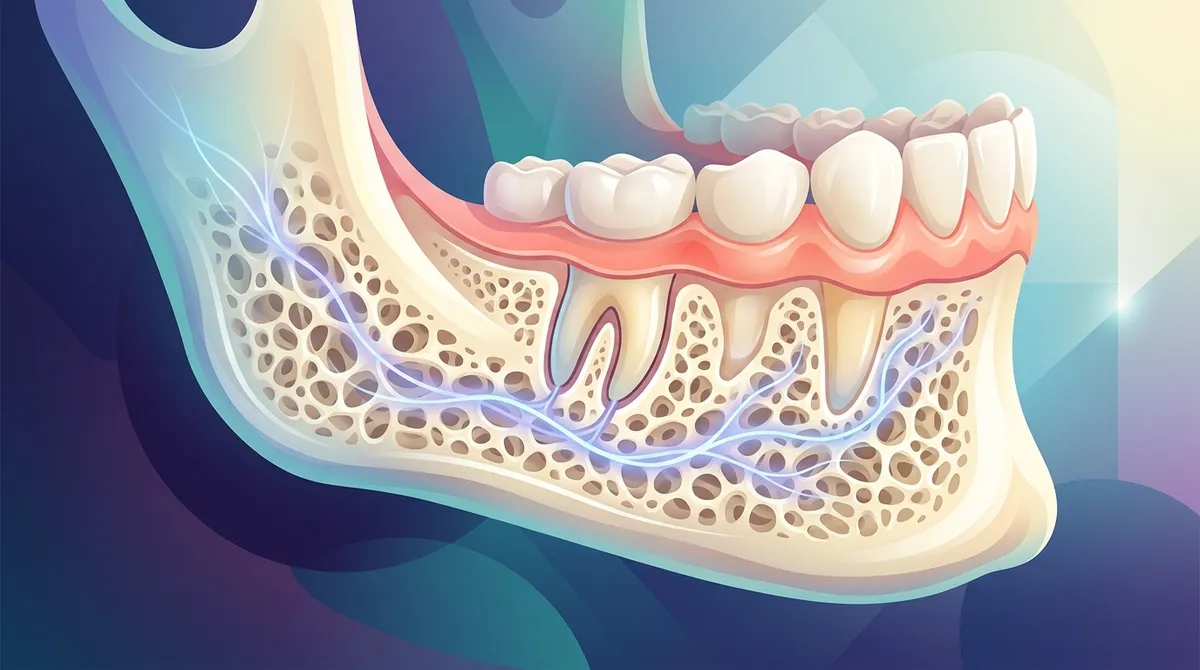
Your jawbone is the foundation of your implant. If the bone isn’t thick or dense enough, the implant post won’t have anything solid to anchor into. This is one of the most important factors in dental implant structural integrity.
When a tooth is lost, the jawbone beneath it begins to shrink over time. This is called bone resorption. The longer you wait to get an implant after losing a tooth, the more bone you may lose. That’s why timing matters!
Key points about jawbone health and implants:
- Bone grafting can rebuild lost bone before implant placement
- Bone density is assessed with digital X-rays or 3D imaging
- Conditions like osteoporosis can affect candidacy
If you’re curious about what every implant patient should know, bone health is always at the top of the list.
2. Osseointegration — The Fusion Factor
Osseointegration is a fancy word for a simple concept: your jawbone growing around and fusing with the titanium implant post. This fusion is what gives the implant its incredible strength. Without it, the implant will fail.
Think of it like planting a fence post in cement. Once the cement hardens around the post, it’s not going anywhere. Osseointegration works the same way — your bone essentially locks the implant in place.
Factors that help osseointegration succeed:
- Good overall health and no uncontrolled diabetes
- Not smoking (smoking dramatically reduces success rates)
- Following your dentist’s aftercare instructions closely
- Giving the implant the full healing time it needs
This process typically takes 3 to 6 months. Rushing it or disrupting it can compromise the dental implant structural integrity permanently.
3. Proper Implant Placement and Angulation
Even a perfect implant placed at the wrong angle can cause problems. The position and angle of implant placement directly affect how biting forces are distributed across the implant. Poor placement leads to uneven stress, which weakens the implant over time.
Experienced implant dentists use precise planning tools — including 3D imaging — to map out exactly where each implant will go before the procedure begins. This precision is essential for long-term structural integrity.
| Placement Factor | Why It Matters | Risk If Ignored |
|---|---|---|
| Implant angle | Distributes biting force evenly | Cracked crown or abutment |
| Implant depth | Ensures bone support from all sides | Bone loss around post |
| Spacing from adjacent teeth | Prevents bone and gum damage | Gum recession |
If you’re looking for a skilled dental implant specialist in Brandon, FL, Dr. K at Dental Theory brings expert precision to every implant procedure.
4. Quality of the Crown and Restoration
The implant post is only half the story. The crown — the visible part of your implant — also plays a major role in structural integrity. A poorly fitted or low-quality crown can create bite imbalances that stress the implant post over time.
Here’s what makes a great implant crown:
- Custom-fitted to your exact bite and jaw alignment
- Made from durable, high-quality ceramic material
- Properly matched in height to surrounding teeth
- Checked and adjusted as needed at follow-up visits
You can learn more about how implant-supported crowns and prostheses are built to last. A well-made crown protects both your investment and your implant’s structural health.
5. Your Daily Oral Hygiene Habits
Here’s the truth: even the best implant can fail if you don’t take care of it at home. Daily oral hygiene is one of the most powerful things you can do to preserve dental implant structural integrity for the long haul.
Implants can’t get cavities, but the gum tissue and bone around them absolutely can be damaged by bacteria. A condition called peri-implantitis (gum disease around implants) is one of the leading causes of implant failure. It’s preventable with good habits.
Here’s your daily implant care checklist:
- Brush twice daily with a soft-bristled toothbrush
- Floss carefully around the implant every day
- Use a water flosser or interdental brush to clean hard-to-reach areas
- Rinse with an alcohol-free antibacterial mouthwash
- Avoid smoking and excessive alcohol, both of which harm gum tissue
Want to build stronger dental habits overall? Check out these oral hygiene mistakes you’re probably making right now.
6. Regular Dental Check-Ups and Professional Cleanings
Your implant needs professional attention just like your natural teeth do. Regular check-ups allow your dentist to spot any early warning signs before they become serious problems. Think of it as routine maintenance for your smile investment.
At your check-up visits, your dental team will:
- Check the stability and integrity of the implant post
- Inspect the crown and abutment for chips or looseness
- Evaluate the surrounding bone and gum health
- Take X-rays to check for bone loss around the implant
| Visit Frequency | What’s Checked | Why It’s Important |
|---|---|---|
| Every 6 months | Gum health, crown condition | Catches early peri-implantitis |
| Annually | X-rays, bone levels | Confirms structural stability |
| As needed | Bite adjustment, tightening | Prevents stress fractures |
Pairing your implant care with professional teeth cleanings is one of the smartest things you can do. Your hygienist uses special tools to clean around implants without damaging them.
7. Protecting Your Implant From Physical Stress
Your implant is strong — but it’s not indestructible. Certain habits and lifestyle choices can put excessive stress on the implant and compromise its structural integrity over time. Being aware of these risks helps you protect your investment.
Common habits that damage implant integrity:
- Chewing on ice, hard candy, or pen caps
- Teeth grinding (bruxism) — especially at night
- Using your teeth to open bottles or packages
- Playing contact sports without a mouthguard
Teeth grinding is especially harmful. The constant force can loosen the abutment screw or even crack the crown. If you grind your teeth, ask your dentist about a custom night guard. It’s a small step that makes a big difference.
Learn more about how to care for dental implants and make them last with these expert tips from the Dental Theory team.
How Long Do Dental Implants Last?
With proper care, dental implants can last 20 to 30 years — and many last a lifetime. The titanium post, once fully integrated with the bone, is incredibly durable. The crown on top may need replacement after 10 to 15 years due to normal wear.
Implant success statistics are encouraging. Studies show success rates of 95% or higher over 10 years when placed correctly and maintained well. That’s outstanding compared to other tooth replacement options.
To explore your options further, check out this helpful comparison of dental implants vs. dentures to see which fits your lifestyle and needs.
You can also schedule an appointment with Dr. K at Dental Theory to get a personalized implant evaluation and find out if you’re a good candidate.
Implant Structural Integrity: Warning Signs to Watch For
Even with great care, problems can occasionally develop. Knowing the warning signs means you can act fast and protect your implant before minor issues become major ones.
Watch for these red flags:
- The implant feels loose or wobbly
- Pain or pressure around the implant site
- Swollen, red, or bleeding gums near the implant
- The crown feels too high when you bite
- Visible gap forming between the gum and crown
If you notice any of these signs, don’t wait! Contact your dentist as soon as possible. Early intervention almost always leads to better outcomes. You can read more about how permanent dental implants really are and what affects their longevity.
You can also visit us on Facebook to connect with the Dental Theory community and see real patient stories from people just like you.
Why Choose Dr. K for Your Dental Implants in Brandon?
Dr. K at Dental Theory is passionate about giving patients implants that are not only beautiful but structurally sound for the long term. His approach combines precision placement with high-quality ceramic restorations and thorough patient education. Every implant case is treated with individualized care.
Dr. Chris Karapasha has been recognized for his expertise — Dr. Chris Karapasha has been named one of America’s Top Young Dentists in Incisal Edge magazine’s 2025 40 Under 40. That kind of recognition reflects a commitment to excellence that patients in Brandon, FL can count on.
Check out what our happy patients are saying — visit Dental Theory on Google and read our reviews to see why so many Brandon families trust us with their smiles.
Conclusion: Build Your Smile on a Solid Foundation
Dental implant structural integrity isn’t just about the implant itself — it’s about every decision you make before, during, and after the procedure. From jawbone health to daily brushing habits to regular check-ups, each piece of the puzzle matters.
The great news? When you work with an experienced implant dentist and commit to caring for your implant, the results can be life-changing. A well-placed, well-maintained implant looks natural, functions like a real tooth, and can last for decades.
Ready to take the next step? Reach out to the Dental Theory team today and schedule your implant consultation with Dr. K in Brandon, FL. Your strongest smile starts here!
FAQs
Q: What is dental implant structural integrity and why does it matter?
A: Dental implant structural integrity refers to how strong, stable, and fully functional your implant is — from the titanium post in your jawbone to the crown on top. It matters because a structurally sound implant feels and works just like a natural tooth, while a compromised one can shift, cause pain, or fail entirely. Taking care of each layer of your implant is key to long-term success!
Q: How do I know if my dental implant is losing structural integrity?
A: Warning signs include a loose or wobbly feeling around the implant, pain or pressure at the implant site, swollen or bleeding gums nearby, or a bite that feels off. If you notice any of these symptoms, it’s important to see your dentist right away — early treatment almost always leads to the best outcomes!
Q: Can teeth grinding affect my dental implant’s structural integrity?
A: Absolutely — teeth grinding (bruxism) is one of the most common threats to dental implant structural integrity. The constant excessive force can loosen the abutment screw, crack the crown, or cause stress on the surrounding bone over time. A custom night guard from your dentist is a simple and effective way to protect your implant while you sleep.
Q: How long does it take for a dental implant to become fully structurally stable?
A: The osseointegration process — where your jawbone fuses with the titanium post — typically takes between 3 to 6 months. During this time, it’s important to follow your dentist’s care instructions carefully and avoid putting excessive stress on the implant. Once fully healed, your implant can be incredibly strong and stable for many years!
Q: Does jawbone health affect dental implant structural integrity?
A: Yes, your jawbone is the foundation of your entire implant! If the bone isn’t dense or thick enough, the implant post won’t have a solid anchor, which can compromise structural integrity from the start. Bone grafting can help rebuild lost bone before placement, and your dentist will evaluate your bone health with X-rays or 3D imaging before recommending implants.
Our Service Area