Key Takeaways
-
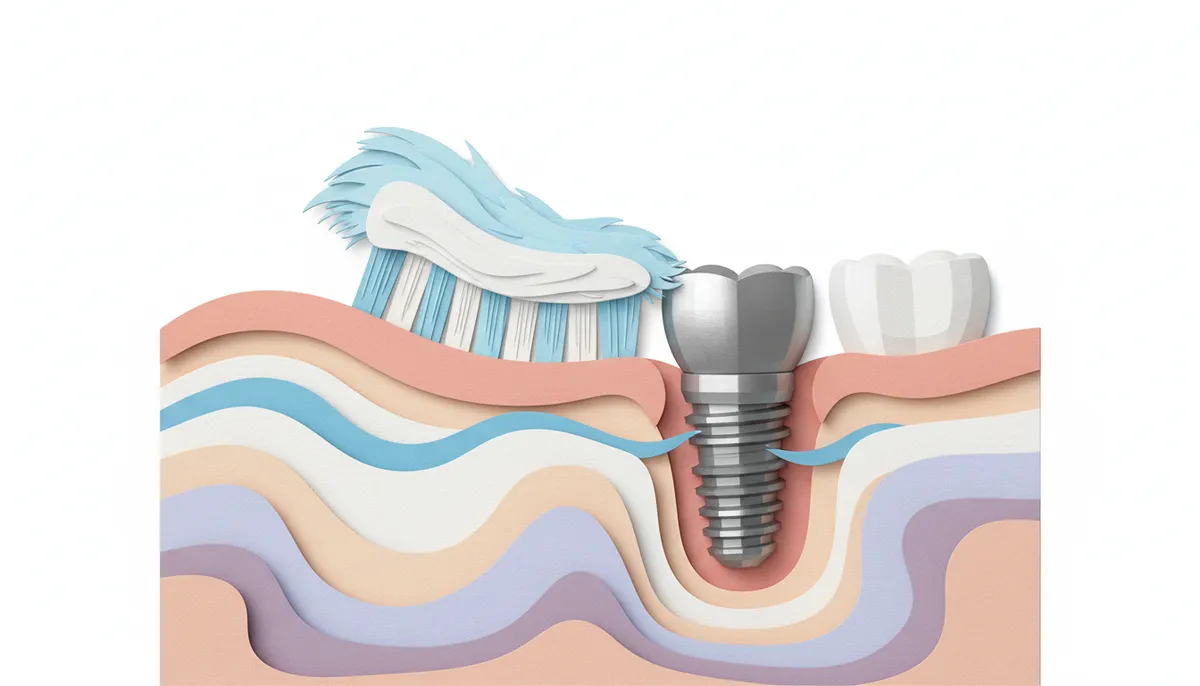
Brush implants twice daily with a soft-bristled toothbrush at a 45-degree angle using non-abrasive toothpaste to prevent scratching the crown surface and remove bacteria hiding at the gumline.
-
Peri-implantitis, an infection of tissue surrounding implants, can cause bone loss and implant failure if untreated, but it's highly preventable with consistent daily care and regular professional cleanings.
-
Use a water flosser or implant-specific floss daily to clean below the gumline where bacteria accumulate and toothbrushes cannot reach, ideally before bed.
-
Visit your dentist every 6 months for professional cleanings and implant examinations with X-rays to detect early warning signs like bone loss or implant instability that you cannot see yourself.
-
Avoid chewing ice, hard candies, sticky foods, smoking, and teeth grinding, as these habits can crack the crown, loosen it, or cause bone loss around the implant.
-
Well-maintained dental implants have over 95% success rates at 10 years and can last 20-40 years or a lifetime when you maintain consistent home care and professional monitoring.
You finally have your dental implants, and your smile looks amazing. Congratulations! But here’s the thing — getting implants is just the beginning. Keeping them in great shape is what really matters for the long run. The good news? dental implants are incredibly durable and designed to last a lifetime. With the right dental implant maintenance routine, you can protect your investment and keep smiling with confidence for decades to come.
Think of your implants like a car. A brand-new vehicle looks and runs great right off the lot. But without regular oil changes and tune-ups, it won’t stay that way for long. The same principle applies here. A little daily care and regular dental visits go a very long way. In this guide, we’ll walk you through everything you need to know to keep your implants healthy, clean, and problem-free — all in simple, easy steps.
Why Dental Implant Maintenance Actually Matters
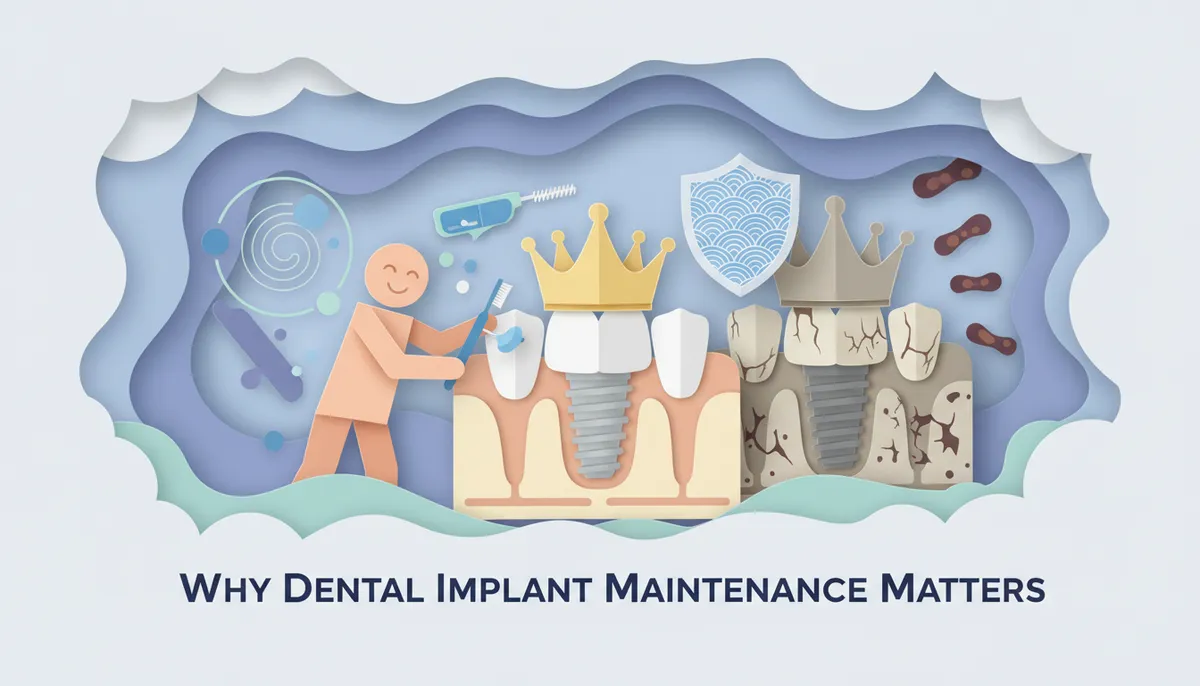
Some people assume that because implants are artificial, they don’t need much care. That’s a common misconception that can lead to real problems down the road. While the implant post itself won’t decay, the gum tissue and bone around it absolutely can be affected by bacteria and plaque buildup.
Poor implant care can lead to a condition called peri-implantitis. This is an infection of the tissue surrounding the implant. If left untreated, it can cause bone loss and even implant failure. The good news is that it’s very preventable with consistent care. Staying on top of your dental implant maintenance routine is the single best thing you can do to avoid this outcome.

Daily Habits That Keep Implants Healthy
Your daily routine is the foundation of great implant care. Here’s how to build habits that protect your implants every single day.
Step 1: Brush Twice a Day the Right Way
Brushing your implants is just as important as brushing your natural teeth. Use a soft-bristled toothbrush to avoid scratching the implant surface. A nylon-coated or soft interdental brush also works beautifully for getting around the implant crown.
- Choose a non-abrasive toothpaste. Avoid whitening toothpastes with harsh abrasives. These can scratch the surface of your implant crown over time.
- Brush at a 45-degree angle. This helps you clean along the gumline where bacteria love to hide.
- Spend at least two minutes brushing. Give every section of your mouth equal attention, including around each implant.
Step 2: Floss Daily Around Your Implants
Flossing might feel a little different around an implant than around a natural tooth. That’s okay! It just takes a moment to get used to a new technique. The goal is to clean below the gumline where a toothbrush simply cannot reach.
- Use unwaxed tape floss or implant-specific floss for best results.
- Floss threaders make it easier to get floss around the implant base.
- Water flossers (oral irrigators) are a fantastic option for implant patients — they flush out bacteria gently and effectively.
- Floss at least once per day, ideally before bed.
Step 3: Rinse with an Antimicrobial Mouthwash
Adding a daily antimicrobial rinse to your routine gives you an extra layer of protection. Look for an alcohol-free formula to avoid drying out the tissues around your implant. Rinse for 30 to 60 seconds after brushing and flossing for the best effect.
Foods and Habits to Avoid with Dental Implants
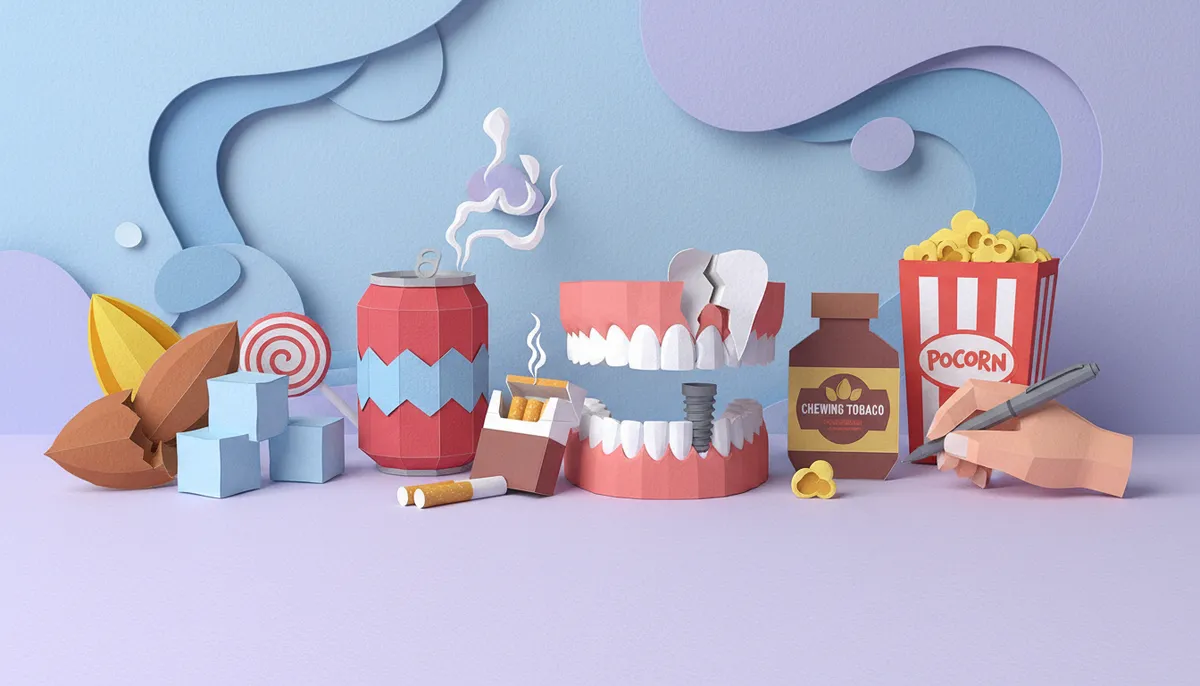
What you eat and certain lifestyle habits have a big impact on how long your implants last. Some things can put unnecessary stress on the implant or damage the crown on top.
| What to Avoid | Why It’s a Problem | Better Alternative |
|---|---|---|
| Chewing on ice | Can crack or chip the implant crown | Drink cold water without ice |
| Hard candies | High sugar + hard texture damages crown | Soft, low-sugar snacks |
| Sticky or chewy foods | Can loosen the crown over time | Softer, easy-to-chew options |
| Smoking or tobacco use | Reduces blood flow, slows healing, causes bone loss | Talk to your doctor about quitting |
| Teeth grinding (bruxism) | Puts excessive pressure on implants | Ask about a custom nightguard |
If you grind your teeth at night, it’s especially important to mention this to your dentist. A custom nightguard can protect both your natural teeth and your implants from excessive wear. It’s a small investment that makes a big difference.
How Often Should You See Your Dentist?
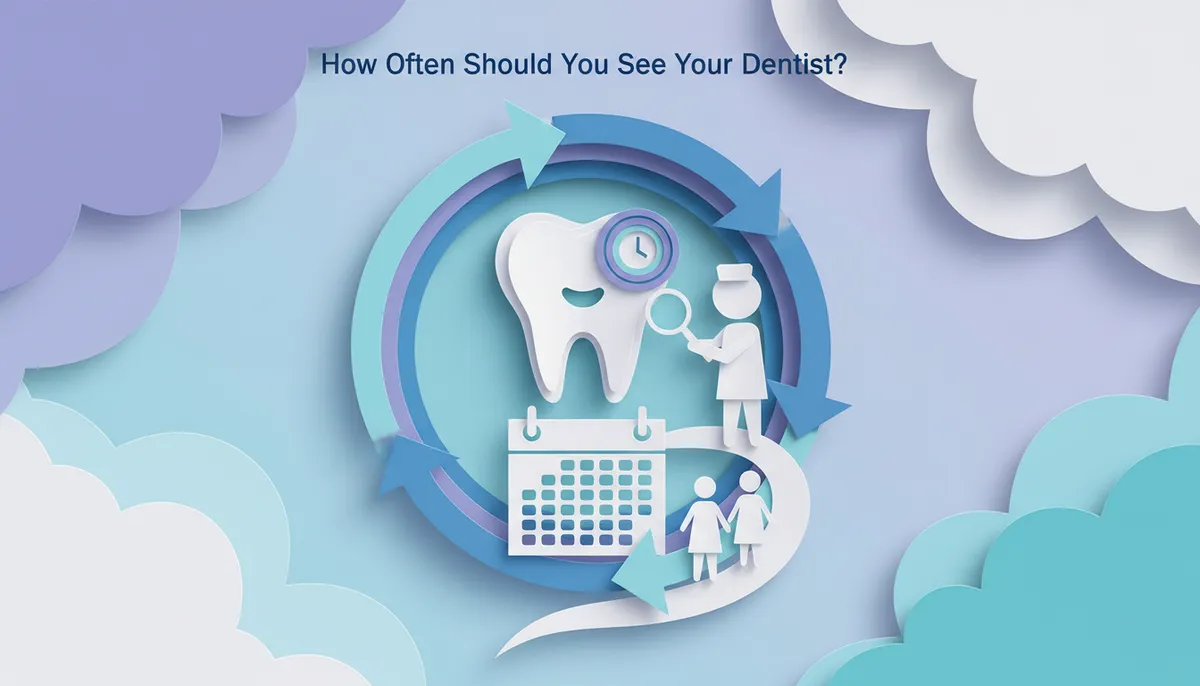
Even with a perfect home routine, professional care is still essential. Your dentist can spot early warning signs of problems that you simply cannot see or feel on your own. For most implant patients, visits every six months are the standard recommendation.
| Visit Type | Frequency | What Happens |
|---|---|---|
| Routine cleaning | Every 6 months | Professional cleaning around implants, gum check |
| Implant examination | Every 6–12 months | X-rays to check bone levels, implant stability check |
| Periodontal maintenance | Every 3–4 months (if recommended) | Deeper cleaning for patients with gum concerns |
At Dental Theory in Brandon, FL, Dr. K has built a stellar reputation for cosmetic and restorative dentistry, including implant care. Patients trust his expertise to keep their smiles in top shape year after year. You can even check out his 5-star rating on Healthgrades.com to see what other patients have to say.
Signs That Something May Be Wrong with Your Implant
Even with excellent care, sometimes things happen. Knowing the early warning signs of a problem means you can get help quickly before it becomes a bigger issue.
- Swelling or redness around the implant: This could signal early-stage peri-implantitis.
- Pain or discomfort when biting: The implant may have shifted or there could be a crown issue.
- Looseness or movement: A healthy implant should feel completely stable — any movement is a red flag.
- Bleeding gums around the implant: This often points to gum inflammation caused by plaque buildup.
- Bad taste or odor near the implant: This can indicate infection or tissue breakdown.
If you notice any of these signs, don’t wait. The sooner you reach out to your dental team, the better the outcome. Early treatment almost always leads to simpler solutions. You can easily reach out to the Dental Theory team to get evaluated right away.
Implant Maintenance Tools Worth Having at Home
The right tools make your daily routine easier and more effective. Here’s a quick look at what’s worth picking up.
| Tool | Purpose | Recommended? |
|---|---|---|
| Soft-bristled electric toothbrush | Gentle yet thorough cleaning around implants | Highly recommended |
| Water flosser | Flushes bacteria from under the gumline | Highly recommended |
| Implant floss or super floss | Cleans around the base of the implant crown | Recommended |
| Antimicrobial alcohol-free rinse | Reduces bacteria, protects tissue | Recommended |
| Interdental brushes | Cleans tight spaces around implants | Optional but helpful |
You don’t need to buy everything at once. Start with a soft toothbrush and a water flosser — those two tools alone will make a significant difference in your implant maintenance routine.
What About Implant-Supported Restorations?
Some patients have more complex restorations built on their implants, such as implant-supported crowns or prostheses. The care principles are the same, but there are a few extra steps to keep in mind.
- Clean under the bridge or prosthesis daily. Food and bacteria can collect underneath. A water flosser is especially useful here.
- Have the prosthesis checked for fit regularly. Over time, changes in bone structure can affect how the restoration sits. Your dentist can make adjustments as needed.
- Report any clicking or movement immediately. A loose connector or abutment needs prompt attention to prevent damage to the implant itself.
For patients exploring their options, implant-supported dentures are another wonderful solution that combines the stability of implants with the coverage of dentures. Maintenance for these is similar but may involve removing the denture for cleaning depending on the type.
Long-Term Outlook for Well-Maintained Implants
Here’s some really exciting news: studies show that dental implants have a success rate of over 95% at the 10-year mark when properly maintained. Many patients enjoy their implants for 20, 30, or even 40 years. That’s essentially a lifetime of great smiles!
The key factors that influence long-term implant success include:
- Consistent daily brushing and flossing
- Regular professional cleanings every six months
- Avoiding tobacco products completely
- Managing conditions like diabetes that can affect healing and bone health
- Wearing a nightguard if you grind your teeth
Think of each dental check-up as a tune-up for your smile. When you stay consistent, the rewards are a healthy, beautiful smile that lasts for years and years. If you’re in Brandon, FL, visit us on Google to learn more about our practice and read reviews from happy implant patients in our community.
Making Implant Maintenance Simple and Sustainable
The best dental implant maintenance routine is one you can stick to. Don’t overthink it. Keep your tools accessible. Put your floss right next to your toothbrush. Keep your water flosser on the counter. Make it as easy as possible to do the right thing every day.
Small, consistent habits truly beat occasional, intensive efforts every single time. Your implants are an incredible investment in your quality of life. They restore your ability to eat, speak, and smile with full confidence. A few minutes each day to care for them is absolutely worth it.
Whether you’re curious about cosmetic dentistry options or need general dentistry services, Dental Theory in Brandon, FL is here for you every step of the way. And if you’re wondering about how to make dental care more affordable, check out our in-house membership plan or explore your insurance options to find what works best for your family.
Ready to keep your smile in its best shape? Schedule an appointment with our team today and let us help you build a maintenance plan that’s simple, effective, and tailored just for you. Or feel free to get in touch with Dental Theory — we’d love to hear from you and help you smile with confidence for a lifetime.
FAQs
Q: How often should I clean my dental implants?
A: You should brush your dental implants at least twice a day and floss once daily — the same routine as natural teeth! Adding a water flosser and an antimicrobial rinse makes the routine even more effective at keeping bacteria away from the implant site.
Q: Can dental implants get infected?
A: Yes, they can! A condition called peri-implantitis is an infection of the gum and bone tissue around the implant. The great news is that it’s very preventable with consistent brushing, flossing, and regular dental check-ups. Catching any early signs quickly makes treatment much simpler.
Q: Do I still need to see a dentist regularly if I have implants?
A: Absolutely — regular dental visits are just as important with implants as they are with natural teeth. Your dentist will check the stability of the implant, take periodic X-rays to monitor bone levels, and perform professional cleanings that your toothbrush simply can’t replicate at home.
Q: What is the best toothbrush for dental implants?
A: A soft-bristled electric toothbrush is the top choice for most implant patients! The gentle bristles clean thoroughly without scratching the implant crown surface. Pair it with a non-abrasive toothpaste for the best results.
Q: How long do dental implants last with proper maintenance?
A: With proper dental implant maintenance, implants can last 20 to 40 years — and many patients enjoy them for a lifetime! Studies show a success rate of over 95% at the 10-year mark, making implants one of the most durable tooth replacement options available.