
Key Takeaways
-
Custom night guards provide immediate protection by creating a cushion between teeth, preventing grinding damage and serving as the fastest initial treatment option.
-
Stress management techniques like deep breathing, meditation, and reducing caffeine can significantly reduce bruxism episodes since stress is a major trigger for teeth grinding.
-
Dental corrections and same-day ceramic crowns address bruxism at its source by fixing bite misalignment and restoring already damaged teeth in a single visit.
-
Daytime habit awareness training combined with behavioral reminders helps retrain jaw muscles to relax instead of clench throughout the day.
Do you wake up with a sore jaw or a dull headache almost every morning? You might be grinding your teeth in your sleep without even knowing it. This condition is called bruxism, and it affects millions of people, from young kids to busy adults. The good news? There are simple, proven ways to treat it, and our team at Dental Theory in Brandon, FL sees this every single day.
Bruxism is more than just an annoying habit. Left untreated, it can wear down your teeth, crack your fillings, and even lead to jaw pain that lasts for years. Whether you are a parent worried about your child’s grinding habit or an adult tired of jaw soreness, this guide will walk you through five real ways to treat bruxism. We will also show you how general dentistry care can help protect your smile for the long run.

What Exactly Is Bruxism?
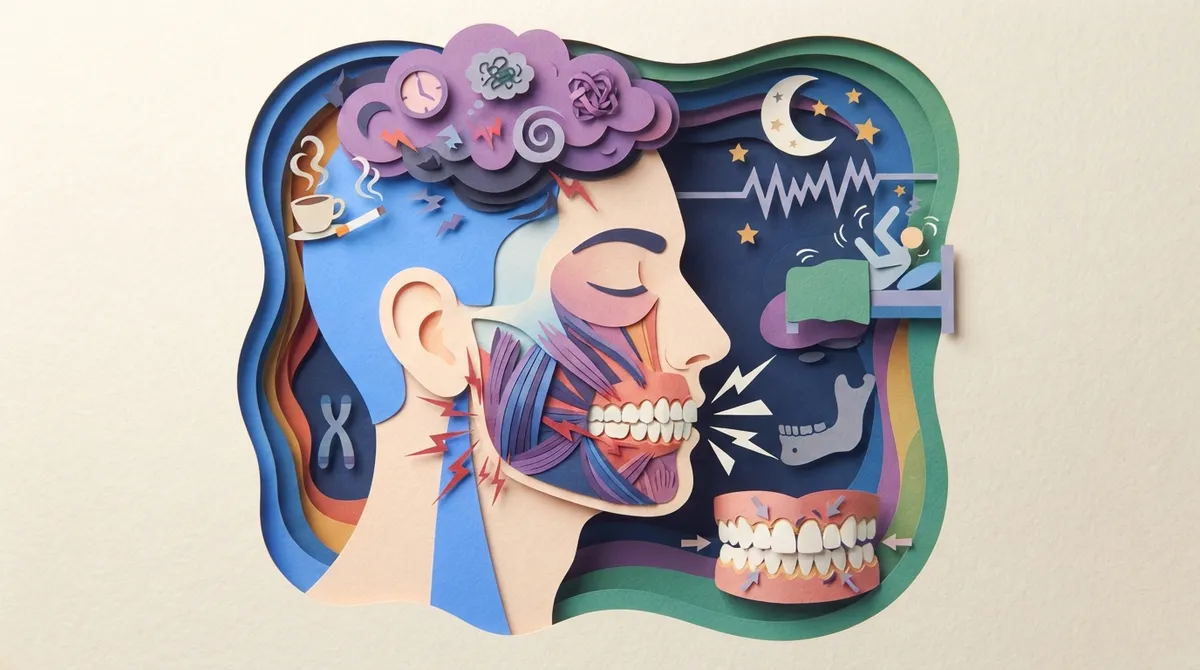
Bruxism simply means grinding or clenching your teeth. It often happens at night while you sleep, but some people do it during the day too, especially when they feel stressed. Many people do not even realize they grind their teeth until a dentist points out the signs during a checkup.
Common signs of bruxism include:
- Waking up with a sore jaw or tight facial muscles
- Frequent headaches, especially in the morning
- Flattened, chipped, or cracked teeth
- Increased tooth sensitivity
- A clicking or popping sound in your jaw joint
- Disrupted sleep or a partner who hears grinding noises at night
If any of these sound familiar, it might be time to contact Dental Theory and get a proper checkup. Catching bruxism early can save you a lot of pain and money down the road.
Why Does Bruxism Happen?
There is no single cause of bruxism. It can come from stress, anxiety, misaligned teeth, or even sleep disorders. Some people grind their teeth because of certain medications, while others do it simply out of habit.
Common Causes of Teeth Grinding
- Stress and anxiety from work, school, or daily life
- Misaligned bite or crooked teeth
- Sleep disorders like sleep apnea
- Excessive caffeine or alcohol intake
- Certain medications, including some antidepressants
Understanding the root cause helps your dentist choose the best treatment plan for you. This is why a full evaluation matters so much before jumping into any solution.
5 Ways to Treat Bruxism
Now let’s get into the good stuff. Here are five proven ways to treat bruxism, whether you are an adult dealing with jaw pain or a parent looking out for your child’s smile.
1. Custom Night Guards
A custom night guard is one of the most popular and effective ways to treat bruxism. Unlike store-bought mouth guards, a custom-fitted guard is made just for your mouth. It creates a cushion between your upper and lower teeth so grinding does not wear them down.
These guards are comfortable, durable, and designed to last. Getting one made through comprehensive exams ensures a perfect fit and real protection for your teeth.
2. Stress Management Techniques
Since stress is one of the biggest triggers for bruxism, learning to manage it can make a huge difference. Simple changes to your daily routine can help calm your mind and relax your jaw muscles.
- Practice deep breathing or meditation before bed
- Cut back on caffeine, especially in the evening
- Try light stretching or yoga to release tension
- Keep a consistent sleep schedule
- Talk to someone if stress feels overwhelming
Small lifestyle shifts paired with dental care often bring the best long-term results.
3. Dental Corrections and Crowns
Sometimes bruxism happens because your bite is not aligned correctly. When teeth do not fit together properly, your jaw works overtime, leading to grinding. Fixing these issues can stop bruxism at the source.
If grinding has already damaged your teeth, crowns and bridges can restore their shape and strength. Dr. Chris Karapasha, known as Dr. K, offers Same-Day Crowns using ceramic materials. This means you get a strong, natural-looking crown in just one visit, no waiting around for weeks. You can learn more about how same-day crowns work and why they are such a convenient option for busy patients.
4. Botox Therapy for Jaw Muscles
For some patients, especially those with severe clenching, Botox injections can help relax the jaw muscles. This reduces the intensity of grinding and can ease chronic jaw pain. It is a newer option, but many dental professionals now offer it as part of a complete bruxism treatment plan.
This treatment works best when combined with a night guard or other dental corrections. Always talk with your dentist about whether this option fits your specific needs.
5. Behavioral Awareness and Habit Training
Sometimes bruxism happens during the day without you even noticing. Training yourself to become aware of clenching can help break the habit. Simple reminders, like sticky notes or phone alerts, can prompt you to check your jaw position throughout the day.
Over time, this awareness training helps retrain your muscles to relax instead of clench. It works especially well when paired with stress management and a properly fitted night guard.
Comparing the 5 Bruxism Treatment Options
| Treatment | Best For | Time to See Results |
|---|---|---|
| Custom Night Guard | Nighttime grinding | Immediate protection |
| Stress Management | Stress-related clenching | Weeks to months |
| Dental Crowns/Corrections | Bite misalignment or damaged teeth | Same-day results with crowns |
| Botox Therapy | Severe muscle clenching | Days to weeks |
| Habit Training | Daytime clenching | Weeks of practice |
Bruxism in Children
Kids grind their teeth too, and it is more common than most parents think. It often happens during teething or as baby teeth make room for adult teeth. In most cases, kids outgrow it, but it still needs monitoring.
Dr. Priyanka Karapasha, known as Dr. Pri, is a board-certified pediatric dentist. She is the only one in Brandon offering in-office sedation for anxious young patients. If your child grinds their teeth due to dental anxiety or discomfort, gentle sedation options can make checkups much easier for both of you.
Signs of Bruxism in Kids
- Grinding sounds heard at night
- Complaints of jaw pain or headaches
- Worn-down baby teeth
- Trouble sleeping through the night
If you notice these signs, do not wait. Early evaluation can prevent bigger problems later. You can read more helpful tips in our guide on stress-free dental care for children in Brandon.
How Dental Theory Helps Brandon Families
At Dental Theory, we understand that bruxism affects every member of the family differently. Our team offers personalized care using the latest technology in a friendly, relaxed setting. Whether you need a custom night guard, a same-day crown, or a full evaluation, we are here to help.
We proudly serve families throughout Brandon, Florida, and the surrounding area. You can schedule an appointment today to get started on treating your bruxism the right way. Curious what our patients say? Feel free to visit us on Google — Dental Theory and read real reviews from our Brandon community.
Steps to Take If You Suspect Bruxism
- Pay attention to morning jaw soreness or headaches
- Ask a family member if they hear grinding at night
- Schedule a dental exam to check for tooth wear
- Discuss stress levels and sleep habits with your dentist
- Follow through with a personalized treatment plan
Ignoring bruxism rarely makes it go away on its own. The sooner you address it, the easier it is to protect your teeth and avoid costly repairs later. Learn more about related conditions in our article on understanding TMJ and bruxism.
Why Choose Dental Theory for Bruxism Treatment
Dental Theory is a family-focused practice built on trust, comfort, and quality care. Our husband and wife dental team brings together two areas of expertise under one roof. Dr. K focuses on adult and cosmetic dentistry, including Same-Day Crowns, while Dr. Pri specializes in gentle pediatric care.
- Same-day ceramic crowns for damaged teeth
- Comfortable, family-friendly environment
- Board-certified pediatric dentistry with sedation options
- Modern technology for accurate diagnosis
- Personalized treatment plans for every patient
Dr. Chris Karapasha’s expertise has even earned national recognition. He was named one of America’s Top Young Dentists in Incisal Edge magazine’s 2025 40 Under 40. You can also check out his Gold+ Invisalign provider profile to see his commitment to advanced dental care. Stay connected with our practice and see updates by choosing to visit us on Facebook.
Final Thoughts on Treating Bruxism
Bruxism does not have to control your life or damage your smile. With the right combination of treatments, from custom night guards to same-day ceramic crowns, you can protect your teeth and finally get relief from jaw pain. Every patient is different, so working with a dental team that listens matters.
If you are ready to stop grinding your teeth and start protecting your smile, our friendly team is here for you. Reach out today to contact Dental Theory and schedule your personalized bruxism evaluation in Brandon, FL.
FAQs
Q: What is the fastest way to treat bruxism?
A: A custom night guard is usually the fastest way to protect your teeth right away. It won’t stop the grinding itself, but it shields your teeth from damage while you work on the root cause with your dentist.
Q: Can bruxism go away on its own?
A: Sometimes, especially in kids, bruxism fades as baby teeth come in and stress levels change. But in adults, it often needs some type of treatment, like a night guard or stress management, to truly improve.
Q: Is bruxism treatment covered by dental insurance?
A: Many insurance plans cover night guards and exams related to bruxism, though coverage varies. Our friendly team can help you check your insurance benefits before your visit.
Q: Can children have bruxism too?
A: Yes, teeth grinding is actually quite common in kids, especially during teething. Dr. Pri, our board-certified pediatric dentist, can evaluate your child gently and calmly, even offering sedation if needed.
Q: Do same-day crowns help with bruxism damage?
A: Absolutely! If grinding has already cracked or worn down a tooth, Dr. K can place a strong ceramic crown in just one visit. This means no waiting around and no extra trips back to the office.
Our Service Area