Key Takeaways
-
Dental implant posts last 25+ years or a lifetime, while crowns typically need replacement every 10-15 years; only the crown requires replacement, not the entire implant.
-
Oral hygiene is the most critical factor—gum disease (peri-implantitis) around implants can cause failure, so brush twice daily, floss daily, and see your dentist every six months.
-
Smoking, teeth grinding, and bone density significantly impact implant longevity; quitting smoking alone can dramatically improve success rates above the baseline 95% at 10 years.
-
Implants have 93-98% success rates depending on location, with back molars experiencing more wear but still maintaining excellent outcomes with proper care.
-
Dental implants outlast alternative options like bridges (10-15 years) and dentures (5-10 years) while preserving jawbone and providing a natural feel and appearance.
-
Watch for warning signs including pain, swelling, looseness, or gum recession; early detection through professional checkups prevents implant failure and costly complications.
If you’ve been thinking about replacing a missing tooth, you’ve probably asked yourself: how long does a dental implant last? It’s one of the most common questions patients ask before committing to the procedure. And honestly, it’s a great question! Nobody wants to invest in a smile solution only to replace it a few years later.
The good news? Dental implants are built to last a very long time. In fact, with the right care, they can last a lifetime. But there are a few important things to understand first. This guide will walk you through everything you need to know — in plain, simple terms — so you can feel confident about your decision.
Whether you’re a Brandon, FL local or just exploring your options, the team at Dental Theory’s dental implants page is a great place to start your journey to a restored smile.
What Is a Dental Implant, Exactly?
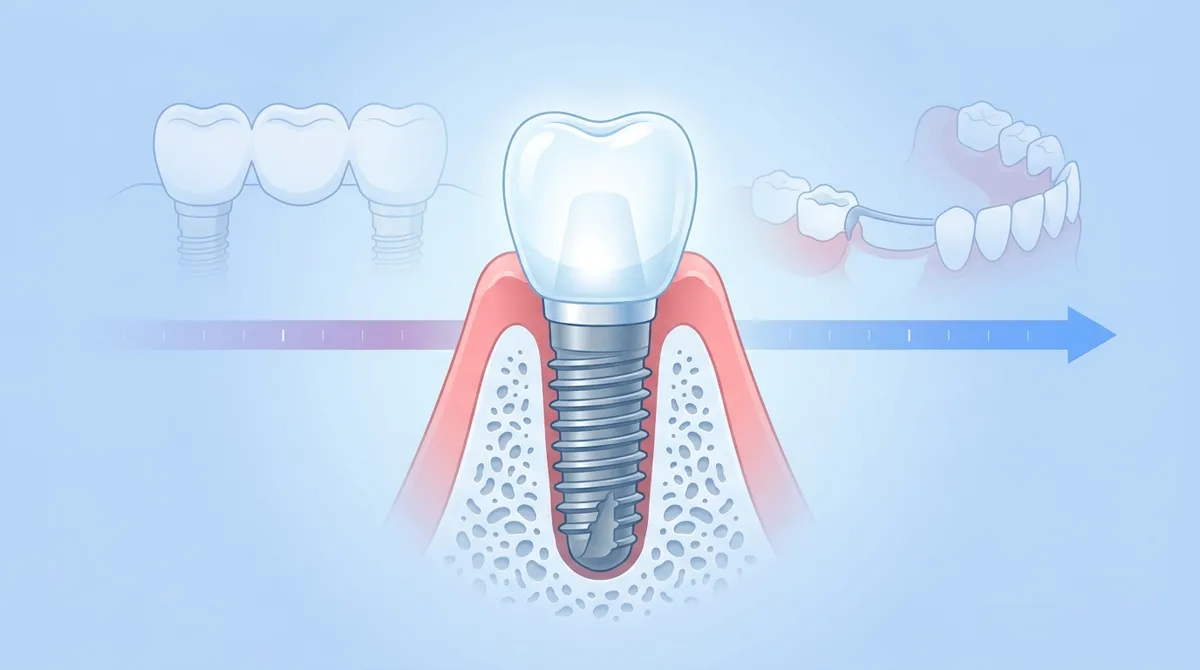
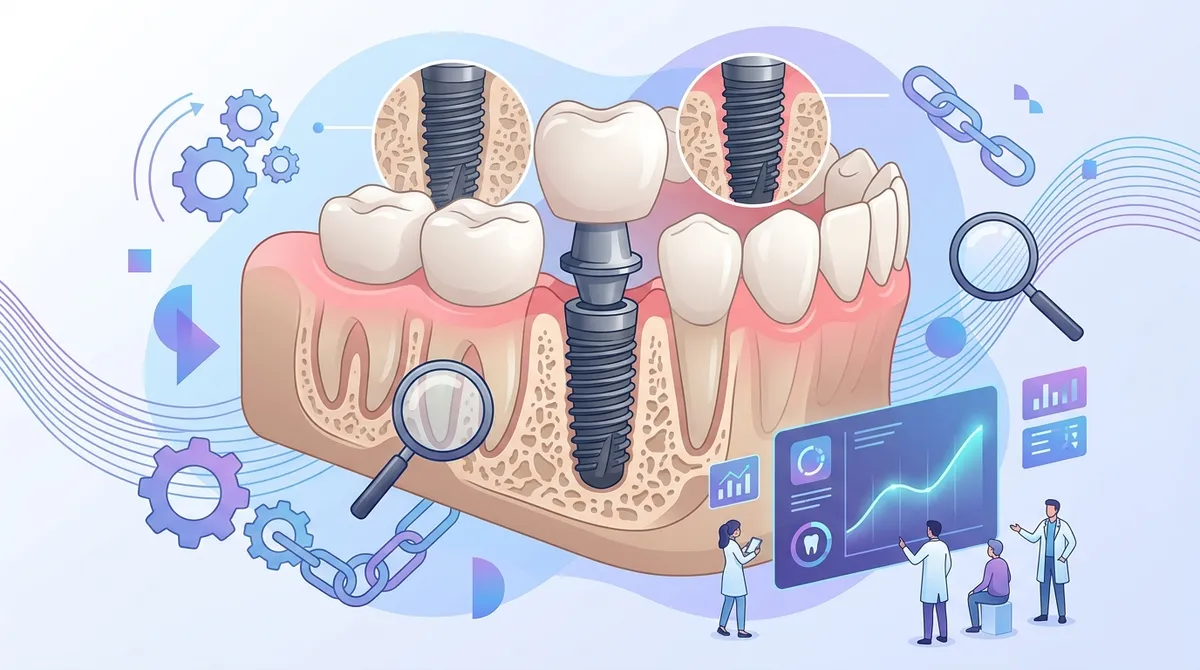
Before we talk about lifespan, let’s quickly cover what a dental implant actually is. A dental implant is a small titanium post that acts like a tooth root. It gets placed into your jawbone. Over time, the bone grows around it in a process called osseointegration. Once that happens, a crown is attached on top to look and feel just like a real tooth.
So a dental implant actually has three parts:
- The implant post — the titanium screw that goes into the bone
- The abutment — the connector piece between the post and crown
- The crown — the visible tooth-shaped cap on top
Each part has its own lifespan, which is important to understand when thinking about how long a dental implant lasts overall. You can also learn more by reading about whether dental implants are truly permanent.
How Long Does a Dental Implant Last? The Real Answer
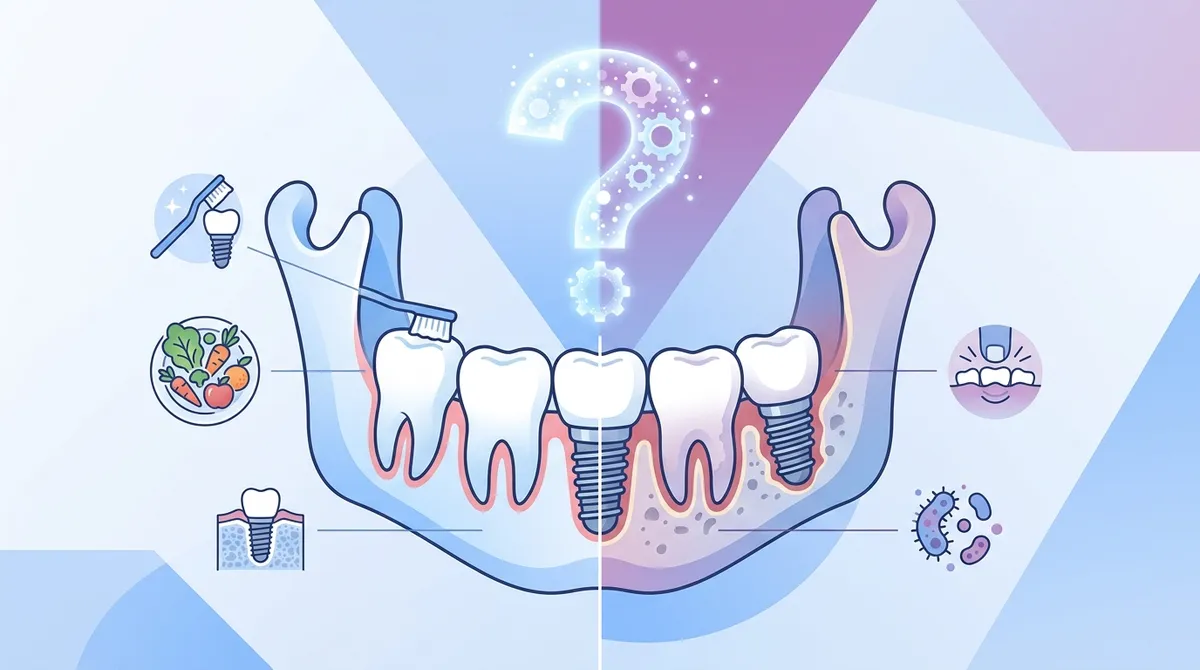
Here’s the straightforward answer: the implant post itself can last 25 years or even a lifetime. The crown on top typically lasts 10–15 years before it may need to be replaced due to normal wear and tear.
Let’s break this down clearly:
| Implant Component | Average Lifespan | What Affects It |
|---|---|---|
| Titanium implant post | 25+ years (often lifetime) | Bone health, gum disease, smoking |
| Abutment | 10–25 years | Bite pressure, oral hygiene |
| Crown (ceramic) | 10–15 years | Grinding, diet, oral care habits |
Studies consistently show that dental implants have a success rate of over 95% after 10 years. That’s impressive! And with proper care, many patients keep their implants for decades without any issues. To understand even more about implant longevity, check out this helpful article on how long a dental implant will last.
Factors That Determine How Long Your Implant Lasts
Not all implants last the same amount of time. Several key factors play a role in how long your dental implant lasts. Let’s go through each one.
1. Your Oral Hygiene Routine
This is the biggest factor. Implants don’t decay like natural teeth, but they can fail if gum disease develops around them. This condition is called peri-implantitis. It’s basically gum disease around an implant — and it can loosen the post over time.
Good oral hygiene habits include:
- Brushing twice a day with a soft-bristled toothbrush
- Flossing daily, including around the implant
- Using a water flosser for extra cleaning power
- Rinsing with an antibacterial mouthwash
2. Regular Dental Checkups
Seeing your dentist every six months is essential. During these visits, your dental team can spot early signs of problems around the implant. Early detection saves implants! General dentistry checkups include exams and cleanings that help keep your whole mouth — and your implant — healthy.
3. Your Bone Density and Gum Health
A dental implant needs a strong jawbone to stay secure. If you have low bone density or gum disease before the implant is placed, the implant may not last as long. That’s why a thorough evaluation before the procedure is so important.
4. Lifestyle Habits
Certain habits can shorten implant life significantly. Here are the main ones to be aware of:
- Smoking — reduces blood flow and slows healing, increasing failure risk
- Teeth grinding (bruxism) — puts extra stress on the crown and post
- Chewing ice or hard foods — can crack the crown on top
- Drinking excessive alcohol — can slow osseointegration
5. Where the Implant Is Placed
Implants in the back of the mouth (molars) experience more chewing force than front teeth. This can cause the crown to wear out faster. It doesn’t mean back implants fail — they just may need a crown replacement sooner.
Dental Implant Lifespan Compared to Other Tooth Replacement Options
Wondering how implants stack up against other options? Here’s a quick comparison to help you see why so many people choose implants:
| Tooth Replacement Option | Average Lifespan | Feels Natural? | Bone Preservation |
|---|---|---|---|
| Dental Implant | 25+ years (post) | Yes | Yes |
| Dental Bridge | 10–15 years | Mostly | No |
| Partial Denture | 5–10 years | Less so | No |
| Full Denture | 5–10 years | Less so | No |
As you can see, dental implants outlast most other options by a wide margin. They also preserve jawbone — something dentures and bridges simply don’t do. If you’re exploring your options, reading about dental implants vs. dentures can help you make the best decision for your smile.
Step-by-Step: How to Make Your Implant Last as Long as Possible
Ready to protect your investment? Follow these steps to give your implant the best chance at a long, healthy life:
- Brush carefully twice a day. Use a soft-bristled toothbrush and non-abrasive toothpaste. Brush around the implant crown gently but thoroughly.
- Floss every single day. Use implant-specific floss or a water flosser to clean between the implant and neighboring teeth.
- Schedule cleanings every six months. Professional teeth cleanings remove tartar that regular brushing can’t tackle.
- Wear a night guard if you grind your teeth. Ask your dentist if a custom night guard is right for you. It protects both the crown and the post from excessive pressure.
- Quit smoking. This single habit change can dramatically improve implant success rates. Talk to your doctor about resources to help you quit.
- Eat a balanced diet. Avoid extremely hard or sticky foods that could damage the crown. A healthy diet also supports gum and bone health.
- Report problems early. If you notice swelling, pain, or the implant feels loose, contact your dentist right away. Early action can save your implant.
Warning Signs Your Implant May Be Failing
Most implants do wonderfully. But it’s still smart to know the warning signs of a problem. Catching issues early makes all the difference. Watch out for these red flags:
- Pain or discomfort around the implant site
- Swelling or redness of the gums near the implant
- The implant feels loose or wiggly
- Difficulty chewing on the side with the implant
- Gum recession around the base of the implant
If you notice any of these signs, don’t wait. Reach out to a dental professional as soon as possible. You can also learn more about the top benefits of dental implants in Brandon and what good outcomes look like.
What Happens When the Crown Wears Out?
If your implant crown wears down after 10–15 years, don’t panic! The good news is that the post underneath is likely still perfectly intact. In most cases, only the crown needs to be replaced — not the entire implant. This is a much simpler and less costly procedure.
Think of it like replacing the top of a fence post. The post in the ground stays solid. You just swap out the worn piece on top. That’s why the long-term cost of dental implants is often lower than people expect when compared to repeatedly replacing other options like dentures or bridges.
For patients interested in implant-supported restorations, learning about implant supported crowns and prosthetics can give you a fuller picture of your options.
How Dental Theory Helps Your Implant Succeed
At Dental Theory in Brandon, FL, Dr. K brings skill and precision to every dental implant procedure. He uses the latest technology and a personalized approach to ensure each implant is placed correctly for maximum longevity. A properly placed implant is the foundation of a long-lasting result.
The entire Dental Theory team is committed to helping you understand how long a dental implant lasts and what you can do to protect it. From your first consultation to your long-term checkups, they’re with you every step of the way. Visit us on Google — Dental Theory to read reviews from real patients who have experienced the Dental Theory difference.
Implant Success Rate by Location in the Mouth
Curious how implant placement affects longevity? Here’s a helpful breakdown:
| Implant Location | Average Success Rate (10 Years) | Notes |
|---|---|---|
| Front teeth (incisors) | 97–98% | Less bite force, very high success |
| Premolars | 95–97% | Moderate force, great outcomes |
| Molars | 93–95% | Higher force, excellent with good care |
| Full-mouth (All-on-4) | 95%+ | Great option for complete restoration |
No matter where your implant is placed, the success rates are excellent across the board. If you’re looking for a full-mouth solution, you can also explore All-on-4 implants in Brandon, FL for a comprehensive restoration approach.
For additional guidance from a trusted source, the American Dental Association’s dental implant resource is a great reference for understanding clinical standards and care guidelines.
Is a Dental Implant Worth It?
When you consider that a dental implant can last 25+ years — and often a lifetime — the value becomes very clear. You’re not just replacing a tooth. You’re investing in your quality of life, your confidence, and your long-term oral health. Implants look, feel, and function like natural teeth. They let you eat, smile, and laugh without worry.
The key is making smart choices: choosing an experienced provider, committing to great home care, and staying consistent with your dental visits. Do those three things, and your implant has every chance of lasting for many decades. You can also explore how to care for dental implants and make them last for detailed tips you can start using right away.
Ready to take the next step? You can easily schedule an appointment with the Dental Theory team and get a personalized evaluation. Dr. K will assess your bone health, discuss your goals, and create a treatment plan designed for long-term success.
Conclusion
So, how long does a dental implant last? The implant post itself can last 25 years or more — often for a lifetime. The crown on top typically lasts 10–15 years and can be replaced without disturbing the implant underneath. With proper care and regular dental visits, your implant can be one of the best investments you ever make for your health and happiness.
The most important things to remember are simple: brush, floss, visit your dentist, and avoid habits like smoking or grinding that put your implant at risk. Your smile deserves the best — and dental implants are truly one of the most reliable, long-lasting solutions available in 2026.
Don’t wait any longer to restore your smile with confidence. Reach out to the Dental Theory team today and discover how a dental implant can transform your life — for years and years to come.
FAQs
Q: How long does a dental implant last on average?
A: The titanium implant post can last 25 years or even a lifetime with proper care. The crown attached to the top typically lasts 10–15 years and can be replaced without disturbing the implant itself. It’s one of the longest-lasting tooth replacement options available!
Q: What can make a dental implant fail sooner?
A: Smoking, gum disease, poor oral hygiene, and teeth grinding are the biggest culprits that can shorten an implant’s lifespan. The good news is that most of these factors are within your control — small lifestyle changes can make a huge difference in how long your implant lasts.
Q: Do dental implants need special care to last longer?
A: Not really — just great oral hygiene! Brush twice a day, floss daily, and visit your dentist every six months for cleanings and checkups. Treating your implant like a natural tooth (minus the fear of cavities) is the best approach to keeping it healthy for decades.
Q: Can the crown on a dental implant be replaced without removing the implant?
A: Yes! In most cases, if the crown wears out, only the crown needs to be replaced — the implant post stays right where it is. This is a much simpler process than getting a whole new implant, and it’s typically less expensive too.
Q: Is a dental implant worth the investment long-term?
A: Absolutely! When you consider that an implant can last a lifetime with proper care, the long-term value is excellent. Compared to dentures or bridges that need more frequent replacement, implants often cost less over time while offering a more natural look and feel.