Key Takeaways
-
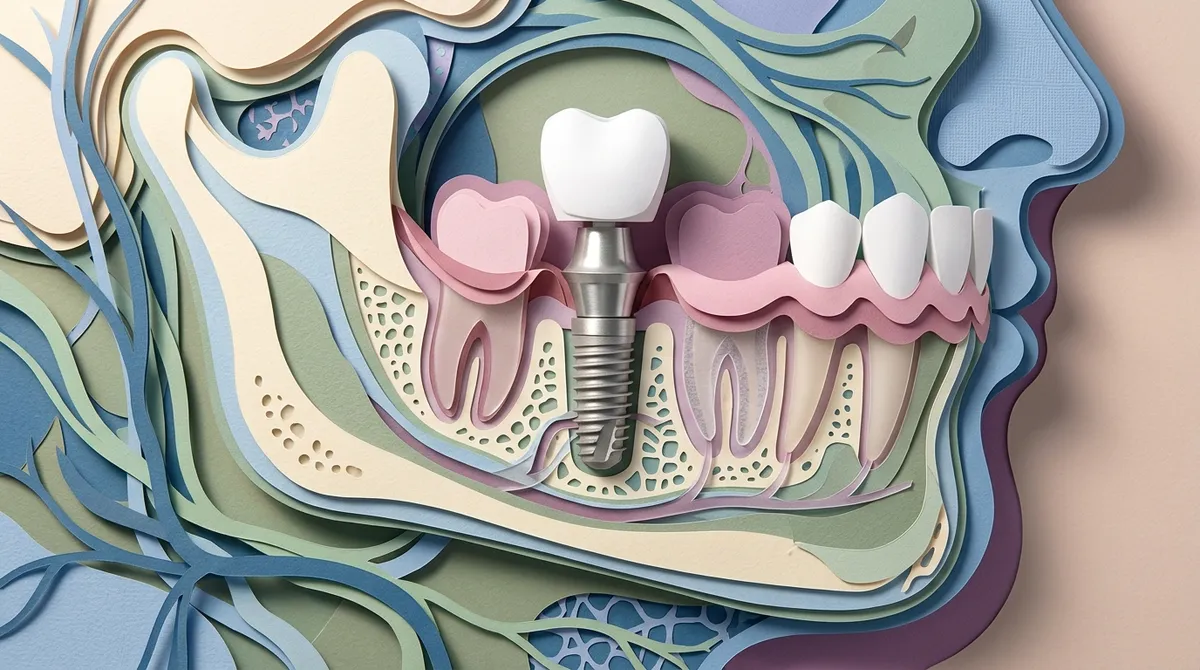
Dental implants consist of three parts: a titanium post placed in the jawbone, an abutment connector, and a tooth-shaped crown. They last 20+ years or a lifetime with proper care, significantly outlasting dentures (5-10 years) and bridges (10-15 years).
-
The complete implant procedure takes 3-9 months total, with osseointegration (bone fusing to the implant) being the critical 3-6 month healing phase that determines long-term success—patience during this phase is essential.
-
Before implant placement, ensure you have healthy gums, adequate jawbone density, good overall health, and a fully developed jawbone; bone grafting may be needed if significant bone loss exists, adding 3-6 months to treatment.
-
Local anesthesia makes the surgical placement manageable with minimal pain; mild soreness and swelling for a few days are normal and managed with over-the-counter pain relievers and soft foods.
-
Implant failure is rare but preventable by avoiding smoking, maintaining excellent oral hygiene, attending all follow-up appointments, and following post-surgery aftercare instructions strictly.
-
Insurance coverage for implants varies by plan—some cover portions like extractions or the crown while others don’t cover implants at all, so verify your specific coverage before treatment.
Losing a tooth can feel like a big deal. It affects how you eat, talk, and smile. The good news? dental implants are one of the best ways to replace a missing tooth in 2026. They look, feel, and work just like natural teeth. But what exactly happens during the dental implant treatment procedure? That’s what this guide is all about.
Whether you’ve been putting off the decision or you’re just starting to research, we’ve broken down the entire process into 13 clear, easy-to-follow steps. By the end, you’ll know exactly what to expect — and why so many patients in Brandon, FL are choosing implants over other options.
At Dental Theory, Dr. K specializes in adult cosmetic and restorative dentistry, including dental implants. His goal is to make the process smooth, comfortable, and stress-free from start to finish.
What Is a Dental Implant?
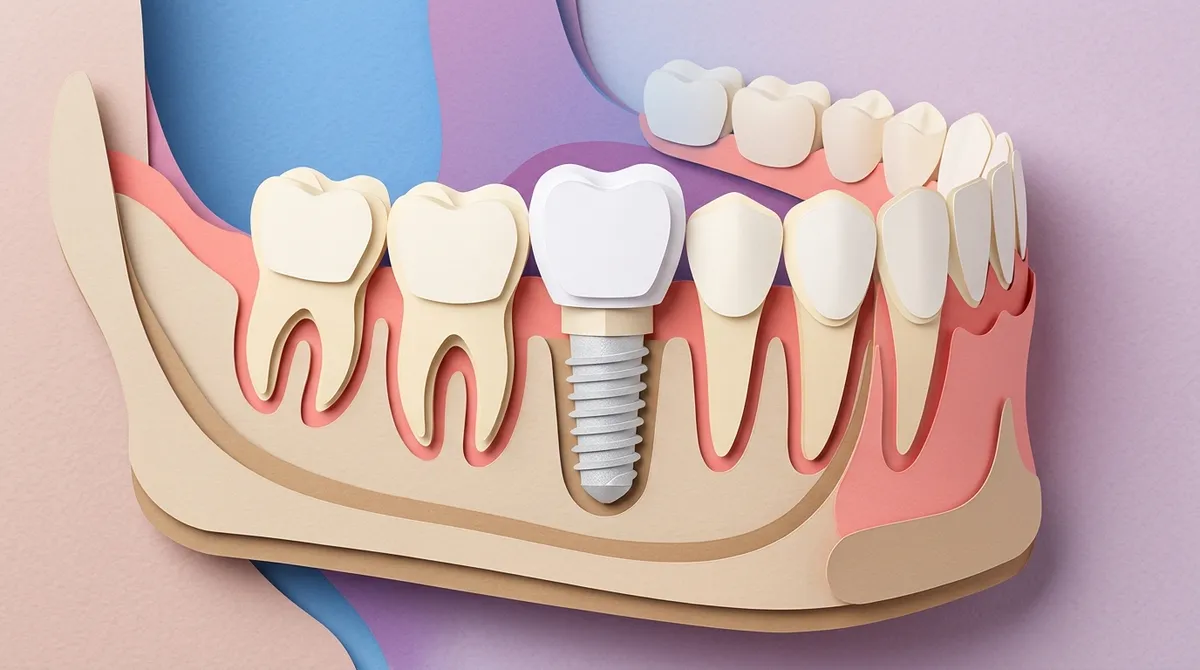
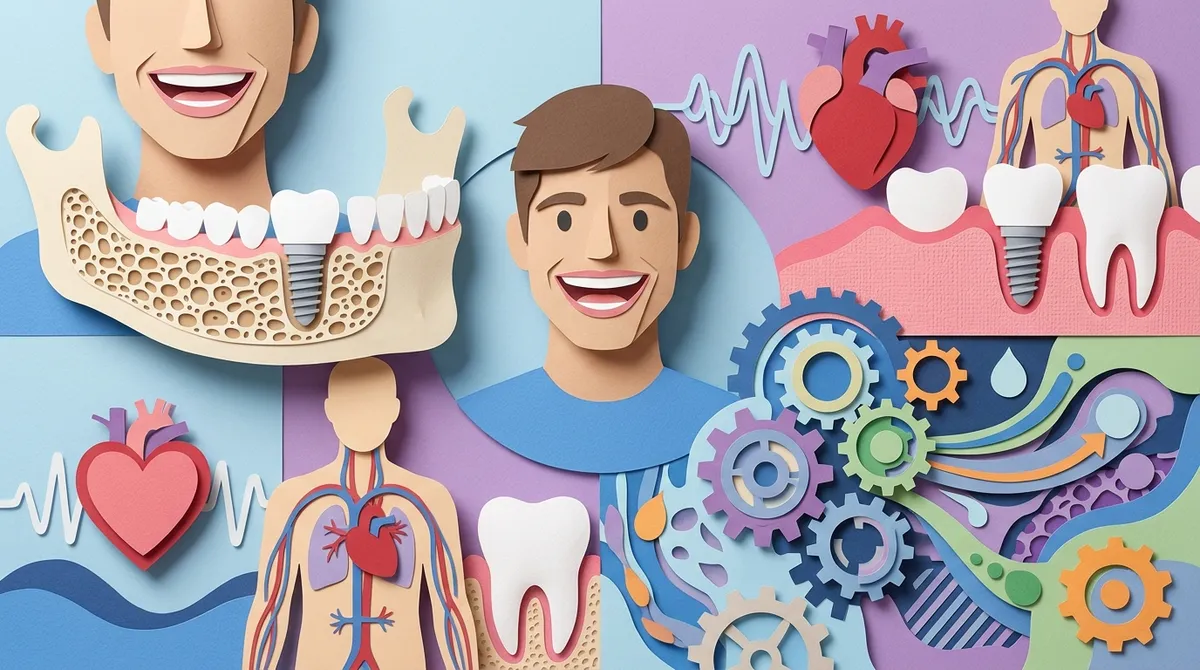
Before we dive into the steps, let’s quickly cover the basics. A dental implant is a small titanium post. It’s placed into your jawbone to act as an artificial tooth root. On top of that post, a realistic-looking crown is attached. The result? A natural-looking, long-lasting tooth replacement.
Here’s a quick overview of the three main parts of an implant:
- The implant post — a titanium screw placed in the jawbone
- The abutment — a small connector piece on top of the post
- The crown — the visible, tooth-shaped cap on top
You can learn more about how implants are supported by visiting our page on implant-supported crowns and prosthesis.
Who Is a Good Candidate for Dental Implants?
Not everyone is a perfect candidate right away. Here’s what dentists generally look for:
- Healthy gums with no active gum disease
- Enough jawbone density to support the implant
- Good overall health with no conditions that slow healing
- Non-smokers or those willing to quit during treatment
- Adults with fully developed jawbones
If you’re not sure whether you qualify, a consultation with Dr. K is the best first step. You can also schedule an appointment online to get started quickly.
Dental Implant Treatment: At a Glance
| Phase | Steps Involved | Timeframe |
|---|---|---|
| Planning | Consultation, X-rays, treatment plan | 1–2 weeks |
| Preparation | Tooth extraction (if needed), bone graft (if needed) | 4–12 weeks |
| Implant Placement | Surgery, healing period (osseointegration) | 3–6 months |
| Restoration | Abutment placement, crown fitting | 2–4 weeks |
13 Key Steps in the Dental Implant Treatment Procedure
Step 1: Initial Consultation
Your journey starts with a consultation. The dentist will review your dental and medical history. They’ll ask about any health conditions, medications, and your smile goals. This is your chance to ask questions too!
Step 2: X-Rays and 3D Imaging
Next, your dentist takes detailed images of your mouth. These may include digital X-rays or a 3D CBCT scan. These images help map out the exact placement of your implant. Precise imaging leads to better results and fewer surprises.
Step 3: Comprehensive Dental Exam
A full comprehensive dental exam is performed. The dentist checks your gum health, bite alignment, and bone structure. Any existing issues — like gum disease or decay — must be addressed first. Think of this as laying a solid foundation before building.
Step 4: Personalized Treatment Plan
Once all the information is gathered, a custom treatment plan is created. This plan outlines every step, the timeline, and costs. It’s tailored specifically to your mouth and goals. No two treatment plans look exactly the same.
Step 5: Tooth Extraction (If Needed)
If a damaged or decayed tooth is still in place, it must be removed. This is done before implant placement. In some cases, the implant can be placed the same day as the extraction. Your dentist will discuss the best approach for your situation.
Step 6: Bone Grafting (If Needed)
Some patients don’t have enough bone in their jaw to support an implant. In those cases, a bone graft is performed. Bone graft material is added to strengthen the jaw. Healing from a graft typically takes a few months before the next step.
| Condition | Is Bone Graft Needed? | Healing Time |
|---|---|---|
| Healthy jawbone | No | Proceed to implant |
| Mild bone loss | Sometimes | 4–6 weeks |
| Significant bone loss | Yes | 3–6 months |
Step 7: Implant Post Placement Surgery
This is the main event! A small incision is made in the gum. The titanium post is then carefully inserted into the jawbone. The gum tissue is closed around it. Most patients are surprised by how manageable this step is with local anesthesia.
Step 8: Osseointegration — The Healing Phase
After the post is placed, your body gets to work. The jawbone slowly fuses around the titanium post in a process called osseointegration. This typically takes 3 to 6 months. It’s the most important step for long-term success — patience pays off here!
Step 9: Gum Healing and Follow-Up Checks
During the healing phase, your dentist will schedule regular check-ups. These visits confirm that the implant is integrating properly. You may have a temporary crown or healing cap placed during this time. Follow all aftercare instructions closely for the best results.
Step 10: Abutment Placement
Once the implant has fully fused with the bone, the abutment is attached. This is the small connector piece that links the post to the crown. A minor procedure is done to expose the implant and attach it. Some dentists can place the abutment during the original surgery.
Step 11: Impressions for the Crown
Your dentist takes impressions — or digital scans — of your teeth. These are used to create a custom crown that fits perfectly. The crown is color-matched to blend seamlessly with your surrounding teeth. Good impressions mean a great-looking, well-fitting final result.
Step 12: Crown Placement
The final crown is placed onto the abutment and secured in place. Your bite is checked and adjusted if needed. The crown should feel completely natural when you chew or speak. This is the exciting step where you finally get to see your new smile!
Interested in how crowns are attached? Our detailed guide on how crowns are attached to teeth covers everything you need to know.
Step 13: Final Follow-Up and Long-Term Care
Your dentist will schedule a final check-up to make sure everything looks and feels great. They’ll also give you tips for caring for your new implant. Good oral hygiene and regular cleanings keep implants healthy for decades. Many implants last a lifetime with proper care!
Dental Implants vs. Other Tooth Replacement Options
Wondering how implants stack up against other options? Here’s a simple comparison to help you decide. You can also explore the full breakdown in our article on dental implants vs. dentures.
| Feature | Dental Implants | Dentures | Dental Bridges |
|---|---|---|---|
| Looks natural | Yes | Mostly | Yes |
| Preserves jawbone | Yes | No | No |
| Permanent solution | Yes | No | Partial |
| Requires adjacent teeth | No | No | Yes |
| Average lifespan | 20+ years | 5–10 years | 10–15 years |
For patients missing multiple teeth, All-on-4 implants may be a great full-mouth solution worth exploring.
Tips for a Smooth Dental Implant Recovery
Recovery doesn’t have to be hard. Here are some helpful tips to follow after your implant surgery:
- Stick to soft foods for the first few days (yogurt, mashed potatoes, soup).
- Avoid smoking — it slows healing and raises the risk of implant failure.
- Take prescribed medications as directed to manage discomfort.
- Gently rinse with warm salt water to keep the area clean.
- Avoid hard, crunchy, or sticky foods until your dentist clears you.
- Keep all follow-up appointments — they matter more than you think!
Want more tips on protecting your investment? Our guide on how to care for dental implants is a great resource.
How Long Do Dental Implants Last?
One of the biggest questions patients ask is: are dental implants permanent? The short answer is — they can be! With good care, the titanium post can last a lifetime. The crown on top may need replacement after 15–25 years. That’s still an incredibly long-lasting solution compared to other options. Learn more in our article: Are dental implants permanent?
Does Insurance Cover Dental Implants?
Coverage varies depending on your plan. Some dental insurance plans cover parts of the procedure, like extractions or the crown. Others may not cover implants at all. It’s always worth checking with your provider. Dental Theory also works with many insurance plans and offers flexible payment options to make treatment more affordable.
If you’re unsure about costs, check out our helpful guide on finding a dentist with payment plans.
Why Choose Dental Theory for Your Implant Procedure?
Dental Theory in Brandon, FL is a trusted family dental practice. Dr. K brings expertise, compassion, and the latest technology to every implant case. His goal is to give you a result that looks completely natural and lasts for years. You can visit Dental Theory on Google to read real patient reviews and see why so many Brandon residents trust us with their smiles.
We also encourage you to visit us on Facebook to stay connected and see the latest updates from our team.
Ready to Start Your Dental Implant Journey?
The dental implant treatment procedure may have several steps, but each one brings you closer to a confident, healthy smile. With the right dental team by your side, the process is smoother than you might think. From the first consultation to the final crown placement, every step is designed with your comfort and results in mind.
Don’t wait any longer to reclaim your smile. Reach out to the Dental Theory team today to schedule your implant consultation in Brandon, FL. We’d love to help you take that first confident step toward a complete, beautiful smile.
FAQs
Q: How long does the dental implant treatment procedure take from start to finish?
A: The full process typically takes anywhere from 3 to 9 months, depending on whether you need extractions, bone grafting, or extended healing time. The good news is that most of that time is just your body healing naturally — you’re not in the dental chair the whole time! Your dentist will give you a personalized timeline at your consultation.
Q: Is the dental implant procedure painful?
A: Most patients are pleasantly surprised by how manageable the procedure is! Local anesthesia is used during surgery, so you shouldn’t feel pain during the placement. Mild soreness and swelling are normal for a few days afterward, and over-the-counter pain relievers usually do the trick.
Q: Can a dental implant fail, and what causes it?
A: Implant failure is rare, but it can happen. The most common causes include smoking, gum disease, poor oral hygiene, and certain medical conditions that affect healing. Following your dentist’s aftercare instructions and attending all follow-up visits greatly reduces this risk.
Q: Are dental implants covered by insurance?
A: Coverage depends on your individual dental plan. Some insurance plans cover portions of the implant procedure, such as the crown or extraction, while others may not cover implants at all. It’s worth calling your provider to check — and your dental office can often help you navigate your benefits too!
Q: How do I know if I need a bone graft before getting a dental implant?
A: Your dentist will determine this during your consultation using X-rays or a 3D CBCT scan. If you’ve had a missing tooth for a long time or have experienced bone loss from gum disease, a graft may be needed to build up the jaw. Don’t worry — it’s a routine procedure, and your dentist will walk you through it!
Our Service Area