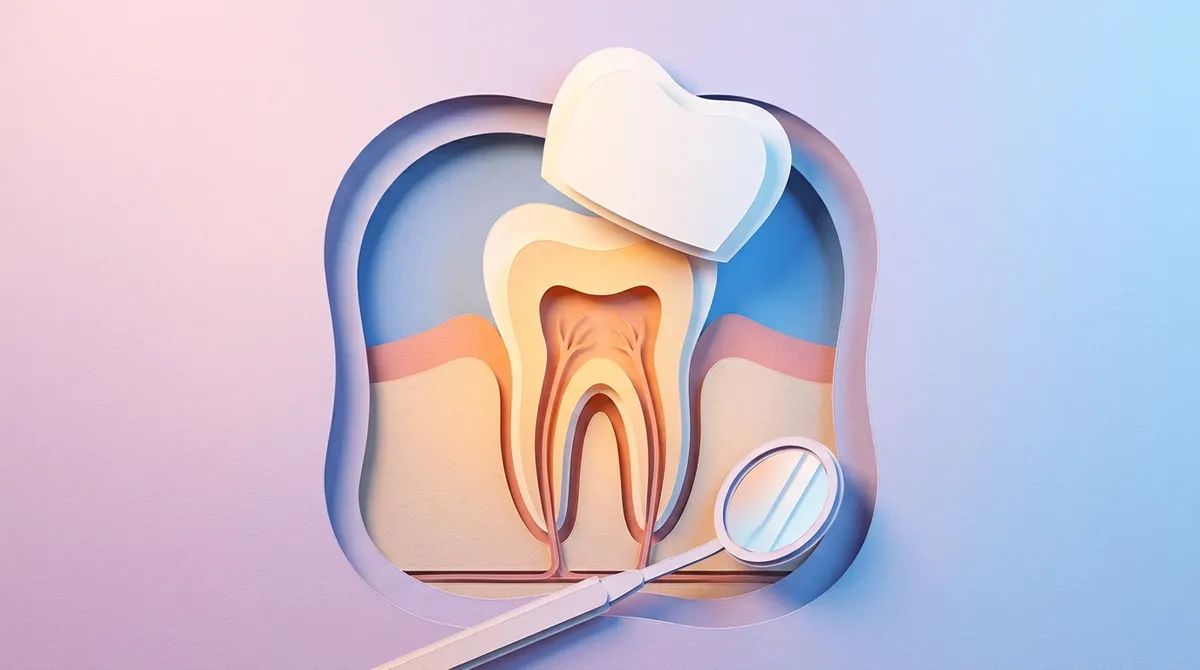
Key Takeaways
-
Contact your dentist immediately if you notice crown movement, sensitivity to temperature, or visible gaps; even slight wiggling can worsen quickly without professional intervention.
-
Avoid chewing on the affected side, sticky/hard foods, and attempting self-removal; use temporary dental cement only as a stopgap while waiting for professional treatment.
-
A loose crown exposes the underlying tooth to bacteria and decay, potentially leading to infection, pain, and sensitivity that requires urgent dental attention.
-
Most loose crowns can be fixed by recementation (reapplying cement) if caught early and the tooth is healthy, which is faster and less expensive than crown replacement.
-
Prevent future loose crowns by practicing good oral hygiene, avoiding hard/sticky foods, wearing a night guard if you grind your teeth, and scheduling regular dental checkups.
-
Teeth grinding, decay under the crown, improper fit, and normal wear over 10-15 years are common causes; addressing these factors helps avoid recurrence.
Have you ever felt something strange when biting down on food? Maybe you noticed a slight wiggle when you touched your tooth with your tongue. These could be signs that your dental crown is loose. A loose crown is not something you should ignore. It can lead to bigger problems if you do not take action quickly. In this guide, we will walk you through the most common symptoms of a loose dental crown. You will also learn what causes crowns to become loose and what to do if it happens to you.
A dental crown is a cap that covers a damaged tooth. It protects the tooth and helps it work like it should. When a crown becomes loose, it can no longer protect your tooth properly. This can cause pain, sensitivity, and even infection. The good news is that catching the problem early can save you time and money. At Dental Theory in Brandon, Florida, we see patients with loose crowns all the time. We know how to fix them quickly and safely.
In this article, we will cover everything you need to know about loose dental crown symptoms. We will explain the warning signs, the causes, and the steps you should take. By the end, you will feel confident about what to do if you ever experience this common dental issue.
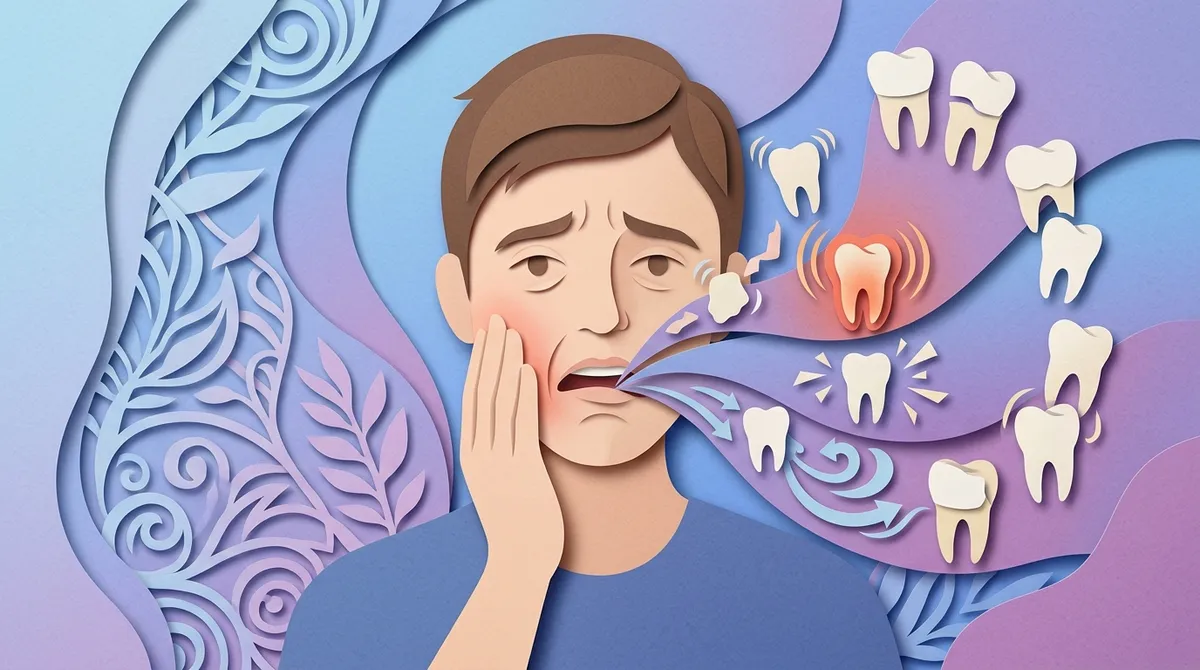
What Are the Most Common Symptoms of a Loose Dental Crown?
Recognizing the symptoms of a loose dental crown is the first step to getting help. Some signs are obvious, while others are more subtle. Here are the most common symptoms you should watch for:
Movement or Wiggling
The most obvious sign of a loose crown is movement. You might feel the crown shift when you bite down or chew. Sometimes you can even move it with your tongue. This happens when the cement holding the crown in place starts to weaken. If you notice any movement, you should contact your dentist right away. Even a small wiggle can become a bigger problem if you wait too long.
At Dental Theory, we use high-quality materials to make sure your crown stays in place. But even the best crowns can become loose over time. That is why we encourage our patients to schedule regular checkups. During these visits, we can spot early signs of a loose crown before you even notice them.
Unusual Sensations When Chewing
Do you feel like something is different when you chew? A loose crown can create an unusual sensation. It might feel like your bite is off or like something is stuck between your teeth. This happens because the crown is no longer sitting flush against your tooth. The gap can trap food and create discomfort.
Some people describe it as a clicking or popping feeling. Others say it feels like the tooth is higher than it should be. These sensations are your body’s way of telling you something is wrong. Pay attention to these warning signs and schedule an appointment with your dentist as soon as possible.
Sensitivity to Temperature
A properly fitted crown should not cause sensitivity. But when a crown becomes loose, the tooth underneath can become exposed. This can lead to sharp pain when you eat or drink something hot or cold. The sensitivity happens because the protective barrier of the crown is no longer doing its job.
If you notice sudden sensitivity in a tooth that has a crown, this is a red flag. The exposed tooth is vulnerable to bacteria and decay. Getting the crown fixed quickly can prevent further damage and relieve your discomfort.
Bad Taste or Odor
A loose crown can create a small gap between the crown and your tooth. Bacteria and food particles can get trapped in this space. Over time, this can cause a bad taste in your mouth or an unpleasant odor. You might also notice that the area around the crown feels sticky or uncomfortable.
This symptom is more than just annoying. It is a sign that bacteria are growing around your tooth. If left untreated, this can lead to decay or infection. If you experience a bad taste or smell near a crowned tooth, you should see your dentist right away.
Visible Gap or Space
Sometimes you can actually see a gap between the crown and your tooth. This might appear as a dark line along the gum line or a visible space at the edge of the crown. A gap is a clear sign that the crown has come loose. It also means that bacteria can easily enter the space and cause damage.
If you notice a visible gap, do not wait to get help. The longer you wait, the more likely you are to develop decay or infection. Dental Theory offers same-day crown services, so you can get the problem fixed quickly without multiple visits.
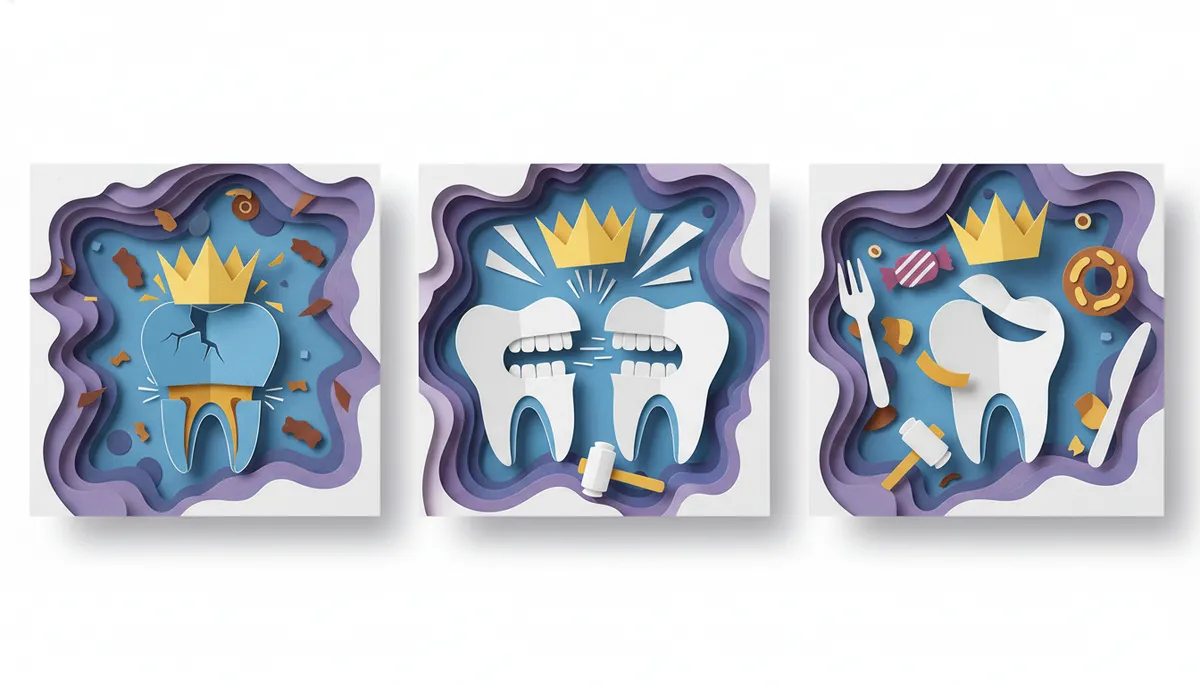
Why Do Dental Crowns Become Loose?
Understanding why crowns become loose can help you prevent the problem in the future. Here are some of the most common causes:
Wear and Tear Over Time
Dental crowns are strong, but they are not permanent. Over time, the cement that holds the crown in place can wear down. This is especially true if you grind your teeth at night or chew hard foods frequently. The constant pressure can weaken the bond between the crown and your tooth.
Most crowns last between 10 and 15 years with proper care. After that, they may need to be replaced or recemented. Regular dental checkups can help your dentist spot signs of wear before the crown becomes loose.
Decay Under the Crown
Even though a crown covers your tooth, decay can still develop underneath it. This happens when bacteria get trapped between the crown and the tooth. The decay weakens the structure of your tooth, which can cause the crown to become loose.
Good oral hygiene is key to preventing decay under a crown. Brush twice a day and floss daily to keep bacteria at bay. If you do develop decay, your dentist will need to remove the crown, treat the decay, and place a new crown.
Sticky or Hard Foods
Eating sticky or hard foods can pull on your crown and loosen it. Caramel, taffy, and hard candies are common culprits. Chewing ice or using your teeth to open packages can also put too much pressure on the crown.
If you have a crown, it is smart to avoid these foods when possible. If you do eat something sticky, be gentle and chew on the opposite side of your mouth. This can help protect your crown and keep it in place longer.
Improper Fit
Sometimes a crown becomes loose because it was not fitted properly in the first place. This can happen if the crown was not shaped correctly or if the cement was not applied evenly. A crown that does not fit well is more likely to come loose over time.
At Dental Theory, we use advanced technology to ensure a perfect fit every time. Our same-day crown process allows us to create and place your crown in a single visit. This reduces the chance of fit issues and gets you back to your life faster.
Teeth Grinding
Do you grind your teeth at night? This habit, called bruxism, can put a lot of pressure on your crowns. Over time, the grinding can weaken the cement and cause the crown to become loose. It can also damage the crown itself.
If you grind your teeth, talk to your dentist about wearing a night guard. This simple device can protect your crowns and your natural teeth from damage. It is a small investment that can save you from costly repairs down the road.
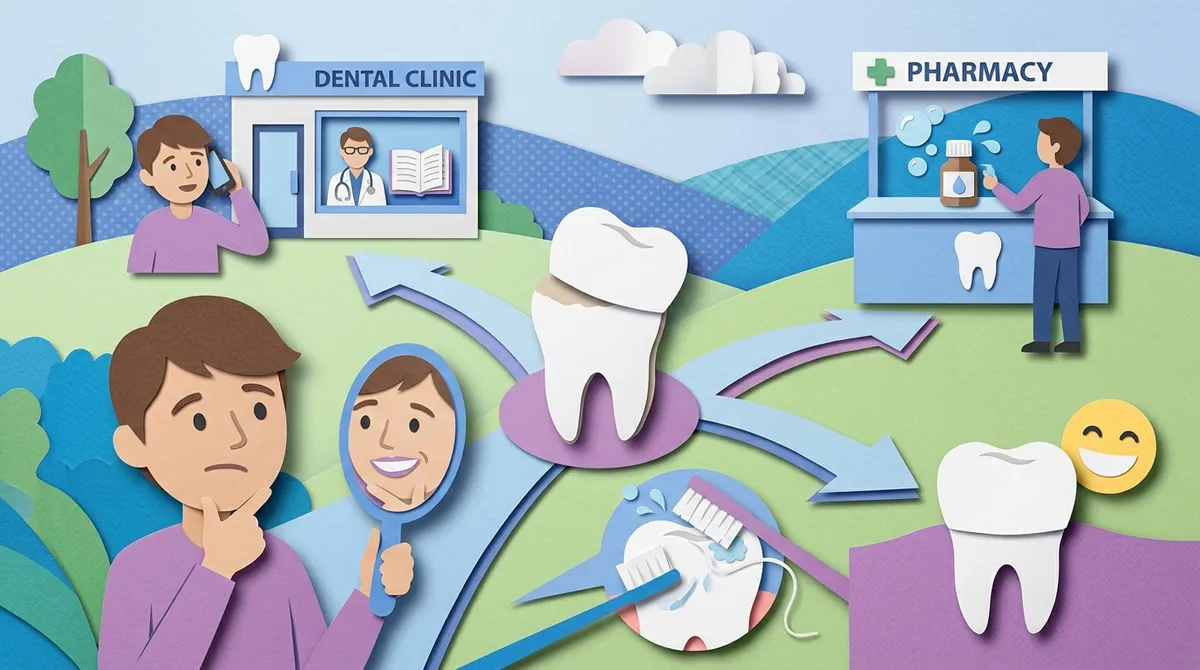
What Should You Do If You Notice Loose Dental Crown Symptoms?
If you think your crown is loose, do not panic. There are steps you can take to protect your tooth until you can see your dentist. Here is what you should do:
- Contact your dentist immediately. The sooner you get help, the better. Even if the crown is only slightly loose, waiting can make the problem worse. Call your dentist and explain your symptoms. They can schedule an appointment to examine the crown and recommend treatment.
- Avoid chewing on that side of your mouth. Until you see your dentist, try to avoid putting pressure on the loose crown. Chew on the opposite side of your mouth and avoid sticky or hard foods. This can prevent the crown from coming off completely.
- Keep the area clean. Brush and floss gently around the loose crown. This will help prevent bacteria from getting trapped under the crown. Rinse your mouth with warm salt water to reduce inflammation and keep the area clean.
- Do not try to remove the crown yourself. You might be tempted to pull the crown off, but this is not a good idea. Removing the crown yourself can damage your tooth or make it harder for your dentist to fix the problem. Leave the crown in place and let a professional handle it.
- Use temporary dental cement if needed. If the crown comes off completely, you can buy temporary dental cement at most pharmacies. This can hold the crown in place until you can see your dentist. But remember, this is only a temporary fix. You still need to get professional treatment as soon as possible.
At Dental Theory, we understand that dental emergencies can be stressful. That is why we offer flexible scheduling and same-day appointments when possible. If you are experiencing symptoms of a loose crown, do not hesitate to reach out to our team for help.
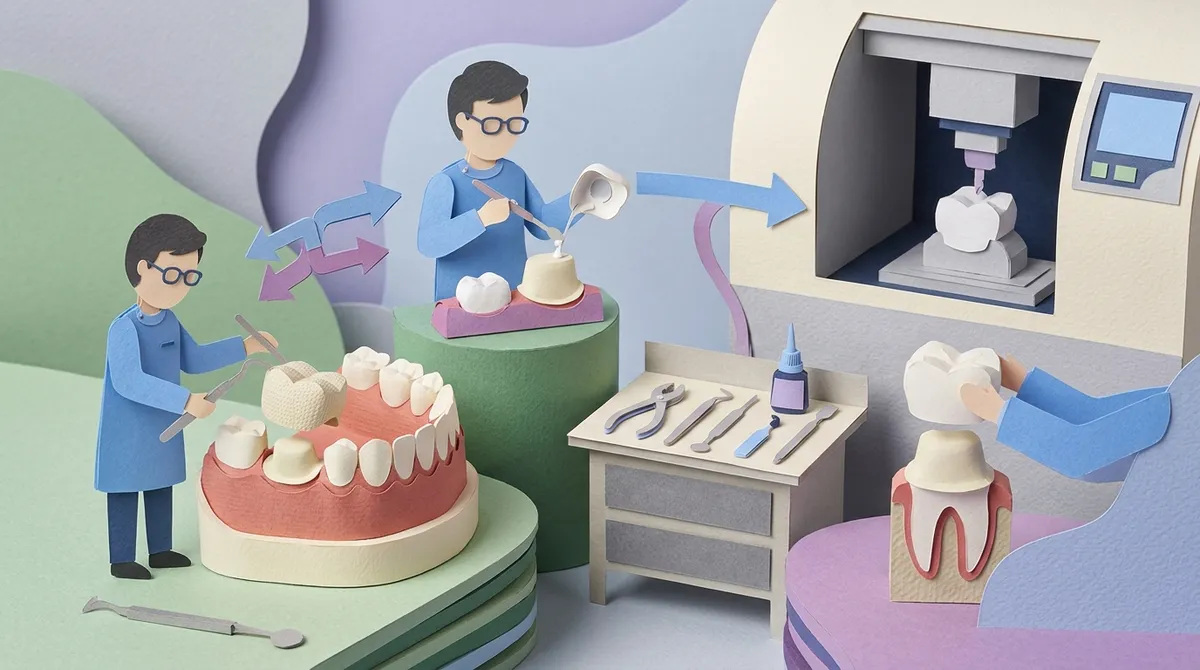
How Is a Loose Dental Crown Treated?
The treatment for a loose crown depends on the cause and the condition of your tooth. Here are the most common treatment options:
Recementation
If the crown is still in good shape and your tooth is healthy, your dentist can simply recement the crown. This is the easiest and quickest fix. The dentist will clean the crown and your tooth, then apply fresh cement to secure the crown back in place.
Recementation is a simple procedure that usually takes less than an hour. You can return to your normal activities right away. However, if the crown has been loose for a while, there may be decay under it that needs to be treated first.
Crown Replacement
If the crown is damaged or does not fit properly, you may need a new crown. At Dental Theory, we offer same-day crown services using advanced ceramic materials. This means you can get a new crown in just one visit. No waiting weeks for a lab to make your crown. No temporary crown to worry about.
Our same-day crowns are made from high-quality ceramic that looks and feels just like your natural teeth. Dr. Chris Karapasha, or Dr. K as we call him, specializes in cosmetic dentistry and has years of experience creating beautiful, durable crowns. With our state-of-the-art technology, we can design and place your new crown in a single appointment.
Treatment for Decay
If decay has developed under the crown, your dentist will need to remove the decay before placing a new crown. This might involve a filling or, in more serious cases, a root canal. Once the decay is treated, a new crown can be placed to protect your tooth.
Decay under a crown is more common than you might think. The good news is that treating it early can prevent more serious problems like infection or tooth loss. Regular checkups are the best way to catch decay before it becomes a major issue.
How to Prevent Your Dental Crown from Becoming Loose
Prevention is always better than treatment. Here are some tips to help keep your crown secure:
- Practice good oral hygiene. Brush your teeth twice a day and floss daily. This will help prevent decay and gum disease, which can weaken the bond between your crown and your tooth.
- Avoid hard and sticky foods. Chewing on ice, hard candies, or sticky foods can put too much pressure on your crown. Be mindful of what you eat and chew carefully.
- Wear a night guard if you grind your teeth. Grinding can damage your crown over time. A night guard can protect your crown and your natural teeth from wear and tear.
- See your dentist regularly. Regular checkups allow your dentist to spot problems early. They can check the condition of your crown and recommend treatment if needed.
- Do not use your teeth as tools. Opening packages or bottles with your teeth can damage your crown. Use the right tools instead.
At Dental Theory, we believe in helping our patients maintain healthy smiles for life. We offer comprehensive exams to check the health of your teeth and crowns. Our team will work with you to create a personalized care plan that fits your needs and budget.
Understanding the Cost of Fixing a Loose Dental Crown
The cost of fixing a loose crown depends on the treatment you need. Recementation is usually the least expensive option. If you need a new crown, the cost will be higher. However, many dental insurance plans cover at least part of the cost.
At Dental Theory, we accept most major dental insurance plans, including Delta Dental. We also offer flexible payment options to help make dental care affordable for everyone. Our team will work with you to understand your coverage and find a payment plan that works for your budget.
Do not let cost stop you from getting the care you need. Ignoring a loose crown can lead to more serious and expensive problems down the road. Getting treatment early is always the most cost-effective choice.
Real Stories from Dental Theory Patients
Many of our patients have come to us with loose crowns. One patient, a busy mom from Brandon, noticed her crown felt loose while eating lunch. She called our office right away and we were able to see her the same day. After a quick examination, Dr. K recemented her crown and she was back to her routine in less than an hour.
Another patient had a crown that had been loose for several weeks. He waited too long to get help and decay had developed under the crown. We were able to treat the decay and place a new ceramic crown in a single visit. He was amazed at how easy and painless the process was.
These stories show how important it is to act quickly when you notice symptoms of a loose crown. The sooner you get help, the easier and less expensive the treatment will be. You can read more reviews and stories from our patients by visiting our Google Business Profile for Dental Theory in Brandon.
When to Seek Emergency Dental Care
Most of the time, a loose crown is not a true emergency. But there are situations where you should seek care right away. Here are some signs that you need emergency dental treatment:
- Severe pain. If you are experiencing intense pain that does not go away with over-the-counter pain relievers, you need to see a dentist immediately.
- Swelling or fever. These symptoms can indicate an infection, which requires urgent treatment.
- The crown has fallen off completely. If your crown comes off, try to keep it safe and call your dentist right away. They may be able to recement it if you act quickly.
- You cannot stop bleeding. If your gums are bleeding and you cannot get it to stop, this is a sign of a more serious problem.
At Dental Theory, we offer emergency dental services to help you when you need it most. We understand that dental problems do not always happen during business hours. That is why we make every effort to accommodate urgent cases and provide prompt, compassionate care.
Conclusion: Take Action When You Notice Loose Dental Crown Symptoms
A loose dental crown is a common problem, but it should never be ignored. The symptoms can range from mild discomfort to serious pain. By recognizing the warning signs early, you can get treatment before the problem becomes worse. Movement, sensitivity, bad taste, and visible gaps are all signs that your crown needs attention.
At Dental Theory in Brandon, Florida, we are here to help you with all your dental needs. Whether you need a simple recementation or a brand new same-day crown, our team has the experience and technology to get you back to smiling in no time. Dr. K specializes in cosmetic dentistry and creates beautiful, natural-looking crowns that are built to last.
Do not wait until a small problem becomes a big one. If you notice any symptoms of a loose crown, schedule an appointment with us today. We offer flexible scheduling, accept most insurance plans, and provide payment options to fit your budget. Your smile is important to us, and we are committed to helping you keep it healthy and beautiful for years to come.
Remember, taking care of your dental health is one of the best investments you can make. A healthy smile boosts your confidence and improves your overall well-being. If you have a loose crown, do not ignore it. Contact Dental Theory today and let us help you get back to feeling your best. Visit us on Facebook to stay connected and learn more about our services.
FAQs
Q: What are the most common symptoms of a loose dental crown?
A: The most common symptoms include movement or wiggling of the crown, unusual sensations when chewing, sensitivity to hot or cold foods, bad taste or odor around the crown, and visible gaps between the crown and your tooth. If you notice any of these signs, contact your dentist right away.
Q: Can I eat normally if my dental crown feels loose?
A: It is best to avoid chewing on the side with the loose crown until you see your dentist. Stick to soft foods and avoid anything sticky or hard. This will help prevent the crown from coming off completely and protect your tooth from further damage.
Q: How long does it take to fix a loose dental crown?
A: If your crown just needs to be recemented, the process usually takes less than an hour. If you need a new crown, Dental Theory offers same-day crown services, so you can get a brand new ceramic crown in just one visit without the need for temporary crowns or multiple appointments.
Q: Will my dental insurance cover the cost of fixing a loose crown?
A: Most dental insurance plans cover at least part of the cost of crown repairs or replacements. At Dental Theory, we accept most major insurance plans including Delta Dental. Our team will help you understand your coverage and find payment options that fit your budget.
Q: How can I prevent my dental crown from becoming loose in the future?
A: Practice good oral hygiene by brushing twice a day and flossing daily. Avoid hard and sticky foods that can pull on your crown. If you grind your teeth, wear a night guard to protect your crown. Most importantly, see your dentist regularly for checkups so they can spot problems early.