Key Takeaways
-
Most dental crowns last 10-30 years with an average of 15 years, but lifespan depends heavily on material quality, oral hygiene habits, and regular dental checkups every 6 months.
-
Teeth grinding (bruxism) significantly shortens crown life—ask your dentist about a custom night guard to protect your crown and extend its longevity.
-
Poor oral hygiene around the crown is the top reason crowns need early replacement; plaque buildup at the gumline causes decay underneath, so brush twice daily and floss around your crown.
-
Watch for warning signs including pain when biting, loose or shifting crowns, visible cracks, dark lines at the gumline, and gum swelling—early detection prevents costly damage.
-
Crown material matters: all-ceramic lasts 15-25+ years, porcelain-fused-to-metal 10-15 years, and gold alloy 20-30+ years; discuss material options with your dentist based on crown location.
-
Avoid hard foods like ice and hard candies, and sticky foods that can damage or dislodge crowns; crown replacement costs $800-$2,500 depending on material and may be partially covered by insurance.
If you have a dental crown, you might be wondering: how long will this last? It’s one of the most common questions patients ask after getting a crown placed. The good news is that with proper care, dental crowns can last a surprisingly long time. But like anything in life, they don’t last forever. Knowing when and why crowns need to be replaced can save you time, money, and a lot of headaches down the road.
Whether you just got your first crown or you’ve had one for years, this guide will walk you through everything you need to know. We’ll cover how long crowns typically last, what makes them wear out faster, and the signs that it’s time for a replacement. Let’s dive in!
What Is the Average Lifespan of a Dental Crown?
Most dental crowns last anywhere from 10 to 30 years. That’s quite a range, right? The truth is, how long your crown lasts depends on several factors — including the material used, how well you care for it, and your everyday habits.
On average, most patients can expect a well-maintained crown to last about 15 years. Some crowns last much longer, especially when they’re made from high-quality ceramic and properly fitted. If you’re curious about what to expect, check out this helpful resource on how long dental crowns last and what you need to know.
Crown Lifespan by Material Type
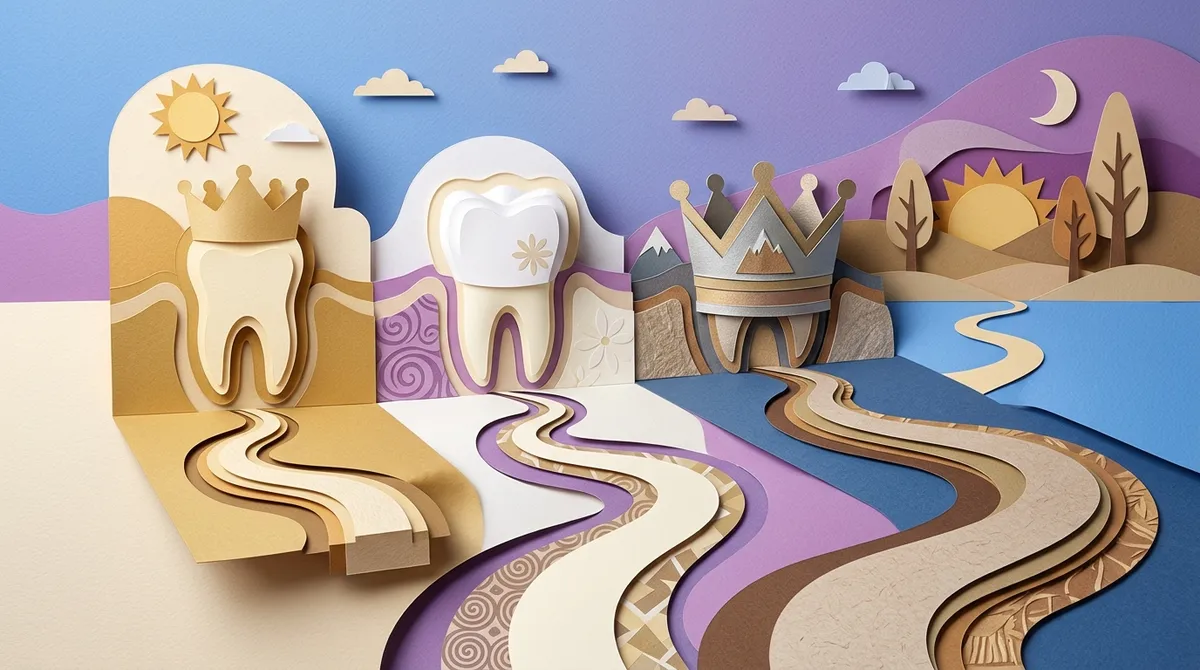
Not all crowns are created equal. The material your crown is made from plays a big role in how long it will last. Here’s a quick comparison to help you understand the differences:
| Crown Material | Average Lifespan | Key Benefits | Common Issues |
|---|---|---|---|
| All-Ceramic / Porcelain | 15–25+ years | Natural appearance, biocompatible | Can chip under extreme pressure |
| Porcelain-Fused-to-Metal | 10–15 years | Strong, durable | Metal line may show at gumline |
| Gold/Metal Alloy | 20–30+ years | Extremely durable | Visible, not cosmetically ideal |
| Zirconia | 15–25 years | Very strong, tooth-colored | Slightly more opaque than natural teeth |
At Dental Theory in Brandon, FL, Dr. K exclusively uses ceramic crowns — including beautiful, durable Same-Day Crowns — because they offer the most natural look while being incredibly strong and long-lasting. Learn more about why porcelain dental crowns are the best choice for most patients.
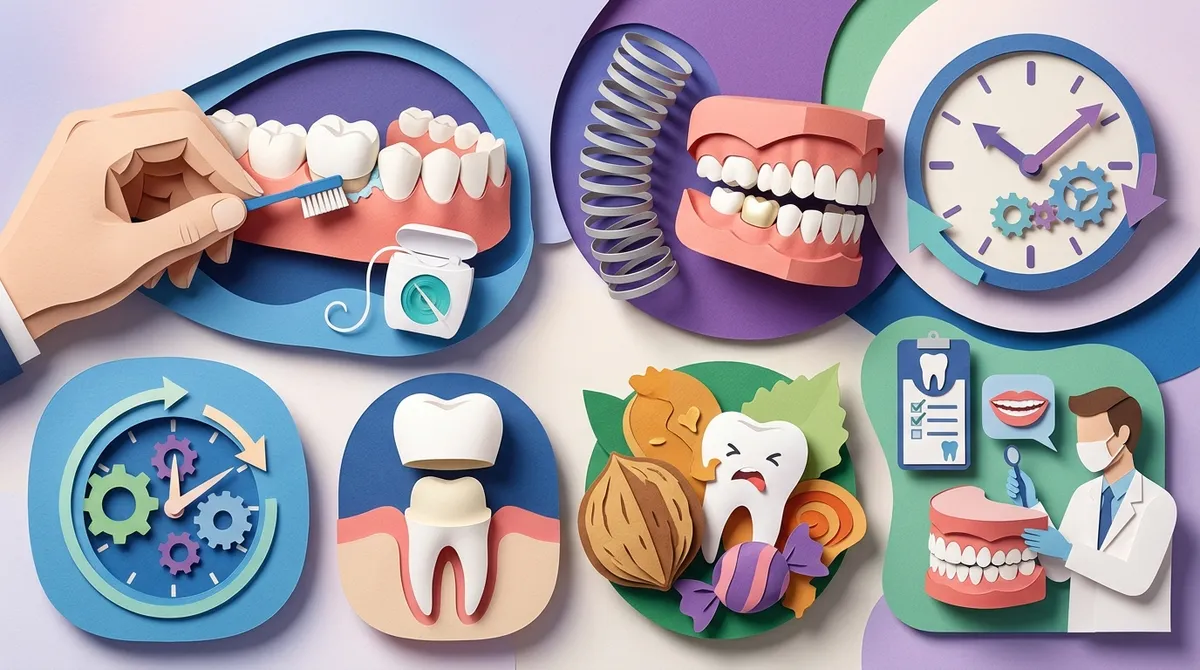
Top Factors That Affect How Often Crowns Need to Be Replaced
Understanding what shortens — or extends — your crown’s lifespan is key. Here are the most important factors to keep in mind:
1. Your Daily Oral Hygiene Habits
Brushing and flossing around your crown is just as important as caring for your natural teeth. Plaque and bacteria can build up at the gumline around your crown. This leads to decay underneath it, which is one of the top reasons crowns need to be replaced early. Check out how to brush and floss with a dental crown for practical tips.
2. Teeth Grinding and Clenching
Do you grind your teeth at night? This habit — called bruxism — puts enormous pressure on your crowns. It can crack, chip, or wear them down much faster than normal. If you grind your teeth, your dentist may recommend a night guard to protect your crown and extend its life.
3. What You Eat and Drink
Hard foods like ice, hard candies, or crusty bread can damage a crown over time. Sticky foods can also pull at the crown and loosen it. Being mindful of what you chew helps your crown last longer. For a full breakdown, read about the 10 foods to avoid with crowns.
4. Location of the Crown in Your Mouth
Crowns on back teeth (molars) take on more chewing force than front teeth. As a result, they tend to wear out a bit faster. This is something your dentist considers when recommending the best material for your specific crown.
5. Regular Dental Checkups
Visiting your dentist regularly allows them to catch small problems with your crown before they become big ones. Your dentist can check the fit, look for signs of wear, and address any concerns early. Routine teeth cleanings also help keep the area around your crown healthy.
Key Factors Impacting Crown Longevity at a Glance
| Factor | Impact on Crown Lifespan | What You Can Do |
|---|---|---|
| Good oral hygiene | Extends lifespan significantly | Brush twice daily, floss daily |
| Teeth grinding (bruxism) | Shortens lifespan | Use a night guard |
| Hard or sticky foods | Can damage or dislodge crown | Avoid certain foods |
| Crown location | Back teeth wear faster | Choose right material with dentist |
| Regular dental visits | Catches issues early | Schedule checkups every 6 months |
| Crown material quality | High-quality = longer life | Discuss options with your dentist |
Warning Signs Your Crown Needs to Be Replaced
Your crown won’t always tell you it’s failing with obvious pain. Sometimes the signs are subtle. Here are the most common red flags to watch for:
- Pain or sensitivity around the crowned tooth, especially when biting or chewing
- The crown feels loose or shifts when you touch it with your tongue
- Visible cracks or chips in the crown material
- Dark lines or discoloration at the gumline around the crown — learn more about a black line at the gum around a crown
- Swelling or tenderness in the gum tissue near the crown
- The crown falls off — if this happens, read what to do when a crown falls off and whether it can be reattached
- Decay under the crown, which your dentist can detect during an exam or with X-rays
If you notice any of these signs, don’t wait. The sooner you see your dentist, the better your chances of a smooth fix. You can always reach out to Dental Theory if you have concerns about your crown.
How Often Should You Have Your Crown Checked?
Even if your crown feels fine, it’s smart to have it professionally evaluated at every regular dental visit — ideally every six months. Your dentist will use X-rays and a visual exam to look for subtle signs of wear, decay, or shifting. Think of it like getting your car serviced. Small tune-ups now prevent costly breakdowns later.
Here’s a simple schedule to follow for crown maintenance:
- Every 6 months: Routine dental exam and cleaning — your dentist will visually inspect your crown
- Annually: Dental X-rays to check for decay beneath the crown and bone health
- Every 5 years: Ask your dentist for a more thorough crown assessment, especially as the crown ages
- Immediately: Visit your dentist any time you feel pain, sensitivity, or notice changes to your crown
- As needed: If you’re a teeth grinder or have had recent trauma, have your crown checked sooner
What Happens During Crown Replacement?
Getting a crown replaced is simpler than most people think. Here’s what the process typically looks like:
- Exam and diagnosis: Your dentist evaluates the current crown and the tooth underneath
- Old crown removal: The existing crown is carefully removed without harming the tooth structure
- Tooth prep: The underlying tooth is cleaned and shaped to accept the new crown
- Impressions or digital scanning: Your dentist takes impressions or digital scans to create the new crown
- Crown placement: The new crown is fitted, adjusted, and cemented in place
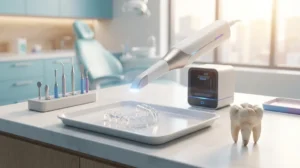
At Dental Theory, Dr. K offers Same-Day Crowns, so you don’t have to come back for a second visit. Using advanced technology, your new ceramic crown is designed, milled, and placed in just one appointment. That’s a huge win for busy families and professionals in Brandon, FL! Learn more about the same-day crown process step by step.
How to Make Your Crown Last as Long as Possible
Want to get the most mileage out of your dental crown? Here are the best practices to follow every day:
- Brush your teeth at least twice a day with a soft-bristled toothbrush
- Floss gently around your crown every day to remove plaque buildup
- Avoid chewing on ice, hard candies, popcorn kernels, or other very hard foods
- Wear a custom night guard if you grind or clench your teeth
- Attend your dental checkups and cleanings every six months without skipping
- Tell your dentist right away if you notice any changes in how your crown feels
Following these simple habits can add years to the life of your crown. And if you ever want a refresher on how to care for a dental crown, Dental Theory has you covered with easy-to-follow advice.
Crown Replacement Costs: What to Expect
One question many patients have is: how much does it cost to replace a crown? The answer varies based on the material, your location, and your insurance coverage. Here’s a general breakdown:
| Crown Type | Estimated Cost (Without Insurance) | Often Covered by Insurance? |
|---|---|---|
| All-Ceramic / Porcelain | $1,000 – $2,000 per tooth | Partially (varies by plan) |
| Porcelain-Fused-to-Metal | $900 – $1,800 per tooth | Often yes |
| Gold/Metal Alloy | $800 – $2,500 per tooth | Often yes |
| Zirconia (Same-Day) | $1,000 – $2,500 per tooth | Partially (varies by plan) |
Insurance can make a big difference in what you pay out of pocket. To learn more about coverage, check out this guide on whether insurance covers dental crowns. You can also explore insurance options at Dental Theory to find out what your plan covers. And if you’re worried about common billing pitfalls, read about 5 insurance mistakes that cost you on dental crowns.
If you don’t have insurance, don’t worry. Dental Theory offers flexible options to help make your care affordable. Learn how to still get great dental care without insurance.
When Replacement Isn’t the Only Option
Sometimes a crown doesn’t need to be fully replaced — it just needs some attention. If your crown has recently fallen off, it may be possible to simply reattach it. If it has a small chip, your dentist might be able to repair it. However, if the underlying tooth has significant decay or the crown is old and worn, full replacement is usually the best path forward.
Your dentist will always walk you through your options so you can make the best decision for your smile and your budget. If you’re dealing with a fallen crown right now, read what to do when your crown falls off for immediate next steps.
Ready to Check on Your Crown? Visit Dental Theory in Brandon, FL
Whether you’re due for a checkup, curious about the state of your existing crown, or ready for a brand-new Same-Day Crown, the team at Dental Theory in Brandon, FL is here to help. Visit us on Google — Dental Theory to see what our patients are saying, and schedule an appointment online at your convenience.
We believe great dental care shouldn’t be stressful. From routine exams to beautiful ceramic Same-Day Crowns, Dr. K and the entire Dental Theory team are committed to giving you and your family the best possible experience. Have questions or concerns about your crown? Don’t hesitate to get in touch with our friendly team at Dental Theory — we’re always happy to help you smile with confidence!
FAQs
Q: How often do crowns need to be replaced on average?
A: Most dental crowns last between 10 and 30 years, with an average lifespan of about 15 years. How long yours lasts really comes down to the material used, your oral hygiene habits, and whether you attend regular dental checkups — so taking good care of it makes a big difference!
Q: What are the most common signs that a dental crown needs replacing?
A: Watch out for pain or sensitivity when biting, a loose or shifting crown, visible cracks, dark lines near the gumline, or swelling around the tooth. If your crown falls off entirely, that’s a clear sign to call your dentist right away — the sooner you act, the better!
Q: Can a dental crown last 20 years or more?
A: Absolutely! With proper care — brushing, flossing, avoiding hard foods, and visiting your dentist every six months — many crowns last 20 to 30 years or even longer. High-quality ceramic crowns tend to be especially durable when well maintained.
Q: Does insurance cover dental crown replacement?
A: Many dental insurance plans do cover at least a portion of crown replacement costs. Coverage varies widely by plan, so it’s always a good idea to check with your insurance provider and your dental office before treatment. Dental Theory in Brandon, FL accepts many insurance plans to help make care affordable.
Q: What happens if I don’t replace a worn-out crown?
A: Ignoring a failing crown can lead to decay underneath it, infection, or damage to the surrounding teeth and gum tissue. It’s always better to address crown issues early — small problems caught at regular checkups are much easier and less costly to fix than waiting until something goes seriously wrong.