Key Takeaways
-
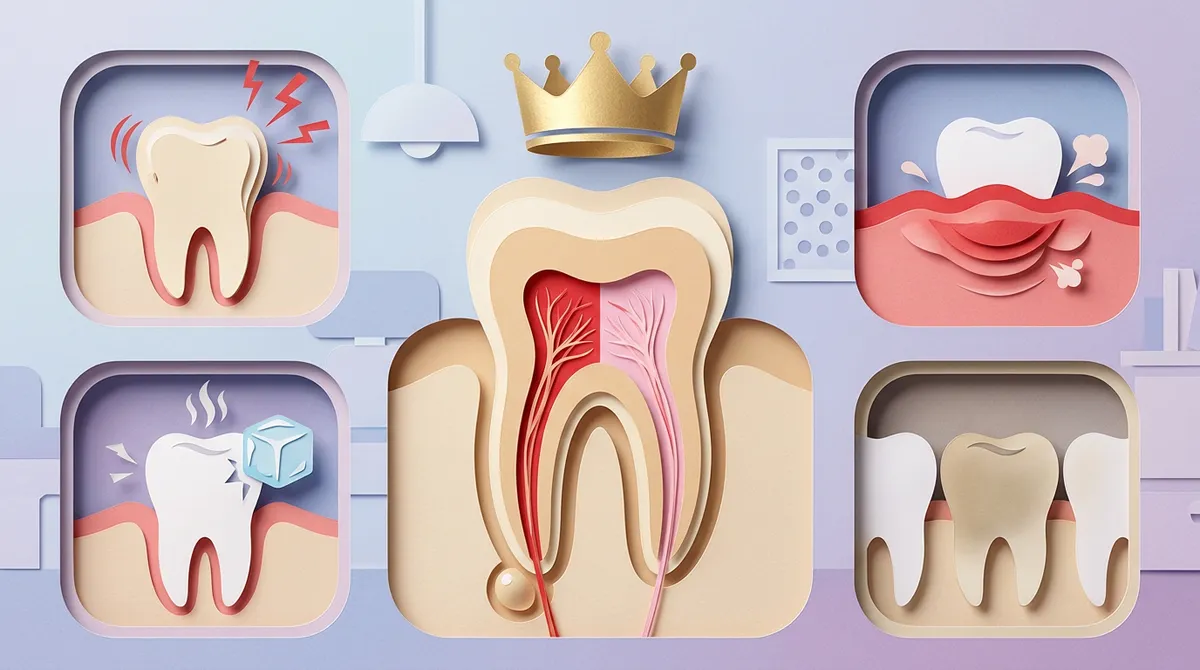
Persistent tooth pain lasting more than a day or two, lingering sensitivity to hot/cold for 30+ seconds, and pain when chewing are clear signs you need endodontic care—delaying treatment turns simple fixes into expensive problems.
-
Modern root canal therapy is painless and no more uncomfortable than a filling; patients receive local anesthesia, feel pressure but not pain, and can return to normal activities the next day.
-
Endodontic specialists complete advanced training beyond dental school to diagnose and treat inner tooth problems; many general dentists with advanced training can perform root canal therapy in their own office.
-
A dental crown must be placed after root canal therapy to protect the treated tooth, restore its strength, and prevent future infection—same-day crowns eliminate the need for multiple appointments.
-
Gum swelling, abscess (pimple-like bump), or tooth darkening after injury indicate deep infection or dying pulp tissue requiring immediate evaluation; untreated infections can spread to surrounding teeth and jaw.
-
Saving your natural tooth through endodontic care prevents bone loss that shifts surrounding teeth and changes facial structure—nothing beats your natural tooth compared to implants or extractions for long-term oral health.
Nobody wakes up thinking, “Today’s a great day to need a root canal!” But here’s the truth — tooth pain doesn’t wait for a convenient moment. When that deep, throbbing ache hits, or your tooth suddenly becomes sensitive to hot coffee, it’s your body waving a big red flag. An endodontic specialist is the dental expert trained to save your tooth from the inside out. They focus on the inner pulp of your tooth — the soft tissue filled with nerves and blood vessels that keeps your tooth alive. The good news? With today’s technology, getting endodontic care is far more comfortable than most people expect. Whether you’re a nervous patient or just want to be prepared, this guide walks you through five clear signs you may need endodontic care, what treatment looks like, and how to find the right dental team for the job. Let’s take the mystery — and the fear — out of the process together.

What Does an Endodontic Specialist Actually Do?
An endodontic specialist focuses on diagnosing and treating problems inside the tooth. The word “endodontic” comes from the Greek words for “inside” and “tooth.” These dental professionals complete additional years of advanced training beyond dental school — specifically in root canal therapy and other procedures that save damaged or infected teeth.
Think of them as the “inner tooth” experts. While your general dentistry provider handles cleanings, checkups, and fillings, an endodontic specialist steps in when the problem goes deeper — literally. Their goal is always to save your natural tooth whenever possible, which is almost always the best outcome for your long-term oral health.
| Dental Professional | Primary Focus | Common Procedures |
|---|---|---|
| General Dentist | Overall oral health | Cleanings, fillings, exams |
| Endodontic Specialist | Inner tooth (pulp & roots) | Root canals, retreatments |
| Pediatric Dentist | Children’s dental health | Sealants, pulpotomy, preventive care |
| Cosmetic Dentist | Smile aesthetics | Veneers, crowns, whitening |
5 Signs You May Need an Endodontic Specialist
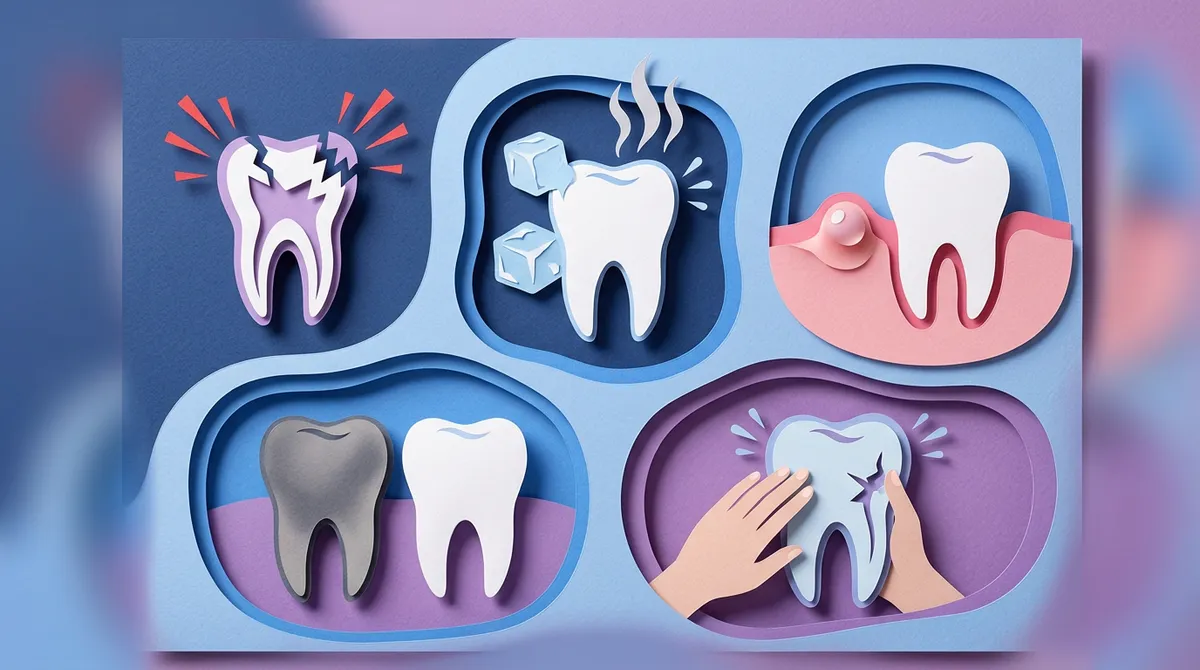
Many people ignore early warning signs because the pain comes and goes. But delaying care can turn a simple fix into a much bigger problem. Here are five signs that it’s time to call your dental team right away.
1. Persistent Tooth Pain That Won’t Go Away
This is the most common sign. If you have a toothache that lingers for more than a day or two, it’s worth getting checked out. Pain that throbs, aches, or radiates into your jaw or nearby teeth is often a sign of pulp inflammation or infection. Over-the-counter pain relievers may dull the discomfort, but they won’t fix what’s happening inside your tooth.
2. Sensitivity to Hot or Cold That Lingers
It’s normal to feel a quick twinge when you eat ice cream or sip hot coffee. But when that sensitivity lingers for 30 seconds or more after removing the stimulus, something deeper may be going on. This prolonged sensitivity often signals that the nerve inside the tooth is irritated or damaged.
3. Darkening or Discoloration of a Tooth
If one tooth looks noticeably darker than the others — especially after an injury — the inner pulp may be dying. This discoloration happens because the breakdown of internal tissue can change the color of the tooth from the inside out. An endodontic specialist can assess whether the pulp is still healthy or needs treatment.
4. Swelling, Tenderness, or a Pimple on the Gums
A small bump on your gum that looks like a pimple is called a dental abscess or fistula. It’s your body’s way of draining infection from deep inside the tooth root. If you notice swelling in your gums, face, or jaw — especially with fever — seek dental care immediately. This type of infection doesn’t resolve on its own and can spread if left untreated.
5. Pain When Chewing or Touching the Tooth
Does biting down on food feel uncomfortable on one specific tooth? Is that tooth tender when you tap it? This is often a sign of infection or inflammation at the tip of the tooth’s root. An endodontic evaluation can pinpoint exactly what’s going on and create a treatment plan to relieve your pain.
| Symptom | What It May Mean | Urgency Level |
|---|---|---|
| Persistent toothache | Pulp inflammation or infection | High – See dentist soon |
| Lingering hot/cold sensitivity | Nerve damage or irritation | Moderate to High |
| Tooth darkening | Dying pulp tissue | Moderate – Schedule evaluation |
| Gum swelling or abscess | Infection or abscess | Very High – Seek care immediately |
| Pain when chewing | Root tip infection | High – Don’t delay |
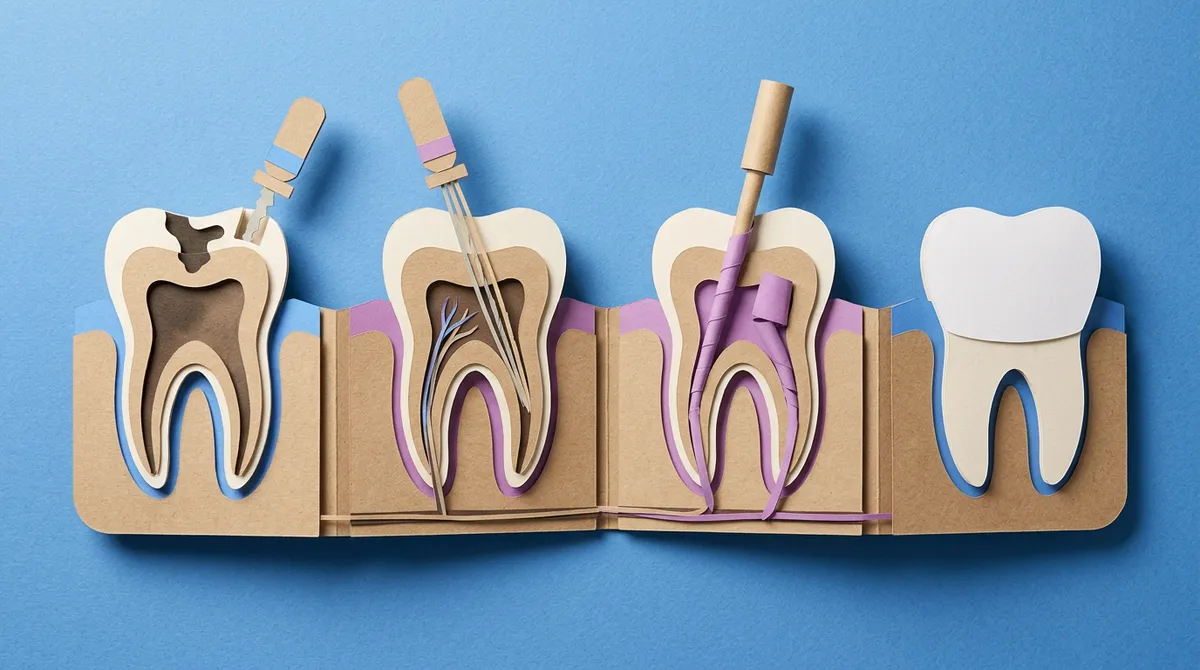
What Happens During Root Canal Therapy?
Here’s where we bust the biggest myth in dentistry: root canals are not painful. Modern root canal therapy is no more uncomfortable than getting a filling. In fact, the procedure relieves the pain — it doesn’t cause it. Here’s what the process typically looks like, step by step.
The Root Canal Process: Step by Step
- Diagnosis and X-rays: Your dental provider takes detailed X-rays to see the shape of your root canals and check for signs of infection in the surrounding bone.
- Local Anesthesia: The area around the tooth is numbed with local anesthesia. You’ll feel pressure but not pain.
- Pulp Removal: A small opening is made in the crown of the tooth. The infected or damaged pulp tissue is gently removed.
- Cleaning and Shaping: The root canals are carefully cleaned, shaped, and disinfected to remove all traces of bacteria.
- Filling the Canals: The empty canals are filled with a biocompatible material called gutta-percha to seal them and prevent future infection.
- Restoration: In most cases, a dental crown is placed over the treated tooth to protect and restore its full function. At Dental Theory in Brandon, FL, patients can get a same-day ceramic crown — no waiting, no second visit needed.
After root canal therapy, some mild soreness is normal for a few days. Most patients return to their regular routine the very next day. It’s a far cry from the scary experience many people imagine!
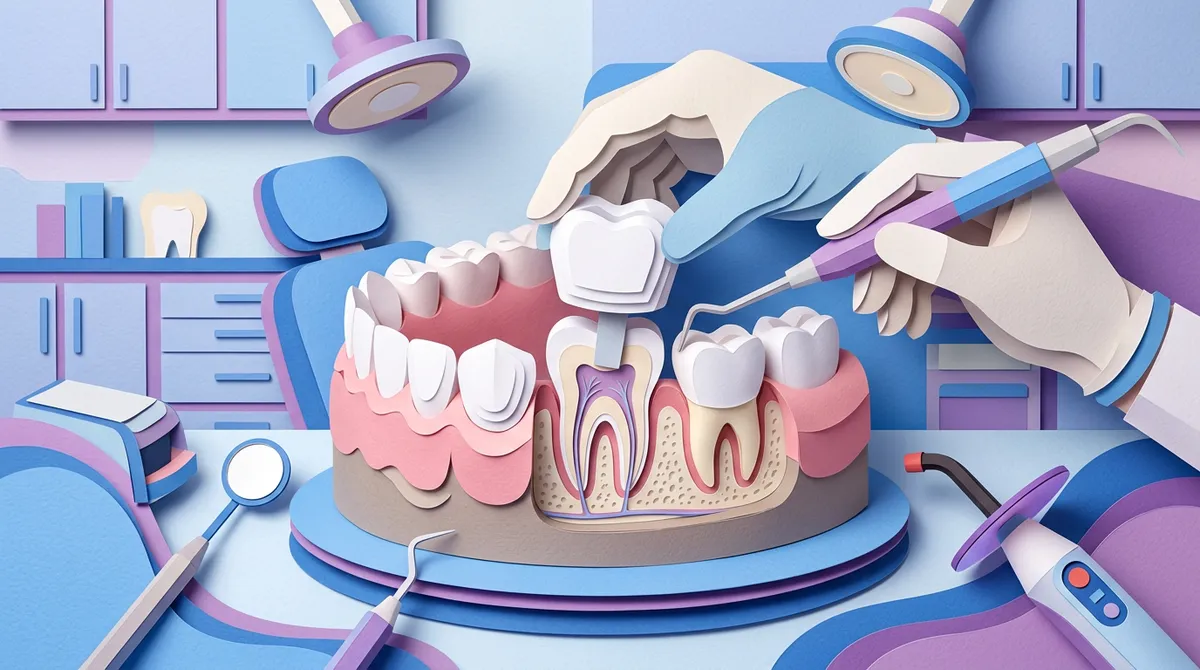
What Happens After the Root Canal: Restoring Your Tooth
A tooth that has had a root canal is more brittle than a healthy tooth, because it no longer has a living pulp to nourish it. That’s why placing a dental crown after the procedure is so important. The crown protects the tooth and restores its full strength for biting and chewing.
At Dental Theory, Dr. K provides same-day ceramic crowns, which means you walk in needing a crown and walk out with one — beautifully crafted and perfectly fitted, all in a single appointment. You can read more about veneers, crowns, and bridges to understand all your restoration options.
Endodontic Care for Children: What Parents Should Know
Yes, kids can need endodontic treatment too — and it’s more common than most parents realize. Children’s baby teeth (primary teeth) play a vital role in guiding permanent teeth into position. When a baby tooth becomes severely infected, saving it with a procedure called a pulpotomy (a partial pulp removal) may be the best option.
If your child is anxious about dental procedures, Dr. Pri at Dental Theory is Brandon, FL’s only board-certified pediatric dentist offering in-office sedation. Through sedation dentistry for kids, even the most nervous little patients can receive the care they need in a calm, safe, and comfortable environment. You can also learn more about pediatric dentistry services to help your child build a healthy smile from the very start.
How to Choose the Right Dental Team for Endodontic Care
Not every dental situation requires a referral to a separate specialist. Many general dentists with advanced training and technology can perform root canal therapy right in their own office. When choosing a dental team for endodontic care, here are the key factors to consider.
Key Factors to Look For
- Advanced technology: Digital X-rays and 3D imaging allow for more precise diagnosis and treatment.
- Experience: Ask how many root canal procedures the provider performs regularly.
- Patient comfort focus: Look for a practice that prioritizes a stress-free, welcoming experience.
- Same-day restoration: A practice offering same-day crowns means fewer visits and faster recovery.
- Strong patient reviews: Check verified reviews to see how other patients describe their experience.
- Convenient location: Choose a practice close to home so appointments are easy to keep.
Speaking of strong reputations — Dr. K holds a 5-star rating on Healthgrades.com, reflecting the high-quality, patient-focused care that Dental Theory delivers every day.
Common Questions About Endodontic Treatment
Does Insurance Cover Root Canal Therapy?
In most cases, yes — dental insurance typically covers a portion of root canal therapy, especially when it’s deemed medically necessary. Coverage varies widely depending on your plan. You can learn about your insurance options at Dental Theory, or ask about their in-house membership plan if you don’t have traditional dental insurance. The membership plan is a fantastic way to make dental care affordable without the headaches of insurance paperwork.
How Long Does Recovery Take?
Most patients feel back to normal within a day or two after a root canal. Some mild soreness or sensitivity is expected, and it can usually be managed with over-the-counter pain relievers. Eating soft foods and avoiding the treated side of your mouth for a day or two can help speed recovery.
| Recovery Timeline | What to Expect |
|---|---|
| Day 1-2 | Mild soreness, some swelling — normal and manageable |
| Day 3-5 | Discomfort fades significantly for most patients |
| Week 1-2 | Tooth feels close to normal; crown placement if not same-day |
| Long-term | With proper care, treated tooth can last a lifetime |
Can I Prevent Needing Endodontic Treatment?
While you can’t always prevent it — injuries happen, and some infections develop despite great hygiene — the best prevention is consistent dental care. Brush twice daily, floss every day, wear a mouthguard during sports, and see your dental provider for regular checkups. Catching small cavities early prevents them from growing deep enough to reach the pulp.
Why Saving Your Natural Tooth Matters
It’s worth talking about why endodontic care is so valuable. When a natural tooth is lost — whether from infection or extraction — the bone beneath it begins to shrink. This bone loss can shift surrounding teeth, affect your bite, and change the shape of your face over time. Saving your tooth with endodontic treatment avoids all of that.
While options like dental implants are excellent solutions for missing teeth, nothing beats your natural tooth for function, appearance, and long-term health. An endodontic specialist’s primary mission is always to save what you already have. And with modern techniques, they succeed the vast majority of the time.
Your Next Step: Don’t Wait on Tooth Pain
Tooth pain is your body asking for help. The longer you wait, the more complex — and costly — the situation can become. The good news is that modern endodontic care is gentle, effective, and faster than most people expect. Whether you’re dealing with an aching molar, a swollen gum, or a tooth that’s been bothering you for weeks, the right dental team can help.
You can also visit us on Google to check out our reviews and learn more about what patients love about their experience at Dental Theory. Ready to take the next step? Schedule an appointment with our team today and let’s get you feeling better — fast.
Life is too short to live with tooth pain. Whether you need a root canal evaluation, a same-day crown, or just a second opinion, the caring team at Dental Theory in Brandon, FL is here for you. Reach out to Dental Theory today and take the first step toward a healthier, pain-free smile.
FAQs
Q: What is an endodontic specialist and when do I need one?
A: An endodontic specialist is a dental expert who focuses on treating the inside of the tooth — including the pulp and root canals. You may need one if you have persistent tooth pain, lingering sensitivity, gum swelling, or a tooth that’s darkened after an injury. The good news is that many general dentists with advanced training can handle root canal therapy right in their own office!
Q: Is a root canal painful?
A: We totally understand why people worry about this — but root canals have a bit of an undeserved scary reputation! Modern root canal therapy is performed with local anesthesia, so you’ll feel pressure but not pain. Most patients are surprised by how comfortable the experience actually is, and many say it felt no worse than getting a filling.
Q: How long does a root canal procedure take?
A: Most root canal procedures take between 60 and 90 minutes, depending on the complexity of the tooth and the number of root canals involved. If a dental crown is needed afterward and your dentist offers same-day crowns, the whole process can be completed in just one appointment — which is a huge time-saver!
Q: Can children need endodontic treatment?
A: Yes, children can need endodontic-type treatment too! A procedure called a pulpotomy can save an infected baby tooth, which is important for guiding permanent teeth into the right position. If your child is anxious about dental procedures, a board-certified pediatric dentist who offers in-office sedation can make the whole experience much calmer and more comfortable.
Q: What happens if I don’t get a root canal when I need one?
A: Skipping treatment when your tooth is infected can lead to the infection spreading to surrounding teeth, your jaw, or even other parts of your body — which is a much bigger problem than a root canal! Untreated infections can also lead to tooth loss. The sooner you get treatment, the better the outcome and the lower the overall cost of care.